
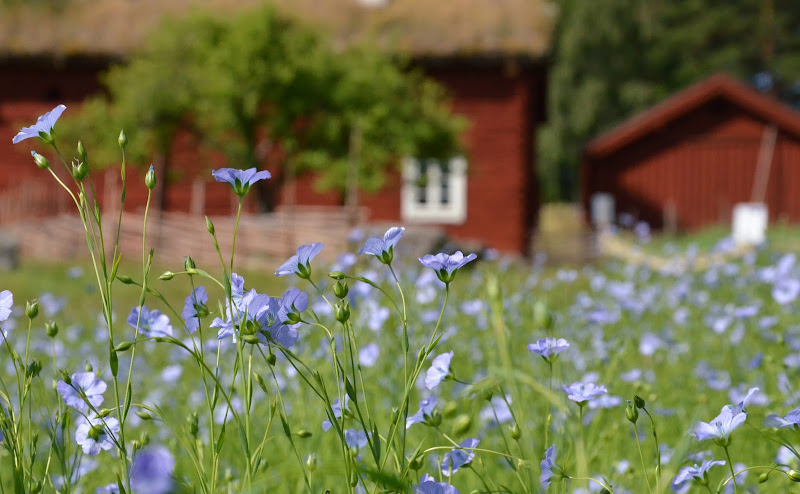
Vallby Open Air Museum
About Vallby Open Air Museum
Description
Vallby Open Air Museum in Västerås is one of those places that feels like stepping straight into a storybook. Spread across 37 acres of countryside, it’s essentially a recreated 19th-century Swedish village where history doesn’t just sit behind glass—it walks around, talks to you, and sometimes even lets you taste it. Since 1921, more than fifty historic buildings have been carefully relocated here, from farmhouses and workshops to a country church. It’s not polished or overly staged, and that’s part of the charm. You’ll see costumed interpreters going about daily routines, animals grazing in the fields, and gardens brimming with old varieties of plants that once filled kitchens and medicine cabinets.
It’s not perfect—some visitors find parts of the museum a little quiet or in need of more activity on certain days—but most people walk away delighted, especially families with kids who light up at the sight of goats, horses, and chickens. The balance is what makes it work: it’s educational without being dry, atmospheric without being artificial. And honestly, there’s something grounding about wandering through a place where life slowed down and people lived closer to the land.
Key Features
- Over fifty historic buildings relocated from across Västmanland County
- Costumed interpreters bringing Swedish traditions and crafts to life
- Native breeds of farm animals roaming the grounds
- Period gardens, orchards, and farming landscapes
- Live performances and demonstrations of old trades
- Wheelchair accessible parking and restrooms
- Family-friendly amenities including changing tables
- On-site restaurant and restrooms for convenience
What stands out most is how approachable the museum feels. You don’t need to be a history buff to enjoy it—you can simply stroll, watch a blacksmith hammering away, or sit with a coffee while kids run around the farmyard. It’s one of those rare cultural sites where learning sneaks in naturally, almost without you noticing.
Best Time to Visit
The museum is open year-round, but the experience shifts with the seasons. Summer is definitely the liveliest, with interpreters in costume, full gardens, and animals out in the fields. If you want the full “living history” vibe, aim for June through August. Spring has its own magic too—baby animals, blossoms in the orchards, and fewer crowds. Autumn is quieter but beautiful, especially when the leaves turn and the harvest decorations appear. Winter can be stark, and not all activities run then, but walking through snow-dusted farmhouses and hearing the crunch under your boots has its own charm.
Personally, I think late summer is the sweet spot. You get the buzz of activity without the peak heat, and the long daylight hours give you plenty of time to wander. But if you’re someone who prefers calm and solitude, a chilly November morning might be your cup of tea.
How to Get There
Vallby Open Air Museum sits just outside central Västerås, making it super easy to reach whether you’re driving or using public transport. By car, it’s a quick trip from the city center with clear signage along the way. Parking is available on-site, and it’s accessible for those with mobility needs. If you prefer public transport, local buses run regularly from Västerås central station and drop you close to the entrance. For those who like to stretch their legs, it’s even possible to walk or cycle from downtown in under half an hour.
I once borrowed a bike from my hotel and pedaled over—it was a breezy 20 minutes along tree-lined paths, and honestly, arriving by bike made the whole day feel even more authentic, like I was traveling back in time slowly rather than rushing in.
Tips for Visiting
A little planning goes a long way in making the most of Vallby. Here are some things I’ve learned (sometimes the hard way) that might help you out:
- Check the schedule: Live demonstrations and performances don’t run constantly, so peek at the daily program when you arrive.
- Wear comfy shoes: The grounds are big, and you’ll be walking on gravel paths, grass, and sometimes uneven cobblestones.
- Bring snacks for kids: There’s a restaurant, but if you’ve got little ones who get hangry fast, it’s smart to have something on hand.
- Don’t rush: Give yourself at least two hours, ideally more. The best moments often come when you slow down and just watch life unfold.
- Visit in different seasons: If you’re local or staying a while, come back at different times of year—the museum changes with the seasons in ways that feel surprisingly fresh.
- Talk to the staff: The interpreters love sharing stories, and asking a simple question can open up a whole world of detail you might otherwise miss.
One last thing: don’t expect perfection. The museum thrives on authenticity, and sometimes that means a goat pen that smells a little strong or a house that feels drafty. That’s part of the experience. If you lean into it, you’ll walk away with memories that feel far richer than those from a polished, modern museum. And really, isn’t that what travel is all about—those slightly imperfect, deeply human moments that stick with you long after?
Key Features
- Over fifty historic buildings relocated from across Västmanland County
- Costumed interpreters bringing Swedish traditions and crafts to life
- Native breeds of farm animals roaming the grounds
- Period gardens, orchards, and farming landscapes
- Live performances and demonstrations of old trades
- Wheelchair accessible parking and restrooms
- Family-friendly amenities including changing tables
- On-site restaurant and restrooms for convenience
More Details
Updated September 9, 2025
Table of Contents
Description
Vallby Open Air Museum in Västerås is one of those places that feels like stepping straight into a storybook. Spread across 37 acres of countryside, it’s essentially a recreated 19th-century Swedish village where history doesn’t just sit behind glass—it walks around, talks to you, and sometimes even lets you taste it. Since 1921, more than fifty historic buildings have been carefully relocated here, from farmhouses and workshops to a country church. It’s not polished or overly staged, and that’s part of the charm. You’ll see costumed interpreters going about daily routines, animals grazing in the fields, and gardens brimming with old varieties of plants that once filled kitchens and medicine cabinets.
It’s not perfect—some visitors find parts of the museum a little quiet or in need of more activity on certain days—but most people walk away delighted, especially families with kids who light up at the sight of goats, horses, and chickens. The balance is what makes it work: it’s educational without being dry, atmospheric without being artificial. And honestly, there’s something grounding about wandering through a place where life slowed down and people lived closer to the land.
Key Features
- Over fifty historic buildings relocated from across Västmanland County
- Costumed interpreters bringing Swedish traditions and crafts to life
- Native breeds of farm animals roaming the grounds
- Period gardens, orchards, and farming landscapes
- Live performances and demonstrations of old trades
- Wheelchair accessible parking and restrooms
- Family-friendly amenities including changing tables
- On-site restaurant and restrooms for convenience
What stands out most is how approachable the museum feels. You don’t need to be a history buff to enjoy it—you can simply stroll, watch a blacksmith hammering away, or sit with a coffee while kids run around the farmyard. It’s one of those rare cultural sites where learning sneaks in naturally, almost without you noticing.
Best Time to Visit
The museum is open year-round, but the experience shifts with the seasons. Summer is definitely the liveliest, with interpreters in costume, full gardens, and animals out in the fields. If you want the full “living history” vibe, aim for June through August. Spring has its own magic too—baby animals, blossoms in the orchards, and fewer crowds. Autumn is quieter but beautiful, especially when the leaves turn and the harvest decorations appear. Winter can be stark, and not all activities run then, but walking through snow-dusted farmhouses and hearing the crunch under your boots has its own charm.
Personally, I think late summer is the sweet spot. You get the buzz of activity without the peak heat, and the long daylight hours give you plenty of time to wander. But if you’re someone who prefers calm and solitude, a chilly November morning might be your cup of tea.
How to Get There
Vallby Open Air Museum sits just outside central Västerås, making it super easy to reach whether you’re driving or using public transport. By car, it’s a quick trip from the city center with clear signage along the way. Parking is available on-site, and it’s accessible for those with mobility needs. If you prefer public transport, local buses run regularly from Västerås central station and drop you close to the entrance. For those who like to stretch their legs, it’s even possible to walk or cycle from downtown in under half an hour.
I once borrowed a bike from my hotel and pedaled over—it was a breezy 20 minutes along tree-lined paths, and honestly, arriving by bike made the whole day feel even more authentic, like I was traveling back in time slowly rather than rushing in.
Tips for Visiting
A little planning goes a long way in making the most of Vallby. Here are some things I’ve learned (sometimes the hard way) that might help you out:
- Check the schedule: Live demonstrations and performances don’t run constantly, so peek at the daily program when you arrive.
- Wear comfy shoes: The grounds are big, and you’ll be walking on gravel paths, grass, and sometimes uneven cobblestones.
- Bring snacks for kids: There’s a restaurant, but if you’ve got little ones who get hangry fast, it’s smart to have something on hand.
- Don’t rush: Give yourself at least two hours, ideally more. The best moments often come when you slow down and just watch life unfold.
- Visit in different seasons: If you’re local or staying a while, come back at different times of year—the museum changes with the seasons in ways that feel surprisingly fresh.
- Talk to the staff: The interpreters love sharing stories, and asking a simple question can open up a whole world of detail you might otherwise miss.
One last thing: don’t expect perfection. The museum thrives on authenticity, and sometimes that means a goat pen that smells a little strong or a house that feels drafty. That’s part of the experience. If you lean into it, you’ll walk away with memories that feel far richer than those from a polished, modern museum. And really, isn’t that what travel is all about—those slightly imperfect, deeply human moments that stick with you long after?
Key Highlights
- Over fifty historic buildings relocated from across Västmanland County
- Costumed interpreters bringing Swedish traditions and crafts to life
- Native breeds of farm animals roaming the grounds
- Period gardens, orchards, and farming landscapes
- Live performances and demonstrations of old trades
- Wheelchair accessible parking and restrooms
- Family-friendly amenities including changing tables
- On-site restaurant and restrooms for convenience
Location
Places to Stay Near Vallby Open Air Museum
Find and Book a Tour
Explore More Travel Guides
No reviews found! Be the first to review!
Traveler Reviews for Vallby Open Air Museum
There are no reviews yet. Be the first one to write one.
Have you visited Vallby Open Air Museum? Help other travelers by sharing your review.
You Might Also Like

Vasteras Flight Museum
Konstgjorda Ön

Poesiparken
Find Accommodations Nearby
Recommended Tours & Activities
Visitor Reviews
There are no reviews yet. Be the first one to write one.
Share Your Experience
Have you visited Vallby Open Air Museum? Help other travelers by leaving a review.