
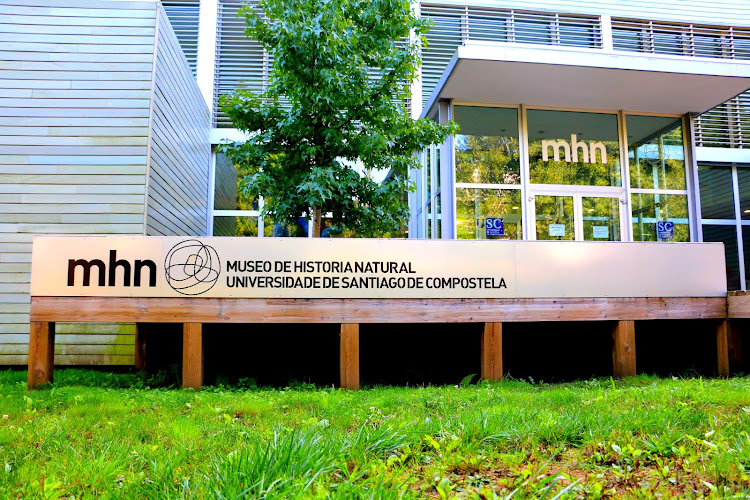
USC ~ Museo de Historia Natural
About USC ~ Museo de Historia Natural
Description
The USC ~ Museo de Historia Natural is a spot that really pulls you into the fascinating world of nature, right in the heart of Santiago de Compostela. It’s not your typical dusty museum where you just glance at stuff behind glass and move on. Nope, this place breathes life into natural history with a solid mix of mounted animal specimens, fossils, minerals, and even some taxidermy that’s surprisingly engaging. Whether you’re a hardcore nature buff or just tagging along with the kids, there’s a genuine charm here that’s hard to ignore.
What’s cool is how the museum is laid out around some pretty big concepts—think biodiversity, terrestrial and marine ecosystems, geodiversity, and soil science. It’s like taking a mini-tour through Galician forests, inland waters, and even the ocean without leaving the city. And that’s not just fancy talk; the exhibits are thoughtfully curated to show how interconnected everything is, from the tiniest insect to the vast marine life. The collections date back to the mid-19th century, so you’re also getting a glimpse into the history of natural sciences as it developed in this part of Spain.
One thing I really appreciate is how kid-friendly the museum is. It’s not just a place where the little ones get bored after five minutes. There’s an atmosphere that encourages curiosity and discovery, which is a big win for families traveling with children. Accessibility is also well taken care of, with wheelchair-friendly entrances and restrooms, making it a welcoming place for everyone. Just a heads-up though, there’s no restaurant inside, so plan your meals accordingly.
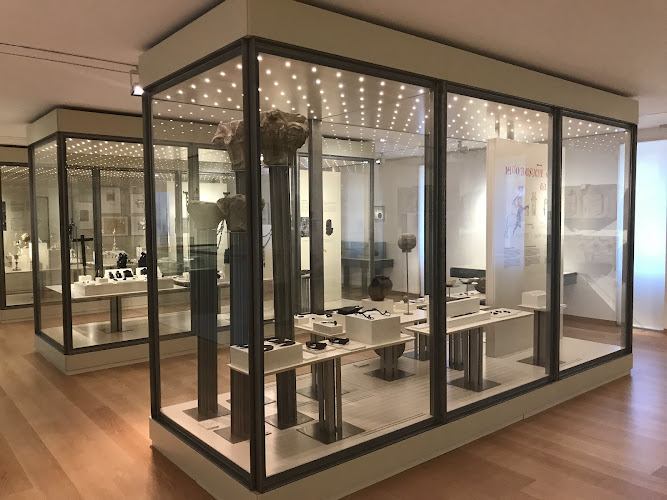
Walking through the museum, you’ll notice the care put into the displays—clean, well-organized, and informative without feeling like a textbook. It’s the kind of place where you can linger over a fossil or mineral for a bit longer than usual, or get lost in the details of a taxidermy specimen that looks almost alive. The whole experience feels like a respectful nod to nature’s complexity and beauty, without overwhelming you with jargon or too many labels.
Key Features
- Extensive collections of mounted animal specimens, fossils, and minerals offering a hands-on feel for natural history
- Exhibits focused on biodiversity, including terrestrial, marine, and soil ecosystems
- Interactive and kid-friendly displays that engage younger visitors and spark curiosity
- Wheelchair accessible entrances and restrooms, ensuring inclusivity for all visitors
- Clean, well-maintained environment that’s easy to navigate and enjoy at your own pace
- Insightful interpretation of Galician natural heritage, with a historical twist dating back to the 19th century
- No onsite restaurant, but nearby options available for a quick bite after exploring
Best Time to Visit
If you want to dodge the crowds and really soak up the exhibits without feeling rushed, weekdays during the shoulder seasons—spring and early autumn—are your best bet. The museum tends to attract families and school groups, especially on weekends and during summer holidays, so if you’re after a quieter vibe, aim for midweek visits. Plus, Galicia’s weather is pretty mild during these times, making the whole trip more pleasant.
And here’s a little insider tip: visiting right when the museum opens can give you a nice head start before it gets busy. You’ll have more space to wander and maybe even chat with the staff, who tend to be quite knowledgeable and passionate about the collections. It’s a good way to get the most out of your visit, especially if you’re someone who likes to dig a bit deeper into the stories behind the exhibits.
How to Get There
The museum is conveniently located within the Universidade de Santiago de Compostela campus, so it’s pretty easy to reach if you’re already in the city. If you’re coming from the historic center, it’s just a short bus ride or a leisurely 20-minute walk, which is a nice way to stretch your legs and take in some local sights on the way. For those driving, there are parking options nearby, but keep in mind that city parking can be a bit tricky during peak hours.
Public transportation is reliable and well-connected, making it a stress-free choice for most travelers. If you’re feeling adventurous, biking is also an option with bike lanes leading towards the university area. Just watch out for the occasional hill—Santiago’s terrain can surprise you! Overall, getting to the USC ~ Museo de Historia Natural is straightforward, whether you prefer to stroll, bike, or hop on a bus.
Tips for Visiting
First off, wear comfy shoes. You’ll want to take your time exploring the exhibits without your feet begging for mercy. Trust me, museums can be deceptively large, and this one is no exception. Also, bring a notebook or use your phone to jot down anything that catches your eye—you might want to look up more about certain species or geological formations later.
Since there’s no restaurant inside, packing a small snack or planning to eat nearby is a smart move, especially if you’re visiting with kids who might get hangry. Speaking of kids, encourage them to ask questions and interact with the displays as much as possible. The museum’s design really supports curiosity, and you might find yourself learning a thing or two alongside them.
Don’t hesitate to chat with the museum staff if you have questions or want recommendations on which exhibits to focus on. They’re usually pretty friendly and can point you toward some lesser-known gems within the collection. And if you’re into photography, check the museum’s policy beforehand—some exhibits might have restrictions, but capturing the essence of your visit can be a nice way to remember it.
Finally, take a moment to appreciate the historical context of the collections. The fact that much of it was gathered by university professors since the 1800s adds a layer of depth to the experience. It’s like walking through a timeline of scientific discovery in Galicia, with nature as the star of the show.
Key Features
- Extensive collections of mounted animal specimens, fossils, and minerals offering a hands-on feel for natural history
- Exhibits focused on biodiversity, including terrestrial, marine, and soil ecosystems
- Interactive and kid-friendly displays that engage younger visitors and spark curiosity
- Wheelchair accessible entrances and restrooms, ensuring inclusivity for all visitors
- Clean, well-maintained environment that’s easy to navigate and enjoy at your own pace
- Insightful interpretation of Galician natural heritage, with a historical twist dating back to the 19th century
- No onsite restaurant, but nearby options available for a quick bite after exploring
More Details
Updated July 17, 2025
Table of Contents
Description
The USC ~ Museo de Historia Natural is a spot that really pulls you into the fascinating world of nature, right in the heart of Santiago de Compostela. It’s not your typical dusty museum where you just glance at stuff behind glass and move on. Nope, this place breathes life into natural history with a solid mix of mounted animal specimens, fossils, minerals, and even some taxidermy that’s surprisingly engaging. Whether you’re a hardcore nature buff or just tagging along with the kids, there’s a genuine charm here that’s hard to ignore.
What’s cool is how the museum is laid out around some pretty big concepts—think biodiversity, terrestrial and marine ecosystems, geodiversity, and soil science. It’s like taking a mini-tour through Galician forests, inland waters, and even the ocean without leaving the city. And that’s not just fancy talk; the exhibits are thoughtfully curated to show how interconnected everything is, from the tiniest insect to the vast marine life. The collections date back to the mid-19th century, so you’re also getting a glimpse into the history of natural sciences as it developed in this part of Spain.
One thing I really appreciate is how kid-friendly the museum is. It’s not just a place where the little ones get bored after five minutes. There’s an atmosphere that encourages curiosity and discovery, which is a big win for families traveling with children. Accessibility is also well taken care of, with wheelchair-friendly entrances and restrooms, making it a welcoming place for everyone. Just a heads-up though, there’s no restaurant inside, so plan your meals accordingly.
Walking through the museum, you’ll notice the care put into the displays—clean, well-organized, and informative without feeling like a textbook. It’s the kind of place where you can linger over a fossil or mineral for a bit longer than usual, or get lost in the details of a taxidermy specimen that looks almost alive. The whole experience feels like a respectful nod to nature’s complexity and beauty, without overwhelming you with jargon or too many labels.
Key Features
- Extensive collections of mounted animal specimens, fossils, and minerals offering a hands-on feel for natural history
- Exhibits focused on biodiversity, including terrestrial, marine, and soil ecosystems
- Interactive and kid-friendly displays that engage younger visitors and spark curiosity
- Wheelchair accessible entrances and restrooms, ensuring inclusivity for all visitors
- Clean, well-maintained environment that’s easy to navigate and enjoy at your own pace
- Insightful interpretation of Galician natural heritage, with a historical twist dating back to the 19th century
- No onsite restaurant, but nearby options available for a quick bite after exploring
Best Time to Visit
If you want to dodge the crowds and really soak up the exhibits without feeling rushed, weekdays during the shoulder seasons—spring and early autumn—are your best bet. The museum tends to attract families and school groups, especially on weekends and during summer holidays, so if you’re after a quieter vibe, aim for midweek visits. Plus, Galicia’s weather is pretty mild during these times, making the whole trip more pleasant.
And here’s a little insider tip: visiting right when the museum opens can give you a nice head start before it gets busy. You’ll have more space to wander and maybe even chat with the staff, who tend to be quite knowledgeable and passionate about the collections. It’s a good way to get the most out of your visit, especially if you’re someone who likes to dig a bit deeper into the stories behind the exhibits.
How to Get There
The museum is conveniently located within the Universidade de Santiago de Compostela campus, so it’s pretty easy to reach if you’re already in the city. If you’re coming from the historic center, it’s just a short bus ride or a leisurely 20-minute walk, which is a nice way to stretch your legs and take in some local sights on the way. For those driving, there are parking options nearby, but keep in mind that city parking can be a bit tricky during peak hours.
Public transportation is reliable and well-connected, making it a stress-free choice for most travelers. If you’re feeling adventurous, biking is also an option with bike lanes leading towards the university area. Just watch out for the occasional hill—Santiago’s terrain can surprise you! Overall, getting to the USC ~ Museo de Historia Natural is straightforward, whether you prefer to stroll, bike, or hop on a bus.
Tips for Visiting
First off, wear comfy shoes. You’ll want to take your time exploring the exhibits without your feet begging for mercy. Trust me, museums can be deceptively large, and this one is no exception. Also, bring a notebook or use your phone to jot down anything that catches your eye—you might want to look up more about certain species or geological formations later.
Since there’s no restaurant inside, packing a small snack or planning to eat nearby is a smart move, especially if you’re visiting with kids who might get hangry. Speaking of kids, encourage them to ask questions and interact with the displays as much as possible. The museum’s design really supports curiosity, and you might find yourself learning a thing or two alongside them.
Don’t hesitate to chat with the museum staff if you have questions or want recommendations on which exhibits to focus on. They’re usually pretty friendly and can point you toward some lesser-known gems within the collection. And if you’re into photography, check the museum’s policy beforehand—some exhibits might have restrictions, but capturing the essence of your visit can be a nice way to remember it.
Finally, take a moment to appreciate the historical context of the collections. The fact that much of it was gathered by university professors since the 1800s adds a layer of depth to the experience. It’s like walking through a timeline of scientific discovery in Galicia, with nature as the star of the show.
Key Highlights
- Extensive collections of mounted animal specimens, fossils, and minerals offering a hands-on feel for natural history
- Exhibits focused on biodiversity, including terrestrial, marine, and soil ecosystems
- Interactive and kid-friendly displays that engage younger visitors and spark curiosity
- Wheelchair accessible entrances and restrooms, ensuring inclusivity for all visitors
- Clean, well-maintained environment that’s easy to navigate and enjoy at your own pace
- Insightful interpretation of Galician natural heritage, with a historical twist dating back to the 19th century
- No onsite restaurant, but nearby options available for a quick bite after exploring
Location
Places to Stay Near USC ~ Museo de Historia Natural
Find and Book a Tour
Explore More Travel Guides
No reviews found! Be the first to review!
Traveler Reviews for USC ~ Museo de Historia Natural
There are no reviews yet. Be the first one to write one.
Have you visited USC ~ Museo de Historia Natural? Help other travelers by sharing your review.
You Might Also Like

Museo Casa da Troia
Praza de Cervantes, 22
Museum of Pilgrimage
Find Accommodations Nearby
Recommended Tours & Activities
Visitor Reviews
There are no reviews yet. Be the first one to write one.
Share Your Experience
Have you visited USC ~ Museo de Historia Natural? Help other travelers by leaving a review.