

UNT Sustainable Arts Garden
About UNT Sustainable Arts Garden
Description
The UNT Sustainable Arts Garden represents something you don't stumble across every day—a unique fusion of environmental consciousness, artistic expression, and educational purpose all rolled into one peaceful corner of Denton, Texas. This isn't your grandmother's traditional garden filled with neat rows of petunias and perfectly manicured hedges. Instead, it's an evolving outdoor classroom and creative space where sustainability practices meet artistic installations in ways that actually make sense. I've always believed that the best gardens tell stories, and this one certainly has plenty to say. The space serves as a living laboratory for sustainable practices while simultaneously functioning as an inspiring backdrop for artistic endeavors. Students, faculty, and visitors can witness firsthand how environmental stewardship and creative expression don't just coexist—they enhance each other. The garden challenges conventional thinking about what green spaces should look like and how they should function within an academic setting. What makes this place genuinely interesting for travelers is its commitment to demonstrating practical sustainability in action. You're not just looking at pretty plants here. The garden showcases real-world applications of composting systems, water conservation techniques, and native plant cultivation that visitors can actually implement in their own lives. And honestly, that's refreshing in a world where "sustainability" sometimes feels like just another buzzword. The artistic component adds another dimension entirely. Throughout the garden, you'll encounter installations and projects that incorporate natural materials and respond to the environment in thoughtful ways. These aren't static sculptures plunked down without consideration—they're integrated pieces that change with the seasons and interact with the living landscape around them.Key Features
The UNT Sustainable Arts Garden offers several distinctive elements that set it apart from typical botanical gardens and public green spaces:- Full wheelchair accessibility with dedicated accessible parking and entrance points, making the garden genuinely welcoming to all visitors regardless of mobility needs
- Active composting demonstrations that show the complete cycle of organic waste transformation into nutrient-rich soil amendment
- Native plant species carefully selected for the North Texas climate, requiring minimal water and maintenance while supporting local pollinators and wildlife
- Student-created art installations that rotate throughout the year, providing fresh perspectives and new discoveries for repeat visitors
- Rainwater harvesting systems that demonstrate practical water conservation methods applicable to residential and commercial settings
- Educational signage explaining the ecological principles at work, without being overly technical or preachy
- Hands-on learning spaces where workshops and community events introduce sustainable gardening techniques to the public
- Mulching and soil health demonstrations showcasing how to build healthy growing environments from the ground up
- Pollinator gardens specifically designed to attract and support bees, butterflies, and other beneficial insects crucial to ecosystem health
- Seating areas constructed from reclaimed and sustainable materials, perfect for contemplation or sketching inspiration
Best Time to Visit
Timing your visit to the UNT Sustainable Arts Garden can significantly impact your experience, though honestly, each season offers its own rewards. Spring—particularly late March through May—brings the garden to its most photogenic state. Native wildflowers bloom in succession, pollinators buzz about their business, and the temperature sits in that perfect range where you can comfortably spend an hour or two wandering without melting into a puddle. But here's where I might disagree with conventional wisdom: don't automatically dismiss summer visits. Yes, Texas summers can be brutal—I won't sugarcoat that reality. However, early morning visits during June through August offer something special. The garden comes alive at dawn with bird activity, and you can observe how the sustainable water systems function during the challenging dry season. Just bring water, wear a hat, and plan to arrive by 8 AM before the heat becomes oppressive. Fall, specifically October and November, deserves serious consideration too. The crowds thin out, temperatures moderate, and you can see the garden's perennial plants preparing for dormancy. This seasonal transition actually teaches visitors a lot about working with natural cycles rather than against them. The artistic installations often take on different character in the autumn light as well. Winter might seem like an odd choice, but the garden maintains interest even during December through February. The structural bones of the garden become more apparent, and you can better understand the intentional design choices. Plus, evergreen native plants and winter-active wildlife provide more to observe than you'd expect. And practically speaking, you'll likely have the place mostly to yourself. Weekday mornings generally offer the most peaceful experience, particularly when school is in session and students are occupied with classes. Weekend afternoons can see more activity, especially during special events or workshops, which might be exactly what you're looking for if you prefer a more social atmosphere.How to Get There
Getting to the UNT Sustainable Arts Garden requires a bit of navigation, but it's definitely manageable for travelers unfamiliar with Denton. The garden sits on the University of North Texas campus, which means you'll need to orient yourself within the broader university environment. Don't let that intimidate you though—UNT is pretty visitor-friendly once you get your bearings. If you're driving from Dallas or Fort Worth, take Interstate 35 to Denton and follow the university district signs. Campus parking can be tricky during peak academic hours, but the garden provides accessible parking options that make things easier. Visitor parking permits are typically required during weekdays, which you can obtain at campus parking offices or through their mobile system. Weekend parking tends to be more relaxed, though it's worth checking current university policies before you go. For those relying on public transportation, the Denton County Transportation Authority operates routes that serve the UNT campus. The system isn't as extensive as what you'd find in major metropolitan areas, but it's functional if you plan ahead and check schedules. Several bus routes stop near the garden area, though you might face a short walk from the nearest stop. Rideshare services like Uber and Lyft operate in Denton and can drop you directly at the garden entrance. This option works particularly well if you're staying in downtown Denton or nearby hotels and want to avoid parking hassles altogether. Cyclists will find that UNT maintains decent bike infrastructure, with racks available near the garden. Denton has been slowly improving its cycling network, and riding to the garden can be pleasant during mild weather months.Tips for Visiting
A successful visit to the UNT Sustainable Arts Garden comes down to preparation and setting appropriate expectations. This isn't a massive destination that requires an entire day—most visitors find that one to two hours provides ample time to explore thoroughly and absorb the educational components without feeling rushed. Bring your own water bottle, especially during warmer months. While this advice might sound obvious, I've made the mistake too many times of assuming I'd find water fountains more conveniently located than they actually are. The garden's focus on sustainability means you should embrace that ethos yourself by avoiding single-use plastic bottles anyway. Photography enthusiasts should definitely bring cameras, but consider the lighting carefully. Harsh midday sun in Texas creates challenging conditions with severe shadows and blown-out highlights. Golden hour—that magical time just after sunrise or before sunset—provides much better conditions for capturing the garden's beauty and the artistic installations in their best light. Wear appropriate footwear because you'll be walking on natural surfaces and potentially uneven terrain. Those cute sandals might seem perfect for a garden visit, but closed-toe shoes with decent support will serve you better. The garden is accessible, yes, but it's still an outdoor environment with all the unpredictability that entails. Check the university calendar before planning your visit, particularly if you're coming from out of town. During major campus events, football games, or graduation ceremonies, the entire area becomes congested and parking becomes nearly impossible. Conversely, these same events might offer opportunities to experience the garden as part of a broader campus visit if that interests you. Bring a notebook or sketchbook if you're the type who likes to capture ideas. The sustainable techniques demonstrated throughout the garden offer practical inspiration that you might want to implement at home. I've found that actually writing things down helps cement those concepts better than just taking photos and hoping you'll remember later. Respect the educational nature of the space. Students and faculty use this garden for legitimate research and coursework, so avoid disturbing plantings or installations. That stunning art piece might look climbable, but it's not a jungle gym—appreciate it from appropriate distances. Consider timing your visit to coincide with scheduled workshops or events if hands-on learning appeals to you. The garden hosts various programs throughout the year covering topics from composting basics to native plant selection. These events provide deeper engagement than a self-guided visit alone, though they require advance planning and potentially registration. Bug spray might be your friend during certain seasons, particularly if mosquitoes or other insects bother you. The garden's emphasis on supporting pollinators and beneficial insects means you're sharing the space with lots of critters. Most are harmless and crucial to the ecosystem, but that doesn't mean you need to donate your blood to them. Finally, approach your visit with curiosity rather than expectations of Instagram-perfect landscapes. The UNT Sustainable Arts Garden teaches through demonstration and example rather than showiness. Its beauty lies in functionality and thoughtful design rather than flashy displays. If you're willing to slow down, observe, and actually think about what you're seeing, you'll leave with much more than just pretty pictures—you'll gain genuine insights into creating more sustainable relationships with our environment.Key Features
- Full wheelchair accessibility with dedicated accessible parking and entrance points, making the garden genuinely welcoming to all visitors regardless of mobility needs
- Active composting demonstrations that show the complete cycle of organic waste transformation into nutrient-rich soil amendment
- Native plant species carefully selected for the North Texas climate, requiring minimal water and maintenance while supporting local pollinators and wildlife
- Student-created art installations that rotate throughout the year, providing fresh perspectives and new discoveries for repeat visitors
- Rainwater harvesting systems that demonstrate practical water conservation methods applicable to residential and commercial settings
- Educational signage explaining the ecological principles at work, without being overly technical or preachy
- Hands-on learning spaces where workshops and community events introduce sustainable gardening techniques to the public
- Mulching and soil health demonstrations showcasing how to build healthy growing environments from the ground up
More Details
Updated January 17, 2026
Table of Contents
Description
The UNT Sustainable Arts Garden represents something you don’t stumble across every day—a unique fusion of environmental consciousness, artistic expression, and educational purpose all rolled into one peaceful corner of Denton, Texas. This isn’t your grandmother’s traditional garden filled with neat rows of petunias and perfectly manicured hedges. Instead, it’s an evolving outdoor classroom and creative space where sustainability practices meet artistic installations in ways that actually make sense.
I’ve always believed that the best gardens tell stories, and this one certainly has plenty to say. The space serves as a living laboratory for sustainable practices while simultaneously functioning as an inspiring backdrop for artistic endeavors. Students, faculty, and visitors can witness firsthand how environmental stewardship and creative expression don’t just coexist—they enhance each other. The garden challenges conventional thinking about what green spaces should look like and how they should function within an academic setting.
What makes this place genuinely interesting for travelers is its commitment to demonstrating practical sustainability in action. You’re not just looking at pretty plants here. The garden showcases real-world applications of composting systems, water conservation techniques, and native plant cultivation that visitors can actually implement in their own lives. And honestly, that’s refreshing in a world where “sustainability” sometimes feels like just another buzzword.
The artistic component adds another dimension entirely. Throughout the garden, you’ll encounter installations and projects that incorporate natural materials and respond to the environment in thoughtful ways. These aren’t static sculptures plunked down without consideration—they’re integrated pieces that change with the seasons and interact with the living landscape around them.
Key Features
The UNT Sustainable Arts Garden offers several distinctive elements that set it apart from typical botanical gardens and public green spaces:
- Full wheelchair accessibility with dedicated accessible parking and entrance points, making the garden genuinely welcoming to all visitors regardless of mobility needs
- Active composting demonstrations that show the complete cycle of organic waste transformation into nutrient-rich soil amendment
- Native plant species carefully selected for the North Texas climate, requiring minimal water and maintenance while supporting local pollinators and wildlife
- Student-created art installations that rotate throughout the year, providing fresh perspectives and new discoveries for repeat visitors
- Rainwater harvesting systems that demonstrate practical water conservation methods applicable to residential and commercial settings
- Educational signage explaining the ecological principles at work, without being overly technical or preachy
- Hands-on learning spaces where workshops and community events introduce sustainable gardening techniques to the public
- Mulching and soil health demonstrations showcasing how to build healthy growing environments from the ground up
- Pollinator gardens specifically designed to attract and support bees, butterflies, and other beneficial insects crucial to ecosystem health
- Seating areas constructed from reclaimed and sustainable materials, perfect for contemplation or sketching inspiration
Best Time to Visit
Timing your visit to the UNT Sustainable Arts Garden can significantly impact your experience, though honestly, each season offers its own rewards. Spring—particularly late March through May—brings the garden to its most photogenic state. Native wildflowers bloom in succession, pollinators buzz about their business, and the temperature sits in that perfect range where you can comfortably spend an hour or two wandering without melting into a puddle.
But here’s where I might disagree with conventional wisdom: don’t automatically dismiss summer visits. Yes, Texas summers can be brutal—I won’t sugarcoat that reality. However, early morning visits during June through August offer something special. The garden comes alive at dawn with bird activity, and you can observe how the sustainable water systems function during the challenging dry season. Just bring water, wear a hat, and plan to arrive by 8 AM before the heat becomes oppressive.
Fall, specifically October and November, deserves serious consideration too. The crowds thin out, temperatures moderate, and you can see the garden’s perennial plants preparing for dormancy. This seasonal transition actually teaches visitors a lot about working with natural cycles rather than against them. The artistic installations often take on different character in the autumn light as well.
Winter might seem like an odd choice, but the garden maintains interest even during December through February. The structural bones of the garden become more apparent, and you can better understand the intentional design choices. Plus, evergreen native plants and winter-active wildlife provide more to observe than you’d expect. And practically speaking, you’ll likely have the place mostly to yourself.
Weekday mornings generally offer the most peaceful experience, particularly when school is in session and students are occupied with classes. Weekend afternoons can see more activity, especially during special events or workshops, which might be exactly what you’re looking for if you prefer a more social atmosphere.
How to Get There
Getting to the UNT Sustainable Arts Garden requires a bit of navigation, but it’s definitely manageable for travelers unfamiliar with Denton. The garden sits on the University of North Texas campus, which means you’ll need to orient yourself within the broader university environment. Don’t let that intimidate you though—UNT is pretty visitor-friendly once you get your bearings.
If you’re driving from Dallas or Fort Worth, take Interstate 35 to Denton and follow the university district signs. Campus parking can be tricky during peak academic hours, but the garden provides accessible parking options that make things easier. Visitor parking permits are typically required during weekdays, which you can obtain at campus parking offices or through their mobile system. Weekend parking tends to be more relaxed, though it’s worth checking current university policies before you go.
For those relying on public transportation, the Denton County Transportation Authority operates routes that serve the UNT campus. The system isn’t as extensive as what you’d find in major metropolitan areas, but it’s functional if you plan ahead and check schedules. Several bus routes stop near the garden area, though you might face a short walk from the nearest stop.
Rideshare services like Uber and Lyft operate in Denton and can drop you directly at the garden entrance. This option works particularly well if you’re staying in downtown Denton or nearby hotels and want to avoid parking hassles altogether.
Cyclists will find that UNT maintains decent bike infrastructure, with racks available near the garden. Denton has been slowly improving its cycling network, and riding to the garden can be pleasant during mild weather months.
Tips for Visiting
A successful visit to the UNT Sustainable Arts Garden comes down to preparation and setting appropriate expectations. This isn’t a massive destination that requires an entire day—most visitors find that one to two hours provides ample time to explore thoroughly and absorb the educational components without feeling rushed.
Bring your own water bottle, especially during warmer months. While this advice might sound obvious, I’ve made the mistake too many times of assuming I’d find water fountains more conveniently located than they actually are. The garden’s focus on sustainability means you should embrace that ethos yourself by avoiding single-use plastic bottles anyway.
Photography enthusiasts should definitely bring cameras, but consider the lighting carefully. Harsh midday sun in Texas creates challenging conditions with severe shadows and blown-out highlights. Golden hour—that magical time just after sunrise or before sunset—provides much better conditions for capturing the garden’s beauty and the artistic installations in their best light.
Wear appropriate footwear because you’ll be walking on natural surfaces and potentially uneven terrain. Those cute sandals might seem perfect for a garden visit, but closed-toe shoes with decent support will serve you better. The garden is accessible, yes, but it’s still an outdoor environment with all the unpredictability that entails.
Check the university calendar before planning your visit, particularly if you’re coming from out of town. During major campus events, football games, or graduation ceremonies, the entire area becomes congested and parking becomes nearly impossible. Conversely, these same events might offer opportunities to experience the garden as part of a broader campus visit if that interests you.
Bring a notebook or sketchbook if you’re the type who likes to capture ideas. The sustainable techniques demonstrated throughout the garden offer practical inspiration that you might want to implement at home. I’ve found that actually writing things down helps cement those concepts better than just taking photos and hoping you’ll remember later.
Respect the educational nature of the space. Students and faculty use this garden for legitimate research and coursework, so avoid disturbing plantings or installations. That stunning art piece might look climbable, but it’s not a jungle gym—appreciate it from appropriate distances.
Consider timing your visit to coincide with scheduled workshops or events if hands-on learning appeals to you. The garden hosts various programs throughout the year covering topics from composting basics to native plant selection. These events provide deeper engagement than a self-guided visit alone, though they require advance planning and potentially registration.
Bug spray might be your friend during certain seasons, particularly if mosquitoes or other insects bother you. The garden’s emphasis on supporting pollinators and beneficial insects means you’re sharing the space with lots of critters. Most are harmless and crucial to the ecosystem, but that doesn’t mean you need to donate your blood to them.
Finally, approach your visit with curiosity rather than expectations of Instagram-perfect landscapes. The UNT Sustainable Arts Garden teaches through demonstration and example rather than showiness. Its beauty lies in functionality and thoughtful design rather than flashy displays. If you’re willing to slow down, observe, and actually think about what you’re seeing, you’ll leave with much more than just pretty pictures—you’ll gain genuine insights into creating more sustainable relationships with our environment.
Key Highlights
- Full wheelchair accessibility with dedicated accessible parking and entrance points, making the garden genuinely welcoming to all visitors regardless of mobility needs
- Active composting demonstrations that show the complete cycle of organic waste transformation into nutrient-rich soil amendment
- Native plant species carefully selected for the North Texas climate, requiring minimal water and maintenance while supporting local pollinators and wildlife
- Student-created art installations that rotate throughout the year, providing fresh perspectives and new discoveries for repeat visitors
- Rainwater harvesting systems that demonstrate practical water conservation methods applicable to residential and commercial settings
- Educational signage explaining the ecological principles at work, without being overly technical or preachy
- Hands-on learning spaces where workshops and community events introduce sustainable gardening techniques to the public
- Mulching and soil health demonstrations showcasing how to build healthy growing environments from the ground up
Location
Places to Stay Near UNT Sustainable Arts Garden
Find and Book a Tour
Explore More Travel Guides
No reviews found! Be the first to review!
Traveler Reviews for UNT Sustainable Arts Garden
There are no reviews yet. Be the first one to write one.
Have you visited UNT Sustainable Arts Garden? Help other travelers by sharing your review.
You Might Also Like

Denton - Historical Park
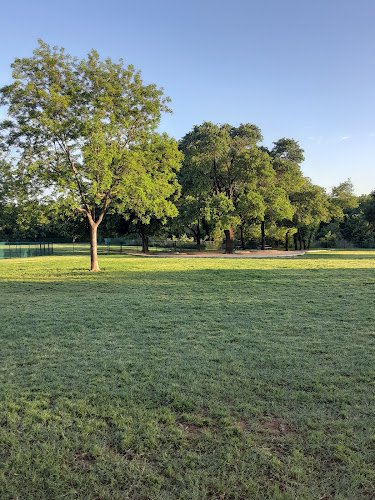
Wiggly Field Dog Park

Bayless-Selby House Museum
Find Accommodations Nearby
Recommended Tours & Activities
Visitor Reviews
There are no reviews yet. Be the first one to write one.
Share Your Experience
Have you visited UNT Sustainable Arts Garden? Help other travelers by leaving a review.