
Underwater Archaeological Park of Baia
About Underwater Archaeological Park of Baia
Description
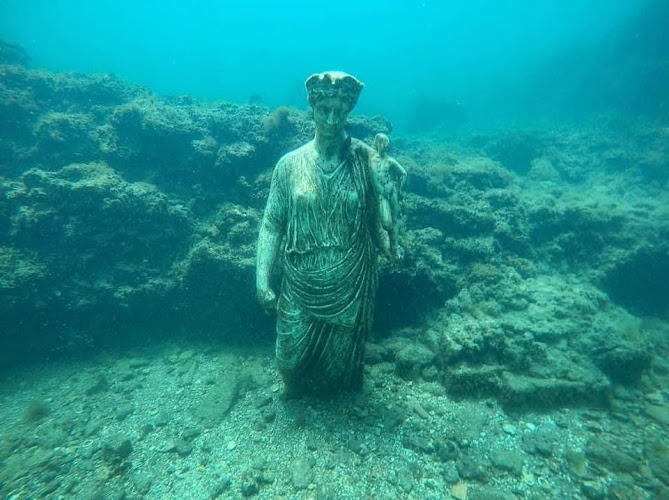
Located in the volcanic Phlegraean Fields near Naples, the Underwater Archaeological Park of Baia stands as a remarkable testament to the Roman Empire's grandeur. This submerged ancient city, often called Italy's "Atlantis," was once a luxurious resort town where wealthy Romans built lavish villas and thermal baths. Today, thanks to volcanic activity called bradyseism, much of this opulent city rests beneath the crystal-clear Mediterranean waters.
The park, established as a protected marine area in 2002, preserves an extraordinary collection of Roman architecture and artifacts. At depths ranging from 5 to 13 meters, visitors can explore mosaic floors, collapsed columns, ancient roads, and the remains of once-magnificent structures that tell tales of Roman engineering and artistry.
Key Features
- Eight distinct underwater archaeological sites perfect for both snorkeling and scuba diving
- Ancient Roman villa remains with intricate mosaic flooring
- Preserved statues and architectural elements from the 1st century BCE
- Glass-bottom boat tours for non-divers
- Original Roman road networks visible underwater
- Thermal bath complexes showcasing Roman engineering
- Professional diving guides specialized in archaeological sites
Best Time to Visit
The Mediterranean climate makes Baia accessible year-round, but the best conditions for underwater visibility occur from late spring through early fall. June through September offers the warmest water temperatures, hovering around 75°F (24°C), ideal for extended diving sessions. I'd particularly recommend visiting during May or October when tourist crowds thin out and the weather remains pleasant. Early morning dives typically provide the best visibility before afternoon winds pick up.
How to Get There
Getting to the Underwater Archaeological Park of Baia is pretty straightforward. From Naples, catch the train from Montesanto station to Fusaro - it's on the Cumana line and takes about 40 minutes. From there, it's roughly a 10-minute walk to the park entrance. If you're driving, follow the coastal road from Naples toward Pozzuoli and continue to Baia. Y'know what's cool? The journey itself offers stunning views of the Bay of Naples.
Tips for Visiting
Book your diving experience in advance - especially during peak season. Trust me, nothing's worse than showing up and finding all slots filled! For first-timers, I recommend starting with a glass-bottom boat tour to get oriented before considering a dive. Bring your diving certification if you plan to scuba dive, though snorkeling is also an amazing way to experience shallower sites.
Remember to pack water-resistant sunscreen, as the Mediterranean sun can be intense even on cloudy days. Underwater photographers should bring their gear - the visibility is usually excellent, and the sites are incredibly photogenic. And here's a pro tip: visit the on-site museum before your underwater exploration. It'll give you fantastic context about what you're about to see beneath the waves.
The park offers different tour options, from basic snorkeling to advanced diving experiences. Even if you're not a certified diver, don't worry! The snorkeling tours cover plenty of shallow sites where you can see remarkable ruins. If you're planning a dive, avoid eating a heavy meal beforehand and arrive at least 30 minutes before your scheduled time.
Lastly, bring a waterproof camera if you can - you'll kick yourself later if you don't capture these incredible underwater ruins. And don't rush through your visit; the site deserves at least half a day to fully appreciate its historical significance and natural beauty.
Key Features
- Eight distinct underwater archaeological sites perfect for both snorkeling and scuba diving
- Ancient Roman villa remains with intricate mosaic flooring
- Preserved statues and architectural elements from the 1st century BCE
- Glass-bottom boat tours for non-divers
- Original Roman road networks visible underwater
- Thermal bath complexes showcasing Roman engineering
- Professional diving guides specialized in archaeological sites
More Details
Updated May 28, 2025
Table of Contents
- Description
- Key Features
- Best Time to Visit
- How to Get There
- Tips for Visiting
- Key Highlights
- Location
- Places to Stay Near Underwater Archaeological Park of Baia
- Find and Book a Tour
- Explore More Travel Guides
- Nearby Places You Might Like
- Traveler Reviews for Underwater Archaeological Park of Baia
- Share Your Experience
Description
Located in the volcanic Phlegraean Fields near Naples, the Underwater Archaeological Park of Baia stands as a remarkable testament to the Roman Empire’s grandeur. This submerged ancient city, often called Italy’s “Atlantis,” was once a luxurious resort town where wealthy Romans built lavish villas and thermal baths. Today, thanks to volcanic activity called bradyseism, much of this opulent city rests beneath the crystal-clear Mediterranean waters.
The park, established as a protected marine area in 2002, preserves an extraordinary collection of Roman architecture and artifacts. At depths ranging from 5 to 13 meters, visitors can explore mosaic floors, collapsed columns, ancient roads, and the remains of once-magnificent structures that tell tales of Roman engineering and artistry.
Key Features
- Eight distinct underwater archaeological sites perfect for both snorkeling and scuba diving
- Ancient Roman villa remains with intricate mosaic flooring
- Preserved statues and architectural elements from the 1st century BCE
- Glass-bottom boat tours for non-divers
- Original Roman road networks visible underwater
- Thermal bath complexes showcasing Roman engineering
- Professional diving guides specialized in archaeological sites
Best Time to Visit
The Mediterranean climate makes Baia accessible year-round, but the best conditions for underwater visibility occur from late spring through early fall. June through September offers the warmest water temperatures, hovering around 75°F (24°C), ideal for extended diving sessions. I’d particularly recommend visiting during May or October when tourist crowds thin out and the weather remains pleasant. Early morning dives typically provide the best visibility before afternoon winds pick up.
How to Get There
Getting to the Underwater Archaeological Park of Baia is pretty straightforward. From Naples, catch the train from Montesanto station to Fusaro – it’s on the Cumana line and takes about 40 minutes. From there, it’s roughly a 10-minute walk to the park entrance. If you’re driving, follow the coastal road from Naples toward Pozzuoli and continue to Baia. Y’know what’s cool? The journey itself offers stunning views of the Bay of Naples.
Tips for Visiting
Book your diving experience in advance – especially during peak season. Trust me, nothing’s worse than showing up and finding all slots filled! For first-timers, I recommend starting with a glass-bottom boat tour to get oriented before considering a dive. Bring your diving certification if you plan to scuba dive, though snorkeling is also an amazing way to experience shallower sites.
Remember to pack water-resistant sunscreen, as the Mediterranean sun can be intense even on cloudy days. Underwater photographers should bring their gear – the visibility is usually excellent, and the sites are incredibly photogenic. And here’s a pro tip: visit the on-site museum before your underwater exploration. It’ll give you fantastic context about what you’re about to see beneath the waves.
The park offers different tour options, from basic snorkeling to advanced diving experiences. Even if you’re not a certified diver, don’t worry! The snorkeling tours cover plenty of shallow sites where you can see remarkable ruins. If you’re planning a dive, avoid eating a heavy meal beforehand and arrive at least 30 minutes before your scheduled time.
Lastly, bring a waterproof camera if you can – you’ll kick yourself later if you don’t capture these incredible underwater ruins. And don’t rush through your visit; the site deserves at least half a day to fully appreciate its historical significance and natural beauty.
Key Highlights
- Eight distinct underwater archaeological sites perfect for both snorkeling and scuba diving
- Ancient Roman villa remains with intricate mosaic flooring
- Preserved statues and architectural elements from the 1st century BCE
- Glass-bottom boat tours for non-divers
- Original Roman road networks visible underwater
- Thermal bath complexes showcasing Roman engineering
- Professional diving guides specialized in archaeological sites
Location
Places to Stay Near Underwater Archaeological Park of Baia
Find and Book a Tour
Explore More Travel Guides
No reviews found! Be the first to review!
Traveler Reviews for Underwater Archaeological Park of Baia
There are no reviews yet. Be the first one to write one.
Have you visited Underwater Archaeological Park of Baia? Help other travelers by sharing your review.
You Might Also Like
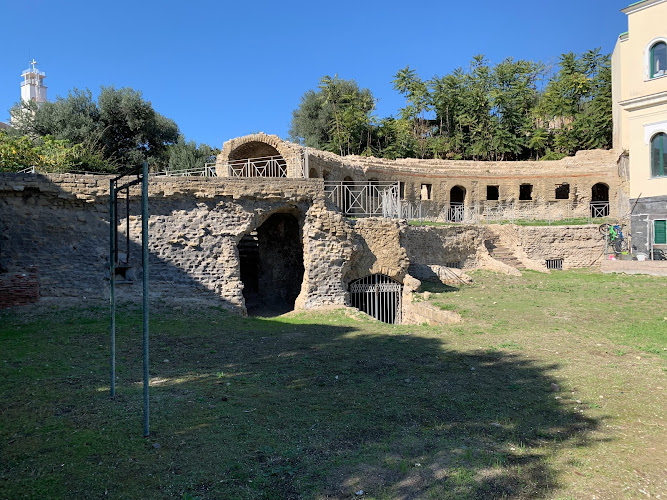
Tomb of Agrippina

Archaeological Museum of the Phlegrean Fields
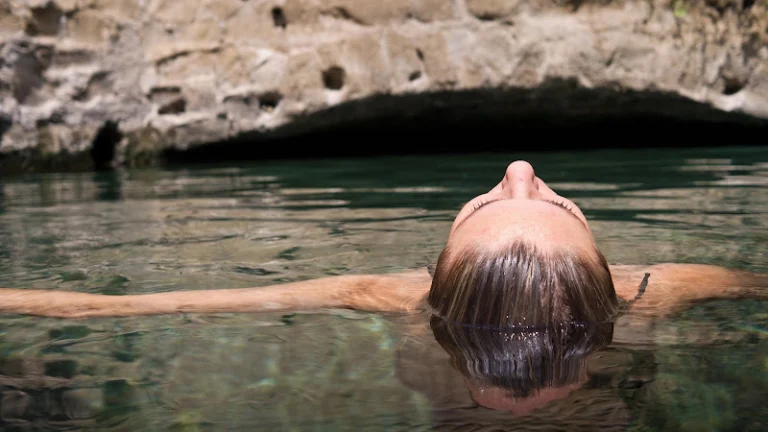
Stufe di Nerone
Find Accommodations Nearby
Recommended Tours & Activities
Visitor Reviews
There are no reviews yet. Be the first one to write one.
Share Your Experience
Have you visited Underwater Archaeological Park of Baia? Help other travelers by leaving a review.