
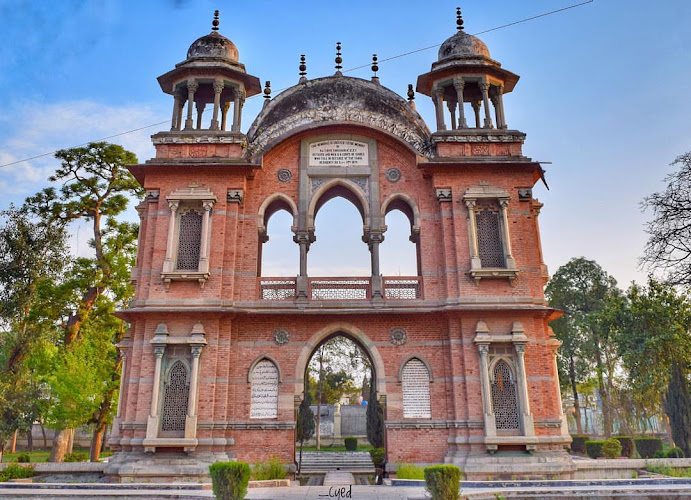
Umara Khan Monument
About Umara Khan Monument
Description
The Umara Khan Monument stands quietly yet proudly in Mardan, a place that feels like it’s holding its breath between the past and the present. It’s one of those sites that doesn’t scream for attention but somehow manages to pull you in with its quiet dignity. Dedicated to Umara Khan of Jandol—often called the “Napoleon of the Frontier” for his fierce resistance and leadership—this monument isn’t just a piece of stone; it’s a story carved into time. Every brick, every weathered surface, seems to whisper tales of courage and the complicated history of the region.
For travelers with a taste for history, this site offers more than a photo opportunity—it’s a chance to stand where legends once shaped the course of the frontier. The monument itself is modest in size but rich in meaning. It’s surrounded by a calm, open space that invites reflection, and if you visit early in the morning, you might even catch the soft golden light playing across its edges. It’s the kind of moment that makes you pause and think about how much has changed—and how much hasn’t.
I remember my first visit here—it wasn’t planned. I was on my way to Takht-i-Bahi and someone at a roadside tea stall mentioned Umara Khan’s name with such reverence that I felt compelled to stop by. Standing there, I could almost sense the weight of history in the air. And maybe that’s the charm of this place—it doesn’t need to be grand to be powerful. It’s honest, grounded, and quietly proud, much like the people of the region themselves.
Key Features
- Historical Significance: Built to honor Umara Khan, a notable Pashtun leader who played a pivotal role in the late 19th century frontier conflicts.
- Architectural Simplicity: The design reflects local craftsmanship—solid, functional, and unpretentious, yet deeply symbolic.
- Peaceful Ambience: The monument is surrounded by open land and a few trees, creating a serene environment ideal for quiet reflection.
- Family-Friendly: The area is safe and comfortable for children, making it a good educational stop for families exploring historical landmarks together.
- Cultural Insight: Offers a glimpse into the history of resistance and leadership that shaped the identity of the region.
What makes this monument stand out is not its size or grandeur, but the story it represents. It’s a reminder that sometimes history is written not by empires, but by individuals who dared to stand their ground. And if you’re the kind of traveler who enjoys peeling back the layers of a place, you’ll find plenty to think about here.
Best Time to Visit
The best time to visit the Umara Khan Monument is between October and March, when the weather in Mardan is pleasantly cool and the air feels crisp. Summers can get quite warm, and standing under the midday sun might make you wish you’d brought an extra bottle of water. Early mornings and late afternoons are ideal—there’s something special about watching the light shift across the monument’s surface, casting long shadows that seem to tell their own stories.
If you’re a photographer, those golden hours will be your best friend. And for those who enjoy peaceful moments, weekdays are usually quiet, giving you the space to wander and reflect without the usual tourist chatter. I once visited just after a light rain, and the earthy scent mixed with the cool breeze made the experience unforgettable.
How to Get There
Reaching the Umara Khan Monument is fairly straightforward if you’re already exploring the Mardan region. The city is well-connected by road, and local transport options are easy to find. You can hire a rickshaw or a local taxi from the city center—it’s a short, scenic ride through roads lined with small shops and fields that stretch out toward the horizon.
If you’re coming from Peshawar or Islamabad, a private car or tour is the most convenient option. The drive offers glimpses of rural life—farmers tending their fields, kids playing by the roadside, and the occasional herd of goats crossing lazily in front of your vehicle. It’s all part of the experience, honestly. And while the roads are generally decent, it’s always wise to check local travel conditions before setting out.
Public transport can be an adventure in itself, but if you’re the kind of traveler who enjoys mingling with locals, hop on a shared van or bus. You’ll likely end up chatting with someone who knows a few stories about Umara Khan himself—it’s these small interactions that often leave the biggest impression.
Tips for Visiting
Here are a few things I’ve learned from personal experience (and a couple of small mistakes) that might make your visit smoother:
- Go Early: Arriving in the morning not only helps you avoid the heat but also gives you the best lighting for photos.
- Bring Water and Snacks: There aren’t many shops nearby, so it’s smart to pack a few essentials.
- Respect the Site: Remember, this is a historical landmark, not just a photo stop. Treat it with the respect it deserves.
- Talk to Locals: The people in Mardan are friendly and often eager to share stories about the monument and its history. A simple conversation can add depth to your visit.
- Wear Comfortable Shoes: The ground can be uneven in places, so sturdy footwear will make your exploration easier.
- Travel with Curiosity: Don’t rush. Take your time to absorb the atmosphere—history has a way of revealing itself slowly.
One small piece of advice: bring a notebook or just jot down your thoughts on your phone while you’re there. I did that on my first visit, and reading those notes later reminded me of the subtle emotions I felt standing in front of the monument—the mix of admiration, melancholy, and pride. It’s easy to forget those details once you’re back home, but they’re what make travel meaningful.
The Umara Khan Monument may not be as famous as other landmarks in Pakistan, but that’s precisely what makes it special. It offers a rare sense of authenticity—a place where you can connect with history without the crowds or commercialization. It’s a quiet tribute to a bold leader, and a reminder of the resilience that defines this region.
So, if you ever find yourself wandering through Mardan, take a detour. Spend a little time here. Let the silence speak to you. Because sometimes, the most powerful places are the ones that don’t try too hard—they simply exist, waiting for you to listen.
Key Features
- Key Features
- Best Time to Visit
- How to Get There
- Tips for Visiting
More Details
Updated November 10, 2025
Table of Contents
Description
The Umara Khan Monument stands quietly yet proudly in Mardan, a place that feels like it’s holding its breath between the past and the present. It’s one of those sites that doesn’t scream for attention but somehow manages to pull you in with its quiet dignity. Dedicated to Umara Khan of Jandol—often called the “Napoleon of the Frontier” for his fierce resistance and leadership—this monument isn’t just a piece of stone; it’s a story carved into time. Every brick, every weathered surface, seems to whisper tales of courage and the complicated history of the region.
For travelers with a taste for history, this site offers more than a photo opportunity—it’s a chance to stand where legends once shaped the course of the frontier. The monument itself is modest in size but rich in meaning. It’s surrounded by a calm, open space that invites reflection, and if you visit early in the morning, you might even catch the soft golden light playing across its edges. It’s the kind of moment that makes you pause and think about how much has changed—and how much hasn’t.
I remember my first visit here—it wasn’t planned. I was on my way to Takht-i-Bahi and someone at a roadside tea stall mentioned Umara Khan’s name with such reverence that I felt compelled to stop by. Standing there, I could almost sense the weight of history in the air. And maybe that’s the charm of this place—it doesn’t need to be grand to be powerful. It’s honest, grounded, and quietly proud, much like the people of the region themselves.
Key Features
- Historical Significance: Built to honor Umara Khan, a notable Pashtun leader who played a pivotal role in the late 19th century frontier conflicts.
- Architectural Simplicity: The design reflects local craftsmanship—solid, functional, and unpretentious, yet deeply symbolic.
- Peaceful Ambience: The monument is surrounded by open land and a few trees, creating a serene environment ideal for quiet reflection.
- Family-Friendly: The area is safe and comfortable for children, making it a good educational stop for families exploring historical landmarks together.
- Cultural Insight: Offers a glimpse into the history of resistance and leadership that shaped the identity of the region.
What makes this monument stand out is not its size or grandeur, but the story it represents. It’s a reminder that sometimes history is written not by empires, but by individuals who dared to stand their ground. And if you’re the kind of traveler who enjoys peeling back the layers of a place, you’ll find plenty to think about here.
Best Time to Visit
The best time to visit the Umara Khan Monument is between October and March, when the weather in Mardan is pleasantly cool and the air feels crisp. Summers can get quite warm, and standing under the midday sun might make you wish you’d brought an extra bottle of water. Early mornings and late afternoons are ideal—there’s something special about watching the light shift across the monument’s surface, casting long shadows that seem to tell their own stories.
If you’re a photographer, those golden hours will be your best friend. And for those who enjoy peaceful moments, weekdays are usually quiet, giving you the space to wander and reflect without the usual tourist chatter. I once visited just after a light rain, and the earthy scent mixed with the cool breeze made the experience unforgettable.
How to Get There
Reaching the Umara Khan Monument is fairly straightforward if you’re already exploring the Mardan region. The city is well-connected by road, and local transport options are easy to find. You can hire a rickshaw or a local taxi from the city center—it’s a short, scenic ride through roads lined with small shops and fields that stretch out toward the horizon.
If you’re coming from Peshawar or Islamabad, a private car or tour is the most convenient option. The drive offers glimpses of rural life—farmers tending their fields, kids playing by the roadside, and the occasional herd of goats crossing lazily in front of your vehicle. It’s all part of the experience, honestly. And while the roads are generally decent, it’s always wise to check local travel conditions before setting out.
Public transport can be an adventure in itself, but if you’re the kind of traveler who enjoys mingling with locals, hop on a shared van or bus. You’ll likely end up chatting with someone who knows a few stories about Umara Khan himself—it’s these small interactions that often leave the biggest impression.
Tips for Visiting
Here are a few things I’ve learned from personal experience (and a couple of small mistakes) that might make your visit smoother:
- Go Early: Arriving in the morning not only helps you avoid the heat but also gives you the best lighting for photos.
- Bring Water and Snacks: There aren’t many shops nearby, so it’s smart to pack a few essentials.
- Respect the Site: Remember, this is a historical landmark, not just a photo stop. Treat it with the respect it deserves.
- Talk to Locals: The people in Mardan are friendly and often eager to share stories about the monument and its history. A simple conversation can add depth to your visit.
- Wear Comfortable Shoes: The ground can be uneven in places, so sturdy footwear will make your exploration easier.
- Travel with Curiosity: Don’t rush. Take your time to absorb the atmosphere—history has a way of revealing itself slowly.
One small piece of advice: bring a notebook or just jot down your thoughts on your phone while you’re there. I did that on my first visit, and reading those notes later reminded me of the subtle emotions I felt standing in front of the monument—the mix of admiration, melancholy, and pride. It’s easy to forget those details once you’re back home, but they’re what make travel meaningful.
The Umara Khan Monument may not be as famous as other landmarks in Pakistan, but that’s precisely what makes it special. It offers a rare sense of authenticity—a place where you can connect with history without the crowds or commercialization. It’s a quiet tribute to a bold leader, and a reminder of the resilience that defines this region.
So, if you ever find yourself wandering through Mardan, take a detour. Spend a little time here. Let the silence speak to you. Because sometimes, the most powerful places are the ones that don’t try too hard—they simply exist, waiting for you to listen.
Key Highlights
- Key Features
- Best Time to Visit
- How to Get There
- Tips for Visiting
Location
Places to Stay Near Umara Khan Monument
Find and Book a Tour
Explore More Travel Guides
No reviews found! Be the first to review!
Traveler Reviews for Umara Khan Monument
There are no reviews yet. Be the first one to write one.
Have you visited Umara Khan Monument? Help other travelers by sharing your review.
You Might Also Like

Shiekh Maltoon Park
Pir Abdul Sattar Bacha Park

Green Belt Sheikh Maltoon Town
Find Accommodations Nearby
Recommended Tours & Activities
Visitor Reviews
There are no reviews yet. Be the first one to write one.
Share Your Experience
Have you visited Umara Khan Monument? Help other travelers by leaving a review.