
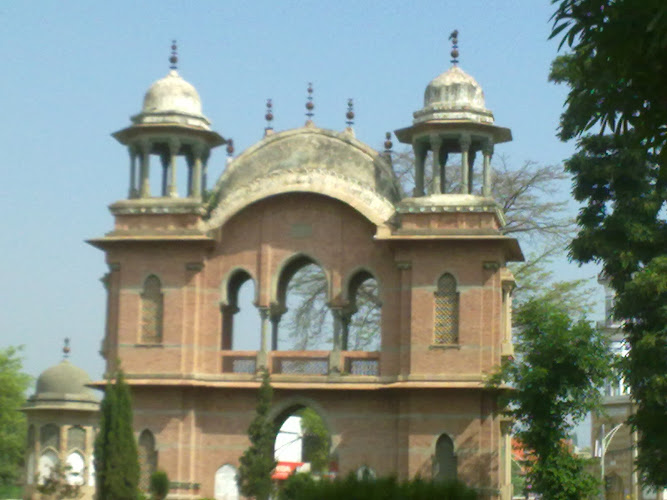
Mardan
About Mardan
Description
Mardan, tucked within the scenic Peshawar Valley of Pakistan’s Khyber Pakhtunkhwa province, carries a quiet yet undeniable charm that draws in travelers who crave authenticity over gloss. It’s the kind of place that doesn’t try too hard to impress you—it just is. The second-largest city in the province, Mardan has grown rapidly over the past few decades, transforming from a modest settlement into a lively urban hub that still manages to hold onto its cultural roots. When you walk through its streets, you can feel the pulse of local life—bustling markets, the aroma of freshly baked naan, and the chatter of people who always seem to have time for a friendly conversation.
What sets Mardan apart isn’t just its size or pace of growth—it’s the way history and modern life blend so naturally. The city sits close to the ancient archaeological site of Takht-i-Bahi, a UNESCO World Heritage Site that dates back to the early Buddhist period. That alone makes it a magnet for history buffs and curious wanderers. But beyond that, Mardan’s appeal lies in its everyday simplicity—the kind that feels both grounding and refreshing. You won’t find flashy tourist traps here; instead, you’ll find genuine hospitality, flavorful local cuisine, and a sense of connection that’s becoming rare in larger cities.
I remember my first visit to Mardan years ago—it wasn’t planned, just a spontaneous detour during a road trip. I stopped at a small roadside tea stall, and within minutes, the owner had shared stories about his family, the city’s history, and even offered to show me around. That’s Mardan for you—open, warm, and quietly proud of its heritage. The city’s people are its heartbeat, and their deep sense of community is something that stays with you long after you’ve left.
Key Features
- Historical Significance: Close proximity to the ancient Buddhist ruins of Takht-i-Bahi and Jamal Garhi makes Mardan a treasure for history enthusiasts.
- Cultural Diversity: The city reflects a beautiful mix of Pashtun traditions and modern influences, offering a unique cultural experience.
- Local Cuisine: From Chapli kebabs to fresh tandoori bread, the food scene here is hearty, flavorful, and deeply rooted in regional tastes.
- Handicrafts and Bazaars: Traditional markets brim with handmade items, embroidered fabrics, and local pottery—perfect for those who love authentic souvenirs.
- Community Spirit: The locals’ hospitality is legendary; visitors often find themselves invited into homes for tea or meals.
- Accessibility: Well-connected by road and public transport, Mardan is easy to reach from major cities like Peshawar and Islamabad.
Best Time to Visit
The best time to visit Mardan depends on what you’re after. If you prefer mild weather and clear skies, plan your trip between October and March. The winter months bring a crisp freshness to the air, making it perfect for exploring historical sites and wandering through the bazaars without breaking a sweat. Summers, on the other hand, can get quite warm—temperatures often climb above 35°C—but that’s also when the city feels most alive. Festivals, open-air markets, and late-night gatherings give the place a unique energy. Personally, I love visiting in early spring when the fields around the city turn lush green—it’s just the right mix of pleasant weather and local activity.
During Ramadan and Eid, Mardan transforms. Streets light up, food stalls stay open late, and there’s a sense of togetherness that’s hard to describe. If you’re comfortable with crowds and want to experience the city’s culture at its most vibrant, that’s the time to go. But if you prefer a quieter, more reflective trip, the post-monsoon months are ideal. The air feels cleaner, and the surrounding countryside looks almost painted.
How to Get There
Reaching Mardan is fairly straightforward, whether you’re coming from within Pakistan or traveling from abroad. The nearest major airport is in Peshawar, roughly an hour’s drive away. From there, you can catch a local bus, hire a taxi, or even rent a car if you like the freedom of exploring at your own pace. The motorway connecting Islamabad to Peshawar makes the journey smooth and scenic. If you’re driving from Islamabad, it’ll take around two and a half hours—a pleasant trip through rolling fields and small towns that give you a glimpse of rural life in Khyber Pakhtunkhwa.
Public transport options are plentiful. Buses and vans run regularly between Mardan and nearby cities, and they’re quite affordable. Just be prepared for a bit of crowding, especially during holidays. For a more comfortable ride, private car services are available too. Once in Mardan, getting around is easy—rickshaws and taxis are everywhere, and locals are usually happy to help if you’re unsure of directions. I once got lost trying to find a small pottery workshop outside the city, and a rickshaw driver not only guided me there but waited while I toured the place. That’s the kind of kindness you’ll often encounter here.
Tips for Visiting
Traveling to Mardan can be a deeply rewarding experience if you go with an open mind and a little curiosity. Here are a few tips to help you make the most of your visit:
- Respect Local Customs: Mardan is a conservative city, so modest clothing is appreciated. A little cultural sensitivity goes a long way in making genuine connections.
- Learn a Few Pashto Phrases: Even a simple “thank you” or “how are you” in Pashto can earn you smiles and friendly conversations.
- Cash Over Cards: While larger shops may accept cards, most local businesses still prefer cash. Keep small denominations handy for tea stalls and markets.
- Stay Hydrated: The climate can get dry, especially in summer. Carry a water bottle and take breaks when exploring outdoor sites.
- Explore Beyond the City: Don’t just stick to the main streets. The countryside around Mardan is full of surprises—small villages, ancient ruins, and peaceful farmland.
- Try Local Food: Skip the fancy restaurants and eat where the locals do. The kebabs here are smoky and rich, and the sweet shops are irresistible.
- Photography Etiquette: Always ask before taking photos of people, especially women. Locals are generally friendly but appreciate respect for privacy.
- Early Mornings Are Magical: If you’re an early riser, take a walk around the city at dawn. The call to prayer echoes softly, and the air feels cool and calm before the bustle begins.
One small piece of advice from personal experience—don’t rush through Mardan. It’s not the kind of place that reveals itself quickly. Take time to sit in a park, talk to a shopkeeper, or just watch the world go by. The city’s rhythm is unhurried, and that’s part of its charm. You might even find yourself rethinking what travel really means. It’s not always about ticking off landmarks; sometimes it’s about finding beauty in the ordinary.
So, if you’re planning your next adventure through northern Pakistan, consider spending a few days in Mardan. It’s a city that might not shout for attention, but it leaves an impression that lingers—a blend of history, humanity, and quiet pride that feels refreshingly real in a world that often moves too fast.
Key Features
- Key Features
- Best Time to Visit
- How to Get There
- Tips for Visiting
More Details
Updated November 9, 2025
Table of Contents
Description
Mardan, tucked within the scenic Peshawar Valley of Pakistan’s Khyber Pakhtunkhwa province, carries a quiet yet undeniable charm that draws in travelers who crave authenticity over gloss. It’s the kind of place that doesn’t try too hard to impress you—it just is. The second-largest city in the province, Mardan has grown rapidly over the past few decades, transforming from a modest settlement into a lively urban hub that still manages to hold onto its cultural roots. When you walk through its streets, you can feel the pulse of local life—bustling markets, the aroma of freshly baked naan, and the chatter of people who always seem to have time for a friendly conversation.
What sets Mardan apart isn’t just its size or pace of growth—it’s the way history and modern life blend so naturally. The city sits close to the ancient archaeological site of Takht-i-Bahi, a UNESCO World Heritage Site that dates back to the early Buddhist period. That alone makes it a magnet for history buffs and curious wanderers. But beyond that, Mardan’s appeal lies in its everyday simplicity—the kind that feels both grounding and refreshing. You won’t find flashy tourist traps here; instead, you’ll find genuine hospitality, flavorful local cuisine, and a sense of connection that’s becoming rare in larger cities.
I remember my first visit to Mardan years ago—it wasn’t planned, just a spontaneous detour during a road trip. I stopped at a small roadside tea stall, and within minutes, the owner had shared stories about his family, the city’s history, and even offered to show me around. That’s Mardan for you—open, warm, and quietly proud of its heritage. The city’s people are its heartbeat, and their deep sense of community is something that stays with you long after you’ve left.
Key Features
- Historical Significance: Close proximity to the ancient Buddhist ruins of Takht-i-Bahi and Jamal Garhi makes Mardan a treasure for history enthusiasts.
- Cultural Diversity: The city reflects a beautiful mix of Pashtun traditions and modern influences, offering a unique cultural experience.
- Local Cuisine: From Chapli kebabs to fresh tandoori bread, the food scene here is hearty, flavorful, and deeply rooted in regional tastes.
- Handicrafts and Bazaars: Traditional markets brim with handmade items, embroidered fabrics, and local pottery—perfect for those who love authentic souvenirs.
- Community Spirit: The locals’ hospitality is legendary; visitors often find themselves invited into homes for tea or meals.
- Accessibility: Well-connected by road and public transport, Mardan is easy to reach from major cities like Peshawar and Islamabad.
Best Time to Visit
The best time to visit Mardan depends on what you’re after. If you prefer mild weather and clear skies, plan your trip between October and March. The winter months bring a crisp freshness to the air, making it perfect for exploring historical sites and wandering through the bazaars without breaking a sweat. Summers, on the other hand, can get quite warm—temperatures often climb above 35°C—but that’s also when the city feels most alive. Festivals, open-air markets, and late-night gatherings give the place a unique energy. Personally, I love visiting in early spring when the fields around the city turn lush green—it’s just the right mix of pleasant weather and local activity.
During Ramadan and Eid, Mardan transforms. Streets light up, food stalls stay open late, and there’s a sense of togetherness that’s hard to describe. If you’re comfortable with crowds and want to experience the city’s culture at its most vibrant, that’s the time to go. But if you prefer a quieter, more reflective trip, the post-monsoon months are ideal. The air feels cleaner, and the surrounding countryside looks almost painted.
How to Get There
Reaching Mardan is fairly straightforward, whether you’re coming from within Pakistan or traveling from abroad. The nearest major airport is in Peshawar, roughly an hour’s drive away. From there, you can catch a local bus, hire a taxi, or even rent a car if you like the freedom of exploring at your own pace. The motorway connecting Islamabad to Peshawar makes the journey smooth and scenic. If you’re driving from Islamabad, it’ll take around two and a half hours—a pleasant trip through rolling fields and small towns that give you a glimpse of rural life in Khyber Pakhtunkhwa.
Public transport options are plentiful. Buses and vans run regularly between Mardan and nearby cities, and they’re quite affordable. Just be prepared for a bit of crowding, especially during holidays. For a more comfortable ride, private car services are available too. Once in Mardan, getting around is easy—rickshaws and taxis are everywhere, and locals are usually happy to help if you’re unsure of directions. I once got lost trying to find a small pottery workshop outside the city, and a rickshaw driver not only guided me there but waited while I toured the place. That’s the kind of kindness you’ll often encounter here.
Tips for Visiting
Traveling to Mardan can be a deeply rewarding experience if you go with an open mind and a little curiosity. Here are a few tips to help you make the most of your visit:
- Respect Local Customs: Mardan is a conservative city, so modest clothing is appreciated. A little cultural sensitivity goes a long way in making genuine connections.
- Learn a Few Pashto Phrases: Even a simple “thank you” or “how are you” in Pashto can earn you smiles and friendly conversations.
- Cash Over Cards: While larger shops may accept cards, most local businesses still prefer cash. Keep small denominations handy for tea stalls and markets.
- Stay Hydrated: The climate can get dry, especially in summer. Carry a water bottle and take breaks when exploring outdoor sites.
- Explore Beyond the City: Don’t just stick to the main streets. The countryside around Mardan is full of surprises—small villages, ancient ruins, and peaceful farmland.
- Try Local Food: Skip the fancy restaurants and eat where the locals do. The kebabs here are smoky and rich, and the sweet shops are irresistible.
- Photography Etiquette: Always ask before taking photos of people, especially women. Locals are generally friendly but appreciate respect for privacy.
- Early Mornings Are Magical: If you’re an early riser, take a walk around the city at dawn. The call to prayer echoes softly, and the air feels cool and calm before the bustle begins.
One small piece of advice from personal experience—don’t rush through Mardan. It’s not the kind of place that reveals itself quickly. Take time to sit in a park, talk to a shopkeeper, or just watch the world go by. The city’s rhythm is unhurried, and that’s part of its charm. You might even find yourself rethinking what travel really means. It’s not always about ticking off landmarks; sometimes it’s about finding beauty in the ordinary.
So, if you’re planning your next adventure through northern Pakistan, consider spending a few days in Mardan. It’s a city that might not shout for attention, but it leaves an impression that lingers—a blend of history, humanity, and quiet pride that feels refreshingly real in a world that often moves too fast.
Key Highlights
- Key Features
- Best Time to Visit
- How to Get There
- Tips for Visiting
Location
Places to Stay Near Mardan
Find and Book a Tour
Explore More Travel Guides
No reviews found! Be the first to review!
Traveler Reviews for Mardan
There are no reviews yet. Be the first one to write one.
Have you visited Mardan? Help other travelers by sharing your review.
You Might Also Like
Mohabat Abad Garden

Ghareeb Abbad Number 2 Mardan KPK
Pir Abdul Sattar Bacha Park
Find Accommodations Nearby
Recommended Tours & Activities
Visitor Reviews
There are no reviews yet. Be the first one to write one.
Share Your Experience
Have you visited Mardan? Help other travelers by leaving a review.