

Ujjayanta Palace
About Ujjayanta Palace
Description
Ujjayanta Palace stands as one of Tripura's most magnificent architectural achievements, and honestly, when you first catch sight of that massive central dome rising against the sky, it's hard not to feel a little awestruck. Built in 1901, this early-20th-century mansion represents a fascinating blend of Mughal and European architectural styles that somehow works beautifully together. The palace served as the royal residence of the Manikya Dynasty rulers until 1947, and walking through its corridors today, you can still feel that regal atmosphere lingering in the air. The building itself sprawls across a substantial area with that distinctive white facade that seems to glow in the afternoon sun. And the name? Ujjayanta translates to "victory palace," which feels appropriate given how it dominates the landscape around Agartala. What really got me thinking during my research was how this structure witnessed so much of Tripura's modern history unfold within its walls – royal ceremonies, political transitions, and eventually its transformation into what's now the Tripura State Museum. The lakefront gardens surrounding the palace deserve their own mention because they're not just an afterthought. These manicured grounds with their reflective pools and carefully maintained landscaping create this sense of tranquility that modern visitors find refreshing. It's become more than just a historical monument; it's a living space where locals come for evening walks and families spend their weekends.Key Features
The palace museum houses collections that tell Tripura's story through different lenses, and visitors consistently praise several standout features:- The central dome architecture reaches impressive heights and creates an interior space that's genuinely breathtaking when you stand directly beneath it
- Twenty-three galleries spread throughout the building showcase everything from archaeological finds to tribal artifacts, royal regalia, and cultural exhibits
- Traditional handicrafts and handloom displays give you real insight into the region's artistic heritage, which isn't something you'd easily find elsewhere
- The palace gardens feature ornamental pools and fountains that provide picture-perfect moments, especially during golden hour
- Live cultural performances happen regularly on the premises, offering authentic glimpses into Tripura's performing arts traditions
- Stone sculptures and inscriptions dating back centuries are preserved here, some with fascinating stories attached to them
- The palace throne room maintains its original grandeur, letting visitors imagine the royal court sessions that once took place there
- Wheelchair accessibility throughout the building and grounds makes it genuinely inclusive for visitors with mobility challenges
- Photo opportunities are abundant, both inside the museum halls and throughout the exterior grounds
- Free parking facilities remove that annoying stress of finding a spot in busy Agartala
Best Time to Visit
Timing your visit to Ujjayanta Palace matters more than you might initially think. The palace is open year-round, but your experience will vary dramatically depending on when you show up. October through March represents the sweet spot for most travelers. During these months, temperatures in Agartala stay comfortable – usually between 10 to 25 degrees Celsius – making it actually pleasant to explore the gardens and walk through the palace's vast halls without feeling like you're melting. I've heard from several visitors that those winter mornings around the palace grounds feel almost magical, with light mist hovering over the ornamental ponds. But here's something most travel guides won't tell you: visiting during Durga Puja or other local festivals adds an entirely different dimension to the experience. The palace area becomes part of the city's celebration, and while it gets crowded, you'll witness how living culture connects to this historical monument. The palace sometimes hosts special exhibitions or performances during festival periods that regular visitors miss. Summer months from April to June? They're brutal, honestly. Temperatures can soar above 35 degrees Celsius with humidity that makes everything feel sticky and uncomfortable. Unless you have no choice, I'd suggest avoiding this period. The monsoon season from July to September brings its own challenges – heavy rainfall can disrupt travel plans, though the gardens do look absolutely lush during this time if you don't mind dodging puddles. Weekdays see fewer crowds than weekends, which is worth considering if you prefer a more contemplative museum experience. Early mornings right after opening provide the best lighting for photography and give you those peaceful moments before tour groups arrive. Late afternoons work well too, particularly in winter when the sunset casts warm tones across the white palace walls.How to Get There
Getting to Ujjayanta Palace isn't complicated, which is refreshing when you're traveling in Northeast India where some destinations require serious logistical planning. The palace sits in the heart of Agartala city, which makes accessibility straightforward once you reach the capital. Agartala's Maharaja Bir Bikram Airport connects to major Indian cities including Kolkata, Guwahati, Delhi, and Bangalore through regular flights. From the airport, the palace is roughly 12 kilometers away – a journey that takes about 30 minutes depending on traffic conditions. Auto-rickshaws and taxis are readily available, and most drivers know the palace without needing detailed directions. If you're arriving by train, Agartala Railway Station links to other northeastern cities and beyond. The station lies approximately 5 kilometers from the palace, making it an even shorter commute. Again, local auto-rickshaws, cycle-rickshaws, and app-based cab services operate regularly on this route. Long-distance buses connect Agartala with neighboring states, and the main bus terminal isn't far from the palace area either. The palace's central location means you're never really that far away once you're in the city. Within Agartala itself, you have multiple transportation options. Auto-rickshaws are probably the most common choice for tourists – they're affordable and everywhere. Just make sure to settle on a fare before starting your journey to avoid confusion later. App-based services like Ola operate in Agartala too, which some travelers prefer for the convenience of fixed pricing. And if you're staying somewhere central, honestly, walking to the palace can be pleasant during cooler months. The palace offers free parking in a designated lot, which is surprisingly generous. Street parking around the area is also available at no cost. This makes visiting by rental car or scooter quite practical if you're exploring multiple sites around Agartala during your trip.Tips for Visiting
Planning ahead makes any museum visit better, and Ujjayanta Palace has its own quirks worth knowing about before you arrive. The palace typically opens around 10 AM and closes by 5 PM, though these timings can shift slightly, so verifying current hours before heading out saves potential disappointment. The building closes on Mondays for maintenance, which catches some visitors off guard. Entry fees remain modest – usually around 20 rupees for Indian nationals and slightly higher for international visitors, making it incredibly budget-friendly compared to similar attractions elsewhere. Photography is generally permitted in most areas, but certain galleries may restrict camera use to protect sensitive artifacts. When in doubt, ask the staff rather than assuming. And while we're on the subject of staff, they're usually helpful if you approach them with genuine questions about exhibits. Some speak English reasonably well, though having a translation app handy doesn't hurt. Dress modestly and wear comfortable walking shoes because you'll cover considerable ground exploring all twenty-three galleries. The palace has restroom facilities, which is worth noting since you might spend several hours here. Unfortunately there's no restaurant on the premises, so either eat before arriving or plan to leave for lunch if you're visiting during meal times. The museum provides onsite services including guided tours, which I'd actually recommend if you want deeper context about what you're seeing. The displays have informational plaques, but guides share stories and details that bring the exhibits to life in ways written descriptions can't match. If you're traveling with children, the palace generally works well for families. The open spaces let kids move around without feeling too constrained, and the variety of exhibits keeps different age groups engaged. That said, the museum atmosphere does require some level of respect and quiet behavior, so extremely young children might get restless. Google Pay is accepted for entry fees, reflecting how digital payments have become standard even at historical sites. Still, carrying some cash never hurts for potential purchases from vendors outside the palace grounds. The best strategy involves starting your visit with the galleries that interest you most, since museum fatigue is real and your attention span naturally decreases after a couple hours. Take breaks in the gardens when you need them – those spaces exist for resting and reflection, not just photos. Don't rush through. So many visitors try cramming the palace into an hour, then wonder why they didn't connect with the place. Give yourself at least two to three hours to properly appreciate both the museum collections and the architectural beauty of the building itself. The palace rewards slow, attentive exploration rather than hurried box-checking. Finally, check whether any special exhibitions or cultural performances are scheduled during your visit. These events happen regularly but not daily, and experiencing traditional music or dance in the palace setting adds memorable dimension to what might otherwise be a standard museum visit.Key Features
- The central dome architecture reaches impressive heights and creates an interior space that's genuinely breathtaking when you stand directly beneath it
- Twenty-three galleries spread throughout the building showcase everything from archaeological finds to tribal artifacts, royal regalia, and cultural exhibits
- Traditional handicrafts and handloom displays give you real insight into the region's artistic heritage, which isn't something you'd easily find elsewhere
- The palace gardens feature ornamental pools and fountains that provide picture-perfect moments, especially during golden hour
- Live cultural performances happen regularly on the premises, offering authentic glimpses into Tripura's performing arts traditions
- Stone sculptures and inscriptions dating back centuries are preserved here, some with fascinating stories attached to them
- The palace throne room maintains its original grandeur, letting visitors imagine the royal court sessions that once took place there
- Wheelchair accessibility throughout the building and grounds makes it genuinely inclusive for visitors with mobility challenges
More Details
Updated March 30, 2026
Table of Contents
Description
Ujjayanta Palace stands as one of Tripura’s most magnificent architectural achievements, and honestly, when you first catch sight of that massive central dome rising against the sky, it’s hard not to feel a little awestruck. Built in 1901, this early-20th-century mansion represents a fascinating blend of Mughal and European architectural styles that somehow works beautifully together. The palace served as the royal residence of the Manikya Dynasty rulers until 1947, and walking through its corridors today, you can still feel that regal atmosphere lingering in the air.
The building itself sprawls across a substantial area with that distinctive white facade that seems to glow in the afternoon sun. And the name? Ujjayanta translates to “victory palace,” which feels appropriate given how it dominates the landscape around Agartala. What really got me thinking during my research was how this structure witnessed so much of Tripura’s modern history unfold within its walls – royal ceremonies, political transitions, and eventually its transformation into what’s now the Tripura State Museum.
The lakefront gardens surrounding the palace deserve their own mention because they’re not just an afterthought. These manicured grounds with their reflective pools and carefully maintained landscaping create this sense of tranquility that modern visitors find refreshing. It’s become more than just a historical monument; it’s a living space where locals come for evening walks and families spend their weekends.
Key Features
The palace museum houses collections that tell Tripura’s story through different lenses, and visitors consistently praise several standout features:
- The central dome architecture reaches impressive heights and creates an interior space that’s genuinely breathtaking when you stand directly beneath it
- Twenty-three galleries spread throughout the building showcase everything from archaeological finds to tribal artifacts, royal regalia, and cultural exhibits
- Traditional handicrafts and handloom displays give you real insight into the region’s artistic heritage, which isn’t something you’d easily find elsewhere
- The palace gardens feature ornamental pools and fountains that provide picture-perfect moments, especially during golden hour
- Live cultural performances happen regularly on the premises, offering authentic glimpses into Tripura’s performing arts traditions
- Stone sculptures and inscriptions dating back centuries are preserved here, some with fascinating stories attached to them
- The palace throne room maintains its original grandeur, letting visitors imagine the royal court sessions that once took place there
- Wheelchair accessibility throughout the building and grounds makes it genuinely inclusive for visitors with mobility challenges
- Photo opportunities are abundant, both inside the museum halls and throughout the exterior grounds
- Free parking facilities remove that annoying stress of finding a spot in busy Agartala
Best Time to Visit
Timing your visit to Ujjayanta Palace matters more than you might initially think. The palace is open year-round, but your experience will vary dramatically depending on when you show up.
October through March represents the sweet spot for most travelers. During these months, temperatures in Agartala stay comfortable – usually between 10 to 25 degrees Celsius – making it actually pleasant to explore the gardens and walk through the palace’s vast halls without feeling like you’re melting. I’ve heard from several visitors that those winter mornings around the palace grounds feel almost magical, with light mist hovering over the ornamental ponds.
But here’s something most travel guides won’t tell you: visiting during Durga Puja or other local festivals adds an entirely different dimension to the experience. The palace area becomes part of the city’s celebration, and while it gets crowded, you’ll witness how living culture connects to this historical monument. The palace sometimes hosts special exhibitions or performances during festival periods that regular visitors miss.
Summer months from April to June? They’re brutal, honestly. Temperatures can soar above 35 degrees Celsius with humidity that makes everything feel sticky and uncomfortable. Unless you have no choice, I’d suggest avoiding this period. The monsoon season from July to September brings its own challenges – heavy rainfall can disrupt travel plans, though the gardens do look absolutely lush during this time if you don’t mind dodging puddles.
Weekdays see fewer crowds than weekends, which is worth considering if you prefer a more contemplative museum experience. Early mornings right after opening provide the best lighting for photography and give you those peaceful moments before tour groups arrive. Late afternoons work well too, particularly in winter when the sunset casts warm tones across the white palace walls.
How to Get There
Getting to Ujjayanta Palace isn’t complicated, which is refreshing when you’re traveling in Northeast India where some destinations require serious logistical planning.
The palace sits in the heart of Agartala city, which makes accessibility straightforward once you reach the capital. Agartala’s Maharaja Bir Bikram Airport connects to major Indian cities including Kolkata, Guwahati, Delhi, and Bangalore through regular flights. From the airport, the palace is roughly 12 kilometers away – a journey that takes about 30 minutes depending on traffic conditions. Auto-rickshaws and taxis are readily available, and most drivers know the palace without needing detailed directions.
If you’re arriving by train, Agartala Railway Station links to other northeastern cities and beyond. The station lies approximately 5 kilometers from the palace, making it an even shorter commute. Again, local auto-rickshaws, cycle-rickshaws, and app-based cab services operate regularly on this route.
Long-distance buses connect Agartala with neighboring states, and the main bus terminal isn’t far from the palace area either. The palace’s central location means you’re never really that far away once you’re in the city.
Within Agartala itself, you have multiple transportation options. Auto-rickshaws are probably the most common choice for tourists – they’re affordable and everywhere. Just make sure to settle on a fare before starting your journey to avoid confusion later. App-based services like Ola operate in Agartala too, which some travelers prefer for the convenience of fixed pricing. And if you’re staying somewhere central, honestly, walking to the palace can be pleasant during cooler months.
The palace offers free parking in a designated lot, which is surprisingly generous. Street parking around the area is also available at no cost. This makes visiting by rental car or scooter quite practical if you’re exploring multiple sites around Agartala during your trip.
Tips for Visiting
Planning ahead makes any museum visit better, and Ujjayanta Palace has its own quirks worth knowing about before you arrive.
The palace typically opens around 10 AM and closes by 5 PM, though these timings can shift slightly, so verifying current hours before heading out saves potential disappointment. The building closes on Mondays for maintenance, which catches some visitors off guard. Entry fees remain modest – usually around 20 rupees for Indian nationals and slightly higher for international visitors, making it incredibly budget-friendly compared to similar attractions elsewhere.
Photography is generally permitted in most areas, but certain galleries may restrict camera use to protect sensitive artifacts. When in doubt, ask the staff rather than assuming. And while we’re on the subject of staff, they’re usually helpful if you approach them with genuine questions about exhibits. Some speak English reasonably well, though having a translation app handy doesn’t hurt.
Dress modestly and wear comfortable walking shoes because you’ll cover considerable ground exploring all twenty-three galleries. The palace has restroom facilities, which is worth noting since you might spend several hours here. Unfortunately there’s no restaurant on the premises, so either eat before arriving or plan to leave for lunch if you’re visiting during meal times.
The museum provides onsite services including guided tours, which I’d actually recommend if you want deeper context about what you’re seeing. The displays have informational plaques, but guides share stories and details that bring the exhibits to life in ways written descriptions can’t match.
If you’re traveling with children, the palace generally works well for families. The open spaces let kids move around without feeling too constrained, and the variety of exhibits keeps different age groups engaged. That said, the museum atmosphere does require some level of respect and quiet behavior, so extremely young children might get restless.
Google Pay is accepted for entry fees, reflecting how digital payments have become standard even at historical sites. Still, carrying some cash never hurts for potential purchases from vendors outside the palace grounds.
The best strategy involves starting your visit with the galleries that interest you most, since museum fatigue is real and your attention span naturally decreases after a couple hours. Take breaks in the gardens when you need them – those spaces exist for resting and reflection, not just photos.
Don’t rush through. So many visitors try cramming the palace into an hour, then wonder why they didn’t connect with the place. Give yourself at least two to three hours to properly appreciate both the museum collections and the architectural beauty of the building itself. The palace rewards slow, attentive exploration rather than hurried box-checking.
Finally, check whether any special exhibitions or cultural performances are scheduled during your visit. These events happen regularly but not daily, and experiencing traditional music or dance in the palace setting adds memorable dimension to what might otherwise be a standard museum visit.
Key Highlights
- The central dome architecture reaches impressive heights and creates an interior space that's genuinely breathtaking when you stand directly beneath it
- Twenty-three galleries spread throughout the building showcase everything from archaeological finds to tribal artifacts, royal regalia, and cultural exhibits
- Traditional handicrafts and handloom displays give you real insight into the region's artistic heritage, which isn't something you'd easily find elsewhere
- The palace gardens feature ornamental pools and fountains that provide picture-perfect moments, especially during golden hour
- Live cultural performances happen regularly on the premises, offering authentic glimpses into Tripura's performing arts traditions
- Stone sculptures and inscriptions dating back centuries are preserved here, some with fascinating stories attached to them
- The palace throne room maintains its original grandeur, letting visitors imagine the royal court sessions that once took place there
- Wheelchair accessibility throughout the building and grounds makes it genuinely inclusive for visitors with mobility challenges
Location
Places to Stay Near Ujjayanta Palace
Find and Book a Tour
Explore More Travel Guides
No reviews found! Be the first to review!
Ujjayanta Palace is a prominent museums located in Agartala.
Visit us at: Palace Compound, Indranagar, Agartala, Tripura 799001, India.
Traveler Reviews for Ujjayanta Palace
There are no reviews yet. Be the first one to write one.
Have you visited Ujjayanta Palace? Help other travelers by sharing your review.
You Might Also Like
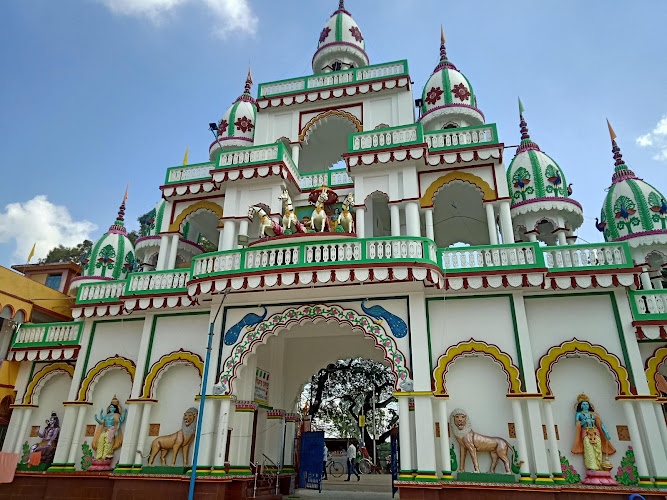
Shri Jagannath Temple, Agartala

Albert Ekka War Memorial
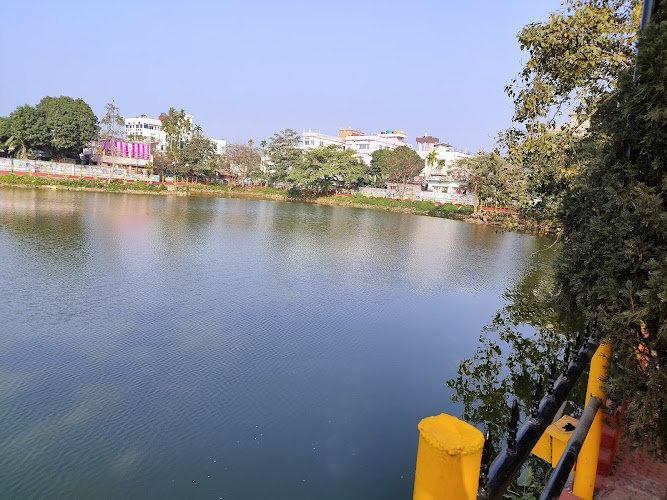
Dimsagar Lake Park
Find Accommodations Nearby
Recommended Tours & Activities
Visitor Reviews
There are no reviews yet. Be the first one to write one.
Share Your Experience
Have you visited Ujjayanta Palace? Help other travelers by leaving a review.