
Ueno Zoo
About Ueno Zoo
Description
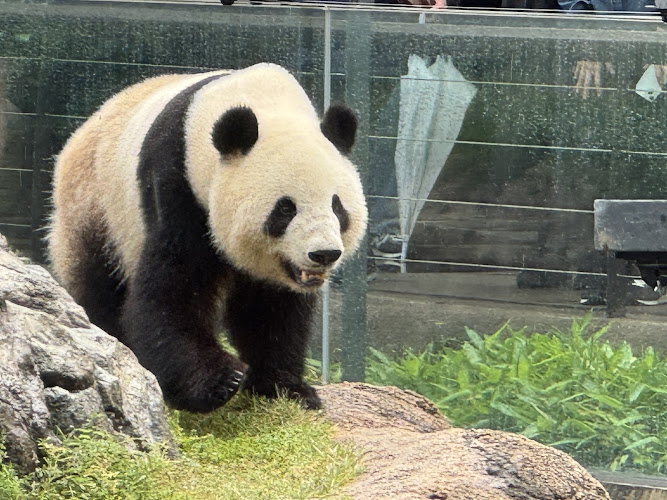
Ueno Zoo stands as Japan's oldest zoological garden, having opened its gates way back in 1882. And honestly, that history is something you can feel when you walk through the grounds - there's this sense of tradition mixed with modern conservation efforts that makes it pretty special. Located within Ueno Park in Tokyo, the zoo sprawls across roughly 35 acres and houses more than 400 different animal species from around the world. What really sets this place apart is its giant pandas. I mean, let's be real - the pandas are the main draw for most visitors, and they don't disappoint. The zoo has been home to these black-and-white ambassadors of wildlife conservation for decades, and seeing them munching on bamboo or rolling around is genuinely worth the visit alone. But there's so much more here than just the pandas, even if they do steal the spotlight. The zoo is divided into two main sections - the East Garden and the West Garden - connected by a bridge and a small monorail that kids absolutely love. You'll find everything from majestic Asian elephants to adorable prairie dogs, towering giraffes to tiny meerkats. The architectural highlight is definitely the five-story pagoda that dates back to the 17th century, giving you those traditional Japanese vibes right in the middle of watching polar bears swim. For travelers looking to experience Japanese culture while also enjoying world-class animal exhibits, Ueno Zoo hits that sweet spot. It's not trying to be fancy or over-the-top modern like some newer zoos. Instead, it maintains this comfortable, accessible feel that makes it perfect for families, solo travelers, or anyone who appreciates seeing animals in thoughtfully designed habitats. The zoo takes conservation seriously too, participating in various breeding programs for endangered species.Key Features
- Giant Pandas: The absolute stars of the zoo, these endangered bears from China attract huge crowds. Getting there early is your best bet for good viewing spots without massive crowds pressing against the glass.
- Historic Five-Story Pagoda: Dating back to 1639, this architectural treasure adds a distinctly Japanese element to your zoo visit. You can't go inside, but it makes for incredible photos.
- Dual Garden Layout: The East and West Gardens offer different experiences, with the East side housing the pandas, polar bears, and Asian elephants, while the West side features the African animals and small mammal house.
- Children's Zoo: A hands-on petting area where kids can interact with domesticated animals like rabbits, guinea pigs, and goats. It's supervised and surprisingly well-maintained.
- Indoor Exhibits: The Gorilla and Tiger Forest, Reptile House, and Vivarium provide climate-controlled viewing opportunities year-round, which is clutch during Tokyo's hot summers or chilly winters.
- Monorail Connection: A suspended monorail links the two gardens, offering a fun way to travel between sections while getting an aerial view of the grounds.
- Japanese Native Species: Beyond the international animals, you'll find creatures native to Japan like Japanese macaques and various bird species that you won't see in many Western zoos.
- Accessibility Features: Wheelchair-accessible paths throughout, rental wheelchairs available, and relatively flat terrain make it manageable for visitors with mobility considerations.
- On-site Amenities: Multiple rest areas, nursing rooms, lockers for storing belongings, and several food stalls serving both Japanese and Western options.
Best Time to Visit
Timing your visit to Ueno Zoo can make a huge difference in your experience. Spring, particularly late March through April during cherry blossom season, is absolutely gorgeous but also incredibly crowded. The trees throughout Ueno Park burst into pink and white blooms, creating this magical atmosphere. But you'll be sharing that magic with thousands of other people. Early autumn - think September through early November - is probably the sweet spot in my opinion. The weather's comfortable, not too hot and not too cold, and the crowds thin out a bit compared to spring and summer. The animals tend to be more active in cooler temperatures too, which makes for better viewing. Summer can be rough. Tokyo gets humid and hot, pushing temperatures into the high 80s and low 90s Fahrenheit. Many animals retreat to shaded areas or indoor sections, and you'll find yourself doing the same. If you do visit in summer, go early morning right when they open at 9:30 AM. Seriously, those first couple hours before the heat really kicks in make all the difference. Winter visits have their own charm. Sure, it's cold, but the crowds are minimal, and certain animals like the polar bears and snow monkeys are actually more active. Just bundle up and take advantage of the indoor exhibits when you need to warm up. Weekdays are always better than weekends if you've got flexibility in your schedule. The difference is noticeable - you can actually spend time watching the pandas without someone breathing down your neck waiting for their turn. School holidays are particularly busy, so check the Japanese school calendar before planning your trip. Opening time is crucial regardless of season. The zoo opens at 9:30 AM, and getting there within the first hour means you'll see animals at their most active and beat the tour groups that typically arrive mid-morning. Plus, the pandas have their breakfast routine early on, which is entertaining to watch.How to Get There
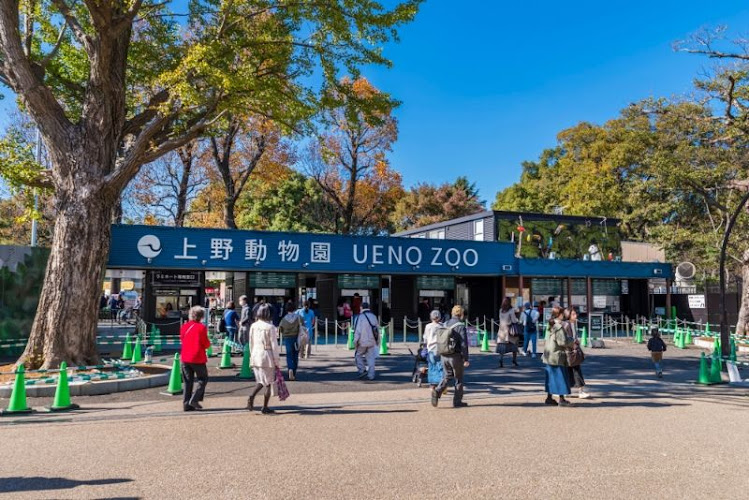
Getting to Ueno Zoo is refreshingly straightforward, which is saying something for Tokyo. The zoo sits right in the middle of Ueno Park, making it accessible from multiple train stations. Ueno Station on the JR Yamanote Line is your main gateway. Take the Park Exit (Koen-guchi), and you're literally a five-minute walk to the zoo entrance. The Yamanote Line is Tokyo's most convenient loop line, so chances are you can get there from wherever you're staying without transfers. The station can be confusing with its multiple exits though - look for signs pointing toward Ueno Park or the zoo, and don't be afraid to ask station staff. Alternatively, Ueno Station on the Tokyo Metro Ginza Line and Hibiya Line works just as well. These subway lines connect different parts of Tokyo and might be more convenient depending on your hotel location. The walk from these platforms to the zoo entrance takes maybe 10 minutes through the park. For those using Keisei Ueno Station (if you're coming from Narita Airport, for instance), it's about a 10-minute walk to the zoo. Just head toward Ueno Park and follow the crowds - you won't get lost. If you're driving, there's on-site parking available, but here's the thing - parking in Tokyo is expensive and finding a spot can be frustrating, especially on weekends. Unless you're traveling with young kids or someone with mobility issues, public transportation is genuinely your best option. The trains are reliable, frequent, and honestly part of the Tokyo experience. Taxis work too if you're staying relatively close, but Tokyo traffic can be unpredictable. The advantage is door-to-door service, which might be worth it if you've got tired kids or are carrying lots of stuff.Tips for Visiting
Here's what I wish someone had told me before my first visit to Ueno Zoo: bring cash even though they accept cards now. Some of the smaller food stalls and souvenir vendors still prefer cash, and you don't want to miss out on those panda-shaped steamed buns because you only have your credit card. Download a map of the zoo before you go or grab one at the entrance. The layout isn't super intuitive with the two gardens separated, and you'll want to plan your route based on what matters most to you. If pandas are your priority - and let's face it, they probably are - head straight to the East Garden panda exhibit when you arrive. Mid-morning onward, the line to see them can get ridiculous. Wear comfortable walking shoes. This seems obvious, but the zoo involves more walking than you'd think, especially if you want to see everything. The paths are paved and generally flat, but you'll be on your feet for several hours. Bring your own water bottle and snacks, especially if you're visiting with kids. The food available is decent enough - you'll find typical zoo fare plus some Japanese options - but it's overpriced like most attractions. There are water fountains throughout if you need refills. The monorail between gardens is fun but optional. If there's a long line, just walk across the bridge connecting the two sections. It takes maybe five extra minutes and saves you the wait. Check the feeding times and keeper talks when you arrive. These scheduled events are posted near the entrance and on the zoo's information boards. Watching feeding time makes the animals way more interesting than just seeing them lounging around. For photographers, morning light is best, and cloudy days actually work in your favor since you won't get harsh shadows or glare off the glass enclosures. Just remember that tripods aren't allowed in crowded areas. The children's zoo section has specific opening hours and sometimes closes during lunch, so plan accordingly if you're traveling with kids who want the petting experience. It's usually open from 10 AM to 3 PM, but double-check when you arrive. Stroller rentals are available, which is a lifesaver if you're traveling with little ones. The pathways are stroller-friendly throughout most of the zoo. Payment options are surprisingly modern now - they accept credit cards, debit cards, PayPay, Rakuten Pay, IC cards like Suica and Pasmo, and au PAY. But again, keep some cash handy for smaller purchases. Don't skip the less popular exhibits. Everyone rushes to see pandas and elephants, but some of the smaller animal houses are fascinating and way less crowded. The reptile house stays cool in summer and has some genuinely interesting species you won't see elsewhere. If you're visiting during peak season, consider buying tickets online in advance if that option's available. It can save you some waiting time at the entrance, though the ticket line usually moves pretty quickly anyway. Finally, combine your zoo visit with exploring the rest of Ueno Park. There are museums, temples, and that famous pond with its lotus flowers nearby. Making a full day of it in this area gives you better value for your time traveling across Tokyo. The park itself is free and beautiful, perfect for a post-zoo picnic or just relaxing after being on your feet for hours. Remember that zoo visits can be unpredictable - animals might be sleeping, exhibits might be temporarily closed for maintenance, and weather can change plans. Go with flexible expectations and an open mind, and you'll have a great time at this historic piece of Tokyo's cultural landscape.Key Features
- Japan’s oldest zoo (established 1882) with historical charm
- Giant panda exhibit (major draw; often busy)
- Wide species variety including tigers, gorillas, polar bears, red pandas
- Located inside Ueno Park near museums and cultural sites
- Educational programs, keeper talks, and conservation initiatives
More Details
Updated March 30, 2026
Table of Contents
Description
Ueno Zoo stands as Japan’s oldest zoological garden, having opened its gates way back in 1882. And honestly, that history is something you can feel when you walk through the grounds – there’s this sense of tradition mixed with modern conservation efforts that makes it pretty special. Located within Ueno Park in Tokyo, the zoo sprawls across roughly 35 acres and houses more than 400 different animal species from around the world.
What really sets this place apart is its giant pandas. I mean, let’s be real – the pandas are the main draw for most visitors, and they don’t disappoint. The zoo has been home to these black-and-white ambassadors of wildlife conservation for decades, and seeing them munching on bamboo or rolling around is genuinely worth the visit alone. But there’s so much more here than just the pandas, even if they do steal the spotlight.
The zoo is divided into two main sections – the East Garden and the West Garden – connected by a bridge and a small monorail that kids absolutely love. You’ll find everything from majestic Asian elephants to adorable prairie dogs, towering giraffes to tiny meerkats. The architectural highlight is definitely the five-story pagoda that dates back to the 17th century, giving you those traditional Japanese vibes right in the middle of watching polar bears swim.
For travelers looking to experience Japanese culture while also enjoying world-class animal exhibits, Ueno Zoo hits that sweet spot. It’s not trying to be fancy or over-the-top modern like some newer zoos. Instead, it maintains this comfortable, accessible feel that makes it perfect for families, solo travelers, or anyone who appreciates seeing animals in thoughtfully designed habitats. The zoo takes conservation seriously too, participating in various breeding programs for endangered species.
Key Features
- Giant Pandas: The absolute stars of the zoo, these endangered bears from China attract huge crowds. Getting there early is your best bet for good viewing spots without massive crowds pressing against the glass.
- Historic Five-Story Pagoda: Dating back to 1639, this architectural treasure adds a distinctly Japanese element to your zoo visit. You can’t go inside, but it makes for incredible photos.
- Dual Garden Layout: The East and West Gardens offer different experiences, with the East side housing the pandas, polar bears, and Asian elephants, while the West side features the African animals and small mammal house.
- Children’s Zoo: A hands-on petting area where kids can interact with domesticated animals like rabbits, guinea pigs, and goats. It’s supervised and surprisingly well-maintained.
- Indoor Exhibits: The Gorilla and Tiger Forest, Reptile House, and Vivarium provide climate-controlled viewing opportunities year-round, which is clutch during Tokyo’s hot summers or chilly winters.
- Monorail Connection: A suspended monorail links the two gardens, offering a fun way to travel between sections while getting an aerial view of the grounds.
- Japanese Native Species: Beyond the international animals, you’ll find creatures native to Japan like Japanese macaques and various bird species that you won’t see in many Western zoos.
- Accessibility Features: Wheelchair-accessible paths throughout, rental wheelchairs available, and relatively flat terrain make it manageable for visitors with mobility considerations.
- On-site Amenities: Multiple rest areas, nursing rooms, lockers for storing belongings, and several food stalls serving both Japanese and Western options.
Best Time to Visit
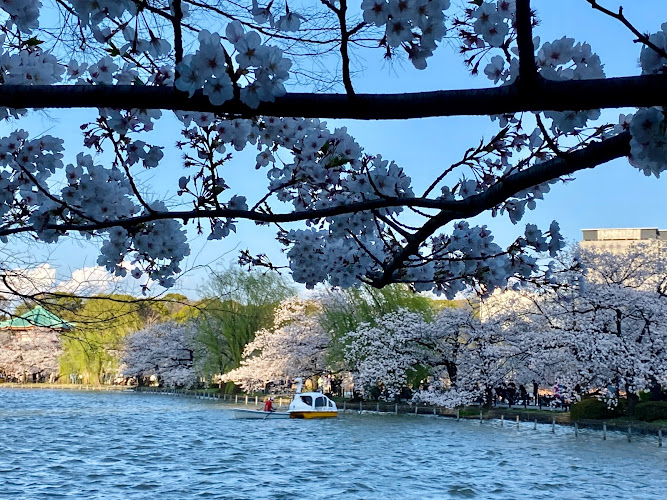
Timing your visit to Ueno Zoo can make a huge difference in your experience. Spring, particularly late March through April during cherry blossom season, is absolutely gorgeous but also incredibly crowded. The trees throughout Ueno Park burst into pink and white blooms, creating this magical atmosphere. But you’ll be sharing that magic with thousands of other people.
Early autumn – think September through early November – is probably the sweet spot in my opinion. The weather’s comfortable, not too hot and not too cold, and the crowds thin out a bit compared to spring and summer. The animals tend to be more active in cooler temperatures too, which makes for better viewing.
Summer can be rough. Tokyo gets humid and hot, pushing temperatures into the high 80s and low 90s Fahrenheit. Many animals retreat to shaded areas or indoor sections, and you’ll find yourself doing the same. If you do visit in summer, go early morning right when they open at 9:30 AM. Seriously, those first couple hours before the heat really kicks in make all the difference.
Winter visits have their own charm. Sure, it’s cold, but the crowds are minimal, and certain animals like the polar bears and snow monkeys are actually more active. Just bundle up and take advantage of the indoor exhibits when you need to warm up.
Weekdays are always better than weekends if you’ve got flexibility in your schedule. The difference is noticeable – you can actually spend time watching the pandas without someone breathing down your neck waiting for their turn. School holidays are particularly busy, so check the Japanese school calendar before planning your trip.
Opening time is crucial regardless of season. The zoo opens at 9:30 AM, and getting there within the first hour means you’ll see animals at their most active and beat the tour groups that typically arrive mid-morning. Plus, the pandas have their breakfast routine early on, which is entertaining to watch.
How to Get There
Getting to Ueno Zoo is refreshingly straightforward, which is saying something for Tokyo. The zoo sits right in the middle of Ueno Park, making it accessible from multiple train stations.
Ueno Station on the JR Yamanote Line is your main gateway. Take the Park Exit (Koen-guchi), and you’re literally a five-minute walk to the zoo entrance. The Yamanote Line is Tokyo’s most convenient loop line, so chances are you can get there from wherever you’re staying without transfers. The station can be confusing with its multiple exits though – look for signs pointing toward Ueno Park or the zoo, and don’t be afraid to ask station staff.
Alternatively, Ueno Station on the Tokyo Metro Ginza Line and Hibiya Line works just as well. These subway lines connect different parts of Tokyo and might be more convenient depending on your hotel location. The walk from these platforms to the zoo entrance takes maybe 10 minutes through the park.
For those using Keisei Ueno Station (if you’re coming from Narita Airport, for instance), it’s about a 10-minute walk to the zoo. Just head toward Ueno Park and follow the crowds – you won’t get lost.
If you’re driving, there’s on-site parking available, but here’s the thing – parking in Tokyo is expensive and finding a spot can be frustrating, especially on weekends. Unless you’re traveling with young kids or someone with mobility issues, public transportation is genuinely your best option. The trains are reliable, frequent, and honestly part of the Tokyo experience.
Taxis work too if you’re staying relatively close, but Tokyo traffic can be unpredictable. The advantage is door-to-door service, which might be worth it if you’ve got tired kids or are carrying lots of stuff.
Tips for Visiting
Here’s what I wish someone had told me before my first visit to Ueno Zoo: bring cash even though they accept cards now. Some of the smaller food stalls and souvenir vendors still prefer cash, and you don’t want to miss out on those panda-shaped steamed buns because you only have your credit card.
Download a map of the zoo before you go or grab one at the entrance. The layout isn’t super intuitive with the two gardens separated, and you’ll want to plan your route based on what matters most to you. If pandas are your priority – and let’s face it, they probably are – head straight to the East Garden panda exhibit when you arrive. Mid-morning onward, the line to see them can get ridiculous.
Wear comfortable walking shoes. This seems obvious, but the zoo involves more walking than you’d think, especially if you want to see everything. The paths are paved and generally flat, but you’ll be on your feet for several hours.
Bring your own water bottle and snacks, especially if you’re visiting with kids. The food available is decent enough – you’ll find typical zoo fare plus some Japanese options – but it’s overpriced like most attractions. There are water fountains throughout if you need refills.
The monorail between gardens is fun but optional. If there’s a long line, just walk across the bridge connecting the two sections. It takes maybe five extra minutes and saves you the wait.
Check the feeding times and keeper talks when you arrive. These scheduled events are posted near the entrance and on the zoo’s information boards. Watching feeding time makes the animals way more interesting than just seeing them lounging around.
For photographers, morning light is best, and cloudy days actually work in your favor since you won’t get harsh shadows or glare off the glass enclosures. Just remember that tripods aren’t allowed in crowded areas.
The children’s zoo section has specific opening hours and sometimes closes during lunch, so plan accordingly if you’re traveling with kids who want the petting experience. It’s usually open from 10 AM to 3 PM, but double-check when you arrive.
Stroller rentals are available, which is a lifesaver if you’re traveling with little ones. The pathways are stroller-friendly throughout most of the zoo.
Payment options are surprisingly modern now – they accept credit cards, debit cards, PayPay, Rakuten Pay, IC cards like Suica and Pasmo, and au PAY. But again, keep some cash handy for smaller purchases.
Don’t skip the less popular exhibits. Everyone rushes to see pandas and elephants, but some of the smaller animal houses are fascinating and way less crowded. The reptile house stays cool in summer and has some genuinely interesting species you won’t see elsewhere.
If you’re visiting during peak season, consider buying tickets online in advance if that option’s available. It can save you some waiting time at the entrance, though the ticket line usually moves pretty quickly anyway.
Finally, combine your zoo visit with exploring the rest of Ueno Park. There are museums, temples, and that famous pond with its lotus flowers nearby. Making a full day of it in this area gives you better value for your time traveling across Tokyo. The park itself is free and beautiful, perfect for a post-zoo picnic or just relaxing after being on your feet for hours.
Remember that zoo visits can be unpredictable – animals might be sleeping, exhibits might be temporarily closed for maintenance, and weather can change plans. Go with flexible expectations and an open mind, and you’ll have a great time at this historic piece of Tokyo’s cultural landscape.
Key Highlights
- Japan’s oldest zoo (established 1882) with historical charm
- Giant panda exhibit (major draw; often busy)
- Wide species variety including tigers, gorillas, polar bears, red pandas
- Located inside Ueno Park near museums and cultural sites
- Educational programs, keeper talks, and conservation initiatives
Location
Places to Stay Near Ueno Zoo
Find and Book a Tour
Explore More Travel Guides
No reviews found! Be the first to review!
Ueno Zoo is a prominent attractions located in Taito City.
Visit us at: 9-83 Uenokoen, Taito City, Tokyo 110-8711, Japan.
Traveler Reviews for Ueno Zoo
There are no reviews yet. Be the first one to write one.
Have you visited Ueno Zoo? Help other travelers by sharing your review.
Nearby Attractions
You Might Also Like
Shinobazuno Pond

National Museum of Nature and Science
Ueno Zoological Gardens
Find Accommodations Nearby
Recommended Tours & Activities
Visitor Reviews
There are no reviews yet. Be the first one to write one.
Share Your Experience
Have you visited Ueno Zoo? Help other travelers by leaving a review.