
UC Davis Arboretum and Public Garden
About UC Davis Arboretum and Public Garden
Description
Ah, the UC Davis Arboretum and Public Garden. If you've never strolled through a place where the scent of blooming native plants flirts with the midday air and an army of ducks can outpace your brisk walk—well, this is your huckleberry. This sprawling 100-acre space isn’t just some university garden meant to keep students entertained between classes. It’s a botanical wonderland where casual wanderers, diehard plant nerds, and even stressed-out parents seeking a calm breather get their money’s worth—actually, admission is free (pretty nice, right?).
Here’s the thing: you could easily spend half a day here without accidentally retracing your steps, and you’d still spot a new tree or lizard sunbathing on a rock. The Arboretum isn’t rigid or prim. It's more sprawling and organic—like Mother Nature was let loose with her wildest imagination and a trowel. There’s a good balance of organized plant collections and that California wild spirit you just can’t fake. If you’re a first-timer, don’t stress if you miss “the highlights”—the entire place is the highlight.
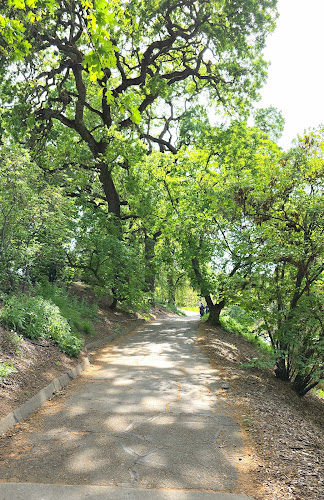
It’s got paved trails wide enough for strollers (and powered wheelchairs), so everyone can join the adventure. If you’re like me and once tried to impress a date by confidently misidentifying trees (spoiler: it was a eucalyptus, not an elm), the Arboretum is a friendly playground for your botanical curiosity—and learning from your mistakes. With educational signs scattered about, you’ll be dropping facts at dinner parties in no time. It’s not only about flora—spot herons, kingfishers, turtles, or locals jogging past at actual supersonic speeds (seriously, must be something in the water).
Key Features
- Accessible Walking & Hiking Trails: Several miles of well-maintained, wheelchair-friendly paths make wandering easy for just about anyone, from toddlers to folks on scooters.
- Diverse Plant Collections: Explore themed gardens like the California native plant section, Australian woodlands, and Mediterranean collections. There are over 22,000 trees and plants here. That's not an exaggeration!
- Family-Friendly Adventures: Kid-designed Discovery Zones and gardens make this a “let your kids get muddy” kind of place (honestly the best kind).
- Pet Policy: Leashed dogs are welcome, and you’ll see more happy tails wagging along the paths than you can count. Bonus: plenty of shaded spots so paws won't fry in summer.
- Educational Installations: Interpretive signage everywhere. Even if you come in clueless, you’ll leave with newfound respect for drought-tolerant plants and sustainable landscaping—no lectures required.
- Lake Spafford: Right in the middle, this small lake steals the scene with turtles, ducks, and occasional herons. Bring some binoculars if you’re about birds.
- Art & Sculptures: Look for quirky art tucked among the greenery. It makes for great photo ops (or impromptu hide-and-seek bases).
- Events & Plant Sales: Seasonal events—from eco-friendly plant sales with expert volunteers giving honest, non-sales-y advice—to community picnics happen throughout the year.
- Peaceful Picnic Nooks: Tables and benches are scattered everywhere, perfect for a snack with your crew or a solo sandwich as you people-watch (or squirrel-watch, to be accurate).
- Open to Everyone: You don’t need to be a student or scientist to appreciate the magic here. Locals, travelers, and accidental wanderers all fit right in.
Best Time to Visit
Honestly, you could roll in just about any day and find something beautiful—Sacramento Valley’s got the kind of climate that mostly skips snow drama and simmering humidity. Early spring is probably my personal fave: the native wildflowers do a show-off job, trees wear their freshest leaves, and the whole place hums with pollinators. Want a sea of color? Try mid-March through May, when blooms everywhere are in full riot.
Fall is another solid pick. I always get a kick out of the Japanese maples turning fire-truck red, and the air feels brisk but not frigid. Even winter isn’t bleak, especially if you like quiet walks and low crowds—plus, the evergreen sections are surprisingly comforting when everything else is wilting elsewhere. Summers can get toasty (this is inland California, after all), but if you come early in the day or closer to sunset, the shade keeps things reasonable.
Here’s a hot tip: late weekday afternoons are pure bliss—local families start heading home, and you can have the water’s edge mostly to yourself. Bring your camera; nobody will photobomb your duck pictures.
How to Get There
Alright, getting to the UC Davis Arboretum and Public Garden is about as painless as driving through Davis gets. If you’re coming by car from Sacramento or the Bay Area, freeway access is straightforward. Parking is usually easy—there are a handful of lots on the edge of the Arboretum, and yes, they have spaces set up for accessible parking.
Public transit? Also doable. The local Unitrans buses run routes that swing right by campus and the Garden entrance. Cyclists will adore the bike-friendly town; Davis has a rep for being one of the top cycling communities in the country. There are bike racks right at the main entrances if you want to do the eco-friendly thing. And, if you wander in on foot from downtown Davis, you’ll pass through some beautiful, shaded neighborhoods. That’s a bonus mini-tour right there.
No, you don’t need a campus ID to get in—this isn’t some private college patch of lawn. Just stroll right in and start exploring. The fact that it’s free is almost suspicious, but in this case, just roll with the good luck.
Tips for Visiting
- Start with a plan, then ditch it: There’s a garden map online, sure, but the best memories often come from just wandering and ending up somewhere unexpected—like that one curved bench under a ginkgo tree, which I swear always has the best breeze on a hot day.
- Bring water, sunscreen, and a hat: This is California; the sun loves you here—sometimes a little too much.
- Bathrooms: Scattered at entrances and some garden sections. Not five-star luxury, but clean and dependable.
- Pets: Leash those pups and bring waste bags. There are dog bowls at a few water stations, which is thoughtful for our furrier friends.
- Photography: If you’re a camera enthusiast or just want Instagram gold, golden hour here is unbeatable—not to mention the critters get bolder around dusk.
- Wheelchair/stroller users: Most trails are paved and flat. A couple of hilly side paths are trickier, so check the route if mobility is a concern.
- Pack picnics, not parties: Quiet snacks in the shade? Great idea. Big blowout gatherings or shindigs? Better for one of the city's official party parks.
- Don’t pick the plants: I know, I know—the camellias are tempting, but leave them for everyone (and the bees).
- Early birds win: For a more peaceful atmosphere and primo wildlife-spotting (think: egrets, rabbits), show up before 10 a.m.
- Volunteer or join events if you can: Locals and students often run fun educational days, which is a sneaky way to make a few new friends if you’re the chatty type.
So, whether you’re a hardcore plant geek or just someone on the hunt for a low-stress, soul-refreshing adventure, the Arboretum offers more than just a walk among the leaves. Heck, even if you think you’re not a “garden person,” I’d bet a good cup of coffee that you’ll leave a little lighter, happier, and more curious about what else is quietly blooming all around you.
Key Features
- Key Features
- Best Time to Visit
- How to Get There
- Tips for Visiting
More Details
Updated June 25, 2025
Table of Contents
- Description
- Key Features
- Best Time to Visit
- How to Get There
- Tips for Visiting
- Key Highlights
- Location
- Places to Stay Near UC Davis Arboretum and Public Garden
- Find and Book a Tour
- Explore More Travel Guides
- Nearby Places You Might Like
- Traveler Reviews for UC Davis Arboretum and Public Garden
- Share Your Experience
Description
Ah, the UC Davis Arboretum and Public Garden. If you’ve never strolled through a place where the scent of blooming native plants flirts with the midday air and an army of ducks can outpace your brisk walk—well, this is your huckleberry. This sprawling 100-acre space isn’t just some university garden meant to keep students entertained between classes. It’s a botanical wonderland where casual wanderers, diehard plant nerds, and even stressed-out parents seeking a calm breather get their money’s worth—actually, admission is free (pretty nice, right?).
Here’s the thing: you could easily spend half a day here without accidentally retracing your steps, and you’d still spot a new tree or lizard sunbathing on a rock. The Arboretum isn’t rigid or prim. It’s more sprawling and organic—like Mother Nature was let loose with her wildest imagination and a trowel. There’s a good balance of organized plant collections and that California wild spirit you just can’t fake. If you’re a first-timer, don’t stress if you miss “the highlights”—the entire place is the highlight.
It’s got paved trails wide enough for strollers (and powered wheelchairs), so everyone can join the adventure. If you’re like me and once tried to impress a date by confidently misidentifying trees (spoiler: it was a eucalyptus, not an elm), the Arboretum is a friendly playground for your botanical curiosity—and learning from your mistakes. With educational signs scattered about, you’ll be dropping facts at dinner parties in no time. It’s not only about flora—spot herons, kingfishers, turtles, or locals jogging past at actual supersonic speeds (seriously, must be something in the water).
Key Features
- Accessible Walking & Hiking Trails: Several miles of well-maintained, wheelchair-friendly paths make wandering easy for just about anyone, from toddlers to folks on scooters.
- Diverse Plant Collections: Explore themed gardens like the California native plant section, Australian woodlands, and Mediterranean collections. There are over 22,000 trees and plants here. That’s not an exaggeration!
- Family-Friendly Adventures: Kid-designed Discovery Zones and gardens make this a “let your kids get muddy” kind of place (honestly the best kind).
- Pet Policy: Leashed dogs are welcome, and you’ll see more happy tails wagging along the paths than you can count. Bonus: plenty of shaded spots so paws won’t fry in summer.
- Educational Installations: Interpretive signage everywhere. Even if you come in clueless, you’ll leave with newfound respect for drought-tolerant plants and sustainable landscaping—no lectures required.
- Lake Spafford: Right in the middle, this small lake steals the scene with turtles, ducks, and occasional herons. Bring some binoculars if you’re about birds.
- Art & Sculptures: Look for quirky art tucked among the greenery. It makes for great photo ops (or impromptu hide-and-seek bases).
- Events & Plant Sales: Seasonal events—from eco-friendly plant sales with expert volunteers giving honest, non-sales-y advice—to community picnics happen throughout the year.
- Peaceful Picnic Nooks: Tables and benches are scattered everywhere, perfect for a snack with your crew or a solo sandwich as you people-watch (or squirrel-watch, to be accurate).
- Open to Everyone: You don’t need to be a student or scientist to appreciate the magic here. Locals, travelers, and accidental wanderers all fit right in.
Best Time to Visit
Honestly, you could roll in just about any day and find something beautiful—Sacramento Valley’s got the kind of climate that mostly skips snow drama and simmering humidity. Early spring is probably my personal fave: the native wildflowers do a show-off job, trees wear their freshest leaves, and the whole place hums with pollinators. Want a sea of color? Try mid-March through May, when blooms everywhere are in full riot.
Fall is another solid pick. I always get a kick out of the Japanese maples turning fire-truck red, and the air feels brisk but not frigid. Even winter isn’t bleak, especially if you like quiet walks and low crowds—plus, the evergreen sections are surprisingly comforting when everything else is wilting elsewhere. Summers can get toasty (this is inland California, after all), but if you come early in the day or closer to sunset, the shade keeps things reasonable.
Here’s a hot tip: late weekday afternoons are pure bliss—local families start heading home, and you can have the water’s edge mostly to yourself. Bring your camera; nobody will photobomb your duck pictures.
How to Get There
Alright, getting to the UC Davis Arboretum and Public Garden is about as painless as driving through Davis gets. If you’re coming by car from Sacramento or the Bay Area, freeway access is straightforward. Parking is usually easy—there are a handful of lots on the edge of the Arboretum, and yes, they have spaces set up for accessible parking.
Public transit? Also doable. The local Unitrans buses run routes that swing right by campus and the Garden entrance. Cyclists will adore the bike-friendly town; Davis has a rep for being one of the top cycling communities in the country. There are bike racks right at the main entrances if you want to do the eco-friendly thing. And, if you wander in on foot from downtown Davis, you’ll pass through some beautiful, shaded neighborhoods. That’s a bonus mini-tour right there.
No, you don’t need a campus ID to get in—this isn’t some private college patch of lawn. Just stroll right in and start exploring. The fact that it’s free is almost suspicious, but in this case, just roll with the good luck.
Tips for Visiting
- Start with a plan, then ditch it: There’s a garden map online, sure, but the best memories often come from just wandering and ending up somewhere unexpected—like that one curved bench under a ginkgo tree, which I swear always has the best breeze on a hot day.
- Bring water, sunscreen, and a hat: This is California; the sun loves you here—sometimes a little too much.
- Bathrooms: Scattered at entrances and some garden sections. Not five-star luxury, but clean and dependable.
- Pets: Leash those pups and bring waste bags. There are dog bowls at a few water stations, which is thoughtful for our furrier friends.
- Photography: If you’re a camera enthusiast or just want Instagram gold, golden hour here is unbeatable—not to mention the critters get bolder around dusk.
- Wheelchair/stroller users: Most trails are paved and flat. A couple of hilly side paths are trickier, so check the route if mobility is a concern.
- Pack picnics, not parties: Quiet snacks in the shade? Great idea. Big blowout gatherings or shindigs? Better for one of the city’s official party parks.
- Don’t pick the plants: I know, I know—the camellias are tempting, but leave them for everyone (and the bees).
- Early birds win: For a more peaceful atmosphere and primo wildlife-spotting (think: egrets, rabbits), show up before 10 a.m.
- Volunteer or join events if you can: Locals and students often run fun educational days, which is a sneaky way to make a few new friends if you’re the chatty type.
So, whether you’re a hardcore plant geek or just someone on the hunt for a low-stress, soul-refreshing adventure, the Arboretum offers more than just a walk among the leaves. Heck, even if you think you’re not a “garden person,” I’d bet a good cup of coffee that you’ll leave a little lighter, happier, and more curious about what else is quietly blooming all around you.
Key Highlights
- Key Features
- Best Time to Visit
- How to Get There
- Tips for Visiting
Location
Places to Stay Near UC Davis Arboretum and Public Garden
Find and Book a Tour
Explore More Travel Guides
No reviews found! Be the first to review!
Traveler Reviews for UC Davis Arboretum and Public Garden
There are no reviews yet. Be the first one to write one.
Have you visited UC Davis Arboretum and Public Garden? Help other travelers by sharing your review.
You Might Also Like

Jan Shrem and Maria Manetti Shrem Museum of Art

UC Davis Biological Orchard and Gardens (BOG)

Whaleback Park
Find Accommodations Nearby
Recommended Tours & Activities
Visitor Reviews
There are no reviews yet. Be the first one to write one.
Share Your Experience
Have you visited UC Davis Arboretum and Public Garden? Help other travelers by leaving a review.