
Tunnel to Angono-Binangonan Petroglyphs Site
About Tunnel to Angono-Binangonan Petroglyphs Site
Description
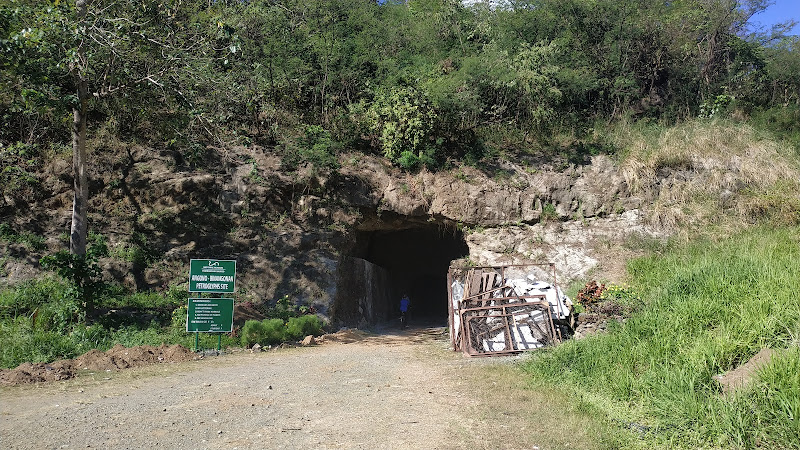
The Tunnel to Angono-Binangonan Petroglyphs Site is one of those places that quietly messes with your sense of time. One moment you’re dealing with modern roads, tricycles whizzing by, maybe a snack wrapper in your pocket. Then you walk through this tunnel, dim and a bit rough around the edges, and suddenly you’re stepping into a space that has been watched over by carved stone figures older than most written history in the Philippines. It’s a strange, humbling shift. And honestly, that transition is half the experience.
The tunnel itself isn’t long or fancy. It’s more functional than pretty. But that’s the point. It acts like a buffer between the noisy present and the quiet weight of the past. On my first visit, I remember thinking, “Is this it?” And then, a few steps later, I caught myself slowing down, lowering my voice without realizing it. The place demands a bit of respect, even if no one explicitly tells you to behave.
Beyond the tunnel lies the Angono-Binangonan Petroglyphs Site, known as the oldest known work of art in the Philippines. The rock wall bears over a hundred human and animal figures carved into volcanic tuff, believed to date back to the late Neolithic period. These carvings are simple—stick-like bodies, round heads, arms raised as if mid-dance or prayer. But simple doesn’t mean shallow. There’s something deeply human about them. You can almost imagine the person who carved each figure, pausing, thinking, maybe arguing with someone nearby about whether the arm should go up or sideways. I like to think those debates happened.
This site is a protected historical landmark and tourist attraction, which means it balances access and preservation. Some visitors expect an epic, cinematic ruin and leave feeling a little underwhelmed. Others, myself included, appreciate the restraint. The experience isn’t about spectacle; it’s about proximity. You’re standing within arm’s reach of marks made thousands of years ago. That doesn’t happen often in daily life, unless you’re an archaeologist or really into digging holes.
The atmosphere tends to be calm, sometimes almost meditative. On quieter days, you might hear birds or the wind brushing against the rock face. On busier days, there’s a low murmur of conversations, kids asking questions, adults pretending they already know the answers. And that’s okay. This place sparks curiosity. It makes people wonder, and wondering is kind of the whole point.
Key Features
- Access tunnel that creates a physical and psychological transition from modern surroundings to ancient heritage
- Over 100 prehistoric petroglyphs carved into volcanic rock, depicting human and animal forms
- Designated historical landmark with protective measures to preserve the carvings
- Small viewing area that allows close observation without direct contact with the rock surface
- Informational displays that explain the estimated age, meaning, and discovery of the petroglyphs
- Quiet, reflective setting that encourages slow exploration rather than rushed sightseeing
- Manageable size, making it an easy add-on to a day trip around Rizal
Best Time to Visit
If there’s one thing to plan carefully here, it’s timing. The site is outdoors, and while the tunnel offers a brief escape from the sun, the surrounding area doesn’t provide much shade. Early morning visits are ideal. The light is softer, the air cooler, and there’s a better chance you’ll have the place mostly to yourself. I once arrived just after opening time and had a solid ten minutes of silence before another group showed up. Those ten minutes stuck with me longer than I expected.
Weekdays are generally calmer than weekends. On Saturdays and Sundays, especially during school breaks or holidays, you’ll likely encounter families, student groups, and the occasional tour bus. It doesn’t ruin the experience, but it changes the mood. If you’re the type who likes to linger and stare at things until they start talking back (metaphorically, of course), aim for a weekday.
The dry season is more comfortable, not just because of the weather but also because paths are less slippery. During the rainy months, the area can feel a bit damp and muddy, and the humidity makes the tunnel feel stuffier. Still doable, just less pleasant. And yes, bring water. Always bring water. I learned that lesson the hard way more times than I care to admit.
How to Get There
Getting to the Tunnel to Angono-Binangonan Petroglyphs Site is fairly straightforward, though it may involve a mix of transportation modes depending on where you’re coming from. From Metro Manila, travelers usually head toward Rizal province, passing through Angono or Binangonan. Public transport options include buses and jeepneys, followed by a short tricycle ride that takes you closer to the site. The final approach often involves a short walk, which helps set the tone for what’s ahead.
If you’re driving, the roads are mostly paved and manageable, though traffic can be unpredictable. It’s one of those trips where the last few kilometers feel longer than they actually are. I remember checking my phone, convinced I’d missed a turn, only to round a corner and see the signage right there. Patience helps. And maybe a good playlist.
Once you arrive near the entrance, the tunnel is clearly part of the path leading into the site. It’s not hidden or mysterious in a movie sense, but it does feel symbolic. You walk through it knowing you’re about to see something that has outlived empires, technologies, and probably a lot of bad decisions. That thought alone makes the journey worthwhile.
Tips for Visiting
First tip: manage your expectations. This isn’t a massive complex where you’ll spend half a day. The visit itself can be relatively short, but its impact depends on how you approach it. Slow down. Read the displays. Look at the carvings from different angles. I noticed new details the second time around, shapes I somehow missed before.
Wear comfortable shoes. The paths aren’t extreme, but uneven surfaces are part of the deal. And yes, you’ll be walking through a tunnel, so footing matters. Bring light clothing, but maybe a small towel or handkerchief. It can get humid, and wiping sweat off your face while staring at ancient art feels oddly poetic.
Photography is usually allowed, but flash isn’t recommended. Even if no one’s watching, it’s good practice to avoid anything that could harm the carvings. Also, don’t touch the rock surface. It might be tempting, especially when you’re that close, but preservation matters more than curiosity. There’s a difference between connecting with history and smudging it.
If you’re traveling with kids, this can be a surprisingly educational stop. Explain the basics beforehand, maybe turn it into a story. Who carved these figures? Why? What were they thinking? Kids ask great questions, and sometimes they catch details adults overlook. One child I overheard once said the figures looked like they were dancing. I can’t unsee that now.
Lastly, pair this visit with nearby cultural spots if you have time. Angono, after all, is known for its art scene. While the petroglyphs stand apart in age and style, they’re part of a longer creative tradition in the area. Seeing that continuity made the whole trip feel more complete for me, like connecting dots across centuries.
The Tunnel to Angono-Binangonan Petroglyphs Site isn’t flashy. It doesn’t shout for attention. But it stays with you. Long after you’ve left, you might find yourself thinking about those carved figures, arms raised, frozen in stone, still speaking in their own quiet way. And honestly, that kind of experience is rare. Worth the trip, I’d say.
Key Features
- Access tunnel that creates a physical and psychological transition from modern surroundings to ancient heritage
- Over 100 prehistoric petroglyphs carved into volcanic rock, depicting human and animal forms
- Designated historical landmark with protective measures to preserve the carvings
- Small viewing area that allows close observation without direct contact with the rock surface
- Informational displays that explain the estimated age, meaning, and discovery of the petroglyphs
- Quiet, reflective setting that encourages slow exploration rather than rushed sightseeing
- Manageable size, making it an easy add-on to a day trip around Rizal
More Details
Updated December 31, 2025
Table of Contents
- Description
- Key Features
- Best Time to Visit
- How to Get There
- Tips for Visiting
- Key Highlights
- Location
- Places to Stay Near Tunnel to Angono-Binangonan Petroglyphs Site
- Find and Book a Tour
- Explore More Travel Guides
- Nearby Places You Might Like
- Traveler Reviews for Tunnel to Angono-Binangonan Petroglyphs Site
- Share Your Experience
Description
The Tunnel to Angono-Binangonan Petroglyphs Site is one of those places that quietly messes with your sense of time. One moment you’re dealing with modern roads, tricycles whizzing by, maybe a snack wrapper in your pocket. Then you walk through this tunnel, dim and a bit rough around the edges, and suddenly you’re stepping into a space that has been watched over by carved stone figures older than most written history in the Philippines. It’s a strange, humbling shift. And honestly, that transition is half the experience.
The tunnel itself isn’t long or fancy. It’s more functional than pretty. But that’s the point. It acts like a buffer between the noisy present and the quiet weight of the past. On my first visit, I remember thinking, “Is this it?” And then, a few steps later, I caught myself slowing down, lowering my voice without realizing it. The place demands a bit of respect, even if no one explicitly tells you to behave.
Beyond the tunnel lies the Angono-Binangonan Petroglyphs Site, known as the oldest known work of art in the Philippines. The rock wall bears over a hundred human and animal figures carved into volcanic tuff, believed to date back to the late Neolithic period. These carvings are simple—stick-like bodies, round heads, arms raised as if mid-dance or prayer. But simple doesn’t mean shallow. There’s something deeply human about them. You can almost imagine the person who carved each figure, pausing, thinking, maybe arguing with someone nearby about whether the arm should go up or sideways. I like to think those debates happened.
This site is a protected historical landmark and tourist attraction, which means it balances access and preservation. Some visitors expect an epic, cinematic ruin and leave feeling a little underwhelmed. Others, myself included, appreciate the restraint. The experience isn’t about spectacle; it’s about proximity. You’re standing within arm’s reach of marks made thousands of years ago. That doesn’t happen often in daily life, unless you’re an archaeologist or really into digging holes.
The atmosphere tends to be calm, sometimes almost meditative. On quieter days, you might hear birds or the wind brushing against the rock face. On busier days, there’s a low murmur of conversations, kids asking questions, adults pretending they already know the answers. And that’s okay. This place sparks curiosity. It makes people wonder, and wondering is kind of the whole point.
Key Features
- Access tunnel that creates a physical and psychological transition from modern surroundings to ancient heritage
- Over 100 prehistoric petroglyphs carved into volcanic rock, depicting human and animal forms
- Designated historical landmark with protective measures to preserve the carvings
- Small viewing area that allows close observation without direct contact with the rock surface
- Informational displays that explain the estimated age, meaning, and discovery of the petroglyphs
- Quiet, reflective setting that encourages slow exploration rather than rushed sightseeing
- Manageable size, making it an easy add-on to a day trip around Rizal
Best Time to Visit
If there’s one thing to plan carefully here, it’s timing. The site is outdoors, and while the tunnel offers a brief escape from the sun, the surrounding area doesn’t provide much shade. Early morning visits are ideal. The light is softer, the air cooler, and there’s a better chance you’ll have the place mostly to yourself. I once arrived just after opening time and had a solid ten minutes of silence before another group showed up. Those ten minutes stuck with me longer than I expected.
Weekdays are generally calmer than weekends. On Saturdays and Sundays, especially during school breaks or holidays, you’ll likely encounter families, student groups, and the occasional tour bus. It doesn’t ruin the experience, but it changes the mood. If you’re the type who likes to linger and stare at things until they start talking back (metaphorically, of course), aim for a weekday.
The dry season is more comfortable, not just because of the weather but also because paths are less slippery. During the rainy months, the area can feel a bit damp and muddy, and the humidity makes the tunnel feel stuffier. Still doable, just less pleasant. And yes, bring water. Always bring water. I learned that lesson the hard way more times than I care to admit.
How to Get There
Getting to the Tunnel to Angono-Binangonan Petroglyphs Site is fairly straightforward, though it may involve a mix of transportation modes depending on where you’re coming from. From Metro Manila, travelers usually head toward Rizal province, passing through Angono or Binangonan. Public transport options include buses and jeepneys, followed by a short tricycle ride that takes you closer to the site. The final approach often involves a short walk, which helps set the tone for what’s ahead.
If you’re driving, the roads are mostly paved and manageable, though traffic can be unpredictable. It’s one of those trips where the last few kilometers feel longer than they actually are. I remember checking my phone, convinced I’d missed a turn, only to round a corner and see the signage right there. Patience helps. And maybe a good playlist.
Once you arrive near the entrance, the tunnel is clearly part of the path leading into the site. It’s not hidden or mysterious in a movie sense, but it does feel symbolic. You walk through it knowing you’re about to see something that has outlived empires, technologies, and probably a lot of bad decisions. That thought alone makes the journey worthwhile.
Tips for Visiting
First tip: manage your expectations. This isn’t a massive complex where you’ll spend half a day. The visit itself can be relatively short, but its impact depends on how you approach it. Slow down. Read the displays. Look at the carvings from different angles. I noticed new details the second time around, shapes I somehow missed before.
Wear comfortable shoes. The paths aren’t extreme, but uneven surfaces are part of the deal. And yes, you’ll be walking through a tunnel, so footing matters. Bring light clothing, but maybe a small towel or handkerchief. It can get humid, and wiping sweat off your face while staring at ancient art feels oddly poetic.
Photography is usually allowed, but flash isn’t recommended. Even if no one’s watching, it’s good practice to avoid anything that could harm the carvings. Also, don’t touch the rock surface. It might be tempting, especially when you’re that close, but preservation matters more than curiosity. There’s a difference between connecting with history and smudging it.
If you’re traveling with kids, this can be a surprisingly educational stop. Explain the basics beforehand, maybe turn it into a story. Who carved these figures? Why? What were they thinking? Kids ask great questions, and sometimes they catch details adults overlook. One child I overheard once said the figures looked like they were dancing. I can’t unsee that now.
Lastly, pair this visit with nearby cultural spots if you have time. Angono, after all, is known for its art scene. While the petroglyphs stand apart in age and style, they’re part of a longer creative tradition in the area. Seeing that continuity made the whole trip feel more complete for me, like connecting dots across centuries.
The Tunnel to Angono-Binangonan Petroglyphs Site isn’t flashy. It doesn’t shout for attention. But it stays with you. Long after you’ve left, you might find yourself thinking about those carved figures, arms raised, frozen in stone, still speaking in their own quiet way. And honestly, that kind of experience is rare. Worth the trip, I’d say.
Key Highlights
- Access tunnel that creates a physical and psychological transition from modern surroundings to ancient heritage
- Over 100 prehistoric petroglyphs carved into volcanic rock, depicting human and animal forms
- Designated historical landmark with protective measures to preserve the carvings
- Small viewing area that allows close observation without direct contact with the rock surface
- Informational displays that explain the estimated age, meaning, and discovery of the petroglyphs
- Quiet, reflective setting that encourages slow exploration rather than rushed sightseeing
- Manageable size, making it an easy add-on to a day trip around Rizal
Location
Places to Stay Near Tunnel to Angono-Binangonan Petroglyphs Site
Find and Book a Tour
Explore More Travel Guides
No reviews found! Be the first to review!
Traveler Reviews for Tunnel to Angono-Binangonan Petroglyphs Site
There are no reviews yet. Be the first one to write one.
Have you visited Tunnel to Angono-Binangonan Petroglyphs Site? Help other travelers by sharing your review.
You Might Also Like
Angono Art Center
DOMSA View Point

Art Capital Hill
Find Accommodations Nearby
Recommended Tours & Activities
Visitor Reviews
There are no reviews yet. Be the first one to write one.
Share Your Experience
Have you visited Tunnel to Angono-Binangonan Petroglyphs Site? Help other travelers by leaving a review.