
Tulsa Botanic Garden
About Tulsa Botanic Garden
Description
Tulsa Botanic Garden is the kind of place that travelers recommend with a little sparkle in their voice. Set in the Osage Hills, just northwest of downtown Tulsa, this botanical garden blends formal design with Oklahoma’s wild spirit in a way that feels both polished and personal. It spans a large campus with multiple distinct gardens and miles of paths, yet it’s easy to explore in a couple of unhurried hours. Visitors tend to rave about the seasonal color, kid-friendly features, and the peaceful lakeside promenade. A few share practical caveats—summer heat can be real, shade is not universal, and off-season blooms are naturally lighter. Fair points. But most guests still leave saying, well, that was lovely.
The A.R. and Marylouise Tandy Floral Terraces are the garden’s showpiece—curving stone tiers cascading down a slope with a long water runnel, the Garden Cascade, and a circular All Seasons Garden at the base. In spring, those terraces explode with one of the largest spring bulb displays in the state of Oklahoma—tulip, daffodil, hyacinth, and crocus create color blocks that roll like a painted hillside. In summer, the plant palette shifts to sun-hardy perennials and ornamental grasses, which keep texture and color going even on hot afternoons. The design nods to Tulsa’s Art Deco heritage in its geometry and lines, a subtle wink you might notice from the higher overlooks.
Down by the water, the Bumgarner Family Foundation Lotus Pool anchors the lakeside promenade. It’s a 3/4-acre aquatic garden where lotus and water lilies glide on glossy water and floating gardens brim with hibiscus, iris, and other aquatic plants. Three overlooks offer panoramic views, and on calm days the reflections are almost too good to be real. Many travelers time photos for late day when the low sun turns the reeds to copper—smart move.
Families zero in on the Children’s Discovery Garden, a whimsical learning landscape with carnivorous plants, a tree fort, insect whirligigs, and the one-of-a-kind Spring Giant sculpture peeking over like a friendly guardian. The space is built for hands-on discovery—pull a lever here, pump water there—and caregivers appreciate that kids can burn off energy while learning the difference between perennials, shrubs, and annuals without it feeling like a lecture.
On the wild side, a nature trail leads into prairie and Cross Timbers habitat—classic Oklahoma: blackjack oak, post oak, and tallgrass smiling in the breeze. Birders spot resident songbirds and raptors, and in spring, butterflies trace loops around the wildflowers. The hike is short enough to be kid-friendly, and the terrain offers a tiny taste of Osage County’s rolling landscapes. If you’ve only known Tulsa as urban and artsy, this gentle trail rewrites the script.
For picnics and events, the Stanford Family Liberty Garden is a crowd-pleaser—a broad lawn ringed by perennial borders, pavilions, and a focal flagpole plinth. Guests unfold blankets in the shade, snack at picnic tables, and watch kids cartwheel across the grass. As an event venue and wedding venue, the garden is popular: ceremonies beside the Lotus Pool, golden-hour portraits on the terraces, and receptions with soft string lights and Oklahoma’s big sky handling the rest. It’s photogenic without trying too hard.
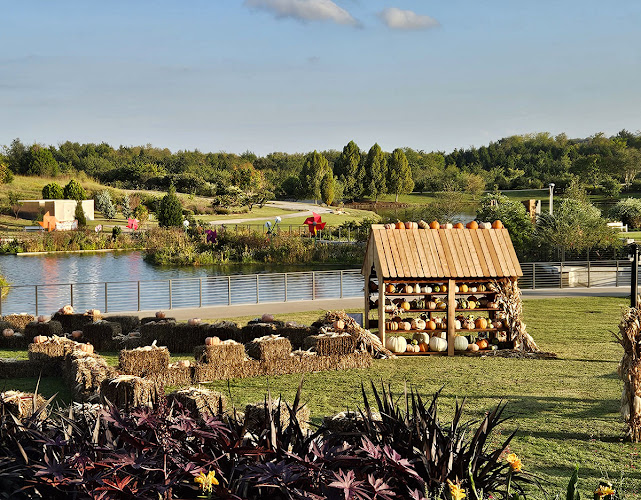
Seasonal programming keeps things fresh. Spring brings Tulsa Botanic Blooms, when the terraces and beds burst with flower displays. Autumn in the Botanic Garden layers in music, evening hours, a display and contest of scarecrows made by community members, and family days that sometimes include a hay maze or pumpkin fun. In winter, the Botanic Garden of Lights festival transforms paths and trees with holiday and Christmas lights for nighttime strolls that pair perfectly with cocoa and a slow camera shutter. If you’re building a weekend in Tulsa, United States of America, the garden’s calendar often nudges the best day and time to swing by.
Accessibility is thoughtfully addressed: wheelchair-accessible entrances, restrooms, and parking are on-site, and many pathways are paved or compacted. That said, the Tandy Terraces are sloped; guests using mobility devices may prefer the gentler routes marked on the map. Facilities are modern—clean public restrooms at the visitor center, water stations when programming is on, and contactless ticketing with credit cards, debit cards, and NFC mobile payments supported. Free on-site parking means arrival is low-fuss. And yes, it’s picnic-friendly; just keep it tidy and follow posted garden-friendly guidelines.
Some travelers expect full bloom year-round—easy mistake. This is a living landscape with textures throughout the season, so flower peaks shift. Spring bulbs make a loud entrance, summer leans into foliage and the Lotus Pool, autumn celebrates grasses and leaves, and winter is restful by day then sparkly at night during the lights season. Set expectations to the calendar, and you’ll have a better time than if you chase April color in November. The garden hosts plant sales, tours, classes, and family programs regularly; see the website calendar before you pick a date.
Key Features
- A.R. and Marylouise Tandy Floral Terraces with Garden Cascade and circular All Seasons Garden
- Bumgarner Family Foundation Lotus Pool with lotus, water lilies, and floating gardens
- Lakeside promenade and three overlooks with panoramic views
- Children’s Discovery Garden with carnivorous plants, a tree fort, insect whirligigs, and the Spring Giant
- Nature trail through prairie and Cross Timbers habitat for birding and gentle hiking
- Stanford Family Liberty Garden with a large lawn, perennial borders, and pavilions for picnics and events
- Seasonal programs: Tulsa Botanic Blooms, Autumn in the Botanic Garden, Botanic Garden of Lights festival
- Picnic-friendly spaces with picnic tables and shaded areas
- Wheelchair accessible entrance, parking, and restrooms; stroller-friendly paths
- Free on-site parking; modern visitor center and public restrooms
- Payments: credit cards, debit cards, and NFC mobile payments accepted
- Kid-friendly activities and kid-friendly hikes; good for multi-generational visits
- Event venue and wedding venue options overlooking water, lawns, and formal garden backdrops
Best Time to Visit
Spring: Mid-March through April is peak bloom for spring flowering bulbs. Picture the Tandy Floral Terraces filled with tulip, daffodil, hyacinth, and crocus—classic colors and crisp textures. Morning light shows off dew and detail; afternoons feel more celebratory. If you want those wow-photos of flower displays, spring is your ace. Crowds are larger on weekends, so weekday mornings are calmer.
Summer: The Lotus Pool takes the crown, with aquatic plants hitting stride and water lilies opening to the sun. It’s also a great time for the Children’s Discovery Garden—plenty of hands-on fun, and shady breaks help kids last longer. Because Oklahoma summers can be toasty, late afternoons and early evenings feel kinder, and sunsets on the lakeside promenade are worth waiting for. Expect colors and textures throughout the season rather than wall-to-wall petals.
Autumn: Warm days, cool nights, and a prairie that turns painterly. Autumn in the Botanic Garden adds after-hours openings, live music, and a playful scarecrow display and contest. Ornamental grasses sway and glow, maples add accent reds, and evening temperatures land in the Goldilocks zone. If you like a garden with some crisp air and seasonal festivities (sometimes including a hay maze for youngsters), this is a sweet spot.
Winter: Daytime strolls are tranquil—evergreens, bark textures, and birds make it quietly beautiful. After dark, the Botanic Garden of Lights festival flips the switch to a holiday glow-up, with Christmas lights tracing paths and canopies. It’s popular, so advance tickets and timed entries are common. Dress warmly and add a pair of light gloves; hands get cold while snapping photos.
Bottom line: If you’re chasing peak blooms, go spring. If you’re chasing atmosphere and events, fall and the holiday lights deliver. For reflective, crowd-light experiences, winter days and midweek mornings year-round are reliably peaceful.
How to Get There
Tulsa Botanic Garden sits about 15–20 minutes northwest of downtown Tulsa in the Osage Hills. Driving is the simplest way to reach it, and free on-site parking removes the arrival hassle. From downtown, head northwest toward the Gilcrease area and follow posted garden signs; the final approach transitions to a scenic two-lane road. Rideshare services work well, especially if you plan to attend an evening event and prefer not to drive back in the dark.
Public transportation in this part of Tulsa is limited, so plan for a car, rideshare, or a taxi. Cycling is possible for skilled riders but involves hilly, rural stretches with limited shoulders. If traveling from Tulsa International Airport, expect roughly a 25–30 minute drive in normal traffic. For navigation, simply enter “Tulsa Botanic Garden” and confirm the route heads northwest of downtown rather than south or east.
On arrival, visitors will find accessible parking spaces near the entrance, a modern ticketing area, and a clear map of the grounds. The core gardens are within a comfortable walk of the visitor center, while the nature trail begins near the lake and loops into prairie and Cross Timbers habitat.
Tips for Visiting
Plan for the season and the sun: This garden shines in every season, but Oklahoma weather does its own thing. In late spring and summer, pack a hat, sunscreen, and a refillable bottle; even with breezes off the water, midday sun is strong. Spring mornings can be cool—light layers help. And after storms, trails may be damp; closed-toe shoes beat sandals.
Check hours, admission, and calendar: Hours vary by season and special events, and admission pricing can differ on high-demand evenings such as the Botanic Garden of Lights festival. Reduced admission is often available for children, and memberships can quickly pay for themselves if you’re local or visiting multiple times. Guests should also look for discounted or free admission days and access programs; see the website for current details.
Time your visit: If photos are your thing, go early or late. Golden hour on the Lotus Pool is a sleeper hit, and the Floral Terraces look fantastic with raking side light. Weekdays see lighter foot traffic, and the first hour after opening tends to be the quietest.
Go beyond the formal beds: Many visitors come for the terraces and then discover the nature trail by accident. Don’t miss it. The loop is short, kid-friendly, and gives context to Tulsa’s surrounding prairie and Cross Timbers landscape. Bring a small pair of binoculars if you like birds; you’ll likely spot more than you expect.
Pack a picnic (and a backup plan): Picnics are welcome in designated areas, and there are picnic tables and open lawns. If a storm pops up—it happens in Oklahoma—the visitor center offers a weather reprieve, and events may move under pavilions when possible. Dispose of food scraps to keep wildlife safe and the lawns pleasant for the next family.
Accessibility notes: The entrance, restrooms, and many paths are wheelchair accessible. The Tandy Terraces include sloped sections; pick up a garden map and follow the accessible routes, which minimize steep grades. Strollers roll easily on most paved paths, but the wildland trail is natural-surface.
Family strategies: The Children’s Discovery Garden is a solid first or last stop, depending on nap schedules. Set a time budget—it’s easy for kids to spend an hour there. The kid-friendly hike is a good reset if attention spans start to fizzle. For little botanists, point out differences among bulbs, perennials, and shrubs on the terraces; it turns the stroll into a mini treasure hunt.
Event savvy: Popular annual events include spring plant sales, Autumn in the Botanic Garden, and the Botanic Garden of Lights festival. For ticketed evenings, snag tickets in advance and arrive a few minutes early for parking and check-in. If you’re considering a wedding or private event, consult the garden’s event team months ahead; prime dates book quickly, and sunset photos at the Lotus Pool are coveted.
Photography etiquette: Personal photography is welcome; commercial sessions typically require a permit—ask at the visitor center. Stay on paths, don’t step into beds for that “just a little closer” shot, and skip drones unless cleared by the garden.
Know the house rules: Pets are generally not allowed except during special dog-day programs; check the calendar if bringing a furry friend is a must-do. No smoking or vaping in the garden. Follow posted guidelines around water features—lotus ponds are for viewing, not wading.
Budget and payments: Besides general admission, plan a small budget for snacks or a memento from the shop if it’s open during your visit. Ticketing accepts credit and debit cards, plus tap-to-pay with NFC mobile payments. Free parking keeps overall costs reasonable for families and groups.
Stay flexible and curious: Not every bed will be at peak every day, and that’s part of the charm. The horticulture team rotates plantings and layers seasonal interest so that something is always in bloom, leaf, or texture. If a favorite flower isn’t popping, wander to the Lotus Pool, the perennial borders in the Stanford Family Liberty Garden, or the prairie edge at sunset. The garden rewards explorers who linger.
Tulsa Botanic Garden succeeds because it doesn’t try to be a theme park. It’s a thoughtful, evolving landscape that invites slow discovery—through formal rhythm on the terraces, a hush along the water, and a wild whisper out on the trail. Travelers who pair realistic expectations with a little seasonal savvy tend to leave with full camera rolls and lighter shoulders. And yes, during the holidays, those Christmas lights make even the grumpiest uncle smile. That’s a win in any book.
Key Features
- A.R. and Marylouise Tandy Floral Terraces with thousands of ornamental plantings
- Extensive spring bulb displays among one of the largest in Oklahoma
- Children’s Discovery Garden with interactive, kid-focused exhibits
- Seasonal events and festivals including evening fundraisers and light shows
- 170-acre site blending formal gardens, meadows, and native plantings
More Details
Updated November 3, 2025
Table of Contents
Description
Tulsa Botanic Garden is the kind of place that travelers recommend with a little sparkle in their voice. Set in the Osage Hills, just northwest of downtown Tulsa, this botanical garden blends formal design with Oklahoma’s wild spirit in a way that feels both polished and personal. It spans a large campus with multiple distinct gardens and miles of paths, yet it’s easy to explore in a couple of unhurried hours. Visitors tend to rave about the seasonal color, kid-friendly features, and the peaceful lakeside promenade. A few share practical caveats—summer heat can be real, shade is not universal, and off-season blooms are naturally lighter. Fair points. But most guests still leave saying, well, that was lovely.
The A.R. and Marylouise Tandy Floral Terraces are the garden’s showpiece—curving stone tiers cascading down a slope with a long water runnel, the Garden Cascade, and a circular All Seasons Garden at the base. In spring, those terraces explode with one of the largest spring bulb displays in the state of Oklahoma—tulip, daffodil, hyacinth, and crocus create color blocks that roll like a painted hillside. In summer, the plant palette shifts to sun-hardy perennials and ornamental grasses, which keep texture and color going even on hot afternoons. The design nods to Tulsa’s Art Deco heritage in its geometry and lines, a subtle wink you might notice from the higher overlooks.
Down by the water, the Bumgarner Family Foundation Lotus Pool anchors the lakeside promenade. It’s a 3/4-acre aquatic garden where lotus and water lilies glide on glossy water and floating gardens brim with hibiscus, iris, and other aquatic plants. Three overlooks offer panoramic views, and on calm days the reflections are almost too good to be real. Many travelers time photos for late day when the low sun turns the reeds to copper—smart move.
Families zero in on the Children’s Discovery Garden, a whimsical learning landscape with carnivorous plants, a tree fort, insect whirligigs, and the one-of-a-kind Spring Giant sculpture peeking over like a friendly guardian. The space is built for hands-on discovery—pull a lever here, pump water there—and caregivers appreciate that kids can burn off energy while learning the difference between perennials, shrubs, and annuals without it feeling like a lecture.
On the wild side, a nature trail leads into prairie and Cross Timbers habitat—classic Oklahoma: blackjack oak, post oak, and tallgrass smiling in the breeze. Birders spot resident songbirds and raptors, and in spring, butterflies trace loops around the wildflowers. The hike is short enough to be kid-friendly, and the terrain offers a tiny taste of Osage County’s rolling landscapes. If you’ve only known Tulsa as urban and artsy, this gentle trail rewrites the script.
For picnics and events, the Stanford Family Liberty Garden is a crowd-pleaser—a broad lawn ringed by perennial borders, pavilions, and a focal flagpole plinth. Guests unfold blankets in the shade, snack at picnic tables, and watch kids cartwheel across the grass. As an event venue and wedding venue, the garden is popular: ceremonies beside the Lotus Pool, golden-hour portraits on the terraces, and receptions with soft string lights and Oklahoma’s big sky handling the rest. It’s photogenic without trying too hard.
Seasonal programming keeps things fresh. Spring brings Tulsa Botanic Blooms, when the terraces and beds burst with flower displays. Autumn in the Botanic Garden layers in music, evening hours, a display and contest of scarecrows made by community members, and family days that sometimes include a hay maze or pumpkin fun. In winter, the Botanic Garden of Lights festival transforms paths and trees with holiday and Christmas lights for nighttime strolls that pair perfectly with cocoa and a slow camera shutter. If you’re building a weekend in Tulsa, United States of America, the garden’s calendar often nudges the best day and time to swing by.
Accessibility is thoughtfully addressed: wheelchair-accessible entrances, restrooms, and parking are on-site, and many pathways are paved or compacted. That said, the Tandy Terraces are sloped; guests using mobility devices may prefer the gentler routes marked on the map. Facilities are modern—clean public restrooms at the visitor center, water stations when programming is on, and contactless ticketing with credit cards, debit cards, and NFC mobile payments supported. Free on-site parking means arrival is low-fuss. And yes, it’s picnic-friendly; just keep it tidy and follow posted garden-friendly guidelines.
Some travelers expect full bloom year-round—easy mistake. This is a living landscape with textures throughout the season, so flower peaks shift. Spring bulbs make a loud entrance, summer leans into foliage and the Lotus Pool, autumn celebrates grasses and leaves, and winter is restful by day then sparkly at night during the lights season. Set expectations to the calendar, and you’ll have a better time than if you chase April color in November. The garden hosts plant sales, tours, classes, and family programs regularly; see the website calendar before you pick a date.
Key Features
- A.R. and Marylouise Tandy Floral Terraces with Garden Cascade and circular All Seasons Garden
- Bumgarner Family Foundation Lotus Pool with lotus, water lilies, and floating gardens
- Lakeside promenade and three overlooks with panoramic views
- Children’s Discovery Garden with carnivorous plants, a tree fort, insect whirligigs, and the Spring Giant
- Nature trail through prairie and Cross Timbers habitat for birding and gentle hiking
- Stanford Family Liberty Garden with a large lawn, perennial borders, and pavilions for picnics and events
- Seasonal programs: Tulsa Botanic Blooms, Autumn in the Botanic Garden, Botanic Garden of Lights festival
- Picnic-friendly spaces with picnic tables and shaded areas
- Wheelchair accessible entrance, parking, and restrooms; stroller-friendly paths
- Free on-site parking; modern visitor center and public restrooms
- Payments: credit cards, debit cards, and NFC mobile payments accepted
- Kid-friendly activities and kid-friendly hikes; good for multi-generational visits
- Event venue and wedding venue options overlooking water, lawns, and formal garden backdrops
Best Time to Visit
Spring: Mid-March through April is peak bloom for spring flowering bulbs. Picture the Tandy Floral Terraces filled with tulip, daffodil, hyacinth, and crocus—classic colors and crisp textures. Morning light shows off dew and detail; afternoons feel more celebratory. If you want those wow-photos of flower displays, spring is your ace. Crowds are larger on weekends, so weekday mornings are calmer.
Summer: The Lotus Pool takes the crown, with aquatic plants hitting stride and water lilies opening to the sun. It’s also a great time for the Children’s Discovery Garden—plenty of hands-on fun, and shady breaks help kids last longer. Because Oklahoma summers can be toasty, late afternoons and early evenings feel kinder, and sunsets on the lakeside promenade are worth waiting for. Expect colors and textures throughout the season rather than wall-to-wall petals.
Autumn: Warm days, cool nights, and a prairie that turns painterly. Autumn in the Botanic Garden adds after-hours openings, live music, and a playful scarecrow display and contest. Ornamental grasses sway and glow, maples add accent reds, and evening temperatures land in the Goldilocks zone. If you like a garden with some crisp air and seasonal festivities (sometimes including a hay maze for youngsters), this is a sweet spot.
Winter: Daytime strolls are tranquil—evergreens, bark textures, and birds make it quietly beautiful. After dark, the Botanic Garden of Lights festival flips the switch to a holiday glow-up, with Christmas lights tracing paths and canopies. It’s popular, so advance tickets and timed entries are common. Dress warmly and add a pair of light gloves; hands get cold while snapping photos.
Bottom line: If you’re chasing peak blooms, go spring. If you’re chasing atmosphere and events, fall and the holiday lights deliver. For reflective, crowd-light experiences, winter days and midweek mornings year-round are reliably peaceful.
How to Get There
Tulsa Botanic Garden sits about 15–20 minutes northwest of downtown Tulsa in the Osage Hills. Driving is the simplest way to reach it, and free on-site parking removes the arrival hassle. From downtown, head northwest toward the Gilcrease area and follow posted garden signs; the final approach transitions to a scenic two-lane road. Rideshare services work well, especially if you plan to attend an evening event and prefer not to drive back in the dark.
Public transportation in this part of Tulsa is limited, so plan for a car, rideshare, or a taxi. Cycling is possible for skilled riders but involves hilly, rural stretches with limited shoulders. If traveling from Tulsa International Airport, expect roughly a 25–30 minute drive in normal traffic. For navigation, simply enter “Tulsa Botanic Garden” and confirm the route heads northwest of downtown rather than south or east.
On arrival, visitors will find accessible parking spaces near the entrance, a modern ticketing area, and a clear map of the grounds. The core gardens are within a comfortable walk of the visitor center, while the nature trail begins near the lake and loops into prairie and Cross Timbers habitat.
Tips for Visiting
Plan for the season and the sun: This garden shines in every season, but Oklahoma weather does its own thing. In late spring and summer, pack a hat, sunscreen, and a refillable bottle; even with breezes off the water, midday sun is strong. Spring mornings can be cool—light layers help. And after storms, trails may be damp; closed-toe shoes beat sandals.
Check hours, admission, and calendar: Hours vary by season and special events, and admission pricing can differ on high-demand evenings such as the Botanic Garden of Lights festival. Reduced admission is often available for children, and memberships can quickly pay for themselves if you’re local or visiting multiple times. Guests should also look for discounted or free admission days and access programs; see the website for current details.
Time your visit: If photos are your thing, go early or late. Golden hour on the Lotus Pool is a sleeper hit, and the Floral Terraces look fantastic with raking side light. Weekdays see lighter foot traffic, and the first hour after opening tends to be the quietest.
Go beyond the formal beds: Many visitors come for the terraces and then discover the nature trail by accident. Don’t miss it. The loop is short, kid-friendly, and gives context to Tulsa’s surrounding prairie and Cross Timbers landscape. Bring a small pair of binoculars if you like birds; you’ll likely spot more than you expect.
Pack a picnic (and a backup plan): Picnics are welcome in designated areas, and there are picnic tables and open lawns. If a storm pops up—it happens in Oklahoma—the visitor center offers a weather reprieve, and events may move under pavilions when possible. Dispose of food scraps to keep wildlife safe and the lawns pleasant for the next family.
Accessibility notes: The entrance, restrooms, and many paths are wheelchair accessible. The Tandy Terraces include sloped sections; pick up a garden map and follow the accessible routes, which minimize steep grades. Strollers roll easily on most paved paths, but the wildland trail is natural-surface.
Family strategies: The Children’s Discovery Garden is a solid first or last stop, depending on nap schedules. Set a time budget—it’s easy for kids to spend an hour there. The kid-friendly hike is a good reset if attention spans start to fizzle. For little botanists, point out differences among bulbs, perennials, and shrubs on the terraces; it turns the stroll into a mini treasure hunt.
Event savvy: Popular annual events include spring plant sales, Autumn in the Botanic Garden, and the Botanic Garden of Lights festival. For ticketed evenings, snag tickets in advance and arrive a few minutes early for parking and check-in. If you’re considering a wedding or private event, consult the garden’s event team months ahead; prime dates book quickly, and sunset photos at the Lotus Pool are coveted.
Photography etiquette: Personal photography is welcome; commercial sessions typically require a permit—ask at the visitor center. Stay on paths, don’t step into beds for that “just a little closer” shot, and skip drones unless cleared by the garden.
Know the house rules: Pets are generally not allowed except during special dog-day programs; check the calendar if bringing a furry friend is a must-do. No smoking or vaping in the garden. Follow posted guidelines around water features—lotus ponds are for viewing, not wading.
Budget and payments: Besides general admission, plan a small budget for snacks or a memento from the shop if it’s open during your visit. Ticketing accepts credit and debit cards, plus tap-to-pay with NFC mobile payments. Free parking keeps overall costs reasonable for families and groups.
Stay flexible and curious: Not every bed will be at peak every day, and that’s part of the charm. The horticulture team rotates plantings and layers seasonal interest so that something is always in bloom, leaf, or texture. If a favorite flower isn’t popping, wander to the Lotus Pool, the perennial borders in the Stanford Family Liberty Garden, or the prairie edge at sunset. The garden rewards explorers who linger.
Tulsa Botanic Garden succeeds because it doesn’t try to be a theme park. It’s a thoughtful, evolving landscape that invites slow discovery—through formal rhythm on the terraces, a hush along the water, and a wild whisper out on the trail. Travelers who pair realistic expectations with a little seasonal savvy tend to leave with full camera rolls and lighter shoulders. And yes, during the holidays, those Christmas lights make even the grumpiest uncle smile. That’s a win in any book.
Key Highlights
- A.R. and Marylouise Tandy Floral Terraces with thousands of ornamental plantings
- Extensive spring bulb displays among one of the largest in Oklahoma
- Children’s Discovery Garden with interactive, kid-focused exhibits
- Seasonal events and festivals including evening fundraisers and light shows
- 170-acre site blending formal gardens, meadows, and native plantings
Location
Places to Stay Near Tulsa Botanic Garden
Find and Book a Tour
Explore More Travel Guides
No reviews found! Be the first to review!
Traveler Reviews for Tulsa Botanic Garden
There are no reviews yet. Be the first one to write one.
Have you visited Tulsa Botanic Garden? Help other travelers by sharing your review.
Nearby Attractions
You Might Also Like

Holiday Inn Express & Suites Tulsa South - Woodland Hills by IHG

Woodward Park and Gardens

Sistado's Salon & Fine Grooming
Find Accommodations Nearby
Recommended Tours & Activities
Visitor Reviews
There are no reviews yet. Be the first one to write one.
Share Your Experience
Have you visited Tulsa Botanic Garden? Help other travelers by leaving a review.