
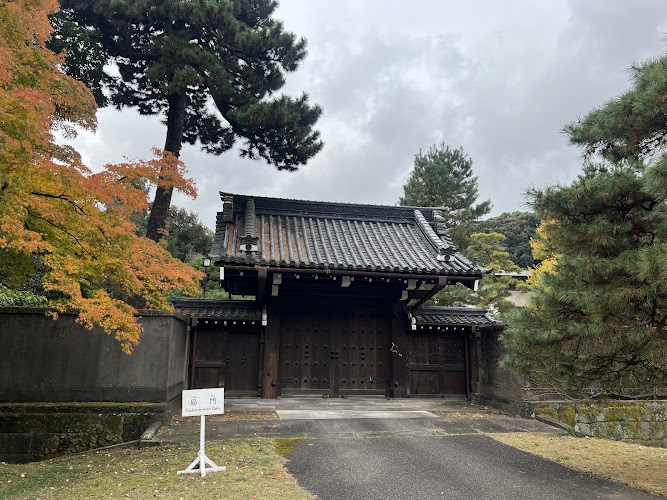
Tsubonemon Gate
About Tsubonemon Gate
Description
Walking through the Tsubonemon Gate feels like stepping into a time machine that whisks you straight back to Japan's fascinating Edo period. I remember my first visit - the sheer scale of this architectural marvel left me absolutely speechless. The gate stands as a proud reminder of Japanese craftsmanship, with its distinctive curved karahafu roof style that seems to reach toward the sky. The dark wood has weathered beautifully over centuries, telling countless stories through its aged patina.Key Features
• Traditional karahafu-style roof with sweeping curves characteristic of Edo period architecture • Intricate wooden joinery crafted without the use of nails • Original stone foundation dating back to its construction • Elaborate carved details adorning the support beams • Massive wooden pillars that have stood strong through centuries • Historical markers explaining the gate's significance in both Japanese and English • Protected status as an important cultural property • Impressive height that makes it visible from several blocks awayBest Time to Visit
Early morning visits offer the most magical experience - I've found the soft morning light creates perfect photo opportunities as it filters through the gate's wooden beams. Spring and fall are particularly spectacular seasons to appreciate the gate's beauty. During cherry blossom season, the contrast between the dark wood and pink petals creates breathtaking views. Fall brings vibrant red and gold leaves that frame the structure perfectly. Avoid rainy season (June-July) when possible, as the wooden structure looks less impressive in gloomy weather.How to Get There
Getting to Tsubonemon Gate is pretty straightforward using Tokyo's efficient public transportation system. From Tokyo Station, take the JR Yamanote Line to the nearest station and follow the clearly marked signs. The gate is about a 10-minute walk from there. If you're coming by taxi, most drivers will know exactly where to drop you off. The gate's imposing structure makes it hard to miss once you're in the vicinity.Tips for Visiting
Take it from someone who's visited multiple times - there are a few insider tips that'll make your visit even better. Bring a good camera because you'll want to capture the incredible architectural details. The lighting can be tricky, so I'd recommend visiting when the sun isn't directly overhead. Early morning or late afternoon provides the best natural lighting for photos. Wear comfortable walking shoes since you'll likely want to explore the surrounding area too. The neighborhood around the gate has some amazing traditional shops and cafes worth checking out. Though the gate itself doesn't take long to appreciate, plan to spend at least an hour in the area to fully soak in the atmosphere. If you're interested in the historical aspects, I suggest downloading some information about Edo period architecture beforehand - it'll help you appreciate the fine details even more. Look for the subtle marks in the wood that show how the entire structure was assembled without nails! During peak tourist seasons, try to arrive before 9 AM to avoid the crowds. And don't forget to look up - some of the most impressive architectural details are above eye level. The craftsmanship in the roof joinery is absolutely mind-blowing when you really take time to study it. One quirky tip most guidebooks won't tell you: the acoustics under the gate are fascinating. Stand directly beneath it and speak normally - you'll notice how your voice carries differently. It's these little discoveries that make visiting historical sites so engaging. Remember that this is still an active cultural site, so maintain appropriate respect while visiting. Taking photos is perfectly fine, but be mindful of other visitors trying to enjoy the space. And yes, I've seen plenty of folks trying to get that perfect Instagram shot - just be patient and wait your turn. Lastly, I always recommend visiting twice if you can - once during daylight hours to appreciate the architectural details, and once at dusk when the gate takes on a completely different character. The way the setting sun plays off the ancient wood creates an atmosphere that simply can't be captured in photos.Key Features
- Key Features
- Best Time to Visit
- How to Get There
- Tips for Visiting
More Details
Updated June 14, 2025
Table of Contents
Description
Walking through the Tsubonemon Gate feels like stepping into a time machine that whisks you straight back to Japan’s fascinating Edo period. I remember my first visit – the sheer scale of this architectural marvel left me absolutely speechless. The gate stands as a proud reminder of Japanese craftsmanship, with its distinctive curved karahafu roof style that seems to reach toward the sky. The dark wood has weathered beautifully over centuries, telling countless stories through its aged patina.
Key Features
• Traditional karahafu-style roof with sweeping curves characteristic of Edo period architecture
• Intricate wooden joinery crafted without the use of nails
• Original stone foundation dating back to its construction
• Elaborate carved details adorning the support beams
• Massive wooden pillars that have stood strong through centuries
• Historical markers explaining the gate’s significance in both Japanese and English
• Protected status as an important cultural property
• Impressive height that makes it visible from several blocks away
Best Time to Visit
Early morning visits offer the most magical experience – I’ve found the soft morning light creates perfect photo opportunities as it filters through the gate’s wooden beams. Spring and fall are particularly spectacular seasons to appreciate the gate’s beauty. During cherry blossom season, the contrast between the dark wood and pink petals creates breathtaking views. Fall brings vibrant red and gold leaves that frame the structure perfectly. Avoid rainy season (June-July) when possible, as the wooden structure looks less impressive in gloomy weather.
How to Get There
Getting to Tsubonemon Gate is pretty straightforward using Tokyo’s efficient public transportation system. From Tokyo Station, take the JR Yamanote Line to the nearest station and follow the clearly marked signs. The gate is about a 10-minute walk from there. If you’re coming by taxi, most drivers will know exactly where to drop you off. The gate’s imposing structure makes it hard to miss once you’re in the vicinity.
Tips for Visiting
Take it from someone who’s visited multiple times – there are a few insider tips that’ll make your visit even better. Bring a good camera because you’ll want to capture the incredible architectural details. The lighting can be tricky, so I’d recommend visiting when the sun isn’t directly overhead. Early morning or late afternoon provides the best natural lighting for photos.
Wear comfortable walking shoes since you’ll likely want to explore the surrounding area too. The neighborhood around the gate has some amazing traditional shops and cafes worth checking out. Though the gate itself doesn’t take long to appreciate, plan to spend at least an hour in the area to fully soak in the atmosphere.
If you’re interested in the historical aspects, I suggest downloading some information about Edo period architecture beforehand – it’ll help you appreciate the fine details even more. Look for the subtle marks in the wood that show how the entire structure was assembled without nails!
During peak tourist seasons, try to arrive before 9 AM to avoid the crowds. And don’t forget to look up – some of the most impressive architectural details are above eye level. The craftsmanship in the roof joinery is absolutely mind-blowing when you really take time to study it.
One quirky tip most guidebooks won’t tell you: the acoustics under the gate are fascinating. Stand directly beneath it and speak normally – you’ll notice how your voice carries differently. It’s these little discoveries that make visiting historical sites so engaging.
Remember that this is still an active cultural site, so maintain appropriate respect while visiting. Taking photos is perfectly fine, but be mindful of other visitors trying to enjoy the space. And yes, I’ve seen plenty of folks trying to get that perfect Instagram shot – just be patient and wait your turn.
Lastly, I always recommend visiting twice if you can – once during daylight hours to appreciate the architectural details, and once at dusk when the gate takes on a completely different character. The way the setting sun plays off the ancient wood creates an atmosphere that simply can’t be captured in photos.
Key Highlights
- Key Features
- Best Time to Visit
- How to Get There
- Tips for Visiting
Location
Places to Stay Near Tsubonemon Gate
Find and Book a Tour
Explore More Travel Guides
No reviews found! Be the first to review!
Traveler Reviews for Tsubonemon Gate
There are no reviews yet. Be the first one to write one.
Have you visited Tsubonemon Gate? Help other travelers by sharing your review.
You Might Also Like

Meiji University Museum

Kanda Myoujin Shrine
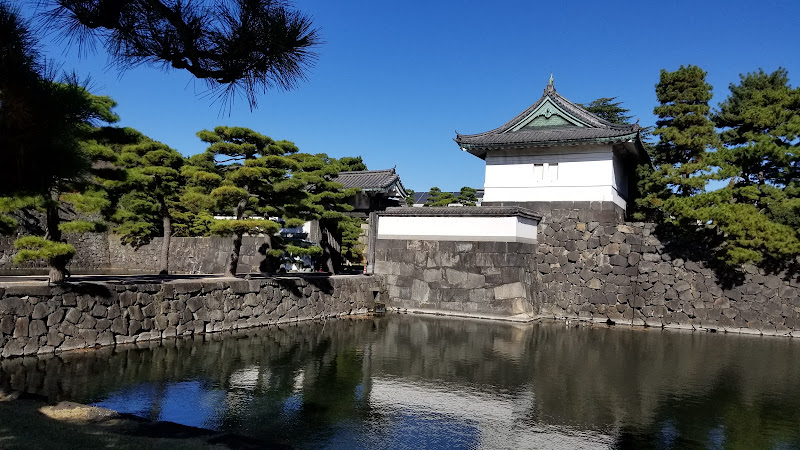
Edo Castle Ruins
Find Accommodations Nearby
Recommended Tours & Activities
Visitor Reviews
There are no reviews yet. Be the first one to write one.
Share Your Experience
Have you visited Tsubonemon Gate? Help other travelers by leaving a review.