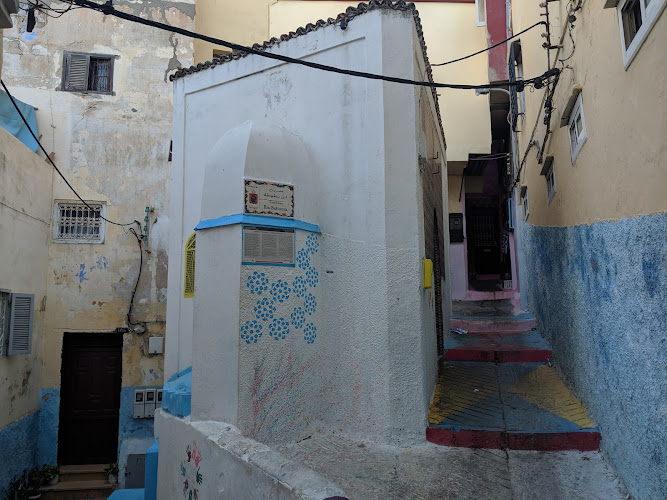
About Tomb of Ibn Batutta

Description

The Tomb of Ibn Battuta in Tangier is one of those places that feels more like a quiet pause than a grand spectacle. It’s not a massive monument or an ornate palace, but rather a modest shrine that holds the memory of one of history’s greatest travelers. Ibn Battuta, often called the “Marco Polo of the Islamic world,” journeyed across Africa, Asia, and even parts of Europe in the 14th century, documenting cultures and encounters that still fascinate historians today. Standing at his tomb, you can almost sense the weight of his journeys—the deserts crossed, the seas sailed, the countless cities visited.

The shrine itself is simple, painted in shades of white and green, with a quiet courtyard that feels almost hidden away in the bustle of Tangier. Some visitors are moved by the history and the aura of the place, while others admit it feels underwhelming compared to the traveler’s legendary life. And honestly, I get both sides. When I first visited, I expected something grander. But then, after a few minutes of just standing there, I realized the simplicity is what makes it special. It’s not about grandeur; it’s about reflection.

The atmosphere is calm, sometimes even hushed, as if people instinctively lower their voices. You’ll often see locals stopping by, paying quiet respects, and tourists lingering with guidebooks in hand. It’s not the kind of attraction where you’ll spend hours, but it’s the kind that leaves an impression if you give it a chance.

Key Features

  • A modest shrine marking the resting place of Ibn Battuta, one of the greatest explorers in history
  • Traditional Moroccan architectural elements with whitewashed walls and green tiles
  • A small courtyard offering a peaceful break from the busy streets of Tangier
  • Local cultural and religious significance, with occasional prayers and offerings
  • A sense of authenticity—this isn’t a polished tourist monument, but a lived-in part of the city

Best Time to Visit

If you’re planning your trip, mornings are usually best. The streets around the tomb are quieter, and you can soak in the atmosphere without the press of crowds. Late afternoons can also be pleasant, especially when the light softens and the city feels less frantic. I wouldn’t recommend midday in the summer—the heat combined with the narrow streets can be exhausting. Spring and autumn are generally the sweet spots for weather in Tangier, making the walk to the tomb much more enjoyable.

And here’s a little personal tip: if you’re into photography, the golden hour just before sunset gives the shrine a warm glow that makes it look far more striking than at noon.

How to Get There

The tomb is tucked away in the Medina, which means you’ll need to do a bit of walking through winding alleys. That’s part of the charm, though—you’ll pass small shops, kids playing soccer, and maybe even a cat or two lounging on doorsteps. It’s not the easiest spot to find without some guidance, so don’t be shy about asking locals. Most people will point you in the right direction with a smile.

If you’re staying near the port or the Kasbah, it’s a manageable walk. Just wear comfortable shoes because the Medina’s cobblestones can be unforgiving. Taxis can get you close, but they can’t drop you right at the entrance since the streets are too narrow. Think of it as part of the adventure—you’re following in the footsteps of a man who crossed continents, after all.

Tips for Visiting

First and foremost, remember this is a shrine, not just a tourist stop. Dress modestly and be respectful of the space. You don’t need to cover head to toe, but being mindful goes a long way.

Don’t expect flashy exhibits or detailed signage. The tomb is more about atmosphere and reflection than information. If you’re curious about Ibn Battuta’s life, it’s worth reading up before your visit or even carrying a guidebook with you. That way, the place comes alive with context.

Accessibility is limited—there’s no wheelchair access and the narrow Medina streets can be tricky for anyone with mobility issues. If that’s a concern, it might not be the easiest site to visit.

Bring a bottle of water, especially if you’re visiting in warmer months. And give yourself time to wander the surrounding Medina after your visit. Sometimes the journey to the tomb is just as memorable as the destination itself. I still remember stumbling into a tiny bakery nearby and buying bread straight from the oven—it was one of the highlights of my day.

Lastly, go in with the right mindset. If you’re expecting a grand mausoleum, you might feel let down. But if you approach it as a quiet moment to connect with the story of a man who literally mapped the world through his travels, you’ll leave with something far more meaningful.

Key Features

  • A modest shrine marking the resting place of Ibn Battuta, one of the greatest explorers in history
  • Traditional Moroccan architectural elements with whitewashed walls and green tiles
  • A small courtyard offering a peaceful break from the busy streets of Tangier
  • Local cultural and religious significance, with occasional prayers and offerings
  • A sense of authenticity—this isn’t a polished tourist monument, but a lived-in part of the city

More Details

Updated September 30, 2025


Description

The Tomb of Ibn Battuta in Tangier is one of those places that feels more like a quiet pause than a grand spectacle. It’s not a massive monument or an ornate palace, but rather a modest shrine that holds the memory of one of history’s greatest travelers. Ibn Battuta, often called the “Marco Polo of the Islamic world,” journeyed across Africa, Asia, and even parts of Europe in the 14th century, documenting cultures and encounters that still fascinate historians today. Standing at his tomb, you can almost sense the weight of his journeys—the deserts crossed, the seas sailed, the countless cities visited.

The shrine itself is simple, painted in shades of white and green, with a quiet courtyard that feels almost hidden away in the bustle of Tangier. Some visitors are moved by the history and the aura of the place, while others admit it feels underwhelming compared to the traveler’s legendary life. And honestly, I get both sides. When I first visited, I expected something grander. But then, after a few minutes of just standing there, I realized the simplicity is what makes it special. It’s not about grandeur; it’s about reflection.

The atmosphere is calm, sometimes even hushed, as if people instinctively lower their voices. You’ll often see locals stopping by, paying quiet respects, and tourists lingering with guidebooks in hand. It’s not the kind of attraction where you’ll spend hours, but it’s the kind that leaves an impression if you give it a chance.

Key Features

  • A modest shrine marking the resting place of Ibn Battuta, one of the greatest explorers in history
  • Traditional Moroccan architectural elements with whitewashed walls and green tiles
  • A small courtyard offering a peaceful break from the busy streets of Tangier
  • Local cultural and religious significance, with occasional prayers and offerings
  • A sense of authenticity—this isn’t a polished tourist monument, but a lived-in part of the city

Best Time to Visit

If you’re planning your trip, mornings are usually best. The streets around the tomb are quieter, and you can soak in the atmosphere without the press of crowds. Late afternoons can also be pleasant, especially when the light softens and the city feels less frantic. I wouldn’t recommend midday in the summer—the heat combined with the narrow streets can be exhausting. Spring and autumn are generally the sweet spots for weather in Tangier, making the walk to the tomb much more enjoyable.

And here’s a little personal tip: if you’re into photography, the golden hour just before sunset gives the shrine a warm glow that makes it look far more striking than at noon.

How to Get There

The tomb is tucked away in the Medina, which means you’ll need to do a bit of walking through winding alleys. That’s part of the charm, though—you’ll pass small shops, kids playing soccer, and maybe even a cat or two lounging on doorsteps. It’s not the easiest spot to find without some guidance, so don’t be shy about asking locals. Most people will point you in the right direction with a smile.

If you’re staying near the port or the Kasbah, it’s a manageable walk. Just wear comfortable shoes because the Medina’s cobblestones can be unforgiving. Taxis can get you close, but they can’t drop you right at the entrance since the streets are too narrow. Think of it as part of the adventure—you’re following in the footsteps of a man who crossed continents, after all.

Tips for Visiting

First and foremost, remember this is a shrine, not just a tourist stop. Dress modestly and be respectful of the space. You don’t need to cover head to toe, but being mindful goes a long way.

Don’t expect flashy exhibits or detailed signage. The tomb is more about atmosphere and reflection than information. If you’re curious about Ibn Battuta’s life, it’s worth reading up before your visit or even carrying a guidebook with you. That way, the place comes alive with context.

Accessibility is limited—there’s no wheelchair access and the narrow Medina streets can be tricky for anyone with mobility issues. If that’s a concern, it might not be the easiest site to visit.

Bring a bottle of water, especially if you’re visiting in warmer months. And give yourself time to wander the surrounding Medina after your visit. Sometimes the journey to the tomb is just as memorable as the destination itself. I still remember stumbling into a tiny bakery nearby and buying bread straight from the oven—it was one of the highlights of my day.

Lastly, go in with the right mindset. If you’re expecting a grand mausoleum, you might feel let down. But if you approach it as a quiet moment to connect with the story of a man who literally mapped the world through his travels, you’ll leave with something far more meaningful.

Key Highlights

  • A modest shrine marking the resting place of Ibn Battuta, one of the greatest explorers in history
  • Traditional Moroccan architectural elements with whitewashed walls and green tiles
  • A small courtyard offering a peaceful break from the busy streets of Tangier
  • Local cultural and religious significance, with occasional prayers and offerings
  • A sense of authenticity—this isn’t a polished tourist monument, but a lived-in part of the city

Location

Places to Stay Near Tomb of Ibn Batutta

Find and Book a Tour

Explore More Travel Guides

No reviews found! Be the first to review!

Traveler Reviews for Tomb of Ibn Batutta

There are no reviews yet. Be the first one to write one.

Share Your Experience

Have you visited Tomb of Ibn Batutta? Help other travelers by sharing your review.

Find Accommodations Nearby

Recommended Tours & Activities

Visitor Reviews

There are no reviews yet. Be the first one to write one.

Share Your Experience

Have you visited Tomb of Ibn Batutta? Help other travelers by leaving a review.