
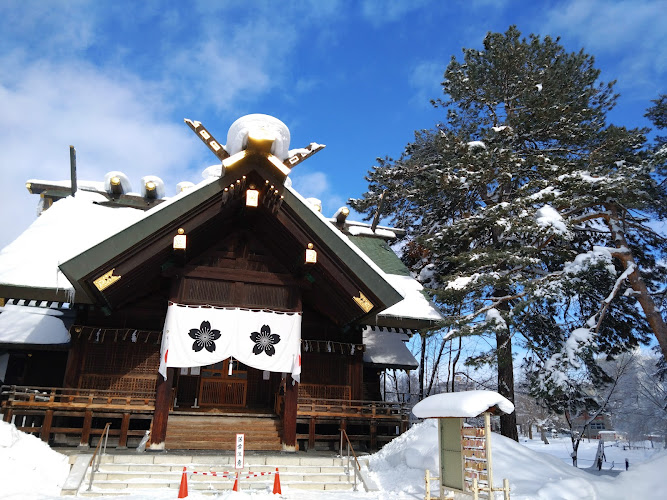
Tokiwa Park
About Tokiwa Park
Description
Tokiwa Park in Asahikawa, Hokkaido, is one of those places that quietly sneaks up on you. It’s not the kind of park that shouts for attention with flashy gimmicks or over-the-top attractions. Instead, it wins you over with its calm, open spaces, its two mirror-like ponds, and the gentle ripples made by swans gliding across the water. There’s something deeply grounding about the place. Maybe it’s the way the cherry blossoms burst into soft pink clouds every spring, or how the crisp northern air feels cleaner here than anywhere else.
I remember my first visit on a chilly morning in early May. The park was waking up slowly—locals walking their dogs, a few kids chasing each other near the playground, and an elderly couple sharing coffee from a thermos on a bench. It wasn’t dramatic, but it felt real. That’s the magic of Tokiwa Park: it’s a living, breathing space where everyday life and natural beauty blend effortlessly.
The park stretches wide, with walking paths circling the ponds and winding through trees that change personality with each season. Spring brings cherry blossoms, summer fills the air with the hum of cicadas, autumn paints everything in warm reds and golds, and winter—well, winter turns the place into a snowy wonderland that feels straight out of a fairytale. It’s a park that rewards repeat visits, each one offering something new.
While it’s popular with families and couples, it’s also a great spot for solo travelers who just want to slow down and breathe for a bit. There’s a sense of calm here that’s hard to find in busier tourist spots. And even when the park gets a bit crowded, it never feels overwhelming. You can always find a quiet corner to sit, think, or maybe just watch the ducks paddle by.
Key Features
- Two large ponds: Perfect for peaceful strolls, photography, or simply watching the swans glide across the water.
- Cherry blossoms in spring: The park transforms into a pastel dreamscape, drawing locals and visitors alike.
- Picnic-friendly areas: With plenty of picnic tables and open lawns, it’s ideal for a relaxed lunch outdoors.
- Playground and kid-friendly hikes: Families with children will find safe and engaging spaces to explore.
- Wheelchair accessibility: The park features accessible entrances and parking, making it easy for everyone to enjoy.
- Public restrooms: Clean and conveniently located throughout the park.
- Dog-friendly: Visitors can bring their furry companions along for a walk.
- Walking and hiking paths: Gentle trails suitable for all levels, offering scenic views around the ponds and gardens.
Best Time to Visit
If you ask me, the best time to visit depends on what kind of experience you’re after. Spring is pure magic—those cherry blossoms are the kind of thing that make you stop mid-step and just stare. They don’t last long, maybe a week or two if you’re lucky, but it’s worth timing your trip around them. Summer brings lush greenery and warm days perfect for picnics or paddle boating. It’s also when local families come out in full force, giving the park a lovely community vibe.
Autumn, though, might be my personal favorite. The air gets cooler, the crowds thin out, and the maples turn fiery red and gold. It’s quieter, and there’s something cozy about walking through fallen leaves, hearing them crunch underfoot. Winter is a whole different story—snow blankets everything, and the park takes on a peaceful stillness. Bundle up, grab a hot drink, and you’ll see a side of Hokkaido that’s hard to forget.
Honestly, there’s no bad time to visit. Each season has its charm. Just dress for the weather—Hokkaido can get seriously cold in winter, and summer, while mild, can still surprise you with sudden rain showers.
How to Get There
Reaching Tokiwa Park is pretty straightforward, especially if you’re already in Asahikawa. The park sits right in the heart of the city, making it a convenient stop for anyone exploring the area. From Asahikawa Station, it’s just a short walk or a quick bus ride away. You can even rent a bicycle if you prefer to move at your own pace—there’s something freeing about cycling through Asahikawa’s streets on a crisp morning.
If you’re coming from Sapporo, you can take a train to Asahikawa, which usually takes around an hour and a half. Once you arrive, local buses and taxis are readily available. The roads are well signposted, and you’ll likely spot the park’s greenery before you even get close. For drivers, there’s parking nearby, including accessible spaces for those who need them.
It’s worth noting that public transport in Hokkaido tends to run on time (almost to the minute), so planning your route is easy. And if you’re visiting during winter, keep an eye on weather conditions—snow can sometimes slow things down, but it also makes the journey feel like part of the adventure.
Tips for Visiting
Here’s what I’ve learned from a few visits and a couple of mistakes along the way. First off, bring snacks or a picnic. There are vending machines and small shops nearby, but nothing beats sitting by the pond with your own lunch spread. Just remember to clean up afterward—locals take pride in keeping the park spotless.
If you’re into photography, go early in the morning or late in the afternoon. The light is softer, and you’ll catch stunning reflections on the ponds. During cherry blossom season, the park can get busy, so arriving early helps you beat the crowds. On the flip side, visiting in winter means fewer people and a peaceful, almost meditative atmosphere.
Wear comfortable shoes. The walking paths are well-maintained, but you’ll probably end up wandering more than you planned—there’s always another corner that catches your eye. And if you’re traveling with kids, the playground is a lifesaver. It’s safe, clean, and gives parents a chance to relax while the little ones burn off energy.
Dog owners will be happy to know pets are welcome, as long as they’re leashed. I met a local who walks his Shiba Inu here every morning, and he swears the park is the best place in town for both exercise and socializing (for humans and dogs alike).
Lastly, don’t rush. Tokiwa Park isn’t meant to be “checked off” a list—it’s a place to linger. Sit by the water, listen to the wind in the trees, and just let yourself slow down. In a world that’s always rushing, that’s a rare gift.
So whether you’re a first-time visitor to Hokkaido or a seasoned traveler looking for a quiet escape, Tokiwa Park is worth your time. It’s not flashy or loud—it’s simply beautiful in that effortless, understated way that Japan does so well. And once you’ve been, you’ll understand why people keep coming back.
Key Features
- Key Features
- Best Time to Visit
- How to Get There
- Tips for Visiting
More Details
Updated December 1, 2025
Table of Contents
Description
Tokiwa Park in Asahikawa, Hokkaido, is one of those places that quietly sneaks up on you. It’s not the kind of park that shouts for attention with flashy gimmicks or over-the-top attractions. Instead, it wins you over with its calm, open spaces, its two mirror-like ponds, and the gentle ripples made by swans gliding across the water. There’s something deeply grounding about the place. Maybe it’s the way the cherry blossoms burst into soft pink clouds every spring, or how the crisp northern air feels cleaner here than anywhere else.
I remember my first visit on a chilly morning in early May. The park was waking up slowly—locals walking their dogs, a few kids chasing each other near the playground, and an elderly couple sharing coffee from a thermos on a bench. It wasn’t dramatic, but it felt real. That’s the magic of Tokiwa Park: it’s a living, breathing space where everyday life and natural beauty blend effortlessly.
The park stretches wide, with walking paths circling the ponds and winding through trees that change personality with each season. Spring brings cherry blossoms, summer fills the air with the hum of cicadas, autumn paints everything in warm reds and golds, and winter—well, winter turns the place into a snowy wonderland that feels straight out of a fairytale. It’s a park that rewards repeat visits, each one offering something new.
While it’s popular with families and couples, it’s also a great spot for solo travelers who just want to slow down and breathe for a bit. There’s a sense of calm here that’s hard to find in busier tourist spots. And even when the park gets a bit crowded, it never feels overwhelming. You can always find a quiet corner to sit, think, or maybe just watch the ducks paddle by.
Key Features
- Two large ponds: Perfect for peaceful strolls, photography, or simply watching the swans glide across the water.
- Cherry blossoms in spring: The park transforms into a pastel dreamscape, drawing locals and visitors alike.
- Picnic-friendly areas: With plenty of picnic tables and open lawns, it’s ideal for a relaxed lunch outdoors.
- Playground and kid-friendly hikes: Families with children will find safe and engaging spaces to explore.
- Wheelchair accessibility: The park features accessible entrances and parking, making it easy for everyone to enjoy.
- Public restrooms: Clean and conveniently located throughout the park.
- Dog-friendly: Visitors can bring their furry companions along for a walk.
- Walking and hiking paths: Gentle trails suitable for all levels, offering scenic views around the ponds and gardens.
Best Time to Visit
If you ask me, the best time to visit depends on what kind of experience you’re after. Spring is pure magic—those cherry blossoms are the kind of thing that make you stop mid-step and just stare. They don’t last long, maybe a week or two if you’re lucky, but it’s worth timing your trip around them. Summer brings lush greenery and warm days perfect for picnics or paddle boating. It’s also when local families come out in full force, giving the park a lovely community vibe.
Autumn, though, might be my personal favorite. The air gets cooler, the crowds thin out, and the maples turn fiery red and gold. It’s quieter, and there’s something cozy about walking through fallen leaves, hearing them crunch underfoot. Winter is a whole different story—snow blankets everything, and the park takes on a peaceful stillness. Bundle up, grab a hot drink, and you’ll see a side of Hokkaido that’s hard to forget.
Honestly, there’s no bad time to visit. Each season has its charm. Just dress for the weather—Hokkaido can get seriously cold in winter, and summer, while mild, can still surprise you with sudden rain showers.
How to Get There
Reaching Tokiwa Park is pretty straightforward, especially if you’re already in Asahikawa. The park sits right in the heart of the city, making it a convenient stop for anyone exploring the area. From Asahikawa Station, it’s just a short walk or a quick bus ride away. You can even rent a bicycle if you prefer to move at your own pace—there’s something freeing about cycling through Asahikawa’s streets on a crisp morning.
If you’re coming from Sapporo, you can take a train to Asahikawa, which usually takes around an hour and a half. Once you arrive, local buses and taxis are readily available. The roads are well signposted, and you’ll likely spot the park’s greenery before you even get close. For drivers, there’s parking nearby, including accessible spaces for those who need them.
It’s worth noting that public transport in Hokkaido tends to run on time (almost to the minute), so planning your route is easy. And if you’re visiting during winter, keep an eye on weather conditions—snow can sometimes slow things down, but it also makes the journey feel like part of the adventure.
Tips for Visiting
Here’s what I’ve learned from a few visits and a couple of mistakes along the way. First off, bring snacks or a picnic. There are vending machines and small shops nearby, but nothing beats sitting by the pond with your own lunch spread. Just remember to clean up afterward—locals take pride in keeping the park spotless.
If you’re into photography, go early in the morning or late in the afternoon. The light is softer, and you’ll catch stunning reflections on the ponds. During cherry blossom season, the park can get busy, so arriving early helps you beat the crowds. On the flip side, visiting in winter means fewer people and a peaceful, almost meditative atmosphere.
Wear comfortable shoes. The walking paths are well-maintained, but you’ll probably end up wandering more than you planned—there’s always another corner that catches your eye. And if you’re traveling with kids, the playground is a lifesaver. It’s safe, clean, and gives parents a chance to relax while the little ones burn off energy.
Dog owners will be happy to know pets are welcome, as long as they’re leashed. I met a local who walks his Shiba Inu here every morning, and he swears the park is the best place in town for both exercise and socializing (for humans and dogs alike).
Lastly, don’t rush. Tokiwa Park isn’t meant to be “checked off” a list—it’s a place to linger. Sit by the water, listen to the wind in the trees, and just let yourself slow down. In a world that’s always rushing, that’s a rare gift.
So whether you’re a first-time visitor to Hokkaido or a seasoned traveler looking for a quiet escape, Tokiwa Park is worth your time. It’s not flashy or loud—it’s simply beautiful in that effortless, understated way that Japan does so well. And once you’ve been, you’ll understand why people keep coming back.
Key Highlights
- Key Features
- Best Time to Visit
- How to Get There
- Tips for Visiting
Location
Places to Stay Near Tokiwa Park
Find and Book a Tour
Explore More Travel Guides
No reviews found! Be the first to review!
Traveler Reviews for Tokiwa Park
There are no reviews yet. Be the first one to write one.
Have you visited Tokiwa Park? Help other travelers by sharing your review.
You Might Also Like
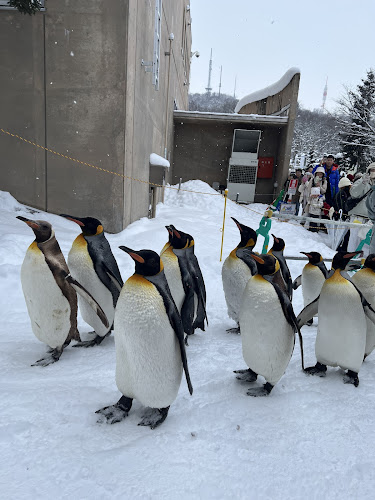
Asahiyama Park

Asahiyama Zoo
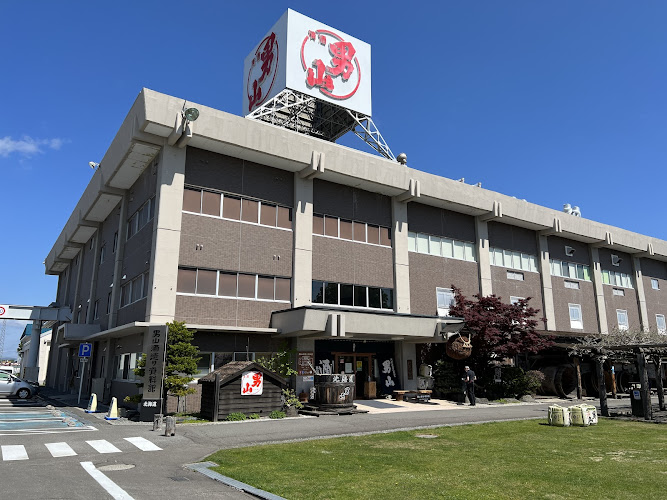
Otokoyama Sake Brewing Museum
Find Accommodations Nearby
Recommended Tours & Activities
Visitor Reviews
There are no reviews yet. Be the first one to write one.
Share Your Experience
Have you visited Tokiwa Park? Help other travelers by leaving a review.