About Asahikawa Science Museum

Description

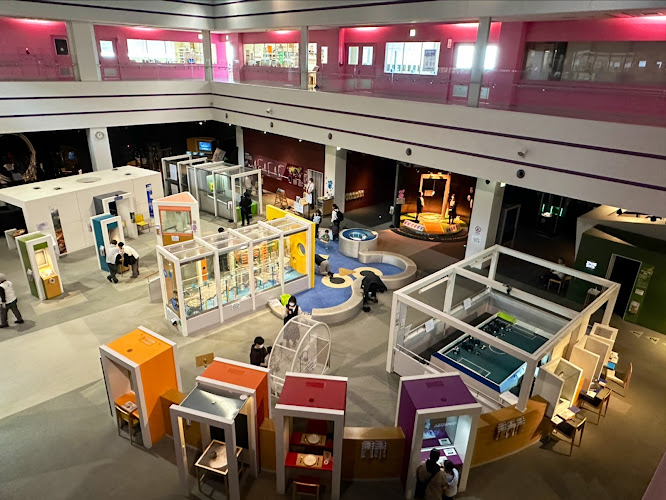
The Asahikawa Science Museum, known locally as “Scipal,” is one of those places that quietly surprises you. It’s not massive or overly flashy like some of the big city museums, but it’s got that rare charm that makes you want to linger a little longer than planned. It’s the kind of spot where kids’ laughter mixes with the soft hum of interactive exhibits, and even adults find themselves pressing buttons, spinning levers, or peering through telescopes with genuine curiosity.

Located in the heart of Asahikawa, Hokkaido, this museum is a hands-on science playground that blends education with fun in a way that feels effortless. You don’t need to be a science buff to enjoy it—though if you are, you’ll definitely appreciate the attention to detail in the exhibits. The museum covers everything from the wonders of the natural world and physics to the vast mysteries of outer space. And yes, the planetarium is easily one of the best parts. There’s something magical about sitting under that dome, watching stars and galaxies swirl above while the narration gently guides you through the cosmos.

What I personally love about this place is how approachable it is. You don’t feel rushed or overwhelmed. The layouts are intuitive, the staff are friendly, and there’s a sense that the museum was designed with real people in mind—not just science enthusiasts or tourists ticking boxes. It’s also refreshingly family-friendly, with plenty of exhibits that invite kids to touch, play, and learn without being told “don’t touch that.”

Sure, not every display is cutting-edge, and some sections show their age a bit, but that’s part of its charm. It feels lived-in, loved, and constantly evolving. You can tell the people behind it genuinely care about sparking curiosity in visitors of all ages. Whether you’re visiting on a rainy day or just looking for something meaningful to do in Asahikawa, this museum offers a wholesome, engaging break from the usual sightseeing circuit.

Key Features

  • Interactive Exhibits: Over a hundred hands-on displays covering physics, biology, and space science. Perfect for tactile learners and curious minds of all ages.
  • Planetarium: A state-of-the-art dome theater offering immersive shows about stars, planets, and cosmic phenomena. The presentations rotate seasonally, so there’s always something new to see.
  • Science Theater: A small but engaging theater where short films and demonstrations bring scientific concepts to life in an entertaining way.
  • Observatory: On clear days, visitors can use telescopes to observe the sun or night sky. It’s a highlight for astronomy enthusiasts and kids alike.
  • Accessibility: Fully wheelchair accessible, with ramps, accessible restrooms, and dedicated parking spaces. The museum is thoughtfully designed for all visitors.
  • Family-Friendly Facilities: Changing tables, kid-friendly exhibits, and plenty of space for strollers make it ideal for families traveling with young children.
  • Educational Programs: Regular workshops and science demonstrations cater to both children and adults, often themed around seasonal events or local nature.

If you’re the kind of traveler who likes to actually do things rather than just look at them, this place will hit the spot. It’s interactive in the best way—no dry lectures or endless reading panels. You get to experiment, explore, and maybe even rediscover that childlike sense of wonder that travel sometimes sparks.

Best Time to Visit

Honestly, there’s no bad time to visit the Asahikawa Science Museum, but each season brings a slightly different experience. Winter, for instance, is perfect if you’re already in town for the snow festival or skiing and need a cozy indoor break. The planetarium shows during this time often highlight constellations visible in the crisp Hokkaido night sky, which makes it feel extra special.

Spring and autumn are quieter, which means fewer crowds and more time to enjoy the exhibits at your own pace. I visited in early May once, and it was blissfully calm—you could actually hear the soft whir of the displays and take your time without bumping into anyone. Summer, on the other hand, tends to be busier with families on vacation, but it’s also when the museum runs extra events and hands-on science workshops for kids.

If you’re planning your trip strategically, aim for weekday mornings. The lighting is lovely, the staff are fresh and energetic, and you’ll have more space to wander freely. Plus, the planetarium shows are often less crowded then, which makes the experience more immersive.

How to Get There

Getting to the Asahikawa Science Museum is pretty straightforward. If you’re staying near Asahikawa Station, it’s about a 20-minute walk—an easy stroll if the weather’s nice. On colder days (and trust me, Asahikawa winters can be seriously cold), you might prefer to take a short taxi ride or hop on a local bus that stops nearby.

For those driving, there’s free on-site parking, including spaces for families and accessible parking for visitors with mobility needs. The museum’s location makes it a convenient stop if you’re exploring other attractions in the city, like the Asahiyama Zoo or Tokiwa Park.

If you’re traveling with kids, the walk from the station can be a fun mini-adventure—there are plenty of little shops and cafes along the way where you can grab a snack or warm drink. I’ve done the walk in winter, bundled up in layers, with snowflakes swirling around, and it honestly felt like part of the experience.

Tips for Visiting

Here’s the thing about the Asahikawa Science Museum—it’s one of those places that rewards a bit of planning. A few simple tips can really make your visit smoother and more enjoyable.

  • Check the planetarium schedule: The shows run at specific times and sometimes change depending on the season, so it’s worth checking the schedule when you arrive. The English-language sessions are limited, but even the Japanese ones are worth it for the visuals alone.
  • Go early or late in the day: Midday tends to get busy with school groups and families, especially on weekends. If you can, visit right after opening or closer to closing time for a quieter experience.
  • Bring socks: Some sections of the museum encourage kids to explore barefoot or in socks, especially in the play zones. It’s not mandatory, but having a clean pair handy is always a good idea.
  • Don’t rush: It’s tempting to breeze through, but take your time with the interactive exhibits. Some of them reveal their charm only after a bit of tinkering or observation.
  • Combine your visit: If you’re planning a day in Asahikawa, pair your museum trip with a visit to the nearby zoo or local cafes. It’s a great way to balance fun and relaxation.
  • Bring snacks or eat beforehand: The museum doesn’t have a restaurant, though there are vending machines and convenience stores nearby. A quick snack before or after can keep energy levels up, especially if you’re exploring with kids.

And one more thing—don’t forget to look up when you’re in the planetarium. It sounds obvious, but I’ve seen people fiddling with their phones instead of watching the stars unfold above. Trust me, it’s worth putting the screen away for a few minutes. The projection is stunning, and if you’re lucky, you might catch one of their special seasonal shows that highlight constellations unique to Hokkaido’s night sky.

In a world where so many attractions feel over-commercialized or too polished, the Asahikawa Science Museum stands out for its sincerity. It’s not trying to be the biggest or the flashiest—it’s just genuinely good at what it does: making science feel alive, approachable, and fun. Whether you’re traveling solo, with friends, or with your family, it’s a spot that leaves you a little more curious about the world than when you walked in. And really, that’s the best kind of souvenir you can take home.

Key Features

  • Key Features
  • Best Time to Visit
  • How to Get There
  • Tips for Visiting

More Details

Updated December 1, 2025


Description

The Asahikawa Science Museum, known locally as “Scipal,” is one of those places that quietly surprises you. It’s not massive or overly flashy like some of the big city museums, but it’s got that rare charm that makes you want to linger a little longer than planned. It’s the kind of spot where kids’ laughter mixes with the soft hum of interactive exhibits, and even adults find themselves pressing buttons, spinning levers, or peering through telescopes with genuine curiosity.

Located in the heart of Asahikawa, Hokkaido, this museum is a hands-on science playground that blends education with fun in a way that feels effortless. You don’t need to be a science buff to enjoy it—though if you are, you’ll definitely appreciate the attention to detail in the exhibits. The museum covers everything from the wonders of the natural world and physics to the vast mysteries of outer space. And yes, the planetarium is easily one of the best parts. There’s something magical about sitting under that dome, watching stars and galaxies swirl above while the narration gently guides you through the cosmos.

What I personally love about this place is how approachable it is. You don’t feel rushed or overwhelmed. The layouts are intuitive, the staff are friendly, and there’s a sense that the museum was designed with real people in mind—not just science enthusiasts or tourists ticking boxes. It’s also refreshingly family-friendly, with plenty of exhibits that invite kids to touch, play, and learn without being told “don’t touch that.”

Sure, not every display is cutting-edge, and some sections show their age a bit, but that’s part of its charm. It feels lived-in, loved, and constantly evolving. You can tell the people behind it genuinely care about sparking curiosity in visitors of all ages. Whether you’re visiting on a rainy day or just looking for something meaningful to do in Asahikawa, this museum offers a wholesome, engaging break from the usual sightseeing circuit.

Key Features

  • Interactive Exhibits: Over a hundred hands-on displays covering physics, biology, and space science. Perfect for tactile learners and curious minds of all ages.
  • Planetarium: A state-of-the-art dome theater offering immersive shows about stars, planets, and cosmic phenomena. The presentations rotate seasonally, so there’s always something new to see.
  • Science Theater: A small but engaging theater where short films and demonstrations bring scientific concepts to life in an entertaining way.
  • Observatory: On clear days, visitors can use telescopes to observe the sun or night sky. It’s a highlight for astronomy enthusiasts and kids alike.
  • Accessibility: Fully wheelchair accessible, with ramps, accessible restrooms, and dedicated parking spaces. The museum is thoughtfully designed for all visitors.
  • Family-Friendly Facilities: Changing tables, kid-friendly exhibits, and plenty of space for strollers make it ideal for families traveling with young children.
  • Educational Programs: Regular workshops and science demonstrations cater to both children and adults, often themed around seasonal events or local nature.

If you’re the kind of traveler who likes to actually do things rather than just look at them, this place will hit the spot. It’s interactive in the best way—no dry lectures or endless reading panels. You get to experiment, explore, and maybe even rediscover that childlike sense of wonder that travel sometimes sparks.

Best Time to Visit

Honestly, there’s no bad time to visit the Asahikawa Science Museum, but each season brings a slightly different experience. Winter, for instance, is perfect if you’re already in town for the snow festival or skiing and need a cozy indoor break. The planetarium shows during this time often highlight constellations visible in the crisp Hokkaido night sky, which makes it feel extra special.

Spring and autumn are quieter, which means fewer crowds and more time to enjoy the exhibits at your own pace. I visited in early May once, and it was blissfully calm—you could actually hear the soft whir of the displays and take your time without bumping into anyone. Summer, on the other hand, tends to be busier with families on vacation, but it’s also when the museum runs extra events and hands-on science workshops for kids.

If you’re planning your trip strategically, aim for weekday mornings. The lighting is lovely, the staff are fresh and energetic, and you’ll have more space to wander freely. Plus, the planetarium shows are often less crowded then, which makes the experience more immersive.

How to Get There

Getting to the Asahikawa Science Museum is pretty straightforward. If you’re staying near Asahikawa Station, it’s about a 20-minute walk—an easy stroll if the weather’s nice. On colder days (and trust me, Asahikawa winters can be seriously cold), you might prefer to take a short taxi ride or hop on a local bus that stops nearby.

For those driving, there’s free on-site parking, including spaces for families and accessible parking for visitors with mobility needs. The museum’s location makes it a convenient stop if you’re exploring other attractions in the city, like the Asahiyama Zoo or Tokiwa Park.

If you’re traveling with kids, the walk from the station can be a fun mini-adventure—there are plenty of little shops and cafes along the way where you can grab a snack or warm drink. I’ve done the walk in winter, bundled up in layers, with snowflakes swirling around, and it honestly felt like part of the experience.

Tips for Visiting

Here’s the thing about the Asahikawa Science Museum—it’s one of those places that rewards a bit of planning. A few simple tips can really make your visit smoother and more enjoyable.

  • Check the planetarium schedule: The shows run at specific times and sometimes change depending on the season, so it’s worth checking the schedule when you arrive. The English-language sessions are limited, but even the Japanese ones are worth it for the visuals alone.
  • Go early or late in the day: Midday tends to get busy with school groups and families, especially on weekends. If you can, visit right after opening or closer to closing time for a quieter experience.
  • Bring socks: Some sections of the museum encourage kids to explore barefoot or in socks, especially in the play zones. It’s not mandatory, but having a clean pair handy is always a good idea.
  • Don’t rush: It’s tempting to breeze through, but take your time with the interactive exhibits. Some of them reveal their charm only after a bit of tinkering or observation.
  • Combine your visit: If you’re planning a day in Asahikawa, pair your museum trip with a visit to the nearby zoo or local cafes. It’s a great way to balance fun and relaxation.
  • Bring snacks or eat beforehand: The museum doesn’t have a restaurant, though there are vending machines and convenience stores nearby. A quick snack before or after can keep energy levels up, especially if you’re exploring with kids.

And one more thing—don’t forget to look up when you’re in the planetarium. It sounds obvious, but I’ve seen people fiddling with their phones instead of watching the stars unfold above. Trust me, it’s worth putting the screen away for a few minutes. The projection is stunning, and if you’re lucky, you might catch one of their special seasonal shows that highlight constellations unique to Hokkaido’s night sky.

In a world where so many attractions feel over-commercialized or too polished, the Asahikawa Science Museum stands out for its sincerity. It’s not trying to be the biggest or the flashiest—it’s just genuinely good at what it does: making science feel alive, approachable, and fun. Whether you’re traveling solo, with friends, or with your family, it’s a spot that leaves you a little more curious about the world than when you walked in. And really, that’s the best kind of souvenir you can take home.

Key Highlights

  • Key Features
  • Best Time to Visit
  • How to Get There
  • Tips for Visiting

Location

Places to Stay Near Asahikawa Science Museum

Find and Book a Tour

Explore More Travel Guides

No reviews found! Be the first to review!

Traveler Reviews for Asahikawa Science Museum

There are no reviews yet. Be the first one to write one.

Share Your Experience

Have you visited Asahikawa Science Museum? Help other travelers by sharing your review.

Find Accommodations Nearby

Recommended Tours & Activities

Visitor Reviews

There are no reviews yet. Be the first one to write one.

Share Your Experience

Have you visited Asahikawa Science Museum? Help other travelers by leaving a review.