
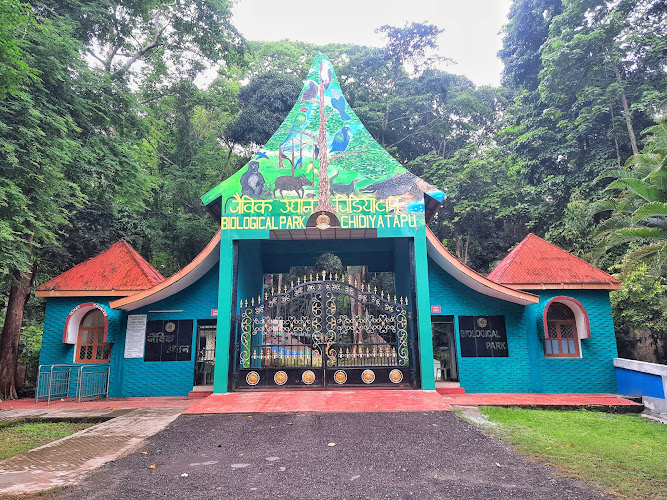
The Port Blair Biological Park – South Andaman District, Andaman and Nicobar Islands, India
About The Port Blair Biological Park – South Andaman District, Andaman and Nicobar Islands, India
Description
The Port Blair Biological Park stands as one of South Andaman's most fascinating wildlife destinations, offering travelers a rare glimpse into the unique ecosystem of the Andaman and Nicobar Islands. This carefully maintained park serves as both a conservation center and an educational experience, where visitors can encounter species that are endemic to this remote island chain in the Bay of Bengal.
What makes this biological park particularly special is its focus on preserving the indigenous flora and fauna of the Andamans. You'll find yourself walking through well-designed pathways that wind through natural habitats, each section thoughtfully created to showcase different aspects of the island's biodiversity. The park manages to strike that delicate balance between accessibility for tourists and maintaining the integrity of natural habitats - something I've noticed many wildlife parks struggle with.
One of the park's most impressive features is its saltwater crocodile enclosure, home to some truly magnificent specimens of Crocodylus porosus</em. These ancient predators, often called "salties," are perfectly adapted to the brackish waters found throughout the Andaman Islands. Watching these powerful creatures in their specially designed habitat gives visitors an appreciation for the raw, untamed nature that still exists in these remote islands.
The park's commitment to education becomes evident as you explore its various sections. Interactive displays and information boards help visitors understand the complex relationships between different species and their environment. But honestly, sometimes the best learning happens when you simply observe - like watching the local bird species interact or seeing how different plants have adapted to the tropical climate.
Beyond its conservation mission, the biological park provides an excellent introduction to the Andaman Islands' natural heritage. Many travelers use it as their first stop to understand what makes these islands ecologically unique before venturing out to explore the broader archipelago.
Key Features
The Port Blair Biological Park offers several distinctive attractions that set it apart from typical wildlife parks:
- Saltwater Crocodile Sanctuary - Home to impressive specimens of the world's largest living reptile, these crocodiles represent the apex predators of the Andaman ecosystem
- Endemic Species Conservation - The park focuses specifically on plants and animals found nowhere else on Earth except the Andaman and Nicobar Islands
- Wheelchair Accessible Infrastructure - Well-designed pathways and facilities ensure that visitors with mobility challenges can fully enjoy the experience
- Kid-Friendly Hiking Trails - Multiple trail options allow families to choose routes appropriate for different ages and fitness levels
- Educational Interpretation Centers - Interactive displays provide context about island ecology and conservation efforts
- Native Plant Exhibits - Carefully curated sections showcase the remarkable botanical diversity of tropical island ecosystems
- Bird Watching Opportunities - The park serves as habitat for numerous resident and migratory bird species
- Photography-Friendly Design - Strategic viewing areas and natural lighting make it an excellent location for wildlife photography
Best Time to Visit
Timing your visit to the Port Blair Biological Park can significantly impact your experience, and honestly, the weather in the Andamans plays a much bigger role than most people realize. The ideal months for visiting fall between November and April, when the northeast monsoon has subsided and temperatures remain relatively comfortable for outdoor exploration.
During these cooler months, you'll find the wildlife more active, especially during early morning hours between 8 AM and 10 AM. The crocodiles tend to be more visible during this time, often basking in the morning sun before the day becomes too hot. I've noticed that many animals in tropical climates follow this pattern - they're most active when temperatures are moderate.
The monsoon season, roughly from May through October, brings its own challenges and opportunities. While the park remains open, heavy rainfall can make some trails muddy and less accessible. However, the monsoon period also brings out the most lush, green appearance of the vegetation, and some visitors actually prefer this more dramatic landscape.
If you're planning your trip around wildlife activity, consider that early morning visits (the park typically opens around 8:30 AM) offer the best opportunities for animal observation. Late afternoon visits, around 3 PM to 5 PM, can also be productive as temperatures begin to cool and animals become more active again.
One thing to keep in mind - and this applies to most outdoor activities in the Andamans - is that the weather can change quickly. Even during the dry season, afternoon thunderstorms are common, so flexibility in your schedule helps ensure you get the most out of your visit.
How to Get There
Getting to the Port Blair Biological Park is relatively straightforward once you're in Port Blair, though like many things in the Andamans, it requires a bit of planning. The park is located within reasonable distance of Port Blair's main areas, making it accessible by various transportation options.
Most travelers find that hiring an auto-rickshaw provides the most convenient and cost-effective transportation to the park. The drivers in Port Blair are generally familiar with the location, and the ride gives you a chance to see more of the local area. Auto-rickshaw fares are typically reasonable, though it's always wise to agree on the price before starting your journey.
If you're renting a scooter or motorcycle - which many visitors do to explore Port Blair and surrounding areas - the park is easily accessible by road. The route is well-marked, and parking facilities are available on-site. This option gives you the flexibility to explore other nearby attractions at your own pace.
For those staying at hotels in central Port Blair, some accommodations can arrange transportation to the park, either through their own services or by connecting you with reliable local drivers. This can be particularly helpful if you're traveling with elderly family members or young children, as it ensures reliable pickup and return transportation.
Taxi services are also available, though they tend to be more expensive than auto-rickshaws. However, taxis can be a good option if you're planning to visit multiple attractions in a single day, as drivers often offer half-day or full-day packages that can provide good value.
The park provides adequate parking for those who choose to drive themselves, and the wheelchair-accessible parking areas make it convenient for visitors with mobility needs.
Tips for Visiting
After talking with numerous travelers who've visited the Port Blair Biological Park, certain practical tips consistently emerge that can significantly improve your experience. First and foremost, bring plenty of water - the tropical humidity can be deceiving, and you'll likely find yourself getting dehydrated more quickly than expected, especially if you're coming from a cooler climate.
Comfortable, closed-toe walking shoes are essential. While the pathways are well-maintained, you'll be doing a fair amount of walking on various surfaces, and the tropical environment means your feet need protection from insects and occasional uneven ground. Flip-flops might seem logical in the heat, but they're really not practical for this kind of outdoor exploration.
Photography enthusiasts should consider bringing extra memory cards and batteries. The unique wildlife and plant species provide excellent opportunities for nature photography, but the humid environment can drain batteries faster than usual. Also, a telephoto lens can be invaluable for capturing clear images of the crocodiles and other wildlife without getting too close.
If you're visiting with children, the park's kid-friendly hiking trails are genuinely well-designed, but bringing along some snacks and entertainment for breaks can help maintain their interest throughout the visit. The educational aspects of the park can be fascinating for curious kids, but having backup activities ensures everyone stays engaged.
Sun protection cannot be overstated. Even on cloudy days, the tropical sun can be intense, and much of the park involves outdoor walking. A good hat, sunscreen with high SPF, and light-colored, long-sleeved clothing can make your visit much more comfortable.
Plan for at least 2-3 hours to properly explore the park, though wildlife enthusiasts and photographers might want to budget more time. The crocodile viewing areas alone can captivate visitors for extended periods, especially if you're patient enough to observe their behavior.
Consider visiting during weekdays if possible. While the park accommodates visitors well regardless of crowd levels, weekday visits often provide a more peaceful experience and better opportunities for wildlife observation without distractions.
Finally, respect the park's conservation mission by following all posted guidelines. These rules exist to protect both visitors and the animals, and maintaining appropriate distances from wildlife enclosures ensures everyone's safety while preserving the natural behaviors of the animals.
Key Features
- Key Features
- Best Time to Visit
- How to Get There
- Tips for Visiting
More Details
Updated September 12, 2025
Table of Contents
- Description
- Key Features
- Best Time to Visit
- How to Get There
- Tips for Visiting
- Key Highlights
- Location
- Places to Stay Near The Port Blair Biological Park - South Andaman District, Andaman and Nicobar Islands, India
- Find and Book a Tour
- Explore More Travel Guides
- Nearby Places You Might Like
- Traveler Reviews for The Port Blair Biological Park – South Andaman District, Andaman and Nicobar Islands, India
- Share Your Experience
Description
The Port Blair Biological Park stands as one of South Andaman’s most fascinating wildlife destinations, offering travelers a rare glimpse into the unique ecosystem of the Andaman and Nicobar Islands. This carefully maintained park serves as both a conservation center and an educational experience, where visitors can encounter species that are endemic to this remote island chain in the Bay of Bengal.
What makes this biological park particularly special is its focus on preserving the indigenous flora and fauna of the Andamans. You’ll find yourself walking through well-designed pathways that wind through natural habitats, each section thoughtfully created to showcase different aspects of the island’s biodiversity. The park manages to strike that delicate balance between accessibility for tourists and maintaining the integrity of natural habitats – something I’ve noticed many wildlife parks struggle with.
One of the park’s most impressive features is its saltwater crocodile enclosure, home to some truly magnificent specimens of Crocodylus porosus
The park’s commitment to education becomes evident as you explore its various sections. Interactive displays and information boards help visitors understand the complex relationships between different species and their environment. But honestly, sometimes the best learning happens when you simply observe – like watching the local bird species interact or seeing how different plants have adapted to the tropical climate. Beyond its conservation mission, the biological park provides an excellent introduction to the Andaman Islands’ natural heritage. Many travelers use it as their first stop to understand what makes these islands ecologically unique before venturing out to explore the broader archipelago. The Port Blair Biological Park offers several distinctive attractions that set it apart from typical wildlife parks: Timing your visit to the Port Blair Biological Park can significantly impact your experience, and honestly, the weather in the Andamans plays a much bigger role than most people realize. The ideal months for visiting fall between November and April, when the northeast monsoon has subsided and temperatures remain relatively comfortable for outdoor exploration. During these cooler months, you’ll find the wildlife more active, especially during early morning hours between 8 AM and 10 AM. The crocodiles tend to be more visible during this time, often basking in the morning sun before the day becomes too hot. I’ve noticed that many animals in tropical climates follow this pattern – they’re most active when temperatures are moderate. The monsoon season, roughly from May through October, brings its own challenges and opportunities. While the park remains open, heavy rainfall can make some trails muddy and less accessible. However, the monsoon period also brings out the most lush, green appearance of the vegetation, and some visitors actually prefer this more dramatic landscape. If you’re planning your trip around wildlife activity, consider that early morning visits (the park typically opens around 8:30 AM) offer the best opportunities for animal observation. Late afternoon visits, around 3 PM to 5 PM, can also be productive as temperatures begin to cool and animals become more active again. One thing to keep in mind – and this applies to most outdoor activities in the Andamans – is that the weather can change quickly. Even during the dry season, afternoon thunderstorms are common, so flexibility in your schedule helps ensure you get the most out of your visit. Getting to the Port Blair Biological Park is relatively straightforward once you’re in Port Blair, though like many things in the Andamans, it requires a bit of planning. The park is located within reasonable distance of Port Blair’s main areas, making it accessible by various transportation options. Most travelers find that hiring an auto-rickshaw provides the most convenient and cost-effective transportation to the park. The drivers in Port Blair are generally familiar with the location, and the ride gives you a chance to see more of the local area. Auto-rickshaw fares are typically reasonable, though it’s always wise to agree on the price before starting your journey. If you’re renting a scooter or motorcycle – which many visitors do to explore Port Blair and surrounding areas – the park is easily accessible by road. The route is well-marked, and parking facilities are available on-site. This option gives you the flexibility to explore other nearby attractions at your own pace. For those staying at hotels in central Port Blair, some accommodations can arrange transportation to the park, either through their own services or by connecting you with reliable local drivers. This can be particularly helpful if you’re traveling with elderly family members or young children, as it ensures reliable pickup and return transportation. Taxi services are also available, though they tend to be more expensive than auto-rickshaws. However, taxis can be a good option if you’re planning to visit multiple attractions in a single day, as drivers often offer half-day or full-day packages that can provide good value. The park provides adequate parking for those who choose to drive themselves, and the wheelchair-accessible parking areas make it convenient for visitors with mobility needs. After talking with numerous travelers who’ve visited the Port Blair Biological Park, certain practical tips consistently emerge that can significantly improve your experience. First and foremost, bring plenty of water – the tropical humidity can be deceiving, and you’ll likely find yourself getting dehydrated more quickly than expected, especially if you’re coming from a cooler climate. Comfortable, closed-toe walking shoes are essential. While the pathways are well-maintained, you’ll be doing a fair amount of walking on various surfaces, and the tropical environment means your feet need protection from insects and occasional uneven ground. Flip-flops might seem logical in the heat, but they’re really not practical for this kind of outdoor exploration. Photography enthusiasts should consider bringing extra memory cards and batteries. The unique wildlife and plant species provide excellent opportunities for nature photography, but the humid environment can drain batteries faster than usual. Also, a telephoto lens can be invaluable for capturing clear images of the crocodiles and other wildlife without getting too close. If you’re visiting with children, the park’s kid-friendly hiking trails are genuinely well-designed, but bringing along some snacks and entertainment for breaks can help maintain their interest throughout the visit. The educational aspects of the park can be fascinating for curious kids, but having backup activities ensures everyone stays engaged. Sun protection cannot be overstated. Even on cloudy days, the tropical sun can be intense, and much of the park involves outdoor walking. A good hat, sunscreen with high SPF, and light-colored, long-sleeved clothing can make your visit much more comfortable. Plan for at least 2-3 hours to properly explore the park, though wildlife enthusiasts and photographers might want to budget more time. The crocodile viewing areas alone can captivate visitors for extended periods, especially if you’re patient enough to observe their behavior. Consider visiting during weekdays if possible. While the park accommodates visitors well regardless of crowd levels, weekday visits often provide a more peaceful experience and better opportunities for wildlife observation without distractions. Finally, respect the park’s conservation mission by following all posted guidelines. These rules exist to protect both visitors and the animals, and maintaining appropriate distances from wildlife enclosures ensures everyone’s safety while preserving the natural behaviors of the animals.Key Features
Best Time to Visit
How to Get There
Tips for Visiting
Key Highlights
- Key Features
- Best Time to Visit
- How to Get There
- Tips for Visiting
Location
Places to Stay Near The Port Blair Biological Park - South Andaman District, Andaman and Nicobar Islands, India
Find and Book a Tour
Explore More Travel Guides
No reviews found! Be the first to review!
Traveler Reviews for The Port Blair Biological Park – South Andaman District, Andaman and Nicobar Islands, India
There are no reviews yet. Be the first one to write one.
Have you visited The Port Blair Biological Park – South Andaman District, Andaman and Nicobar Islands, India? Help other travelers by sharing your review.
You Might Also Like

Sanjh Sakal
Science Centre

Mahrishi Valmiki baccha park
Find Accommodations Nearby
Recommended Tours & Activities
Visitor Reviews
There are no reviews yet. Be the first one to write one.
Share Your Experience
Have you visited The Port Blair Biological Park – South Andaman District, Andaman and Nicobar Islands, India? Help other travelers by leaving a review.