
The Negev Museum of Art
About The Negev Museum of Art
Description
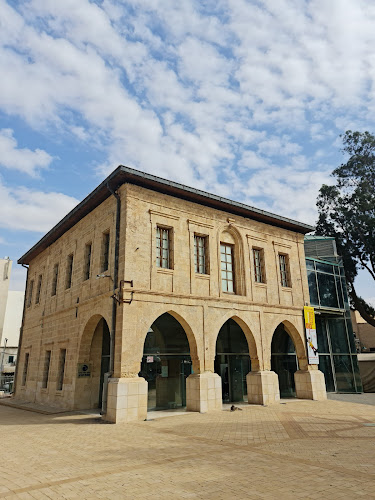
The Negev Museum of Art sits in the old heart of Be'er Sheva, occupying the historic Ottoman governor's house built in 1906 and sharing a quiet greenspace with the Great Mosque and other period government buildings. The setting itself is part of the exhibit: stone walls, arched windows and a small lawn draw attention to the layered history of the Negev, and the museum uses that physical context to frame a surprisingly wide-ranging program of contemporary and modern art. It is an art museum that both respects its past and pushes at the edges of the present — local artists, national names and international guests rotate through compact, thoughtfully curated exhibitions.
On first impression, the Negev Museum of Art does not overwhelm by size. Instead it rewards curiosity. Galleries move from small-scale, intimate installations to larger thematic rooms where sculpture, video and painting converse. The architecture is part of the show: vaulted ceilings, timber beams and the original stonework of the governor's house create atmospheres that change with every exhibition. That interplay between space and exhibition design is one of the museum's strengths; curators often choose site-specific work that responds to the building's quirks. Visitors who expect a big, glossy metropolitan museum might be surprised—pleasantly—by how carefully sculptors and painters use light and shadow here.
The museum's program tends to favor contemporary Israeli artists and creators who engage with regional identity, landscape and social questions. Works often reflect the Negev's unique environment: desert memory, settlement history, Bedouin and Jewish narratives, and the urban pulse of Be'er Sheva itself. But it is not only local stories. The museum hosts touring exhibitions and conceptual shows that bring modern international discourse into the city. Rotating exhibitions mean there is often something new every few months, so repeat visits feel worthwhile rather than repetitive.
Educational programming is a notable aspect. The museum runs workshops, guided tours and family-friendly activities that encourage hands-on learning. Families with children report that the museum's kid-oriented programming is nimble and creative—short workshops that transform themes from the galleries into playful exercises. The space is welcoming to school groups and curious teens, and staff often tailor tours to different age levels. For travelers traveling with children, this makes the museum a good stop that can be both culturally enriching and reasonably paced.
Accessibility has received clear attention. The museum provides a wheelchair-accessible entrance, accessible parking and restrooms adapted for visitors with mobility needs. These practical details matter a lot to people who plan their days carefully, and the museum's ease-of-access tends to be praised by visitors. Inside, ramps and elevator access connect the floors where possible, and exhibit text is often presented in readable formats. Still, like many historical buildings, some corners and older staircases preserve the building's original character, so visitors with specific mobility concerns may want to call ahead to confirm details for a particular exhibition layout.
Practical amenities are modest but adequate. Restrooms are available on site, but there is no full-service restaurant inside the museum. Travelers should expect to find cafés and eateries nearby in the old city; a light snack or coffee stop before or after a visit is an easy plan. Ticketing is straightforward; single-exhibit tickets or combined passes for temporary exhibitions and permanent displays keep entry flexible. The museum also hosts occasional evening events and openings, and these can be lively local affairs — a chance to encounter the city’s art scene when galleries are animated with people, conversation and often free refreshments.
One of the understated pleasures of a visit is the small outdoor lawn between the governor's house and the mosque. It’s a slice of calm in the middle of the old city, and on mild days it becomes an impromptu meeting place for visitors, families and nearby residents. The lawn is not a museum exhibit per se, but it acts like one: perfect for a coffee break, reading a guidebook, or simply taking a minute to let a dense museum visit settle. Photographers enjoy the way the light changes across the historic facades at different times of day, and the juxtaposition of stones, arches and contemporary art pieces makes for interesting visual contrasts.
In terms of atmosphere, the museum is alternately reflective and spirited. Some exhibitions provoke quiet contemplation, while others invite direct engagement — workshops, artist talks and community-oriented projects often bring life to the galleries. The visitor experience can depend heavily on which show is running, and that variability is actually one of the place's charms. Travelers who plan a single stop should check the current exhibition program in advance; those staying longer in Be'er Sheva often return multiple times to see new shows as they arrive.
There are a few practical realities worth noting that seasoned visitors mention in passing. Because the museum sits in a historic complex and in a neighborhood center, gallery spaces can be intimate and the circulation routes sometimes feel compact. That means the museum is excellent for concentrated visits but may feel tight during peak times or very popular openings. Also, while the museum's focus on contemporary Israeli art is strong, those seeking massive international blockbuster exhibitions will not find them here. Instead, the reward is depth and specificity: thoughtful curatorial narratives, often with a regional lens that offers insights into life in the Negev and the cultural currents shaping southern Israel.
Service and staff are frequently cited as friendly and helpful. Volunteers and guides often have local knowledge that enhances the visit — they point out historical details in the building, suggest complementary neighborhood sites and translate exhibit labels when needed. For travelers who appreciate commentary, taking a guided tour or joining a scheduled talk is well worth the time; these programs add background that many visitors find surprising and illuminating.
The museum's reputation in the city is solid. It functions as a cultural anchor for Be'er Sheva and for the Negev region more broadly. Artists and curators from the region see it as a key platform for showing new work; community members use it as a venue for cultural exchange; and visitors from abroad find it an accessible way to engage with Israeli contemporary art without the hustle of larger urban centers. The balance between local relevance and broader artistic conversations keeps the museum both grounded and forward-looking.
Finally, there is a human story in the stones. The governor's house, built in the first years of the twentieth century by the Ottomans, carries traces of the many histories that have shaped Be'er Sheva. The museum's exhibitions often reflect this layered past — not as museum pieces stuck in time, but as living dialogues with artists responding to social change, environment and memory. For travelers who want more than a checklist item, the Negev Museum of Art offers a thoughtful, sometimes unexpected cultural encounter: art that asks questions about place, identity and the future of a region where desert and city meet.
Overall, the Negev Museum of Art is best appreciated when approached with a curious, relaxed mindset. It rewards attention, and for many visitors it becomes a highlight of a broader exploration of Be'er Sheva and the Negev region. Whether the interest is contemporary art, Ottoman architecture, or a gentle cultural stop between other sights, the museum tends to leave people with something to think about — and often with the desire to return.
Key Features
More Details
Updated August 30, 2025
Table of Contents
Description
The Negev Museum of Art sits in the old heart of Be’er Sheva, occupying the historic Ottoman governor’s house built in 1906 and sharing a quiet greenspace with the Great Mosque and other period government buildings. The setting itself is part of the exhibit: stone walls, arched windows and a small lawn draw attention to the layered history of the Negev, and the museum uses that physical context to frame a surprisingly wide-ranging program of contemporary and modern art. It is an art museum that both respects its past and pushes at the edges of the present — local artists, national names and international guests rotate through compact, thoughtfully curated exhibitions.
On first impression, the Negev Museum of Art does not overwhelm by size. Instead it rewards curiosity. Galleries move from small-scale, intimate installations to larger thematic rooms where sculpture, video and painting converse. The architecture is part of the show: vaulted ceilings, timber beams and the original stonework of the governor’s house create atmospheres that change with every exhibition. That interplay between space and exhibition design is one of the museum’s strengths; curators often choose site-specific work that responds to the building’s quirks. Visitors who expect a big, glossy metropolitan museum might be surprised—pleasantly—by how carefully sculptors and painters use light and shadow here.
The museum’s program tends to favor contemporary Israeli artists and creators who engage with regional identity, landscape and social questions. Works often reflect the Negev’s unique environment: desert memory, settlement history, Bedouin and Jewish narratives, and the urban pulse of Be’er Sheva itself. But it is not only local stories. The museum hosts touring exhibitions and conceptual shows that bring modern international discourse into the city. Rotating exhibitions mean there is often something new every few months, so repeat visits feel worthwhile rather than repetitive.
Educational programming is a notable aspect. The museum runs workshops, guided tours and family-friendly activities that encourage hands-on learning. Families with children report that the museum’s kid-oriented programming is nimble and creative—short workshops that transform themes from the galleries into playful exercises. The space is welcoming to school groups and curious teens, and staff often tailor tours to different age levels. For travelers traveling with children, this makes the museum a good stop that can be both culturally enriching and reasonably paced.
Accessibility has received clear attention. The museum provides a wheelchair-accessible entrance, accessible parking and restrooms adapted for visitors with mobility needs. These practical details matter a lot to people who plan their days carefully, and the museum’s ease-of-access tends to be praised by visitors. Inside, ramps and elevator access connect the floors where possible, and exhibit text is often presented in readable formats. Still, like many historical buildings, some corners and older staircases preserve the building’s original character, so visitors with specific mobility concerns may want to call ahead to confirm details for a particular exhibition layout.
Practical amenities are modest but adequate. Restrooms are available on site, but there is no full-service restaurant inside the museum. Travelers should expect to find cafés and eateries nearby in the old city; a light snack or coffee stop before or after a visit is an easy plan. Ticketing is straightforward; single-exhibit tickets or combined passes for temporary exhibitions and permanent displays keep entry flexible. The museum also hosts occasional evening events and openings, and these can be lively local affairs — a chance to encounter the city’s art scene when galleries are animated with people, conversation and often free refreshments.
One of the understated pleasures of a visit is the small outdoor lawn between the governor’s house and the mosque. It’s a slice of calm in the middle of the old city, and on mild days it becomes an impromptu meeting place for visitors, families and nearby residents. The lawn is not a museum exhibit per se, but it acts like one: perfect for a coffee break, reading a guidebook, or simply taking a minute to let a dense museum visit settle. Photographers enjoy the way the light changes across the historic facades at different times of day, and the juxtaposition of stones, arches and contemporary art pieces makes for interesting visual contrasts.
In terms of atmosphere, the museum is alternately reflective and spirited. Some exhibitions provoke quiet contemplation, while others invite direct engagement — workshops, artist talks and community-oriented projects often bring life to the galleries. The visitor experience can depend heavily on which show is running, and that variability is actually one of the place’s charms. Travelers who plan a single stop should check the current exhibition program in advance; those staying longer in Be’er Sheva often return multiple times to see new shows as they arrive.
There are a few practical realities worth noting that seasoned visitors mention in passing. Because the museum sits in a historic complex and in a neighborhood center, gallery spaces can be intimate and the circulation routes sometimes feel compact. That means the museum is excellent for concentrated visits but may feel tight during peak times or very popular openings. Also, while the museum’s focus on contemporary Israeli art is strong, those seeking massive international blockbuster exhibitions will not find them here. Instead, the reward is depth and specificity: thoughtful curatorial narratives, often with a regional lens that offers insights into life in the Negev and the cultural currents shaping southern Israel.
Service and staff are frequently cited as friendly and helpful. Volunteers and guides often have local knowledge that enhances the visit — they point out historical details in the building, suggest complementary neighborhood sites and translate exhibit labels when needed. For travelers who appreciate commentary, taking a guided tour or joining a scheduled talk is well worth the time; these programs add background that many visitors find surprising and illuminating.
The museum’s reputation in the city is solid. It functions as a cultural anchor for Be’er Sheva and for the Negev region more broadly. Artists and curators from the region see it as a key platform for showing new work; community members use it as a venue for cultural exchange; and visitors from abroad find it an accessible way to engage with Israeli contemporary art without the hustle of larger urban centers. The balance between local relevance and broader artistic conversations keeps the museum both grounded and forward-looking.
Finally, there is a human story in the stones. The governor’s house, built in the first years of the twentieth century by the Ottomans, carries traces of the many histories that have shaped Be’er Sheva. The museum’s exhibitions often reflect this layered past — not as museum pieces stuck in time, but as living dialogues with artists responding to social change, environment and memory. For travelers who want more than a checklist item, the Negev Museum of Art offers a thoughtful, sometimes unexpected cultural encounter: art that asks questions about place, identity and the future of a region where desert and city meet.
Overall, the Negev Museum of Art is best appreciated when approached with a curious, relaxed mindset. It rewards attention, and for many visitors it becomes a highlight of a broader exploration of Be’er Sheva and the Negev region. Whether the interest is contemporary art, Ottoman architecture, or a gentle cultural stop between other sights, the museum tends to leave people with something to think about — and often with the desire to return.
Key Highlights
The Negev Museum of Art
Location
Places to Stay Near The Negev Museum of Art
Find and Book a Tour
Explore More Travel Guides
No reviews found! Be the first to review!
Traveler Reviews for The Negev Museum of Art
There are no reviews yet. Be the first one to write one.
Have you visited The Negev Museum of Art? Help other travelers by sharing your review.
You Might Also Like
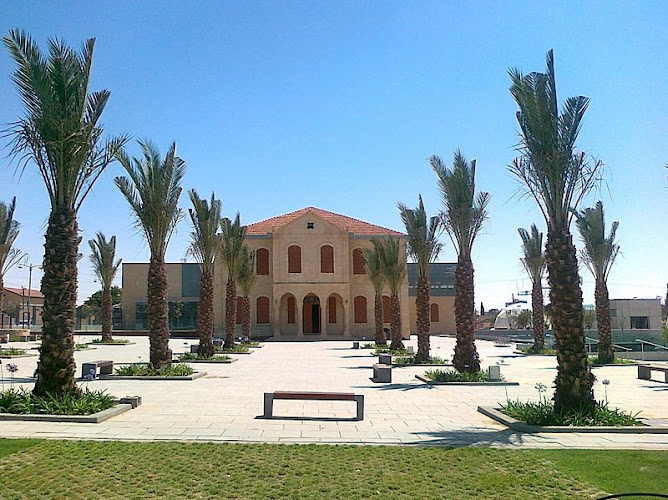
Carasso Science Park
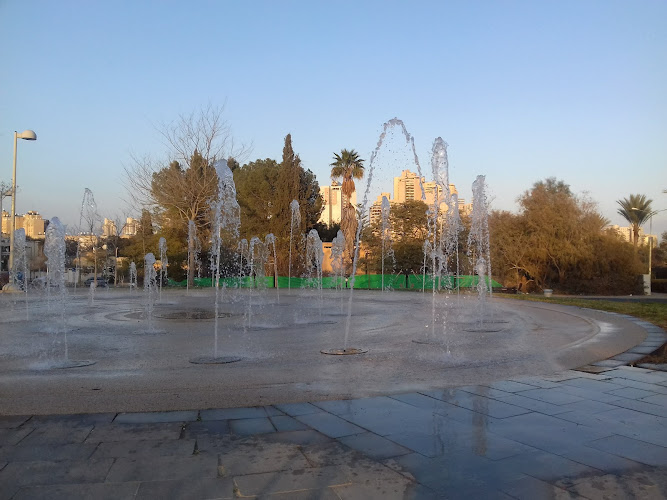
Park Be'er Sheva
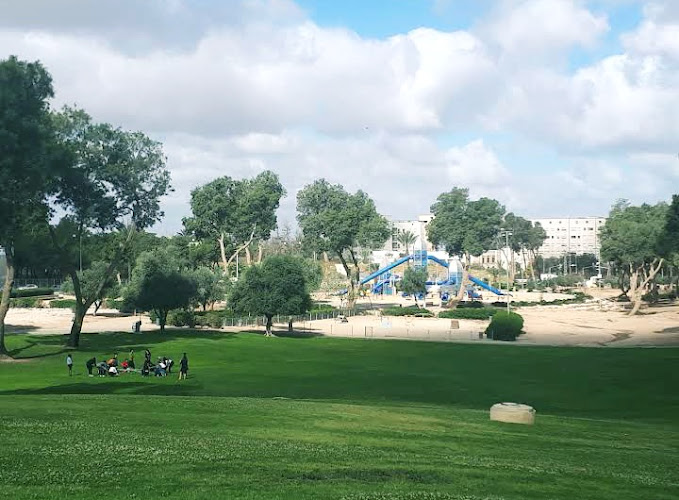
Big Children Park
Find Accommodations Nearby
Recommended Tours & Activities
Visitor Reviews
There are no reviews yet. Be the first one to write one.
Share Your Experience
Have you visited The Negev Museum of Art? Help other travelers by leaving a review.