

The National Museum in Szczecin – Museum of the Szczecin History
About The National Museum in Szczecin – Museum of the Szczecin History
Description
The National Museum in Szczecin – Museum of the Szczecin History is the kind of place that quietly sneaks up on travelers. At first glance, it might sound like a traditional local history museum, the sort you politely visit because it feels like the right thing to do. But then you step inside, and suddenly hours pass. This museum focuses on the layered, sometimes messy, always fascinating story of Szczecin, a city that has changed borders, names, and identities more times than most European cities care to count.
The exhibitions walk through centuries of transformation, from medieval trading port to Prussian stronghold, from German Stettin to modern Polish Szczecin. And it doesn’t sugarcoat things. The curators lean into complexity, which is refreshing. You’ll see artifacts, photographs, artworks, and documents that show daily life, not just big political moments. It’s history told through ordinary people, which, honestly, makes it stick.
And yes, there is art too. Not in a flashy, Instagram-first way, but thoughtfully integrated into the story of the city. Paintings, sculptures, and graphic works appear where they make sense, offering emotional context rather than distraction. Someone once told me this museum feels more like a long conversation than a lecture, and that’s exactly right. You don’t feel rushed or talked down to.
The building itself deserves a moment of attention. It’s not overly grand, but it carries a quiet authority. The interior layout is logical, though not sterile. There are spots where you’ll slow down, reread a panel, or just stand there thinking. That’s a good sign. A museum should make you pause, not just march forward.
Travelers with kids will notice that the exhibits are accessible without being dumbed down. Interactive elements appear just often enough to keep younger visitors curious. And adults, you’re not stuck pressing buttons meant for toddlers. Balance is tricky, but they manage it here.
Not every visitor leaves in awe, and that’s okay. Some people find parts of the exhibition dense. Others wish for more English explanations in certain sections. But overall, the experience lands on the positive side, especially if you come in with curiosity instead of expectations shaped by mega-museums in bigger capitals.
Key Features
- Chronological exhibitions covering Szczecin’s history from medieval times to the present day
- Original artifacts, including everyday objects that reveal how people actually lived
- Integrated art gallery sections that connect visual culture with historical events
- Detailed maps and models showing the city’s changing borders and urban layout
- Well-designed exhibits suitable for both adults and children
- Clean and accessible restrooms available on-site
- Clear signage that helps visitors navigate without feeling lost
Best Time to Visit
The museum can be visited year-round, but timing matters more than you might think. Late spring and early autumn tend to be the sweet spot. The weather in Szczecin is pleasant, tourist crowds are manageable, and you don’t feel like you’re racing against closing time just to get back outside before dark.
Weekday mornings are ideal if you want a quieter experience. There’s something special about walking through historical galleries when it’s calm, when you can actually hear your own footsteps. And if you’re like me, you read faster when no one is hovering behind you waiting for the same display.
Weekends bring more families and local visitors, which adds energy but also noise. That’s not a bad thing, especially if you enjoy seeing how locals engage with their own history. But if deep focus is your goal, plan accordingly.
Winter visits have their own charm. The museum becomes a refuge from the cold, and the exhibitions feel heavier, more introspective, in a good way. Just be sure to check opening hours ahead of time, as seasonal changes can affect schedules.
How to Get There
Getting to the National Museum in Szczecin – Museum of the Szczecin History is straightforward, even if you’re new to the city. Szczecin’s public transport system is reliable, and trams and buses connect most neighborhoods with the central areas where museums cluster.
If you’re staying in or near the city center, walking is often the best option. Szczecin is surprisingly walkable, and the route itself can be part of the experience. You pass through streets that echo the history you’re about to explore inside, which feels oddly poetic.
Taxis and ride-hailing services are also available and reasonably priced. For travelers arriving by train, the museum is not far from the main station, making it an easy first or last stop on your itinerary. Driving is possible too, but parking can be a bit of a gamble, especially during busy hours.
And a small tip from personal trial and error: give yourself extra time. Not because the journey is complicated, but because Szczecin has a way of distracting you. One minute you’re heading straight to the museum, the next you’re staring at a building façade wondering what story it holds.
Tips for Visiting
First, pace yourself. The exhibitions are rich, and trying to see everything in a rush does them a disservice. Plan at least two hours, more if you’re a history enthusiast or a slow reader (no shame there, I’m one too).
Second, don’t skip the smaller displays. It’s tempting to focus only on the big panels and main halls, but some of the most memorable moments hide in corners. A handwritten letter, a faded photograph, an object whose purpose isn’t immediately obvious. Those are the details that stay with you.
If you’re visiting with kids, encourage questions. The museum does a good job of sparking curiosity, and staff are generally approachable if you need clarification. It’s one of those places where learning feels natural, not forced.
There’s no restaurant on-site, so eat beforehand or plan a meal afterward. And honestly, that’s not a drawback. It gives you an excuse to reflect on what you’ve seen over coffee somewhere nearby. Museums deserve a debrief, I always say.
Photography rules can vary by exhibition, so pay attention to signage. And even when photos are allowed, consider putting the camera away for a bit. Some experiences land better when you’re fully present.
Lastly, come with an open mind. Szczecin’s history isn’t neat or comfortable at times, and the museum doesn’t pretend it is. But that honesty is what makes the visit worthwhile. You don’t leave with a polished story; you leave with understanding. And for travelers who value depth over spectacle, that’s a pretty solid deal.
Key Features
- Chronological exhibitions covering Szczecin’s history from medieval times to the present day
- Original artifacts, including everyday objects that reveal how people actually lived
- Integrated art gallery sections that connect visual culture with historical events
- Detailed maps and models showing the city’s changing borders and urban layout
- Well-designed exhibits suitable for both adults and children
- Clean and accessible restrooms available on-site
- Clear signage that helps visitors navigate without feeling lost
More Details
Updated January 1, 2026
Table of Contents
- Description
- Key Features
- Best Time to Visit
- How to Get There
- Tips for Visiting
- Key Highlights
- Location
- Places to Stay Near The National Museum in Szczecin - Museum of the Szczecin History
- Find and Book a Tour
- Explore More Travel Guides
- Nearby Places You Might Like
- Traveler Reviews for The National Museum in Szczecin – Museum of the Szczecin History
- Share Your Experience
Description
The National Museum in Szczecin – Museum of the Szczecin History is the kind of place that quietly sneaks up on travelers. At first glance, it might sound like a traditional local history museum, the sort you politely visit because it feels like the right thing to do. But then you step inside, and suddenly hours pass. This museum focuses on the layered, sometimes messy, always fascinating story of Szczecin, a city that has changed borders, names, and identities more times than most European cities care to count.
The exhibitions walk through centuries of transformation, from medieval trading port to Prussian stronghold, from German Stettin to modern Polish Szczecin. And it doesn’t sugarcoat things. The curators lean into complexity, which is refreshing. You’ll see artifacts, photographs, artworks, and documents that show daily life, not just big political moments. It’s history told through ordinary people, which, honestly, makes it stick.
And yes, there is art too. Not in a flashy, Instagram-first way, but thoughtfully integrated into the story of the city. Paintings, sculptures, and graphic works appear where they make sense, offering emotional context rather than distraction. Someone once told me this museum feels more like a long conversation than a lecture, and that’s exactly right. You don’t feel rushed or talked down to.
The building itself deserves a moment of attention. It’s not overly grand, but it carries a quiet authority. The interior layout is logical, though not sterile. There are spots where you’ll slow down, reread a panel, or just stand there thinking. That’s a good sign. A museum should make you pause, not just march forward.
Travelers with kids will notice that the exhibits are accessible without being dumbed down. Interactive elements appear just often enough to keep younger visitors curious. And adults, you’re not stuck pressing buttons meant for toddlers. Balance is tricky, but they manage it here.
Not every visitor leaves in awe, and that’s okay. Some people find parts of the exhibition dense. Others wish for more English explanations in certain sections. But overall, the experience lands on the positive side, especially if you come in with curiosity instead of expectations shaped by mega-museums in bigger capitals.
Key Features
- Chronological exhibitions covering Szczecin’s history from medieval times to the present day
- Original artifacts, including everyday objects that reveal how people actually lived
- Integrated art gallery sections that connect visual culture with historical events
- Detailed maps and models showing the city’s changing borders and urban layout
- Well-designed exhibits suitable for both adults and children
- Clean and accessible restrooms available on-site
- Clear signage that helps visitors navigate without feeling lost
Best Time to Visit
The museum can be visited year-round, but timing matters more than you might think. Late spring and early autumn tend to be the sweet spot. The weather in Szczecin is pleasant, tourist crowds are manageable, and you don’t feel like you’re racing against closing time just to get back outside before dark.
Weekday mornings are ideal if you want a quieter experience. There’s something special about walking through historical galleries when it’s calm, when you can actually hear your own footsteps. And if you’re like me, you read faster when no one is hovering behind you waiting for the same display.
Weekends bring more families and local visitors, which adds energy but also noise. That’s not a bad thing, especially if you enjoy seeing how locals engage with their own history. But if deep focus is your goal, plan accordingly.
Winter visits have their own charm. The museum becomes a refuge from the cold, and the exhibitions feel heavier, more introspective, in a good way. Just be sure to check opening hours ahead of time, as seasonal changes can affect schedules.
How to Get There
Getting to the National Museum in Szczecin – Museum of the Szczecin History is straightforward, even if you’re new to the city. Szczecin’s public transport system is reliable, and trams and buses connect most neighborhoods with the central areas where museums cluster.
If you’re staying in or near the city center, walking is often the best option. Szczecin is surprisingly walkable, and the route itself can be part of the experience. You pass through streets that echo the history you’re about to explore inside, which feels oddly poetic.
Taxis and ride-hailing services are also available and reasonably priced. For travelers arriving by train, the museum is not far from the main station, making it an easy first or last stop on your itinerary. Driving is possible too, but parking can be a bit of a gamble, especially during busy hours.
And a small tip from personal trial and error: give yourself extra time. Not because the journey is complicated, but because Szczecin has a way of distracting you. One minute you’re heading straight to the museum, the next you’re staring at a building façade wondering what story it holds.
Tips for Visiting
First, pace yourself. The exhibitions are rich, and trying to see everything in a rush does them a disservice. Plan at least two hours, more if you’re a history enthusiast or a slow reader (no shame there, I’m one too).
Second, don’t skip the smaller displays. It’s tempting to focus only on the big panels and main halls, but some of the most memorable moments hide in corners. A handwritten letter, a faded photograph, an object whose purpose isn’t immediately obvious. Those are the details that stay with you.
If you’re visiting with kids, encourage questions. The museum does a good job of sparking curiosity, and staff are generally approachable if you need clarification. It’s one of those places where learning feels natural, not forced.
There’s no restaurant on-site, so eat beforehand or plan a meal afterward. And honestly, that’s not a drawback. It gives you an excuse to reflect on what you’ve seen over coffee somewhere nearby. Museums deserve a debrief, I always say.
Photography rules can vary by exhibition, so pay attention to signage. And even when photos are allowed, consider putting the camera away for a bit. Some experiences land better when you’re fully present.
Lastly, come with an open mind. Szczecin’s history isn’t neat or comfortable at times, and the museum doesn’t pretend it is. But that honesty is what makes the visit worthwhile. You don’t leave with a polished story; you leave with understanding. And for travelers who value depth over spectacle, that’s a pretty solid deal.
Key Highlights
- Chronological exhibitions covering Szczecin’s history from medieval times to the present day
- Original artifacts, including everyday objects that reveal how people actually lived
- Integrated art gallery sections that connect visual culture with historical events
- Detailed maps and models showing the city’s changing borders and urban layout
- Well-designed exhibits suitable for both adults and children
- Clean and accessible restrooms available on-site
- Clear signage that helps visitors navigate without feeling lost
Location
Places to Stay Near The National Museum in Szczecin - Museum of the Szczecin History
Find and Book a Tour
Explore More Travel Guides
No reviews found! Be the first to review!
Traveler Reviews for The National Museum in Szczecin – Museum of the Szczecin History
There are no reviews yet. Be the first one to write one.
Have you visited The National Museum in Szczecin – Museum of the Szczecin History? Help other travelers by sharing your review.
You Might Also Like

Plac Jasne Błonia im. Jana Pawła II

Paprykarz Szczeciński pomnik - instalacja
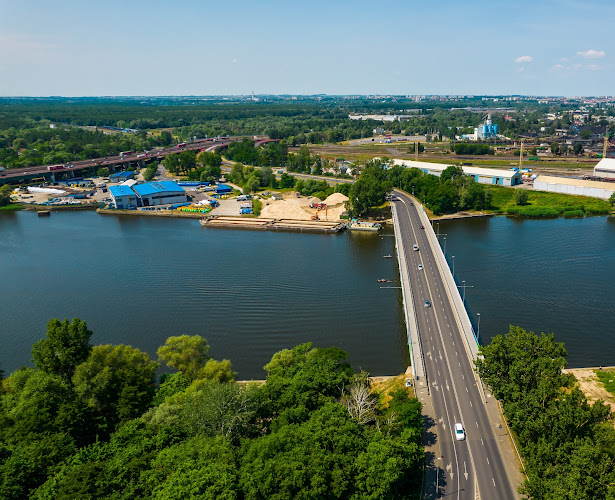
Bridge Regalica
Find Accommodations Nearby
Recommended Tours & Activities
Visitor Reviews
There are no reviews yet. Be the first one to write one.
Share Your Experience
Have you visited The National Museum in Szczecin – Museum of the Szczecin History? Help other travelers by leaving a review.