
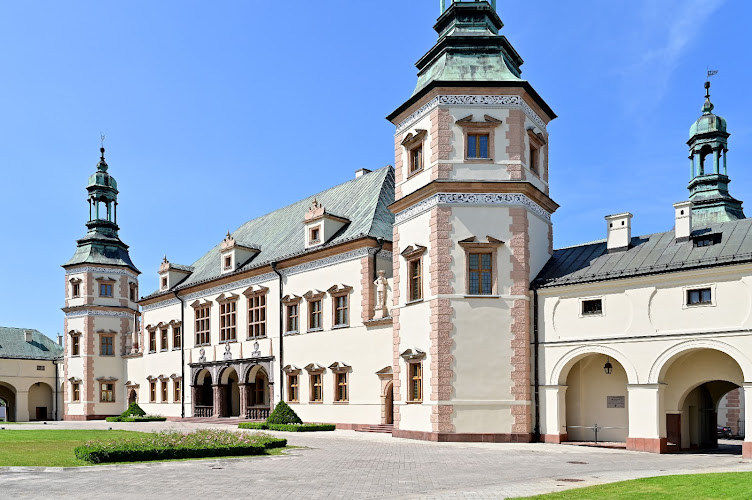
The National Museum in Kielce
About The National Museum in Kielce
Description
The National Museum in Kielce stands as a quiet but proud guardian of art and history in the heart of Kielce, Poland. Housed in a stately historic building with period details that whisper of centuries past, the museum is best known for its fine collection of 17th-century paintings by French, Italian and Polish masters. It feels more like an intimate salon than a sprawling modern complex, which is exactly the appeal for many visitors who prefer depth to dazzle.
Inside, galleries are arranged to let the works breathe. The lighting is thoughtful, often soft, which brings out the texture of old canvases and the subtlety of baroque brushwork. But it’s not just about paintings; small sculpture displays, decorative arts and occasional temporary exhibitions round out the experience. A modest garden adjoining the building provides a quiet outdoor pause — perfect for someone who needs to step out for a moment to digest a dramatic allegory or an especially intense portrait.
The museum’s atmosphere leans toward contemplative rather than theatrical. Crowds are rare, especially on weekdays, so one can spend time with a single canvas without feeling rushed. That said, there are occasional guided tours and special events that bring a different kind of energy — more lively, often with local historians or curators offering deeper context. Accessibility is taken seriously: a wheelchair-accessible entrance, parking and restrooms make the site usable for a wide range of visitors, and families find the layout manageable for strollers and little legs. There is no on-site restaurant, so planning for a snack or a meal nearby is wise. Restrooms are available inside, which is always a relief for parents and older visitors.
For the curious traveler who prefers substance over spectacle, the National Museum in Kielce rewards attention. The 17th-century works — Italian chiaroscuro, restrained French compositions, and richly textured Polish paintings — speak to cross-cultural currents in European art of that era. The building itself, an architectural piece of the city’s heritage, adds another dimension: it feels like an exhibit, too. Visitors often comment that the place reveals more on a second visit; many of the subtler details, the motifs, iconographic hints, and conservation notes, tend to make themselves known only after a little time spent wandering the rooms.
Key Features
- Concentrated collection of 17th-century paintings by French, Italian and Polish artists
- Stately historic building with period architectural details that enhance the viewing experience
- Intimate galleries that allow quiet, reflective visits rather than overwhelming circuits
- Adjoining garden for a restful break between galleries
- Wheelchair accessible entrance, parking and restrooms to support visitors with mobility needs
- Family-friendly layout; suitable for children and educational visits
- Regular temporary exhibitions and occasional curator-led talks or guided tours
- Clean restrooms on site; no restaurant, so plan food breaks outside the museum
- Close to Kielce’s historic center, making it easy to combine with walks around town
- Quiet atmosphere ideal for art students, researchers, and anyone who enjoys focused viewing
Best Time to Visit
The National Museum in Kielce is pleasant year-round, but timing can change the experience. Late spring through early autumn offers the added delight of garden time when flowers and shaded benches make for a restorative interlude. However, if someone prefers fewer people and a quieter gallery experience, weekdays outside school vacation periods are best. Mornings just after opening tend to be the least crowded, giving first pick of benches and the best light for viewing certain paintings.
Winter visits have their own charms. The historic interior feels cozier against the cold, and the museum’s often more intimate seasonal programming can spark interest in local cultural rhythms. But remember: without an on-site restaurant, cold-weather hikes to nearby cafes might be necessary after a longer stay. For people who enjoy events, keep an eye on the museum’s calendar for temporary exhibitions or lectures; these can transform a routine visit into something special, though they sometimes draw larger weekend crowds.
For families, mid-afternoon often works well — school groups tend to visit in the morning, so a slightly later arrival can mean quieter galleries and a less hurried pace. And if someone wants to shoot photos for personal use, soft midday light can be forgiving, but always check the museum’s photography policy before taking pictures.
How to Get There
The National Museum in Kielce is located in the city’s historic district, making it easy to reach from central hotels and sights. Many visitors prefer to walk from the main square; it’s a pleasant stroll through streets lined with cafes and small shops. For those coming from farther afield, local buses and taxis provide straightforward access — public transit stops are typically within a short walk. Driving is also an option: there is wheelchair-accessible parking nearby, though central parking can fill up during peak times, so arriving early is advised.
Those arriving by rail or long-distance coach will find local transport options to the heart of Kielce to be well-connected. Bus schedules can vary, and there's often a short walk at the end of the journey, so light luggage helps. Taxi services are widely available and offer a convenient drop-off if someone wants to be dropped close to the museum entrance. Ridesharing apps also work in the area, for travelers who prefer cashless payments and tracking.
For cyclists, the museum’s location near the center makes it an easy stop on a shorter urban route. Bike racks are often available nearby, though bringing a lock is always a good idea. Accessibility-minded visitors should note that the museum’s entrance and parking are wheelchair-friendly, which simplifies arrival and departure logistics.
Tips for Visiting
Plan on spending about 60 to 90 minutes for a comfortable visit; those who love detailed study may stay longer. The museum’s intimate scale makes it tempting to linger before a favorite piece, so avoid rushing the visit. If there’s a temporary exhibition that looks interesting, add another half hour — exhibitions are often curated to reveal local connections that deepen appreciation of the permanent collection.
Because there is no on-site restaurant, bring a small bottle of water and a light snack, especially if planning to combine the visit with a longer cultural day. But do be mindful: no food or drink is usually allowed inside galleries. Nearby cafes and bakeries provide satisfying alternatives and are part of the local charm; a pastry and coffee after a museum tour can feel like the best reward.
Photography rules vary; most of the permanent collection allows non-flash photography for personal use, but some temporary exhibits might restrict images. It’s best to ask at the front desk or check signage. For families with kids, look for activity sheets or short guided trails — the museum often provides kid-friendly prompts to make art more accessible. If none are on hand, simple scavenger-list games (find a portrait with a red ribbon, find a painting with a ship) can help keep little ones engaged.
Accessibility details are worth noting: wheelchair-accessible entrances and restrooms make the museum accommodating, but uneven historic flooring and thresholds can appear in unexpected spots — so if mobility is a concern, allow a little extra time for moving between rooms. The museum staff have been described as helpful and willing to assist with route suggestions.
Guided tours add context and often reveal stories that are not on the wall labels. For those who enjoy deep dives, joining a curator talk can change a favorite painting into a memorable moment. Conversely, if someone prefers silence, off-peak hours usually provide that. It’s a small, nuanced place where preferences strongly shape the experience.
Lastly, combine the National Museum in Kielce with a short walking route through the nearby historic center and gardens. The juxtaposition of art and urban life makes for a pleasant afternoon. Visitors who are pressed for time should prioritize the 17th-century gallery — it’s the core strength and, frankly, the reason most people come. Everyone leaves having seen something that lingers in memory: a face in a portrait, a curious little detail in a frame, or the unexpected quiet of that small museum garden. These are the things that make a visit more than just another stop on the map.
Key Features
- Concentrated collection of 17th-century paintings by French, Italian and Polish artists
- Stately historic building with period architectural details that enhance the viewing experience
- Intimate galleries that allow quiet, reflective visits rather than overwhelming circuits
- Adjoining garden for a restful break between galleries
- Wheelchair accessible entrance, parking and restrooms to support visitors with mobility needs
- Family-friendly layout; suitable for children and educational visits
- Regular temporary exhibitions and occasional curator-led talks or guided tours
- Clean restrooms on site; no restaurant, so plan food breaks outside the museum
More Details
Updated August 30, 2025
Table of Contents
Description
The National Museum in Kielce stands as a quiet but proud guardian of art and history in the heart of Kielce, Poland. Housed in a stately historic building with period details that whisper of centuries past, the museum is best known for its fine collection of 17th-century paintings by French, Italian and Polish masters. It feels more like an intimate salon than a sprawling modern complex, which is exactly the appeal for many visitors who prefer depth to dazzle.
Inside, galleries are arranged to let the works breathe. The lighting is thoughtful, often soft, which brings out the texture of old canvases and the subtlety of baroque brushwork. But it’s not just about paintings; small sculpture displays, decorative arts and occasional temporary exhibitions round out the experience. A modest garden adjoining the building provides a quiet outdoor pause — perfect for someone who needs to step out for a moment to digest a dramatic allegory or an especially intense portrait.
The museum’s atmosphere leans toward contemplative rather than theatrical. Crowds are rare, especially on weekdays, so one can spend time with a single canvas without feeling rushed. That said, there are occasional guided tours and special events that bring a different kind of energy — more lively, often with local historians or curators offering deeper context. Accessibility is taken seriously: a wheelchair-accessible entrance, parking and restrooms make the site usable for a wide range of visitors, and families find the layout manageable for strollers and little legs. There is no on-site restaurant, so planning for a snack or a meal nearby is wise. Restrooms are available inside, which is always a relief for parents and older visitors.
For the curious traveler who prefers substance over spectacle, the National Museum in Kielce rewards attention. The 17th-century works — Italian chiaroscuro, restrained French compositions, and richly textured Polish paintings — speak to cross-cultural currents in European art of that era. The building itself, an architectural piece of the city’s heritage, adds another dimension: it feels like an exhibit, too. Visitors often comment that the place reveals more on a second visit; many of the subtler details, the motifs, iconographic hints, and conservation notes, tend to make themselves known only after a little time spent wandering the rooms.
Key Features
- Concentrated collection of 17th-century paintings by French, Italian and Polish artists
- Stately historic building with period architectural details that enhance the viewing experience
- Intimate galleries that allow quiet, reflective visits rather than overwhelming circuits
- Adjoining garden for a restful break between galleries
- Wheelchair accessible entrance, parking and restrooms to support visitors with mobility needs
- Family-friendly layout; suitable for children and educational visits
- Regular temporary exhibitions and occasional curator-led talks or guided tours
- Clean restrooms on site; no restaurant, so plan food breaks outside the museum
- Close to Kielce’s historic center, making it easy to combine with walks around town
- Quiet atmosphere ideal for art students, researchers, and anyone who enjoys focused viewing
Best Time to Visit
The National Museum in Kielce is pleasant year-round, but timing can change the experience. Late spring through early autumn offers the added delight of garden time when flowers and shaded benches make for a restorative interlude. However, if someone prefers fewer people and a quieter gallery experience, weekdays outside school vacation periods are best. Mornings just after opening tend to be the least crowded, giving first pick of benches and the best light for viewing certain paintings.
Winter visits have their own charms. The historic interior feels cozier against the cold, and the museum’s often more intimate seasonal programming can spark interest in local cultural rhythms. But remember: without an on-site restaurant, cold-weather hikes to nearby cafes might be necessary after a longer stay. For people who enjoy events, keep an eye on the museum’s calendar for temporary exhibitions or lectures; these can transform a routine visit into something special, though they sometimes draw larger weekend crowds.
For families, mid-afternoon often works well — school groups tend to visit in the morning, so a slightly later arrival can mean quieter galleries and a less hurried pace. And if someone wants to shoot photos for personal use, soft midday light can be forgiving, but always check the museum’s photography policy before taking pictures.
How to Get There
The National Museum in Kielce is located in the city’s historic district, making it easy to reach from central hotels and sights. Many visitors prefer to walk from the main square; it’s a pleasant stroll through streets lined with cafes and small shops. For those coming from farther afield, local buses and taxis provide straightforward access — public transit stops are typically within a short walk. Driving is also an option: there is wheelchair-accessible parking nearby, though central parking can fill up during peak times, so arriving early is advised.
Those arriving by rail or long-distance coach will find local transport options to the heart of Kielce to be well-connected. Bus schedules can vary, and there’s often a short walk at the end of the journey, so light luggage helps. Taxi services are widely available and offer a convenient drop-off if someone wants to be dropped close to the museum entrance. Ridesharing apps also work in the area, for travelers who prefer cashless payments and tracking.
For cyclists, the museum’s location near the center makes it an easy stop on a shorter urban route. Bike racks are often available nearby, though bringing a lock is always a good idea. Accessibility-minded visitors should note that the museum’s entrance and parking are wheelchair-friendly, which simplifies arrival and departure logistics.
Tips for Visiting
Plan on spending about 60 to 90 minutes for a comfortable visit; those who love detailed study may stay longer. The museum’s intimate scale makes it tempting to linger before a favorite piece, so avoid rushing the visit. If there’s a temporary exhibition that looks interesting, add another half hour — exhibitions are often curated to reveal local connections that deepen appreciation of the permanent collection.
Because there is no on-site restaurant, bring a small bottle of water and a light snack, especially if planning to combine the visit with a longer cultural day. But do be mindful: no food or drink is usually allowed inside galleries. Nearby cafes and bakeries provide satisfying alternatives and are part of the local charm; a pastry and coffee after a museum tour can feel like the best reward.
Photography rules vary; most of the permanent collection allows non-flash photography for personal use, but some temporary exhibits might restrict images. It’s best to ask at the front desk or check signage. For families with kids, look for activity sheets or short guided trails — the museum often provides kid-friendly prompts to make art more accessible. If none are on hand, simple scavenger-list games (find a portrait with a red ribbon, find a painting with a ship) can help keep little ones engaged.
Accessibility details are worth noting: wheelchair-accessible entrances and restrooms make the museum accommodating, but uneven historic flooring and thresholds can appear in unexpected spots — so if mobility is a concern, allow a little extra time for moving between rooms. The museum staff have been described as helpful and willing to assist with route suggestions.
Guided tours add context and often reveal stories that are not on the wall labels. For those who enjoy deep dives, joining a curator talk can change a favorite painting into a memorable moment. Conversely, if someone prefers silence, off-peak hours usually provide that. It’s a small, nuanced place where preferences strongly shape the experience.
Lastly, combine the National Museum in Kielce with a short walking route through the nearby historic center and gardens. The juxtaposition of art and urban life makes for a pleasant afternoon. Visitors who are pressed for time should prioritize the 17th-century gallery — it’s the core strength and, frankly, the reason most people come. Everyone leaves having seen something that lingers in memory: a face in a portrait, a curious little detail in a frame, or the unexpected quiet of that small museum garden. These are the things that make a visit more than just another stop on the map.
Key Highlights
- Concentrated collection of 17th-century paintings by French, Italian and Polish artists
- Stately historic building with period architectural details that enhance the viewing experience
- Intimate galleries that allow quiet, reflective visits rather than overwhelming circuits
- Adjoining garden for a restful break between galleries
- Wheelchair accessible entrance, parking and restrooms to support visitors with mobility needs
- Family-friendly layout; suitable for children and educational visits
- Regular temporary exhibitions and occasional curator-led talks or guided tours
- Clean restrooms on site; no restaurant, so plan food breaks outside the museum
Location
Places to Stay Near The National Museum in Kielce
Find and Book a Tour
Explore More Travel Guides
No reviews found! Be the first to review!
Traveler Reviews for The National Museum in Kielce
There are no reviews yet. Be the first one to write one.
Have you visited The National Museum in Kielce? Help other travelers by sharing your review.
You Might Also Like
Bazylika katedralna Wniebowzięcia NMP w Kielcach
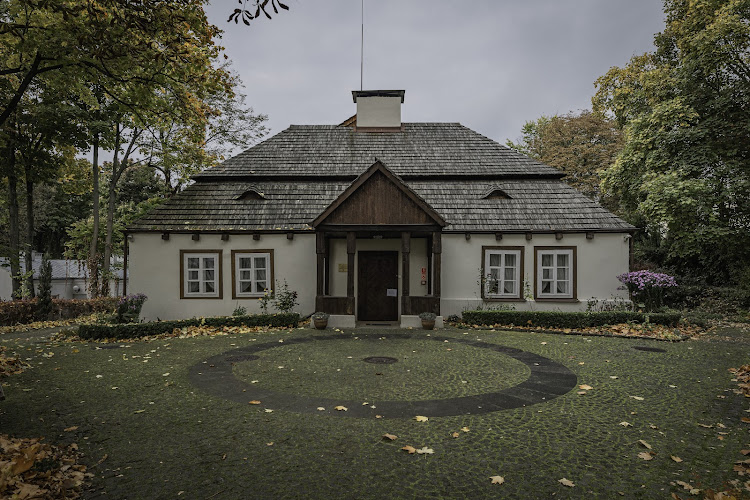
Kielce Region Countryside Museum
Cemetery of Soviet POWs.
Find Accommodations Nearby
Recommended Tours & Activities
Visitor Reviews
There are no reviews yet. Be the first one to write one.
Share Your Experience
Have you visited The National Museum in Kielce? Help other travelers by leaving a review.