
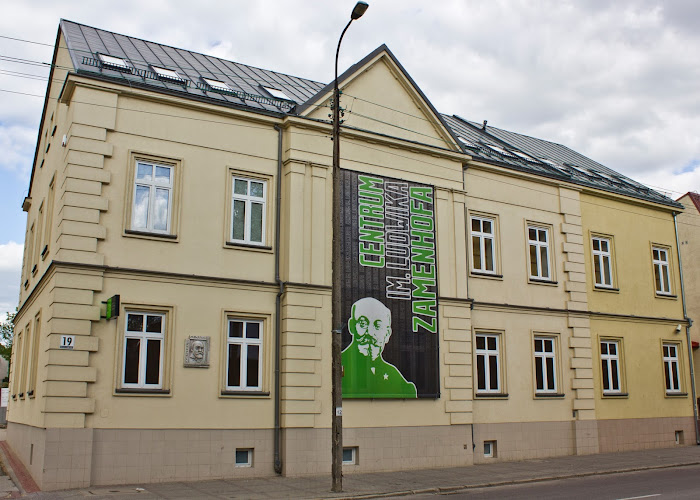
The Ludwik Zamenhof Centre
About The Ludwik Zamenhof Centre
Description
The Ludwik Zamenhof Centre in Białystok is one of those places that feels like a storybook chapter brought to life. Dedicated to the creator of Esperanto, Ludwik Zamenhof, this cultural hub blends history, language, and art in a way that’s both educational and surprisingly personal. It’s not just a museum; it’s a living, breathing space where the ideals of unity and communication come alive through exhibitions, performances, and community events. Established in 2009 to coincide with the 94th World Congress of Esperanto, the centre has since evolved into a cornerstone of Białystok’s cultural life.
Walking through its halls, you’ll notice how the exhibits don’t just talk about Zamenhof’s life—they make you feel it. The permanent exhibition, often referred to as “The Białystok of Young Zamenhof,” recreates the multicultural city of the 19th century with soundscapes, photography, and thoughtful storytelling. You can almost imagine young Ludwik wandering those same streets, dreaming of a world where people could understand one another without barriers. It’s a deeply human story, and that’s what makes this place so special.
Now, I’ll admit, the first time I visited, I wasn’t expecting to be moved by a museum about a language. But there’s something about the way the centre captures the spirit of hope and cooperation that sticks with you. The staff are genuinely passionate—one of them even shared a few words in Esperanto with me, and I found myself smiling at how musical it sounded. It’s that kind of experience: personal, warm, and quietly inspiring. And while not every exhibit is jaw-dropping, the overall atmosphere makes it worth the visit, especially if you’re curious about culture, language, or just want to see a different side of Poland.
Key Features
- Permanent Exhibition: “The Białystok of Young Zamenhof” explores the city’s 19th-century multicultural life through light, sound, and interactive displays.
- Art Gallery: Rotating exhibitions featuring local and international artists who explore themes of identity, communication, and coexistence.
- Community Events: Regular lectures, concerts, and workshops that bring together locals and travelers in shared cultural experiences.
- Accessibility: Fully wheelchair accessible, with adapted restrooms and seating, ensuring every visitor can enjoy the space comfortably.
- Inclusive Environment: The centre proudly identifies as women-owned and LGBTQ+ friendly, creating a welcoming and safe space for all visitors.
- Educational Programs: Language sessions, youth workshops, and cultural seminars that promote understanding and creativity.
- Friendly Staff: Known for their enthusiasm and knowledge, the staff often go out of their way to make visitors feel at home.
One of the things I love most about the Ludwik Zamenhof Centre is how it manages to be both deeply local and universally relevant. You get a sense of Białystok’s layered history—its Jewish roots, its mix of cultures, its resilience—but you also walk away thinking about your own place in the bigger world. That’s not something every museum can pull off.
Best Time to Visit
If you’re planning a trip, I’d say late spring through early autumn is your best bet. The weather in Białystok is pleasant then, and the city’s parks and cafés come alive, making it easy to pair your visit with a leisurely stroll or a coffee break nearby. Summer, in particular, often brings special events and outdoor performances connected to the centre. There’s an almost festival-like energy in the air when local artists and musicians fill the nearby streets.
That said, visiting in winter has its own charm. The centre’s warm interior and thoughtful lighting make it a cozy retreat from the cold. Plus, it’s usually quieter, so you can take your time with the exhibits without feeling rushed. I once visited in January, snowflakes drifting outside the windows, and it felt almost poetic—like the perfect setting to reflect on Zamenhof’s dream of global understanding.
How to Get There
Getting to the Ludwik Zamenhof Centre is fairly straightforward. Białystok is well-connected by train and bus from major Polish cities like Warsaw, which is roughly a two-hour journey. Once you’re in the city, local buses and taxis can easily take you to the centre. If you enjoy walking, it’s within reasonable distance from the city’s main attractions, and the route itself offers a pleasant glimpse into Białystok’s architectural mix of old and new.
For those driving, parking is available nearby, and the area is easy to navigate. I’d recommend arriving a little early, though—it gives you time to explore the surrounding neighborhood, which has some charming cafés and small shops. It’s also a great way to get a feel for the city’s laid-back rhythm before diving into the exhibits.
Tips for Visiting
Here’s where a few insider tips might come in handy. First, give yourself at least an hour or two to explore the exhibitions properly. It’s not a huge museum, but there’s a lot of detail packed into each section, and the interactive elements deserve your attention. If you’re the kind of traveler who loves stories behind the displays, you’ll appreciate taking your time.
Second, check the event schedule before you go. The centre often hosts temporary exhibits, film screenings, and live performances that can really enrich your visit. I once stumbled into a small concert there—an Esperanto choir singing songs about peace and unity—and it turned out to be one of the most unexpectedly moving moments of my trip.
Third, don’t be shy about chatting with the staff. They’re genuinely knowledgeable and happy to share insights about Zamenhof’s life or the broader cultural context of Białystok. Some even speak Esperanto and love teaching visitors a few phrases. It’s a fun way to connect with the spirit of the place.
And finally, bring an open mind. The Ludwik Zamenhof Centre isn’t flashy or grand in the way some museums are—it’s more intimate, more thoughtful. But that’s its strength. It invites you to slow down, to think about communication and empathy in a world that often forgets how important they are. If you let it, the experience will stay with you long after you’ve left.
To sum it up, this is more than just a stop on a sightseeing list—it’s a quiet reminder of what connects us as humans. Whether you’re a history buff, a language lover, or simply someone who enjoys discovering places with soul, the Ludwik Zamenhof Centre offers a meaningful, refreshing perspective on culture and coexistence. And honestly, that’s something worth traveling for.
Key Features
- Key Features
- Best Time to Visit
- How to Get There
- Tips for Visiting
More Details
Updated November 9, 2025
Table of Contents
Description
The Ludwik Zamenhof Centre in Białystok is one of those places that feels like a storybook chapter brought to life. Dedicated to the creator of Esperanto, Ludwik Zamenhof, this cultural hub blends history, language, and art in a way that’s both educational and surprisingly personal. It’s not just a museum; it’s a living, breathing space where the ideals of unity and communication come alive through exhibitions, performances, and community events. Established in 2009 to coincide with the 94th World Congress of Esperanto, the centre has since evolved into a cornerstone of Białystok’s cultural life.
Walking through its halls, you’ll notice how the exhibits don’t just talk about Zamenhof’s life—they make you feel it. The permanent exhibition, often referred to as “The Białystok of Young Zamenhof,” recreates the multicultural city of the 19th century with soundscapes, photography, and thoughtful storytelling. You can almost imagine young Ludwik wandering those same streets, dreaming of a world where people could understand one another without barriers. It’s a deeply human story, and that’s what makes this place so special.
Now, I’ll admit, the first time I visited, I wasn’t expecting to be moved by a museum about a language. But there’s something about the way the centre captures the spirit of hope and cooperation that sticks with you. The staff are genuinely passionate—one of them even shared a few words in Esperanto with me, and I found myself smiling at how musical it sounded. It’s that kind of experience: personal, warm, and quietly inspiring. And while not every exhibit is jaw-dropping, the overall atmosphere makes it worth the visit, especially if you’re curious about culture, language, or just want to see a different side of Poland.
Key Features
- Permanent Exhibition: “The Białystok of Young Zamenhof” explores the city’s 19th-century multicultural life through light, sound, and interactive displays.
- Art Gallery: Rotating exhibitions featuring local and international artists who explore themes of identity, communication, and coexistence.
- Community Events: Regular lectures, concerts, and workshops that bring together locals and travelers in shared cultural experiences.
- Accessibility: Fully wheelchair accessible, with adapted restrooms and seating, ensuring every visitor can enjoy the space comfortably.
- Inclusive Environment: The centre proudly identifies as women-owned and LGBTQ+ friendly, creating a welcoming and safe space for all visitors.
- Educational Programs: Language sessions, youth workshops, and cultural seminars that promote understanding and creativity.
- Friendly Staff: Known for their enthusiasm and knowledge, the staff often go out of their way to make visitors feel at home.
One of the things I love most about the Ludwik Zamenhof Centre is how it manages to be both deeply local and universally relevant. You get a sense of Białystok’s layered history—its Jewish roots, its mix of cultures, its resilience—but you also walk away thinking about your own place in the bigger world. That’s not something every museum can pull off.
Best Time to Visit
If you’re planning a trip, I’d say late spring through early autumn is your best bet. The weather in Białystok is pleasant then, and the city’s parks and cafés come alive, making it easy to pair your visit with a leisurely stroll or a coffee break nearby. Summer, in particular, often brings special events and outdoor performances connected to the centre. There’s an almost festival-like energy in the air when local artists and musicians fill the nearby streets.
That said, visiting in winter has its own charm. The centre’s warm interior and thoughtful lighting make it a cozy retreat from the cold. Plus, it’s usually quieter, so you can take your time with the exhibits without feeling rushed. I once visited in January, snowflakes drifting outside the windows, and it felt almost poetic—like the perfect setting to reflect on Zamenhof’s dream of global understanding.
How to Get There
Getting to the Ludwik Zamenhof Centre is fairly straightforward. Białystok is well-connected by train and bus from major Polish cities like Warsaw, which is roughly a two-hour journey. Once you’re in the city, local buses and taxis can easily take you to the centre. If you enjoy walking, it’s within reasonable distance from the city’s main attractions, and the route itself offers a pleasant glimpse into Białystok’s architectural mix of old and new.
For those driving, parking is available nearby, and the area is easy to navigate. I’d recommend arriving a little early, though—it gives you time to explore the surrounding neighborhood, which has some charming cafés and small shops. It’s also a great way to get a feel for the city’s laid-back rhythm before diving into the exhibits.
Tips for Visiting
Here’s where a few insider tips might come in handy. First, give yourself at least an hour or two to explore the exhibitions properly. It’s not a huge museum, but there’s a lot of detail packed into each section, and the interactive elements deserve your attention. If you’re the kind of traveler who loves stories behind the displays, you’ll appreciate taking your time.
Second, check the event schedule before you go. The centre often hosts temporary exhibits, film screenings, and live performances that can really enrich your visit. I once stumbled into a small concert there—an Esperanto choir singing songs about peace and unity—and it turned out to be one of the most unexpectedly moving moments of my trip.
Third, don’t be shy about chatting with the staff. They’re genuinely knowledgeable and happy to share insights about Zamenhof’s life or the broader cultural context of Białystok. Some even speak Esperanto and love teaching visitors a few phrases. It’s a fun way to connect with the spirit of the place.
And finally, bring an open mind. The Ludwik Zamenhof Centre isn’t flashy or grand in the way some museums are—it’s more intimate, more thoughtful. But that’s its strength. It invites you to slow down, to think about communication and empathy in a world that often forgets how important they are. If you let it, the experience will stay with you long after you’ve left.
To sum it up, this is more than just a stop on a sightseeing list—it’s a quiet reminder of what connects us as humans. Whether you’re a history buff, a language lover, or simply someone who enjoys discovering places with soul, the Ludwik Zamenhof Centre offers a meaningful, refreshing perspective on culture and coexistence. And honestly, that’s something worth traveling for.
Key Highlights
- Key Features
- Best Time to Visit
- How to Get There
- Tips for Visiting
Location
Places to Stay Near The Ludwik Zamenhof Centre
Find and Book a Tour
Explore More Travel Guides
No reviews found! Be the first to review!
Traveler Reviews for The Ludwik Zamenhof Centre
There are no reviews yet. Be the first one to write one.
Have you visited The Ludwik Zamenhof Centre? Help other travelers by sharing your review.
You Might Also Like
Constitution of 3 May 1791 Park
Chłopiec z rybą

Sleńdziński Gallery – Jewish Culture Division
Find Accommodations Nearby
Recommended Tours & Activities
Visitor Reviews
There are no reviews yet. Be the first one to write one.
Share Your Experience
Have you visited The Ludwik Zamenhof Centre? Help other travelers by leaving a review.