
The History Museum
About The History Museum
Description
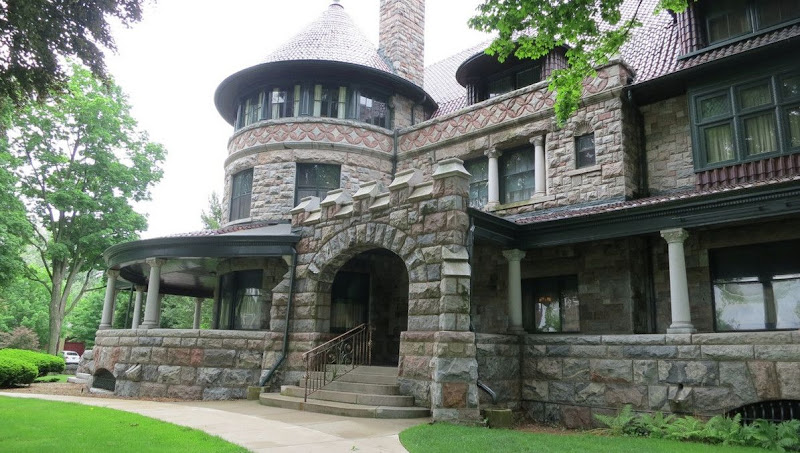
The History Museum in South Bend traces its roots to the Northern Indiana Historical Society, founded in 1867, making it one of the oldest historical organizations in the state. Over time the institution grew out of the old 1855 St. Joseph County Courthouse, and then, after a pivotal gift in 1988, into Copshaholm — the Oliver Mansion — with a modern museum facility added on the mansion grounds in 1994. That mix of 19th-century mansion life and a purpose-built gallery space gives the museum a layered personality: part historic house, part museum center for the region’s stories.
Visitors will notice right away that this is not a dusty attic of artifacts. The History Museum balances curated, rotating exhibits about local and American history with the intimate rooms of the Oliver Mansion, where period decor and family objects help make the past feel like someone’s lived-in memory. The collection includes material culture, photographs, manuscripts and a selection of notable local collections that illuminate industrial, civic and social life in northern Indiana. Schuyler Colfax-related items and Oliver family objects surface regularly in exhibits, and the museum is known for weaving personal stories into broader historical themes.
The property itself is part of the appeal. The Oliver Mansion’s architecture and preserved rooms give visitors a tangible sense of wealth, industry and family dynamics from an earlier era. Meanwhile the contemporary museum building houses changing exhibits, educational spaces and a research-focused collection. That means a visitor can step from an ornate parlor straight into a brightly lit gallery about transportation, civil rights, or regional industry. It’s a useful contrast; the old and the new play off each other and, honestly, that contrast makes the museum easier to enjoy than many single-building history sites.
Accessibility and practical amenities are part of the experience here, too. The museum emphasizes accessibility: wheelchair-accessible entrances, restrooms and parking are in place, and the site offers on-site parking as well as free street parking in the surrounding historic district. There’s a gift shop and docent-guided tours, which are a popular way to get anecdotes that won’t appear on a plaque. Docents often point out small human details — a repaired chair leg, a child's scribble on an old ledger — that make the exhibits feel like living stories rather than just displays.
Programs are geared toward families and school groups, so if you’re traveling with kids this tends to be an easy stop. Exhibits are designed to be educational but approachable; the hands-on elements and clear labeling help younger visitors stay engaged. Adult visitors and history buffs will appreciate the depth of the archives and the rotating temporary shows that explore topics from local politics to manufacturing and social history. The museum charges an admission fee, but it’s structured to be reasonable and there are discounts available for military personnel.
One little insider note: people sometimes underestimate how much time they’ll want to spend here. A quick walk-through of the mansion might only take 30 minutes, but add a rotating exhibit, a stop in the gift shop, and a slow read of the interpretive panels and it can easily become a two-hour visit. A volunteer once joked that the museum is a great place for rainy afternoons, and that’s true — the layout encourages lingering, and there are spots where one can sit and actually read an old letter aloud with a cup of coffee in hand.
Finally, the museum’s role in the community is significant; it’s not just a repository of objects but an active center for local history programming, talks, and outreach. That community focus shows up in exhibitions that examine regional identities, in school programs that connect kids to local stories, and in collections that preserve everyday life as well as the big names. For travelers looking to understand South Bend beyond the surface, The History Museum provides context, texture and, often, surprising human moments that stick with you after you leave.
Key Features
More Details
Updated August 29, 2025
Table of Contents
Description
The History Museum in South Bend traces its roots to the Northern Indiana Historical Society, founded in 1867, making it one of the oldest historical organizations in the state. Over time the institution grew out of the old 1855 St. Joseph County Courthouse, and then, after a pivotal gift in 1988, into Copshaholm — the Oliver Mansion — with a modern museum facility added on the mansion grounds in 1994. That mix of 19th-century mansion life and a purpose-built gallery space gives the museum a layered personality: part historic house, part museum center for the region’s stories.
Visitors will notice right away that this is not a dusty attic of artifacts. The History Museum balances curated, rotating exhibits about local and American history with the intimate rooms of the Oliver Mansion, where period decor and family objects help make the past feel like someone’s lived-in memory. The collection includes material culture, photographs, manuscripts and a selection of notable local collections that illuminate industrial, civic and social life in northern Indiana. Schuyler Colfax-related items and Oliver family objects surface regularly in exhibits, and the museum is known for weaving personal stories into broader historical themes.
The property itself is part of the appeal. The Oliver Mansion’s architecture and preserved rooms give visitors a tangible sense of wealth, industry and family dynamics from an earlier era. Meanwhile the contemporary museum building houses changing exhibits, educational spaces and a research-focused collection. That means a visitor can step from an ornate parlor straight into a brightly lit gallery about transportation, civil rights, or regional industry. It’s a useful contrast; the old and the new play off each other and, honestly, that contrast makes the museum easier to enjoy than many single-building history sites.
Accessibility and practical amenities are part of the experience here, too. The museum emphasizes accessibility: wheelchair-accessible entrances, restrooms and parking are in place, and the site offers on-site parking as well as free street parking in the surrounding historic district. There’s a gift shop and docent-guided tours, which are a popular way to get anecdotes that won’t appear on a plaque. Docents often point out small human details — a repaired chair leg, a child’s scribble on an old ledger — that make the exhibits feel like living stories rather than just displays.
Programs are geared toward families and school groups, so if you’re traveling with kids this tends to be an easy stop. Exhibits are designed to be educational but approachable; the hands-on elements and clear labeling help younger visitors stay engaged. Adult visitors and history buffs will appreciate the depth of the archives and the rotating temporary shows that explore topics from local politics to manufacturing and social history. The museum charges an admission fee, but it’s structured to be reasonable and there are discounts available for military personnel.
One little insider note: people sometimes underestimate how much time they’ll want to spend here. A quick walk-through of the mansion might only take 30 minutes, but add a rotating exhibit, a stop in the gift shop, and a slow read of the interpretive panels and it can easily become a two-hour visit. A volunteer once joked that the museum is a great place for rainy afternoons, and that’s true — the layout encourages lingering, and there are spots where one can sit and actually read an old letter aloud with a cup of coffee in hand.
Finally, the museum’s role in the community is significant; it’s not just a repository of objects but an active center for local history programming, talks, and outreach. That community focus shows up in exhibitions that examine regional identities, in school programs that connect kids to local stories, and in collections that preserve everyday life as well as the big names. For travelers looking to understand South Bend beyond the surface, The History Museum provides context, texture and, often, surprising human moments that stick with you after you leave.
Key Highlights
The History Museum
Location
Places to Stay Near The History Museum
Find and Book a Tour
Explore More Travel Guides
No reviews found! Be the first to review!
Traveler Reviews for The History Museum
There are no reviews yet. Be the first one to write one.
Have you visited The History Museum? Help other travelers by sharing your review.
You Might Also Like

Kennedy Water Park
Children's Museum of South Bend

Park & Party - ND Tailgate Lot
Find Accommodations Nearby
Recommended Tours & Activities
Visitor Reviews
There are no reviews yet. Be the first one to write one.
Share Your Experience
Have you visited The History Museum? Help other travelers by leaving a review.