
The Historic Lowry House
About The Historic Lowry House
Description
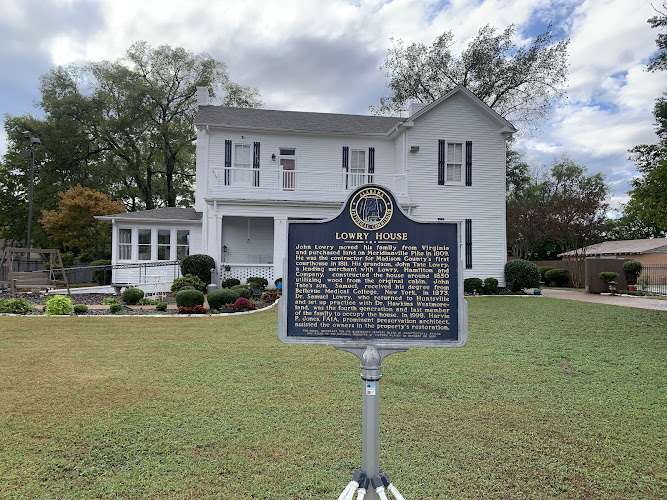
The Historic Lowry House in Huntsville, Alabama, is one of those places that feels like stepping through a portal into another time. Built around the mid-1800s, it’s more than just an old house—it’s a living, breathing piece of the city’s story. The moment you walk through its doors, the scent of old wood and history hits you, and you can almost imagine the conversations that once filled those rooms. The home carries traces of multiple architectural styles—Italianate, Federal, Greek Revival, and Georgian—all layered together like chapters in a long, fascinating book. That blend gives it a personality that’s both elegant and a little quirky, kind of like Huntsville itself.
Originally constructed by John Tate Lowry, a merchant and early settler, the house has seen the city transform from a frontier town to a modern tech hub. What’s particularly intriguing is that parts of an even older log cabin, built around 1809, were incorporated into the newer structure. So you’re not just looking at Civil War-era craftsmanship—you’re literally standing on the bones of Huntsville’s earliest days. The restoration that began in the late 1990s brought the place back to life, and today it’s more than a museum; it’s a community hub. Weddings, theater performances, educational tours, and even a few ghost stories keep the house buzzing with energy.
I remember visiting one humid Alabama afternoon, the kind where the air feels thick enough to chew. I joined a small tour group led by a local historian who spoke with the kind of passion that makes you forget you’re standing in a museum. She pointed out the original wood beams, some still bearing tool marks from over a century ago. You could feel the pride in her voice. There’s something grounding about being in a place that’s survived wars, neglect, and time itself—and still manages to welcome guests with open arms.
And yes, there are whispers about ghosts. The story goes that a young bride named Anne still lingers upstairs, sometimes seen gazing out a window in her wedding dress. Whether you believe in that sort of thing or not, it adds a mysterious charm to the visit. It’s not spooky so much as it is poetic—a reminder that love, loss, and memory leave their mark on the walls we build.
Key Features
- Architectural Diversity: The house combines Italianate, Federal, Greek Revival, and Georgian styles, showcasing an evolution of design that reflects Huntsville’s growth through the 19th century.
- Authentic Restoration: Every detail, from the mantels to the stairway, was carefully restored to preserve its original craftsmanship while making it accessible for modern visitors.
- Live Performances: The Lowry House regularly hosts small theater productions and live performances, adding a creative spark to its historical atmosphere.
- Guided Tours: Knowledgeable guides share stories about the Lowry family, the enslaved people who lived and worked there, and the home’s surprising connection to abolitionist movements.
- Event Venue: The property doubles as a sought-after wedding and event space, especially for couples who want a romantic, historical backdrop.
- Accessibility: The site offers wheelchair-accessible entrances, restrooms, and parking, ensuring that most visitors can explore comfortably.
- Family-Friendly: Kids tend to love the stories, the open lawn, and the sense of adventure that comes with exploring a “haunted” old house.
- Local Involvement: The house often collaborates with schools, artists, and community groups, keeping its role as a cultural landmark alive and relevant.
Best Time to Visit
If you ask me, spring and fall are the sweet spots for visiting The Historic Lowry House. The Alabama heat can be a bit much in midsummer, and while the house is cool inside, the gardens and outdoor areas are best enjoyed when it’s not sweltering. In spring, the magnolias and dogwoods bloom, framing the house in soft pinks and whites—it’s honestly postcard-worthy. Fall, on the other hand, brings that golden light that makes the old wood glow like honey. Plus, the house often hosts seasonal events around those times, like historical reenactments or small theater performances, which add a whole new layer to the experience.
Winter visits have their charm too. The house sometimes gets decked out for the holidays, and there’s something magical about seeing those antique halls lit with warm lights. It feels like stepping into a 19th-century Christmas card. That said, if you’re hoping to catch an outdoor wedding or a community event, late spring is your best bet.
How to Get There
Reaching The Historic Lowry House is pretty straightforward if you’re staying in Huntsville. It’s tucked away in a quiet neighborhood not far from downtown, so you won’t be driving for hours. Most visitors arrive by car—Huntsville’s public transportation isn’t exactly world-famous—but parking is available and free. If you’re using a GPS, it’ll take you right to the entrance. Honestly, I’d recommend driving anyway; that way, you can explore other nearby historical spots after your visit, like Twickenham Historic District or the Weeden House Museum.
If you’re coming from out of town, Huntsville International Airport is the nearest major hub, about a 20-minute drive away. You’ll find plenty of rental car options there. And if you’re the type who loves a good road trip (I definitely am), Huntsville is a pleasant drive from Nashville, Birmingham, or Chattanooga—each about two hours away. The scenic routes through northern Alabama are dotted with rolling hills, small towns, and the occasional roadside diner worth stopping for.
Tips for Visiting
Here’s where a bit of insider knowledge comes in handy. First off, check the schedule before you go. The Lowry House hosts a variety of events, from live performances to history talks, and the open hours can vary depending on what’s happening. I once showed up unannounced on a weekday only to find a wedding rehearsal in full swing—beautiful, but not exactly the tour I had in mind!
Wear comfortable shoes. The floors are original hardwood, slightly uneven in places, and you’ll want to wander around without worrying about your footing. Photography is usually allowed (and totally worth it), but be respectful—especially if an event is going on. The lighting inside can be dim, so if you’re into photography, bring a camera that handles low light well.
If you’re traveling with kids, the guides do a great job of keeping them engaged. The ghost stories help with that—nothing too scary, just enough to make their eyes go wide. And for those who love architecture, bring a notebook or sketchpad. There are so many small details—carved mantels, decorative molding, and that iconic box stairway—that you’ll want to remember later.
Accessibility is another plus. The entrance and restrooms are wheelchair-friendly, and while not every corner of the house is fully accessible (it’s an old structure, after all), the staff are accommodating and genuinely helpful. They care about making the space enjoyable for everyone, and that’s something you can feel from the moment you arrive.
Lastly, take your time. Don’t rush through the rooms like you’re checking boxes on a list. Let yourself linger. Stand by a window and look out over the lawn. Imagine the people who stood there before you—the laughter, the arguments, the quiet moments. That’s what makes The Historic Lowry House special. It’s not just a museum; it’s a memory keeper. And once you’ve been there, you kind of become part of that memory too.
All in all, The Historic Lowry House is one of those rare places that manages to balance history with heart. Whether you’re a history buff, a romantic, or just someone who enjoys discovering the soul of a city, it’s worth adding to your Huntsville itinerary. You’ll leave with stories, a few goosebumps, and maybe—just maybe—a renewed appreciation for the way the past still whispers to us through old walls and creaky floors.
Key Features
- Key Features
- Best Time to Visit
- How to Get There
- Tips for Visiting
More Details
Updated November 30, 2025
Table of Contents
Description
The Historic Lowry House in Huntsville, Alabama, is one of those places that feels like stepping through a portal into another time. Built around the mid-1800s, it’s more than just an old house—it’s a living, breathing piece of the city’s story. The moment you walk through its doors, the scent of old wood and history hits you, and you can almost imagine the conversations that once filled those rooms. The home carries traces of multiple architectural styles—Italianate, Federal, Greek Revival, and Georgian—all layered together like chapters in a long, fascinating book. That blend gives it a personality that’s both elegant and a little quirky, kind of like Huntsville itself.
Originally constructed by John Tate Lowry, a merchant and early settler, the house has seen the city transform from a frontier town to a modern tech hub. What’s particularly intriguing is that parts of an even older log cabin, built around 1809, were incorporated into the newer structure. So you’re not just looking at Civil War-era craftsmanship—you’re literally standing on the bones of Huntsville’s earliest days. The restoration that began in the late 1990s brought the place back to life, and today it’s more than a museum; it’s a community hub. Weddings, theater performances, educational tours, and even a few ghost stories keep the house buzzing with energy.
I remember visiting one humid Alabama afternoon, the kind where the air feels thick enough to chew. I joined a small tour group led by a local historian who spoke with the kind of passion that makes you forget you’re standing in a museum. She pointed out the original wood beams, some still bearing tool marks from over a century ago. You could feel the pride in her voice. There’s something grounding about being in a place that’s survived wars, neglect, and time itself—and still manages to welcome guests with open arms.
And yes, there are whispers about ghosts. The story goes that a young bride named Anne still lingers upstairs, sometimes seen gazing out a window in her wedding dress. Whether you believe in that sort of thing or not, it adds a mysterious charm to the visit. It’s not spooky so much as it is poetic—a reminder that love, loss, and memory leave their mark on the walls we build.
Key Features
- Architectural Diversity: The house combines Italianate, Federal, Greek Revival, and Georgian styles, showcasing an evolution of design that reflects Huntsville’s growth through the 19th century.
- Authentic Restoration: Every detail, from the mantels to the stairway, was carefully restored to preserve its original craftsmanship while making it accessible for modern visitors.
- Live Performances: The Lowry House regularly hosts small theater productions and live performances, adding a creative spark to its historical atmosphere.
- Guided Tours: Knowledgeable guides share stories about the Lowry family, the enslaved people who lived and worked there, and the home’s surprising connection to abolitionist movements.
- Event Venue: The property doubles as a sought-after wedding and event space, especially for couples who want a romantic, historical backdrop.
- Accessibility: The site offers wheelchair-accessible entrances, restrooms, and parking, ensuring that most visitors can explore comfortably.
- Family-Friendly: Kids tend to love the stories, the open lawn, and the sense of adventure that comes with exploring a “haunted” old house.
- Local Involvement: The house often collaborates with schools, artists, and community groups, keeping its role as a cultural landmark alive and relevant.
Best Time to Visit
If you ask me, spring and fall are the sweet spots for visiting The Historic Lowry House. The Alabama heat can be a bit much in midsummer, and while the house is cool inside, the gardens and outdoor areas are best enjoyed when it’s not sweltering. In spring, the magnolias and dogwoods bloom, framing the house in soft pinks and whites—it’s honestly postcard-worthy. Fall, on the other hand, brings that golden light that makes the old wood glow like honey. Plus, the house often hosts seasonal events around those times, like historical reenactments or small theater performances, which add a whole new layer to the experience.
Winter visits have their charm too. The house sometimes gets decked out for the holidays, and there’s something magical about seeing those antique halls lit with warm lights. It feels like stepping into a 19th-century Christmas card. That said, if you’re hoping to catch an outdoor wedding or a community event, late spring is your best bet.
How to Get There
Reaching The Historic Lowry House is pretty straightforward if you’re staying in Huntsville. It’s tucked away in a quiet neighborhood not far from downtown, so you won’t be driving for hours. Most visitors arrive by car—Huntsville’s public transportation isn’t exactly world-famous—but parking is available and free. If you’re using a GPS, it’ll take you right to the entrance. Honestly, I’d recommend driving anyway; that way, you can explore other nearby historical spots after your visit, like Twickenham Historic District or the Weeden House Museum.
If you’re coming from out of town, Huntsville International Airport is the nearest major hub, about a 20-minute drive away. You’ll find plenty of rental car options there. And if you’re the type who loves a good road trip (I definitely am), Huntsville is a pleasant drive from Nashville, Birmingham, or Chattanooga—each about two hours away. The scenic routes through northern Alabama are dotted with rolling hills, small towns, and the occasional roadside diner worth stopping for.
Tips for Visiting
Here’s where a bit of insider knowledge comes in handy. First off, check the schedule before you go. The Lowry House hosts a variety of events, from live performances to history talks, and the open hours can vary depending on what’s happening. I once showed up unannounced on a weekday only to find a wedding rehearsal in full swing—beautiful, but not exactly the tour I had in mind!
Wear comfortable shoes. The floors are original hardwood, slightly uneven in places, and you’ll want to wander around without worrying about your footing. Photography is usually allowed (and totally worth it), but be respectful—especially if an event is going on. The lighting inside can be dim, so if you’re into photography, bring a camera that handles low light well.
If you’re traveling with kids, the guides do a great job of keeping them engaged. The ghost stories help with that—nothing too scary, just enough to make their eyes go wide. And for those who love architecture, bring a notebook or sketchpad. There are so many small details—carved mantels, decorative molding, and that iconic box stairway—that you’ll want to remember later.
Accessibility is another plus. The entrance and restrooms are wheelchair-friendly, and while not every corner of the house is fully accessible (it’s an old structure, after all), the staff are accommodating and genuinely helpful. They care about making the space enjoyable for everyone, and that’s something you can feel from the moment you arrive.
Lastly, take your time. Don’t rush through the rooms like you’re checking boxes on a list. Let yourself linger. Stand by a window and look out over the lawn. Imagine the people who stood there before you—the laughter, the arguments, the quiet moments. That’s what makes The Historic Lowry House special. It’s not just a museum; it’s a memory keeper. And once you’ve been there, you kind of become part of that memory too.
All in all, The Historic Lowry House is one of those rare places that manages to balance history with heart. Whether you’re a history buff, a romantic, or just someone who enjoys discovering the soul of a city, it’s worth adding to your Huntsville itinerary. You’ll leave with stories, a few goosebumps, and maybe—just maybe—a renewed appreciation for the way the past still whispers to us through old walls and creaky floors.
Key Highlights
- Key Features
- Best Time to Visit
- How to Get There
- Tips for Visiting
Location
Places to Stay Near The Historic Lowry House
Find and Book a Tour
Explore More Travel Guides
No reviews found! Be the first to review!
Traveler Reviews for The Historic Lowry House
There are no reviews yet. Be the first one to write one.
Have you visited The Historic Lowry House? Help other travelers by sharing your review.
You Might Also Like
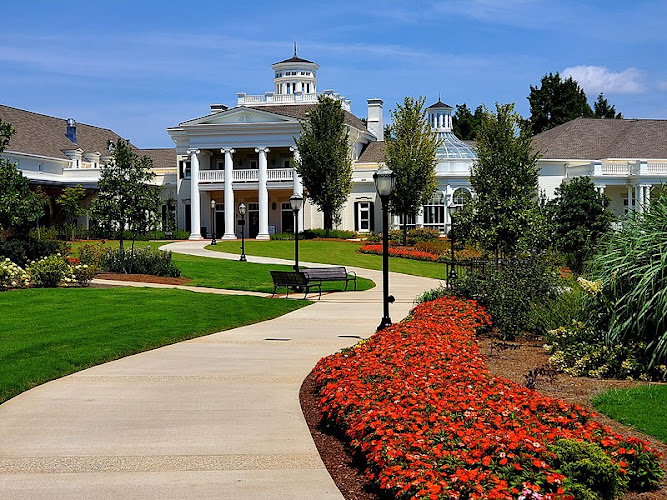
Huntsville Botanical Garden

Lowe Mill ARTS & Entertainment
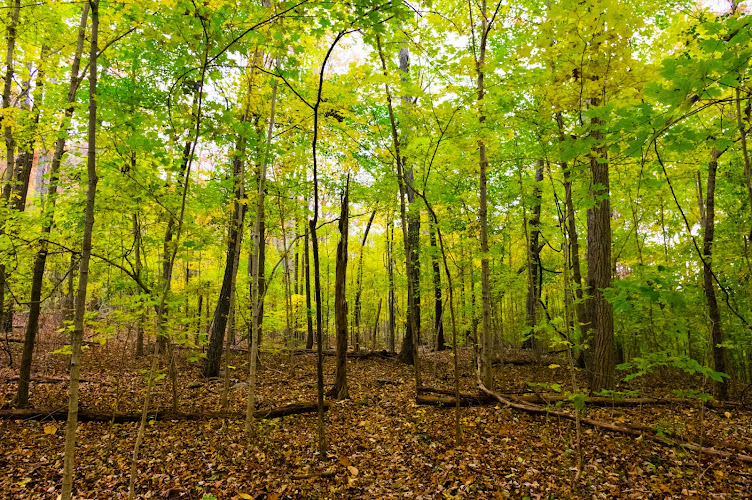
Monte Sano Nature Preserve (Bankhead Trailhead)
Find Accommodations Nearby
Recommended Tours & Activities
Visitor Reviews
There are no reviews yet. Be the first one to write one.
Share Your Experience
Have you visited The Historic Lowry House? Help other travelers by leaving a review.