
The Gray/Campbell Farmstead
About The Gray/Campbell Farmstead
Description
The Gray/Campbell Farmstead stands as a genuine piece of living history that takes visitors back to a time when farming communities shaped the backbone of American life. This historical gem offers travelers a rare opportunity to step into an authentic agricultural setting that's been carefully preserved to showcase rural life from generations past. Unlike many tourist spots that feel commercialized or artificial, this farmstead maintains its original character and charm in ways that really connect with people who appreciate the real deal. Walking through the property, you get this overwhelming sense of authenticity that's hard to find these days. The buildings tell stories through their weathered wood and sturdy construction, and there's something deeply satisfying about seeing how families lived and worked the land decades ago. It's not just about looking at old structures—it's about understanding a way of life that shaped entire communities and still influences how we think about agriculture today. What makes this place special is how it manages to be educational without being stuffy or boring. Families find it engaging, history buffs discover new details about agricultural practices, and even casual visitors come away with a deeper appreciation for the hard work that went into farming before modern machinery took over. The farmstead has earned its reputation through word-of-mouth and genuine experiences rather than flashy marketing, which honestly makes it even more appealing to travelers seeking substance over spectacle.Key Features
The Gray/Campbell Farmstead offers several distinctive elements that make it worth adding to your travel itinerary: • Complete accessibility features including wheelchair-accessible entrances and designated parking areas, making it truly welcoming for all visitors regardless of mobility needs • Authentic historical buildings that showcase actual farming architecture and design from their original period, not reconstructions or replicas • Family-friendly environment specifically suitable for children, offering educational opportunities that actually keep kids interested and engaged • Convenient on-site parking that eliminates the hassle of searching for spots or walking long distances before your visit even begins • Self-guided exploration options that let you move at your own pace and focus on aspects that interest you most • Original farming equipment and tools that demonstrate how agricultural work was accomplished before mechanization changed everything • Peaceful rural setting that provides a genuine escape from modern urban environments and constant digital distractions • Educational value that goes beyond simple tourism, offering real insights into agricultural history and rural American life • Well-maintained grounds that respect the historical integrity while ensuring visitor safety and comfort • Opportunities for photography enthusiasts to capture genuinely interesting historical subjects and rustic architectural detailsBest Time to Visit
Timing your visit to the Gray/Campbell Farmstead can really enhance your experience, and there's honestly more flexibility here than you might think. Spring months bring the farmstead to life in particularly beautiful ways, with the surrounding landscape greening up and the weather becoming more cooperative for outdoor exploration. Those mild temperatures between April and June make walking around the property comfortable, and you won't be dealing with extreme heat or cold while checking out the various buildings. Summer certainly works for visits, though you'll want to plan for warmer conditions. Early morning or late afternoon visits during July and August help you avoid the midday heat, especially since you'll be doing a fair amount of walking and outdoor time. But honestly, summer has its own appeal—the full foliage and longer daylight hours give you more time to explore without feeling rushed. Fall might actually be the sweet spot for many travelers. September through early November offers that perfect combination of comfortable temperatures, beautiful seasonal colors, and typically stable weather patterns. There's something about experiencing historical farm buildings with autumn leaves around them that just feels right. The cooler air makes extended outdoor time more pleasant, and the light in fall creates amazing conditions for anyone interested in photography. Winter visits have their own unique character, though you'll need to prepare appropriately. The farmstead takes on a stark, honest appearance in colder months that some visitors actually prefer. You'll see the bones of the architecture more clearly without summer greenery, and there's typically less crowding. Just check ahead for any seasonal closures or limited hours, and dress in layers because historic buildings don't usually have modern heating systems. Weekday visits generally offer a quieter experience compared to weekends, regardless of season. If you're someone who prefers exploring without crowds or you want better opportunities for unobstructed photos, aiming for Tuesday through Thursday often works out nicely.How to Get There
Getting to the Gray/Campbell Farmstead requires a bit of planning, but it's definitely manageable for most travelers. The property sits in a genuinely rural location, which means you'll need personal transportation to reach it comfortably. This isn't one of those attractions sitting right off a major highway with obvious signage every few miles—it's more tucked away in the countryside, which actually adds to its authentic feel. Driving remains the most practical option for reaching the farmstead. The on-site parking eliminates concerns about where to leave your vehicle, which is honestly a relief when visiting rural historical sites. GPS navigation works reliably for finding the location, though you should download offline maps just in case cellular service gets spotty as you approach more remote areas. That's just smart planning when heading into countryside locations. For travelers flying into the region, you'll want to arrange a rental car. Public transportation doesn't really service this area—it's farm country, after all. The drive from nearby urban centers takes you through genuinely scenic rural landscapes that set the mood nicely before you even arrive. Allow extra time for the journey if you're coming from a city, both for the actual distance and for those moments when you'll want to slow down and appreciate the countryside. Road conditions are generally good, but rural routes can sometimes surprise you. During winter months or after heavy rain, just exercise normal caution on country roads. The farmstead's accessible parking lot is well-maintained, so once you arrive, you won't be dealing with muddy fields or rough terrain to access the main areas. If you're incorporating the farmstead into a broader road trip or regional tour, it fits nicely into routes exploring rural heritage sites and agricultural history. Plan for at least a two to three hour visit to really appreciate what's there without rushing through.Tips for Visiting
Making the most of your Gray/Campbell Farmstead experience comes down to smart preparation and the right expectations. First off, wear comfortable walking shoes—not your brand new sneakers you're trying to keep pristine, but actually broken-in footwear that can handle uneven terrain and potentially dusty or grassy paths. Historic farm properties aren't paved modern attractions, and your feet will thank you for choosing function over fashion. Bring water and snacks with you. Rural historic sites don't typically have convenience stores or cafes nearby, and you'll want to stay hydrated while exploring outdoors. A small backpack works well for carrying these essentials plus any other items you might need throughout your visit. Photography enthusiasts should definitely bring their cameras, but honestly, even smartphone cameras will capture great shots here. The natural lighting and authentic historical structures create compelling subjects. Morning and late afternoon offer the best light conditions, and don't overlook the smaller details—weathered wood textures, old hardware, architectural elements—these often make the most interesting close-up shots. Plan for variable weather even if forecasts look perfect. Rural areas can experience sudden changes, and historic buildings provide limited shelter. A light jacket or rain shell in your bag doesn't take much space but can make a huge difference in your comfort level. Take time to actually read any informational plaques or signs posted around the property. Yeah, I know, everyone's tempted to just snap photos and keep moving, but the context these provide really enriches your understanding of what you're seeing. The farmstead tells a better story when you know the details behind the structures and tools. If you're visiting with children, frame it as an adventure or exploration rather than a history lesson. Kids respond well to scavenger hunt approaches—challenge them to find specific tools or architectural features. The farmstead's kid-friendly nature means it's already set up to engage younger visitors, but a little parental enthusiasm goes a long way. Respect the historical nature of what you're visiting. These aren't theme park recreations—they're actual historical structures that require careful preservation. Stay on designated paths, don't touch fragile items unless explicitly permitted, and follow any posted guidelines. Your cooperation helps ensure the farmstead remains available for future visitors. Consider visiting during special events or programs if the farmstead offers them. These occasions often provide additional context, demonstrations, or guided information that enhance the standard self-guided experience. Check ahead for any scheduled activities that might align with your travel dates. Allow more time than you initially think you'll need. There's a tendency to underestimate how long you'll want to spend at places like this, especially once you start really looking at the details and imagining the lives lived here. Building in buffer time means you won't feel rushed or stressed about getting to your next destination. Finally, come with genuine curiosity rather than just checking boxes on a tourist itinerary. The Gray/Campbell Farmstead rewards visitors who engage thoughtfully with what they're seeing. This isn't entertainment in the modern sense—it's connection with history, and that requires a slightly different mindset than typical sightseeing.Key Features
- Circa 1856 main house — one of Springfield’s oldest surviving homes
- Original log kitchen dating to the 1840s
- Two-crib barn and log granary offering agricultural context
- One-room schoolhouse from 1895 illustrating rural education
- Located within Nathanael Greene/Close Memorial Park with scenic grounds
More Details
Updated March 30, 2026
Table of Contents
Description
The Gray/Campbell Farmstead stands as a genuine piece of living history that takes visitors back to a time when farming communities shaped the backbone of American life. This historical gem offers travelers a rare opportunity to step into an authentic agricultural setting that’s been carefully preserved to showcase rural life from generations past. Unlike many tourist spots that feel commercialized or artificial, this farmstead maintains its original character and charm in ways that really connect with people who appreciate the real deal.
Walking through the property, you get this overwhelming sense of authenticity that’s hard to find these days. The buildings tell stories through their weathered wood and sturdy construction, and there’s something deeply satisfying about seeing how families lived and worked the land decades ago. It’s not just about looking at old structures—it’s about understanding a way of life that shaped entire communities and still influences how we think about agriculture today.
What makes this place special is how it manages to be educational without being stuffy or boring. Families find it engaging, history buffs discover new details about agricultural practices, and even casual visitors come away with a deeper appreciation for the hard work that went into farming before modern machinery took over. The farmstead has earned its reputation through word-of-mouth and genuine experiences rather than flashy marketing, which honestly makes it even more appealing to travelers seeking substance over spectacle.
Key Features
The Gray/Campbell Farmstead offers several distinctive elements that make it worth adding to your travel itinerary:
• Complete accessibility features including wheelchair-accessible entrances and designated parking areas, making it truly welcoming for all visitors regardless of mobility needs
• Authentic historical buildings that showcase actual farming architecture and design from their original period, not reconstructions or replicas
• Family-friendly environment specifically suitable for children, offering educational opportunities that actually keep kids interested and engaged
• Convenient on-site parking that eliminates the hassle of searching for spots or walking long distances before your visit even begins
• Self-guided exploration options that let you move at your own pace and focus on aspects that interest you most
• Original farming equipment and tools that demonstrate how agricultural work was accomplished before mechanization changed everything
• Peaceful rural setting that provides a genuine escape from modern urban environments and constant digital distractions
• Educational value that goes beyond simple tourism, offering real insights into agricultural history and rural American life
• Well-maintained grounds that respect the historical integrity while ensuring visitor safety and comfort
• Opportunities for photography enthusiasts to capture genuinely interesting historical subjects and rustic architectural details
Best Time to Visit
Timing your visit to the Gray/Campbell Farmstead can really enhance your experience, and there’s honestly more flexibility here than you might think. Spring months bring the farmstead to life in particularly beautiful ways, with the surrounding landscape greening up and the weather becoming more cooperative for outdoor exploration. Those mild temperatures between April and June make walking around the property comfortable, and you won’t be dealing with extreme heat or cold while checking out the various buildings.
Summer certainly works for visits, though you’ll want to plan for warmer conditions. Early morning or late afternoon visits during July and August help you avoid the midday heat, especially since you’ll be doing a fair amount of walking and outdoor time. But honestly, summer has its own appeal—the full foliage and longer daylight hours give you more time to explore without feeling rushed.
Fall might actually be the sweet spot for many travelers. September through early November offers that perfect combination of comfortable temperatures, beautiful seasonal colors, and typically stable weather patterns. There’s something about experiencing historical farm buildings with autumn leaves around them that just feels right. The cooler air makes extended outdoor time more pleasant, and the light in fall creates amazing conditions for anyone interested in photography.
Winter visits have their own unique character, though you’ll need to prepare appropriately. The farmstead takes on a stark, honest appearance in colder months that some visitors actually prefer. You’ll see the bones of the architecture more clearly without summer greenery, and there’s typically less crowding. Just check ahead for any seasonal closures or limited hours, and dress in layers because historic buildings don’t usually have modern heating systems.
Weekday visits generally offer a quieter experience compared to weekends, regardless of season. If you’re someone who prefers exploring without crowds or you want better opportunities for unobstructed photos, aiming for Tuesday through Thursday often works out nicely.
How to Get There
Getting to the Gray/Campbell Farmstead requires a bit of planning, but it’s definitely manageable for most travelers. The property sits in a genuinely rural location, which means you’ll need personal transportation to reach it comfortably. This isn’t one of those attractions sitting right off a major highway with obvious signage every few miles—it’s more tucked away in the countryside, which actually adds to its authentic feel.
Driving remains the most practical option for reaching the farmstead. The on-site parking eliminates concerns about where to leave your vehicle, which is honestly a relief when visiting rural historical sites. GPS navigation works reliably for finding the location, though you should download offline maps just in case cellular service gets spotty as you approach more remote areas. That’s just smart planning when heading into countryside locations.
For travelers flying into the region, you’ll want to arrange a rental car. Public transportation doesn’t really service this area—it’s farm country, after all. The drive from nearby urban centers takes you through genuinely scenic rural landscapes that set the mood nicely before you even arrive. Allow extra time for the journey if you’re coming from a city, both for the actual distance and for those moments when you’ll want to slow down and appreciate the countryside.
Road conditions are generally good, but rural routes can sometimes surprise you. During winter months or after heavy rain, just exercise normal caution on country roads. The farmstead’s accessible parking lot is well-maintained, so once you arrive, you won’t be dealing with muddy fields or rough terrain to access the main areas.
If you’re incorporating the farmstead into a broader road trip or regional tour, it fits nicely into routes exploring rural heritage sites and agricultural history. Plan for at least a two to three hour visit to really appreciate what’s there without rushing through.
Tips for Visiting
Making the most of your Gray/Campbell Farmstead experience comes down to smart preparation and the right expectations. First off, wear comfortable walking shoes—not your brand new sneakers you’re trying to keep pristine, but actually broken-in footwear that can handle uneven terrain and potentially dusty or grassy paths. Historic farm properties aren’t paved modern attractions, and your feet will thank you for choosing function over fashion.
Bring water and snacks with you. Rural historic sites don’t typically have convenience stores or cafes nearby, and you’ll want to stay hydrated while exploring outdoors. A small backpack works well for carrying these essentials plus any other items you might need throughout your visit.
Photography enthusiasts should definitely bring their cameras, but honestly, even smartphone cameras will capture great shots here. The natural lighting and authentic historical structures create compelling subjects. Morning and late afternoon offer the best light conditions, and don’t overlook the smaller details—weathered wood textures, old hardware, architectural elements—these often make the most interesting close-up shots.
Plan for variable weather even if forecasts look perfect. Rural areas can experience sudden changes, and historic buildings provide limited shelter. A light jacket or rain shell in your bag doesn’t take much space but can make a huge difference in your comfort level.
Take time to actually read any informational plaques or signs posted around the property. Yeah, I know, everyone’s tempted to just snap photos and keep moving, but the context these provide really enriches your understanding of what you’re seeing. The farmstead tells a better story when you know the details behind the structures and tools.
If you’re visiting with children, frame it as an adventure or exploration rather than a history lesson. Kids respond well to scavenger hunt approaches—challenge them to find specific tools or architectural features. The farmstead’s kid-friendly nature means it’s already set up to engage younger visitors, but a little parental enthusiasm goes a long way.
Respect the historical nature of what you’re visiting. These aren’t theme park recreations—they’re actual historical structures that require careful preservation. Stay on designated paths, don’t touch fragile items unless explicitly permitted, and follow any posted guidelines. Your cooperation helps ensure the farmstead remains available for future visitors.
Consider visiting during special events or programs if the farmstead offers them. These occasions often provide additional context, demonstrations, or guided information that enhance the standard self-guided experience. Check ahead for any scheduled activities that might align with your travel dates.
Allow more time than you initially think you’ll need. There’s a tendency to underestimate how long you’ll want to spend at places like this, especially once you start really looking at the details and imagining the lives lived here. Building in buffer time means you won’t feel rushed or stressed about getting to your next destination.
Finally, come with genuine curiosity rather than just checking boxes on a tourist itinerary. The Gray/Campbell Farmstead rewards visitors who engage thoughtfully with what they’re seeing. This isn’t entertainment in the modern sense—it’s connection with history, and that requires a slightly different mindset than typical sightseeing.
Key Highlights
- Circa 1856 main house — one of Springfield’s oldest surviving homes
- Original log kitchen dating to the 1840s
- Two-crib barn and log granary offering agricultural context
- One-room schoolhouse from 1895 illustrating rural education
- Located within Nathanael Greene/Close Memorial Park with scenic grounds
Location
Places to Stay Near The Gray/Campbell Farmstead
Find and Book a Tour
Explore More Travel Guides
No reviews found! Be the first to review!
The Gray/Campbell Farmstead is a prominent attractions located in Springfield.
Visit us at: 2400 S Scenic Ave, Springfield, MO 65807.
Traveler Reviews for The Gray/Campbell Farmstead
There are no reviews yet. Be the first one to write one.
Have you visited The Gray/Campbell Farmstead? Help other travelers by sharing your review.
Nearby Attractions
You Might Also Like
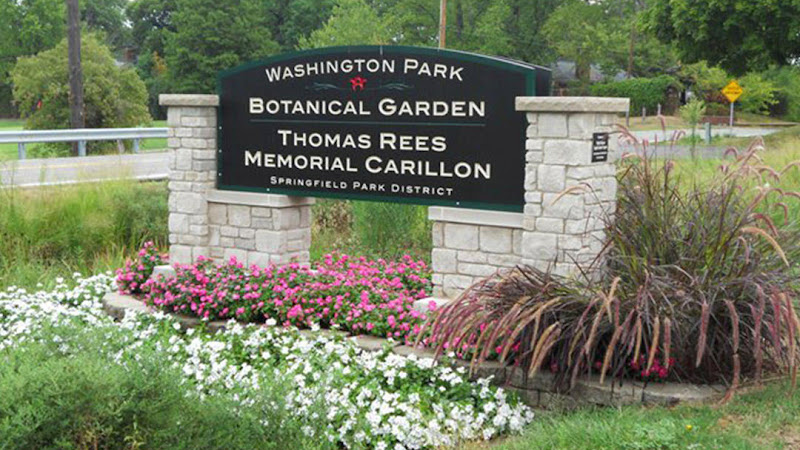
Washington Park Botanical Garden

Wonders Of Wildlife National Museum & Aquarium

Birthplace of Route 66 Roadside Park
Find Accommodations Nearby
Recommended Tours & Activities
Visitor Reviews
There are no reviews yet. Be the first one to write one.
Share Your Experience
Have you visited The Gray/Campbell Farmstead? Help other travelers by leaving a review.