

The Gallen-Kallela Museum Vallikallio
About The Gallen-Kallela Museum Vallikallio
Description
The Gallen-Kallela Museum Vallikallio is an intimate, slightly quirky museum that lives inside the former home and studio of Akseli Gallen-Kallela, the 19th-century Finnish artist whose imagination helped shape modern Finnish visual identity. In plain terms: this is not a white-box gallery with neutral walls and clinical lighting. It is a lived-in place where paint-splashed floors, original furniture and the very windows that watched the light fall across the artist's easel remain largely as they were. That fact alone gives visitors a rare chance to step into the physical world of a Finnish painter whose work is entwined with national stories, folklore and the Kalevala epic.
Located in Espoo, Finland, the museum is often referred to simply as Gallen-Kallela Museum Vallikallio or the Kallela Museum by locals. It preserves a private, domestic scale—rooms that once held family life rather than crowds of tourists—so the experience feels close-up. Visitors encounter large, dramatic canvases as well as studies, sketches, and domestic objects; the result is a layered portrait of an artist who combined fierce creativity with a taste for theatrical set design. The collection on display emphasizes both the artist's finished masterpieces and his process: the sketches, palette choices and the tools of a working studio. It’s the kind of museum where the traces of creation matter as much as the finished paintings.
Architecturally the place reflects the sensibilities of its era and owner. There is a warmth to the materials and a meticulousness to the interior arrangement that speaks to national romantic and early modern ideas in Finnish design—elements that tell a separate story alongside the paintings themselves. And that story matters: the building is part of the narrative. It gives context to the art, showing how Gallen-Kallela designed spaces for display and living, blending practical studio needs with theatrical presentation. The result is both educational and, frankly, a little theatrical—deliberate, eccentric and memorable.
For travelers who love artist house museums—think preserved studios, the scent of old wood, the tiny nick in the workbench where an idea stuck—this museum scores high. It’s especially valuable for anyone interested in Finnish art, the late 19th- and early 20th-century cultural scene, or the Kalevala myth cycle, which influenced much of Gallen-Kallela’s subject matter. Exhibitions rotate, so the permanent displays sit alongside carefully curated temporary shows that explore aspects of the artist's life, technique and influence.
The museum’s atmosphere is gentle and personal. Crowds are usually manageable; it invites slow looking rather than quick selfies. And yes, it’s very family-friendly—kids can be curious here without feeling like they’re in a hushed cathedral of seriousness. There’s also an inclusive vibe: the museum promotes accessibility, offers gender-neutral restrooms, and presents itself as a welcoming place for LGBTQ+ visitors and families. These practical touches matter, and they’re integrated without being boastful.
Practical amenities enhance the experience. There is a small cafe/restaurant where visitors can pause after wandering through rooms of evocative imagery; sipping a hot drink while reconsidering a painting’s palette is a tiny luxury that makes the visit linger. The museum also provides wheelchair-accessible parking and accessible restrooms—important details for travelers who need them but that sometimes get overlooked in write-ups. Those amenities help the museum function as both cultural site and a friendly public space.
Beyond the canvases themselves, the site offers surprising things often missed in headline descriptions. For example, the layout of the rooms reveals how Gallen-Kallela curated his own legacy—how he chose to surround himself with certain motifs and props, what he displayed to guests, and how he staged light. A visitor who pays attention will find small theatrical flourishes: a corner arranged like a stage set; a sketch pinned where it was worked on; a postcard or travel souvenir that shaped later motifs. Those little human leftovers make the museum feel less like an archive and more like a memory kept deliberately.
There’s also a strong educational side. The museum does a commendable job of explaining context—why particular subjects recur in Gallen-Kallela's work, how national identity and folklore seeped into early Finnish art, and how the artist’s life intersected with broader European movements. The signage is clear and thoughtful, and temporary exhibitions often dig into themes like technique, the artist’s travels, or his relationship to contemporary artists and patrons. A visitor leaves not only having seen striking imagery but with a clearer sense of why it mattered to Finland’s cultural history.
The overall tone of the museum is respectful, but it’s also refreshingly human. This is not a shrine where everything is hush and velvet ropes. It is a domestic space that keeps traces of everyday life. That casualness is part of its charm: one room might still feel like a studio mid-project, while another displays formal works framed for display. It’s that contrast—work-in-progress versus finished statement—that yields insight into the artist’s process and personality.
Some travelers will find the museum compact; it isn’t the sprawling national gallery of a capital city. But that compactness is also the point. Time spent here feels concentrated and rewarding. For visitors who pair it with a visit to other museums in Espoo or a short trip into Helsinki, it adds a textured, intimate chapter to a Finnish art itinerary. And for first-time visitors to Finland who want to understand local artistic roots, experiencing Gallen-Kallela’s studio home is almost like reading a condensed primer on motifs that recur across Finnish culture—forests, mythic heroes, and the interplay of light and weather on northern landscapes.
Finally, the museum’s personality is a selling point. It feels curated by someone with a sense of humor and a respect for eccentricity. The exhibitions lean into the artist’s dramatic tendencies rather than smoothing them away. That means visitors sometimes encounter bold, theatrical compositions and, across the rooms, a clear sense of an artist who loved storytelling as much as painting. For travelers who appreciate character over flashy blockbuster shows, the Gallen-Kallela Museum Vallikallio rewards attention with discoveries at nearly every turn.
In sum, the Gallen-Kallela Museum Vallikallio offers an intimate, context-rich experience of Akseli Gallen-Kallela’s work and life. It is accessible and family-friendly, provides basic restaurant and restroom amenities, and presents a strong interpretative program that helps visitors make sense of the art and its cultural backdrop. The museum is small enough to visit in a few focused hours, but rich enough that those hours will stay with visitors longer than they expect. For anyone traveling in Espoo or exploring Finnish art history, this house-studio museum is a must-see for its ability to connect artistic output with living space—and to do so with a dash of the artist’s original theatricality still very much intact.
Key Features
More Details
Updated August 29, 2025
Table of Contents
Description
The Gallen-Kallela Museum Vallikallio is an intimate, slightly quirky museum that lives inside the former home and studio of Akseli Gallen-Kallela, the 19th-century Finnish artist whose imagination helped shape modern Finnish visual identity. In plain terms: this is not a white-box gallery with neutral walls and clinical lighting. It is a lived-in place where paint-splashed floors, original furniture and the very windows that watched the light fall across the artist’s easel remain largely as they were. That fact alone gives visitors a rare chance to step into the physical world of a Finnish painter whose work is entwined with national stories, folklore and the Kalevala epic.
Located in Espoo, Finland, the museum is often referred to simply as Gallen-Kallela Museum Vallikallio or the Kallela Museum by locals. It preserves a private, domestic scale—rooms that once held family life rather than crowds of tourists—so the experience feels close-up. Visitors encounter large, dramatic canvases as well as studies, sketches, and domestic objects; the result is a layered portrait of an artist who combined fierce creativity with a taste for theatrical set design. The collection on display emphasizes both the artist’s finished masterpieces and his process: the sketches, palette choices and the tools of a working studio. It’s the kind of museum where the traces of creation matter as much as the finished paintings.
Architecturally the place reflects the sensibilities of its era and owner. There is a warmth to the materials and a meticulousness to the interior arrangement that speaks to national romantic and early modern ideas in Finnish design—elements that tell a separate story alongside the paintings themselves. And that story matters: the building is part of the narrative. It gives context to the art, showing how Gallen-Kallela designed spaces for display and living, blending practical studio needs with theatrical presentation. The result is both educational and, frankly, a little theatrical—deliberate, eccentric and memorable.
For travelers who love artist house museums—think preserved studios, the scent of old wood, the tiny nick in the workbench where an idea stuck—this museum scores high. It’s especially valuable for anyone interested in Finnish art, the late 19th- and early 20th-century cultural scene, or the Kalevala myth cycle, which influenced much of Gallen-Kallela’s subject matter. Exhibitions rotate, so the permanent displays sit alongside carefully curated temporary shows that explore aspects of the artist’s life, technique and influence.
The museum’s atmosphere is gentle and personal. Crowds are usually manageable; it invites slow looking rather than quick selfies. And yes, it’s very family-friendly—kids can be curious here without feeling like they’re in a hushed cathedral of seriousness. There’s also an inclusive vibe: the museum promotes accessibility, offers gender-neutral restrooms, and presents itself as a welcoming place for LGBTQ+ visitors and families. These practical touches matter, and they’re integrated without being boastful.
Practical amenities enhance the experience. There is a small cafe/restaurant where visitors can pause after wandering through rooms of evocative imagery; sipping a hot drink while reconsidering a painting’s palette is a tiny luxury that makes the visit linger. The museum also provides wheelchair-accessible parking and accessible restrooms—important details for travelers who need them but that sometimes get overlooked in write-ups. Those amenities help the museum function as both cultural site and a friendly public space.
Beyond the canvases themselves, the site offers surprising things often missed in headline descriptions. For example, the layout of the rooms reveals how Gallen-Kallela curated his own legacy—how he chose to surround himself with certain motifs and props, what he displayed to guests, and how he staged light. A visitor who pays attention will find small theatrical flourishes: a corner arranged like a stage set; a sketch pinned where it was worked on; a postcard or travel souvenir that shaped later motifs. Those little human leftovers make the museum feel less like an archive and more like a memory kept deliberately.
There’s also a strong educational side. The museum does a commendable job of explaining context—why particular subjects recur in Gallen-Kallela’s work, how national identity and folklore seeped into early Finnish art, and how the artist’s life intersected with broader European movements. The signage is clear and thoughtful, and temporary exhibitions often dig into themes like technique, the artist’s travels, or his relationship to contemporary artists and patrons. A visitor leaves not only having seen striking imagery but with a clearer sense of why it mattered to Finland’s cultural history.
The overall tone of the museum is respectful, but it’s also refreshingly human. This is not a shrine where everything is hush and velvet ropes. It is a domestic space that keeps traces of everyday life. That casualness is part of its charm: one room might still feel like a studio mid-project, while another displays formal works framed for display. It’s that contrast—work-in-progress versus finished statement—that yields insight into the artist’s process and personality.
Some travelers will find the museum compact; it isn’t the sprawling national gallery of a capital city. But that compactness is also the point. Time spent here feels concentrated and rewarding. For visitors who pair it with a visit to other museums in Espoo or a short trip into Helsinki, it adds a textured, intimate chapter to a Finnish art itinerary. And for first-time visitors to Finland who want to understand local artistic roots, experiencing Gallen-Kallela’s studio home is almost like reading a condensed primer on motifs that recur across Finnish culture—forests, mythic heroes, and the interplay of light and weather on northern landscapes.
Finally, the museum’s personality is a selling point. It feels curated by someone with a sense of humor and a respect for eccentricity. The exhibitions lean into the artist’s dramatic tendencies rather than smoothing them away. That means visitors sometimes encounter bold, theatrical compositions and, across the rooms, a clear sense of an artist who loved storytelling as much as painting. For travelers who appreciate character over flashy blockbuster shows, the Gallen-Kallela Museum Vallikallio rewards attention with discoveries at nearly every turn.
In sum, the Gallen-Kallela Museum Vallikallio offers an intimate, context-rich experience of Akseli Gallen-Kallela’s work and life. It is accessible and family-friendly, provides basic restaurant and restroom amenities, and presents a strong interpretative program that helps visitors make sense of the art and its cultural backdrop. The museum is small enough to visit in a few focused hours, but rich enough that those hours will stay with visitors longer than they expect. For anyone traveling in Espoo or exploring Finnish art history, this house-studio museum is a must-see for its ability to connect artistic output with living space—and to do so with a dash of the artist’s original theatricality still very much intact.
Key Highlights
The Gallen-Kallela Museum Vallikallio
Location
Places to Stay Near The Gallen-Kallela Museum Vallikallio
Find and Book a Tour
Explore More Travel Guides
No reviews found! Be the first to review!
Traveler Reviews for The Gallen-Kallela Museum Vallikallio
There are no reviews yet. Be the first one to write one.
Have you visited The Gallen-Kallela Museum Vallikallio? Help other travelers by sharing your review.
You Might Also Like
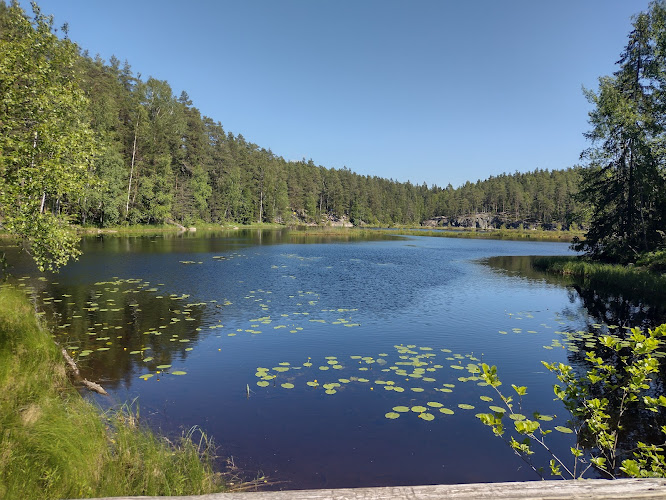
Nuuksio National Park
Hvitträsk

Espoo Car Museum
Find Accommodations Nearby
Recommended Tours & Activities
Visitor Reviews
There are no reviews yet. Be the first one to write one.
Share Your Experience
Have you visited The Gallen-Kallela Museum Vallikallio? Help other travelers by leaving a review.