
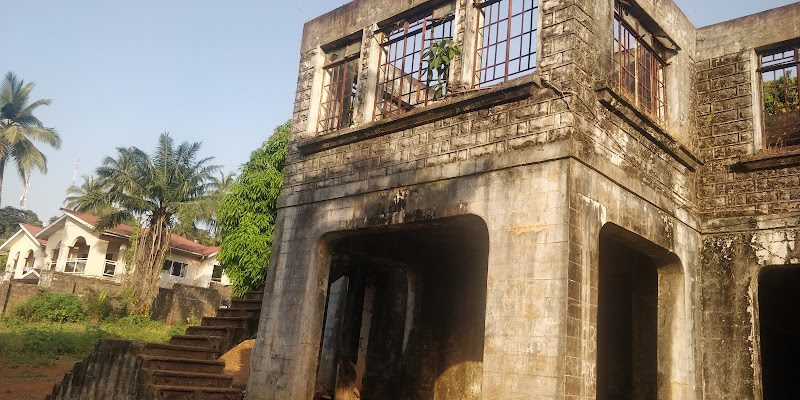
The Former Residences of Sir Lightfoot Boston
About The Former Residences of Sir Lightfoot Boston
Description
The Former Residences of Sir Lightfoot Boston is one of those places that quietly draws you in with its understated charm and deep historical roots. It’s not flashy or overly grand, but there’s a certain dignity to it — a kind of quiet reminder of Sierra Leone’s journey through colonial times into independence. The residence once belonged to Sir Henry Josiah Lightfoot Boston, the first Sierra Leonean Governor-General, a man whose name still carries weight in the country’s history books. Walking through the grounds, you can almost picture him pacing the veranda, deep in thought about the country’s future. It’s the sort of place where the past doesn’t just sit behind glass displays — it lingers in the air, in the old wooden beams, and in the stories that locals still tell about him.
There’s something special about this site because it feels personal. Unlike the big government buildings or museums, this was someone’s home — a place where real life unfolded. The architecture reflects a blend of British colonial design and Sierra Leonean craftsmanship, with wide verandas, high ceilings, and those old shuttered windows that let in the ocean breeze. The walls, slightly weathered but still proud, seem to carry whispers of the conversations and decisions that shaped a nation. And while it’s a historical landmark, it’s also strangely warm and welcoming. Families often visit with kids, and you’ll see them wandering around, pointing out the old furniture or the garden where Sir Lightfoot Boston supposedly liked to sit and read. It’s educational, yes, but also just a genuinely pleasant place to spend an afternoon.
What makes it even more fascinating is how well it captures the spirit of Freetown itself — a city that’s both historic and alive, where every corner tells a story. The residence stands as a symbol of leadership, resilience, and the Creole identity that has shaped much of Sierra Leone’s modern history. And if you’re the kind of traveler who loves places with soul, this one will definitely speak to you. It’s not polished to perfection, but that’s exactly what makes it feel real. You’re not just looking at history — you’re standing in it.
Key Features
- Historical significance: Once home to Sir Henry Josiah Lightfoot Boston, the first Sierra Leonean Governor-General, representing a turning point in the nation’s post-colonial history.
- Architectural style: A graceful mix of colonial and Creole influences, featuring wide verandas, high ceilings, and traditional wooden shutters that reflect the tropical climate and local craftsmanship.
- Cultural insight: Offers visitors a glimpse into the lifestyle and environment of Sierra Leone’s early political elite and the Creole community.
- Family-friendly: The site is calm, open, and educational, making it a great stop for families with children who want to learn about Sierra Leone’s past in an interactive way.
- Guided tours: Local guides often share personal anecdotes and lesser-known stories about Sir Lightfoot Boston’s life and leadership, adding depth to the experience.
- Photographic appeal: The residence’s aged charm, lush surroundings, and architectural details make it a favorite spot for photographers and history enthusiasts alike.
Best Time to Visit
Honestly, you can visit the Former Residences of Sir Lightfoot Boston any time of year, but if you want the most comfortable experience, aim for the dry season — roughly from November to April. The weather’s warm but not overly humid, and the skies are usually clear, which makes for some great photos. During the rainy months (May to October), the grounds can get a bit muddy, though there’s something oddly beautiful about the rain tapping on the old roof while you stand on the veranda. If you’re into atmosphere, that’s actually a lovely time to go too — just bring a good pair of shoes.
Weekdays tend to be quieter, with fewer visitors, so you can take your time exploring without feeling rushed. On weekends, you might find local school groups or families visiting, which adds a friendly buzz to the place. Personally, I like visiting in the late afternoon — when the light hits the old walls just right, and the air cools down a bit. It’s peaceful, reflective, and feels like stepping back in time.
How to Get There
Getting to the Former Residences of Sir Lightfoot Boston is pretty straightforward if you’re already in Freetown. Most taxis or private drivers know the location well, and it’s just a short drive from the city center. If you’re staying near the beach areas or downtown hotels, it shouldn’t take more than 15–20 minutes to reach. The roads can get a bit busy during rush hour — Freetown traffic has a mind of its own — so plan your visit earlier in the day if you can.
For those who love a bit of adventure, you can also hop on a poda-poda (the local minibus taxis). It’s not the most comfortable ride, but it’s definitely an experience — the kind that gives you a real taste of local life. Just ask the driver or conductor to drop you near the residence, and they’ll usually be happy to help. And if you’re using a ride-hailing app, simply type in the name of the landmark, and you’ll be directed right there.
Tips for Visiting
Here’s the thing — this isn’t a big commercialized attraction, and that’s part of its charm. But it does mean you’ll want to plan a little ahead. Bring some water, especially if you’re visiting during the warmer months, and wear light clothing. The grounds are easy to walk, but the sun can get strong. Comfortable shoes are a must, especially if you like to wander off the main paths and explore the gardens or nearby streets.
If you’re into photography, go early in the morning or late afternoon — the lighting is just gorgeous then. And don’t be shy about chatting with the guides or caretakers. They often have personal stories about Sir Lightfoot Boston or the residence itself, stories you won’t find in any history book. I once spent nearly an hour talking with a local guide who claimed his grandfather worked as a gardener there in the 1960s — he described how Sir Boston loved roses and always insisted they be trimmed just so. Whether that’s true or not, I couldn’t say, but it’s those little tales that make the visit memorable.
For families, it’s a great educational stop. Kids tend to enjoy the open space and hearing about Sierra Leone’s first Governor-General — it’s a nice mix of history and exploration. There’s no need to rush; take your time and let the place tell its story. And if you’re the reflective type, bring a notebook or journal. Sitting on the veranda and jotting down thoughts while the city hums softly in the background is one of those small pleasures that stay with you long after you’ve left.
Lastly, respect the site. It’s more than just an old house — it’s part of Sierra Leone’s living memory. Treat it with the same care you’d give any national treasure. And who knows, maybe you’ll leave with a deeper appreciation not just for history, but for how individuals like Sir Lightfoot Boston shaped the course of a nation with quiet determination and dignity.
Visiting the Former Residences of Sir Lightfoot Boston isn’t just about seeing a landmark — it’s about connecting with a story that still echoes through modern Sierra Leone. Whether you’re a history lover, a curious traveler, or simply someone who enjoys discovering places that matter, this site offers an experience that’s both meaningful and deeply human.
Key Features
- Key Features
- Best Time to Visit
- How to Get There
- Tips for Visiting
More Details
Updated October 9, 2025
Table of Contents
- Description
- Key Features
- Best Time to Visit
- How to Get There
- Tips for Visiting
- Key Highlights
- Location
- Places to Stay Near The Former Residences of Sir Lightfoot Boston
- Find and Book a Tour
- Explore More Travel Guides
- Nearby Places You Might Like
- Traveler Reviews for The Former Residences of Sir Lightfoot Boston
- Share Your Experience
Description
The Former Residences of Sir Lightfoot Boston is one of those places that quietly draws you in with its understated charm and deep historical roots. It’s not flashy or overly grand, but there’s a certain dignity to it — a kind of quiet reminder of Sierra Leone’s journey through colonial times into independence. The residence once belonged to Sir Henry Josiah Lightfoot Boston, the first Sierra Leonean Governor-General, a man whose name still carries weight in the country’s history books. Walking through the grounds, you can almost picture him pacing the veranda, deep in thought about the country’s future. It’s the sort of place where the past doesn’t just sit behind glass displays — it lingers in the air, in the old wooden beams, and in the stories that locals still tell about him.
There’s something special about this site because it feels personal. Unlike the big government buildings or museums, this was someone’s home — a place where real life unfolded. The architecture reflects a blend of British colonial design and Sierra Leonean craftsmanship, with wide verandas, high ceilings, and those old shuttered windows that let in the ocean breeze. The walls, slightly weathered but still proud, seem to carry whispers of the conversations and decisions that shaped a nation. And while it’s a historical landmark, it’s also strangely warm and welcoming. Families often visit with kids, and you’ll see them wandering around, pointing out the old furniture or the garden where Sir Lightfoot Boston supposedly liked to sit and read. It’s educational, yes, but also just a genuinely pleasant place to spend an afternoon.
What makes it even more fascinating is how well it captures the spirit of Freetown itself — a city that’s both historic and alive, where every corner tells a story. The residence stands as a symbol of leadership, resilience, and the Creole identity that has shaped much of Sierra Leone’s modern history. And if you’re the kind of traveler who loves places with soul, this one will definitely speak to you. It’s not polished to perfection, but that’s exactly what makes it feel real. You’re not just looking at history — you’re standing in it.
Key Features
- Historical significance: Once home to Sir Henry Josiah Lightfoot Boston, the first Sierra Leonean Governor-General, representing a turning point in the nation’s post-colonial history.
- Architectural style: A graceful mix of colonial and Creole influences, featuring wide verandas, high ceilings, and traditional wooden shutters that reflect the tropical climate and local craftsmanship.
- Cultural insight: Offers visitors a glimpse into the lifestyle and environment of Sierra Leone’s early political elite and the Creole community.
- Family-friendly: The site is calm, open, and educational, making it a great stop for families with children who want to learn about Sierra Leone’s past in an interactive way.
- Guided tours: Local guides often share personal anecdotes and lesser-known stories about Sir Lightfoot Boston’s life and leadership, adding depth to the experience.
- Photographic appeal: The residence’s aged charm, lush surroundings, and architectural details make it a favorite spot for photographers and history enthusiasts alike.
Best Time to Visit
Honestly, you can visit the Former Residences of Sir Lightfoot Boston any time of year, but if you want the most comfortable experience, aim for the dry season — roughly from November to April. The weather’s warm but not overly humid, and the skies are usually clear, which makes for some great photos. During the rainy months (May to October), the grounds can get a bit muddy, though there’s something oddly beautiful about the rain tapping on the old roof while you stand on the veranda. If you’re into atmosphere, that’s actually a lovely time to go too — just bring a good pair of shoes.
Weekdays tend to be quieter, with fewer visitors, so you can take your time exploring without feeling rushed. On weekends, you might find local school groups or families visiting, which adds a friendly buzz to the place. Personally, I like visiting in the late afternoon — when the light hits the old walls just right, and the air cools down a bit. It’s peaceful, reflective, and feels like stepping back in time.
How to Get There
Getting to the Former Residences of Sir Lightfoot Boston is pretty straightforward if you’re already in Freetown. Most taxis or private drivers know the location well, and it’s just a short drive from the city center. If you’re staying near the beach areas or downtown hotels, it shouldn’t take more than 15–20 minutes to reach. The roads can get a bit busy during rush hour — Freetown traffic has a mind of its own — so plan your visit earlier in the day if you can.
For those who love a bit of adventure, you can also hop on a poda-poda (the local minibus taxis). It’s not the most comfortable ride, but it’s definitely an experience — the kind that gives you a real taste of local life. Just ask the driver or conductor to drop you near the residence, and they’ll usually be happy to help. And if you’re using a ride-hailing app, simply type in the name of the landmark, and you’ll be directed right there.
Tips for Visiting
Here’s the thing — this isn’t a big commercialized attraction, and that’s part of its charm. But it does mean you’ll want to plan a little ahead. Bring some water, especially if you’re visiting during the warmer months, and wear light clothing. The grounds are easy to walk, but the sun can get strong. Comfortable shoes are a must, especially if you like to wander off the main paths and explore the gardens or nearby streets.
If you’re into photography, go early in the morning or late afternoon — the lighting is just gorgeous then. And don’t be shy about chatting with the guides or caretakers. They often have personal stories about Sir Lightfoot Boston or the residence itself, stories you won’t find in any history book. I once spent nearly an hour talking with a local guide who claimed his grandfather worked as a gardener there in the 1960s — he described how Sir Boston loved roses and always insisted they be trimmed just so. Whether that’s true or not, I couldn’t say, but it’s those little tales that make the visit memorable.
For families, it’s a great educational stop. Kids tend to enjoy the open space and hearing about Sierra Leone’s first Governor-General — it’s a nice mix of history and exploration. There’s no need to rush; take your time and let the place tell its story. And if you’re the reflective type, bring a notebook or journal. Sitting on the veranda and jotting down thoughts while the city hums softly in the background is one of those small pleasures that stay with you long after you’ve left.
Lastly, respect the site. It’s more than just an old house — it’s part of Sierra Leone’s living memory. Treat it with the same care you’d give any national treasure. And who knows, maybe you’ll leave with a deeper appreciation not just for history, but for how individuals like Sir Lightfoot Boston shaped the course of a nation with quiet determination and dignity.
Visiting the Former Residences of Sir Lightfoot Boston isn’t just about seeing a landmark — it’s about connecting with a story that still echoes through modern Sierra Leone. Whether you’re a history lover, a curious traveler, or simply someone who enjoys discovering places that matter, this site offers an experience that’s both meaningful and deeply human.
Key Highlights
- Key Features
- Best Time to Visit
- How to Get There
- Tips for Visiting
Location
Places to Stay Near The Former Residences of Sir Lightfoot Boston
Find and Book a Tour
Explore More Travel Guides
No reviews found! Be the first to review!
Traveler Reviews for The Former Residences of Sir Lightfoot Boston
There are no reviews yet. Be the first one to write one.
Have you visited The Former Residences of Sir Lightfoot Boston? Help other travelers by sharing your review.
You Might Also Like

KingTom Landfill Freetown

Cotton Tree

Transform Island
Find Accommodations Nearby
Recommended Tours & Activities
Visitor Reviews
There are no reviews yet. Be the first one to write one.
Share Your Experience
Have you visited The Former Residences of Sir Lightfoot Boston? Help other travelers by leaving a review.