
The Ernst Quarries
About The Ernst Quarries
Description
The Ernst Quarries stands as one of those unexpected gems that perfectly captures what makes exploring nature preserves so rewarding. This unique destination offers visitors something you won't find in most typical parks - the genuine thrill of hunting for ancient shark teeth embedded in layers of sediment millions of years old. And honestly, there's something magical about holding a piece of prehistory in your hand that you've discovered yourself. What makes this nature preserve particularly special is its accessibility to fossil hunting combined with its commitment to preservation. The quarries serve as both an educational resource and a hands-on adventure spot where travelers can literally dig into the past. The landscape itself tells stories spanning countless millennia, with exposed rock formations revealing chapters of Earth's history that once lay hidden beneath the surface. For those who've grown tired of the same old tourist attractions, the Ernst Quarries delivers an experience that's both refreshing and surprisingly addictive. Many visitors report spending hours combing through the quarry material, completely losing track of time as they search for that perfect specimen. It's the kind of place where kids and adults alike find themselves equally captivated, though for slightly different reasons - children love the treasure hunt aspect while adults often appreciate the geological and paleontological significance of their finds. The preserve maintains a delicate balance between allowing public access and protecting this valuable natural resource. Unlike commercialized tourist spots that feel manufactured or overly polished, there's an authentic quality here that resonates with travelers seeking genuine experiences rather than scripted ones.Key Features
The Ernst Quarries offers several distinctive features that set it apart from standard nature preserves: • Fossil hunting opportunities with a legitimate chance of finding ancient shark teeth, some dating back millions of years to when this area was covered by ocean waters • Educational value that transforms a simple outing into a hands-on geology and paleontology lesson without feeling like a classroom • Family-friendly environment where visitors of all ages can participate meaningfully in the fossil hunting experience • Well-maintained hiking trails that wind through the preserve, offering different perspectives of the quarry landscape • Picnic facilities that allow families to make a full day of their visit, combining fossil hunting with outdoor dining • Public restroom facilities, which might seem mundane but trust me, after several hours of searching through quarry material, you'll appreciate this amenity • Relatively uncrowded compared to major tourist attractions, providing a more peaceful and personal experience • Natural beauty that extends beyond just the fossils, with interesting rock formations and diverse plant life throughout the preserve • Hands-on learning that doesn't require expensive equipment or specialized knowledge to get startedBest Time to Visit
Timing your visit to the Ernst Quarries can significantly impact your experience, and I've learned through conversations with regular visitors that certain periods definitely have advantages over others. Spring and fall emerge as the clear winners for most travelers. During these seasons, temperatures hover in that comfortable range where you can spend hours outdoors without battling extreme heat or cold. Spring particularly shines because recent winter rains often expose fresh material, potentially increasing your chances of finding quality specimens. The weather's usually cooperative, and you won't be competing with peak summer crowds. Fall brings its own charm with cooler temperatures that make physical activity more pleasant. September through November typically offers excellent conditions, and the changing foliage adds an extra layer of visual interest to the landscape. Plus, there's something satisfying about fossil hunting on a crisp autumn day. Summer visits are certainly possible, but come prepared. The quarries offer limited shade, and spending hours in direct sunlight while bent over searching for fossils can be exhausting. If summer's your only option, aim for early morning visits - arriving right when the preserve opens gives you a few hours of cooler temperatures and better light for spotting fossils. Bring more water than you think you'll need because you'll definitely use it. Winter shouldn't be completely written off, especially if you're visiting from colder climates where the moderate winter temperatures might feel quite pleasant. Weekday winter visits often mean you'll have the quarries practically to yourself, which has its own appeal. Just check weather forecasts carefully since rain can make the terrain challenging and less enjoyable. Regardless of season, avoiding weekends during school vacation periods will give you a more relaxed experience. But honestly, even on busier days, the preserve rarely feels overcrowded - there's generally plenty of space for everyone to find their own spot to search.How to Get There
Getting to the Ernst Quarries requires a bit of planning since it's not located in a major urban center, but that's part of what keeps it from being overrun with tourists. For travelers coming by car, the preserve is accessible via main highways with well-marked exits leading to the area. The final approach involves some local roads that wind through residential and semi-rural areas. GPS systems generally handle the navigation well, though it's worth downloading offline maps just in case cell service gets spotty - something that occasionally happens in this region. The drive itself offers pleasant scenery, and you'll know you're getting close when the landscape starts showing more geological features and fewer commercial developments. There's dedicated parking available at the preserve, though it's not massive. During peak times, you might find the lot full, which is another reason why arriving early pays off. Public transportation options are limited, which is honestly one of the drawbacks for travelers without vehicle access. Rideshare services can work, but you'll want to arrange your return trip carefully since getting a ride from the location isn't always guaranteed. Some visitors have successfully coordinated with local taxi services, scheduling both drop-off and pick-up times in advance. For those staying in nearby accommodations, some hotels and bed-and-breakfasts familiar with the preserve might offer suggestions or even assistance with transportation. It never hurts to ask when booking. The entrance itself is clearly marked, though it maintains that understated quality consistent with the preserve's overall character. Don't expect flashy signs or elaborate gates - just clear, professional markers indicating you've arrived.Tips for Visiting
After hearing countless stories from fellow visitors and drawing on practical experience, here are insights that'll genuinely improve your visit to the Ernst Quarries. First and foremost, get your tickets in advance. This isn't just a suggestion - it's actually recommended by the preserve management, and for good reason. Advance tickets help manage visitor numbers, ensuring everyone has adequate space for fossil hunting. Plus, nothing's more frustrating than driving out only to learn you can't enter because capacity's been reached. Bring proper gear, and I don't mean fancy equipment. Sturdy shoes with good tread are essential - the quarry terrain includes uneven surfaces, loose rocks, and areas that might be muddy depending on recent weather. Those cute sandals? Leave them at the hotel. You'll also want clothes you don't mind getting dirty because fossil hunting inevitably involves dust and sediment. Sun protection deserves serious attention. Wide-brimmed hats, sunscreen, and sunglasses aren't optional extras - they're necessities. The lack of shade means you're exposed for your entire visit, and sunburn develops faster than you'd expect when you're focused on searching for fossils. Speaking of searching, bring something to collect your finds. Small bags or containers work perfectly. Some experienced visitors bring screening tools or small shovels, though honestly, careful hand-searching often yields the best results. The preserve has specific rules about what tools are permitted, so checking current regulations before your visit makes sense. Water cannot be overstated. Bring substantially more than you think necessary, especially for children who might not recognize their own dehydration while they're excited about fossil hunting. The preserve has facilities, but no water fountains or refreshment stands, so everything you need comes with you. For families with young children, setting realistic expectations helps everyone enjoy the experience. Not every visit results in finding perfect shark teeth, and that's okay. The searching itself is part of the adventure. I've watched kids have amazing times even when their finds were modest, simply because the experience of looking was engaging enough. Pack snacks or a full picnic if you're planning an extended visit. The picnic tables provide pleasant spots to rest and refuel, and taking breaks actually helps - fresh eyes often spot things you missed earlier. Photography enthusiasts should bring cameras, but also remember to actually experience the moment beyond the lens. The quarries offer interesting photo opportunities, though the best memories often come from the tactile experience of searching rather than just documenting it. Check weather forecasts within 24 hours of your visit and be flexible if conditions look problematic. Heavy rain makes the quarries less enjoyable and potentially muddy, while extreme heat poses safety concerns. Finally, respect the preserve's rules and the environment. This place remains accessible because visitors treat it properly. Take only authorized fossils, leave no trash, and follow posted guidelines. Future travelers deserve the same opportunities you're enjoying. The Ernst Quarries rewards those who come prepared and approach it with appropriate expectations. It's not Disneyland - it's better, offering real discovery and authentic connection with natural history that manufactured attractions simply cannot replicate.Key Features
- Extensive Miocene marine fossil deposits (notably shark teeth)
- Owner-guided visits and instruction on-site
- Hands-on fossil hunting opportunities for visitors
- Private property with areas managed for research and public collecting
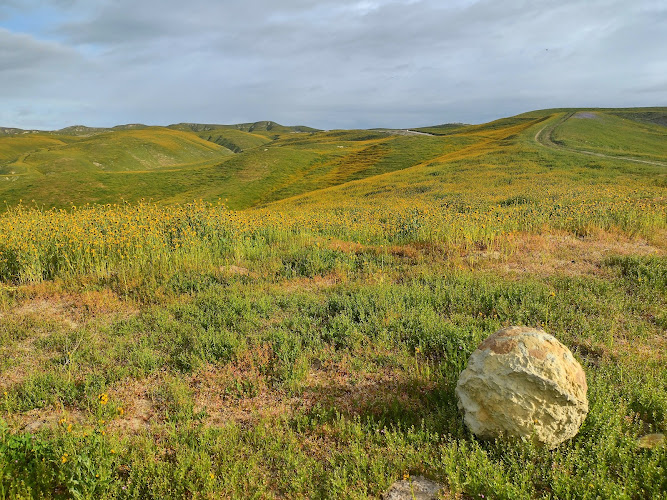
- Scenic dry-hill landscape near Bakersfield with educational interpretation
More Details
Updated March 30, 2026
Table of Contents
Description
The Ernst Quarries stands as one of those unexpected gems that perfectly captures what makes exploring nature preserves so rewarding. This unique destination offers visitors something you won’t find in most typical parks – the genuine thrill of hunting for ancient shark teeth embedded in layers of sediment millions of years old. And honestly, there’s something magical about holding a piece of prehistory in your hand that you’ve discovered yourself.
What makes this nature preserve particularly special is its accessibility to fossil hunting combined with its commitment to preservation. The quarries serve as both an educational resource and a hands-on adventure spot where travelers can literally dig into the past. The landscape itself tells stories spanning countless millennia, with exposed rock formations revealing chapters of Earth’s history that once lay hidden beneath the surface.
For those who’ve grown tired of the same old tourist attractions, the Ernst Quarries delivers an experience that’s both refreshing and surprisingly addictive. Many visitors report spending hours combing through the quarry material, completely losing track of time as they search for that perfect specimen. It’s the kind of place where kids and adults alike find themselves equally captivated, though for slightly different reasons – children love the treasure hunt aspect while adults often appreciate the geological and paleontological significance of their finds.
The preserve maintains a delicate balance between allowing public access and protecting this valuable natural resource. Unlike commercialized tourist spots that feel manufactured or overly polished, there’s an authentic quality here that resonates with travelers seeking genuine experiences rather than scripted ones.
Key Features
The Ernst Quarries offers several distinctive features that set it apart from standard nature preserves:
• Fossil hunting opportunities with a legitimate chance of finding ancient shark teeth, some dating back millions of years to when this area was covered by ocean waters
• Educational value that transforms a simple outing into a hands-on geology and paleontology lesson without feeling like a classroom
• Family-friendly environment where visitors of all ages can participate meaningfully in the fossil hunting experience
• Well-maintained hiking trails that wind through the preserve, offering different perspectives of the quarry landscape
• Picnic facilities that allow families to make a full day of their visit, combining fossil hunting with outdoor dining
• Public restroom facilities, which might seem mundane but trust me, after several hours of searching through quarry material, you’ll appreciate this amenity
• Relatively uncrowded compared to major tourist attractions, providing a more peaceful and personal experience
• Natural beauty that extends beyond just the fossils, with interesting rock formations and diverse plant life throughout the preserve
• Hands-on learning that doesn’t require expensive equipment or specialized knowledge to get started
Best Time to Visit
Timing your visit to the Ernst Quarries can significantly impact your experience, and I’ve learned through conversations with regular visitors that certain periods definitely have advantages over others.
Spring and fall emerge as the clear winners for most travelers. During these seasons, temperatures hover in that comfortable range where you can spend hours outdoors without battling extreme heat or cold. Spring particularly shines because recent winter rains often expose fresh material, potentially increasing your chances of finding quality specimens. The weather’s usually cooperative, and you won’t be competing with peak summer crowds.
Fall brings its own charm with cooler temperatures that make physical activity more pleasant. September through November typically offers excellent conditions, and the changing foliage adds an extra layer of visual interest to the landscape. Plus, there’s something satisfying about fossil hunting on a crisp autumn day.
Summer visits are certainly possible, but come prepared. The quarries offer limited shade, and spending hours in direct sunlight while bent over searching for fossils can be exhausting. If summer’s your only option, aim for early morning visits – arriving right when the preserve opens gives you a few hours of cooler temperatures and better light for spotting fossils. Bring more water than you think you’ll need because you’ll definitely use it.
Winter shouldn’t be completely written off, especially if you’re visiting from colder climates where the moderate winter temperatures might feel quite pleasant. Weekday winter visits often mean you’ll have the quarries practically to yourself, which has its own appeal. Just check weather forecasts carefully since rain can make the terrain challenging and less enjoyable.
Regardless of season, avoiding weekends during school vacation periods will give you a more relaxed experience. But honestly, even on busier days, the preserve rarely feels overcrowded – there’s generally plenty of space for everyone to find their own spot to search.
How to Get There
Getting to the Ernst Quarries requires a bit of planning since it’s not located in a major urban center, but that’s part of what keeps it from being overrun with tourists.
For travelers coming by car, the preserve is accessible via main highways with well-marked exits leading to the area. The final approach involves some local roads that wind through residential and semi-rural areas. GPS systems generally handle the navigation well, though it’s worth downloading offline maps just in case cell service gets spotty – something that occasionally happens in this region.
The drive itself offers pleasant scenery, and you’ll know you’re getting close when the landscape starts showing more geological features and fewer commercial developments. There’s dedicated parking available at the preserve, though it’s not massive. During peak times, you might find the lot full, which is another reason why arriving early pays off.
Public transportation options are limited, which is honestly one of the drawbacks for travelers without vehicle access. Rideshare services can work, but you’ll want to arrange your return trip carefully since getting a ride from the location isn’t always guaranteed. Some visitors have successfully coordinated with local taxi services, scheduling both drop-off and pick-up times in advance.
For those staying in nearby accommodations, some hotels and bed-and-breakfasts familiar with the preserve might offer suggestions or even assistance with transportation. It never hurts to ask when booking.
The entrance itself is clearly marked, though it maintains that understated quality consistent with the preserve’s overall character. Don’t expect flashy signs or elaborate gates – just clear, professional markers indicating you’ve arrived.
Tips for Visiting
After hearing countless stories from fellow visitors and drawing on practical experience, here are insights that’ll genuinely improve your visit to the Ernst Quarries.
First and foremost, get your tickets in advance. This isn’t just a suggestion – it’s actually recommended by the preserve management, and for good reason. Advance tickets help manage visitor numbers, ensuring everyone has adequate space for fossil hunting. Plus, nothing’s more frustrating than driving out only to learn you can’t enter because capacity’s been reached.
Bring proper gear, and I don’t mean fancy equipment. Sturdy shoes with good tread are essential – the quarry terrain includes uneven surfaces, loose rocks, and areas that might be muddy depending on recent weather. Those cute sandals? Leave them at the hotel. You’ll also want clothes you don’t mind getting dirty because fossil hunting inevitably involves dust and sediment.
Sun protection deserves serious attention. Wide-brimmed hats, sunscreen, and sunglasses aren’t optional extras – they’re necessities. The lack of shade means you’re exposed for your entire visit, and sunburn develops faster than you’d expect when you’re focused on searching for fossils.
Speaking of searching, bring something to collect your finds. Small bags or containers work perfectly. Some experienced visitors bring screening tools or small shovels, though honestly, careful hand-searching often yields the best results. The preserve has specific rules about what tools are permitted, so checking current regulations before your visit makes sense.
Water cannot be overstated. Bring substantially more than you think necessary, especially for children who might not recognize their own dehydration while they’re excited about fossil hunting. The preserve has facilities, but no water fountains or refreshment stands, so everything you need comes with you.
For families with young children, setting realistic expectations helps everyone enjoy the experience. Not every visit results in finding perfect shark teeth, and that’s okay. The searching itself is part of the adventure. I’ve watched kids have amazing times even when their finds were modest, simply because the experience of looking was engaging enough.
Pack snacks or a full picnic if you’re planning an extended visit. The picnic tables provide pleasant spots to rest and refuel, and taking breaks actually helps – fresh eyes often spot things you missed earlier.
Photography enthusiasts should bring cameras, but also remember to actually experience the moment beyond the lens. The quarries offer interesting photo opportunities, though the best memories often come from the tactile experience of searching rather than just documenting it.
Check weather forecasts within 24 hours of your visit and be flexible if conditions look problematic. Heavy rain makes the quarries less enjoyable and potentially muddy, while extreme heat poses safety concerns.
Finally, respect the preserve’s rules and the environment. This place remains accessible because visitors treat it properly. Take only authorized fossils, leave no trash, and follow posted guidelines. Future travelers deserve the same opportunities you’re enjoying.
The Ernst Quarries rewards those who come prepared and approach it with appropriate expectations. It’s not Disneyland – it’s better, offering real discovery and authentic connection with natural history that manufactured attractions simply cannot replicate.
Key Highlights
- Extensive Miocene marine fossil deposits (notably shark teeth)
- Owner-guided visits and instruction on-site
- Hands-on fossil hunting opportunities for visitors
- Private property with areas managed for research and public collecting
- Scenic dry-hill landscape near Bakersfield with educational interpretation
Location
Places to Stay Near The Ernst Quarries
Find and Book a Tour
Explore More Travel Guides
No reviews found! Be the first to review!
The Ernst Quarries is a prominent Nature preserve located in Bakersfield.
Visit us at: The Ernst Quarries, Round Mountain Rd, California 93308, United States.
Traveler Reviews for The Ernst Quarries
There are no reviews yet. Be the first one to write one.
Have you visited The Ernst Quarries? Help other travelers by sharing your review.
Nearby Attractions
You Might Also Like
Silver Creek Park

Mural Alley Bakersfield
Hart Memorial Park
Find Accommodations Nearby
Recommended Tours & Activities
Visitor Reviews
There are no reviews yet. Be the first one to write one.
Share Your Experience
Have you visited The Ernst Quarries? Help other travelers by leaving a review.