

The Brickworks Museum
About The Brickworks Museum
Description
The Brickworks Museum sits on the old industrial site in Swanwick near Southampton and holds the distinction of being the only steam-driven brickworks still operating in the United Kingdom. That fact alone turns heads — but there is more than novelty here. The museum preserves an entire working process: from clay dug and prepared, to machines that press, cut and dry bricks, to kilns that fire them. Many of the machines are original, lovingly maintained by volunteers and staff who clearly care about the place. Visitors get to see how bricks were, and still can be, made the old-fashioned way when the boilers are lit and the steam sings through the pipes. It’s raw, honest industrial history, with soot and steam and the smell of hot clay — the kind of multisensory memory that sticks with people long after a trip.
Open to the public between April and October, the site runs scheduled working days, guided tours, and special events throughout the season. There is a small café and a restaurant area where people can warm up or cool down depending on the time of year. Families frequently use the play area while adults browse the displays and demonstrations. For anyone interested in the story of brick making, industrial heritage, or the Victorian and 20th-century production methods that shaped towns and buildings across England, this is a rare, living example.
The museum is both educational and hands-on. On working days the steam engine and presses run; volunteers explain steps of the brickmaking process, talk about clay types and local geology, and point out quirks of different brick designs. The narrow-gauge railway — yes, there is a little track — is a charming throwback and often used to shuttle demos or add a playful touch for children. The combination of machinery, demonstrations, and accessible storytelling makes it easy for a visitor to absorb the technical side without feeling swamped by jargon.
Of course the place has rough edges. Parts of the site are outdoors and can be muddy after a downpour; the museum depends heavily on volunteers so opening times can be seasonal and event-driven. But many visitors see that as part of the charm: the museum feels lived-in and authentic rather than polished and corporate. The staff and volunteers are known for their enthusiasm and willingness to answer questions, and small children particularly enjoy the tactile experiences — though parents should be ready to supervise near moving machinery even on guided days.
Key Features
- Only steam-driven brickworks working in the UK, with live steam demonstrations on scheduled days
- Guided tours explaining the brick making process from clay to fired brick
- Operational machinery including presses, conveyors and drying sheds that show traditional production methods
- Hands-on educational activities and workshops for children and school groups
- Mini narrow-gauge railway rides on selected days, ideal for families
- Playground and outdoor play area that keeps kids busy while adults explore
- Café and restaurant facilities serving light meals and hot drinks
- Free parking on site and wheelchair accessible entrance, parking and restrooms
- Seasonal events — steam days, heritage open days, craft fairs and special demonstrations
- Volunteer-run restoration and heritage projects that offer insight into industrial conservation
Best Time to Visit
The museum operates from April through October, so plan a visit in that window. For the full sensory experience — boilers in steam, presses clanking and bricks being moved — aim for late spring to early autumn. May, June and September strike a good balance: the weather tends to be kinder than in early spring, but the site is usually less crowded than peak school holiday weeks in July and August. If there is one thing the writer will insist on, it is this: try to come on a scheduled working day. The difference between a silent museum and one with steam, noise and demonstrations is night and day.
Weekdays are quieter, making them the best option for people who like a slower pace and better chances to chat with volunteers. Weekends and bank holidays bring more families and longer queues at the café, but they also have more programming — miniature railway rides, special guided walks and sometimes hands-on brickmaking sessions for children. In short, choose a weekday for a relaxed visit; pick a weekend if we’re after atmosphere and activities. And if the forecast shows rain, bring boots or waterproofs because parts of the site are outdoors and lines of sight are best enjoyed dry.
How to Get There
Travelers typically reach the museum by car. There is a free parking area on site, which makes driving one of the easiest options, especially for families with pushchairs or visitors who plan to bring cameras and picnics. The site sits near Swanwick, to the east of Southampton, and local signposting on the day usually points visitors in the right direction. The last stretch is rural lane — scenic, but narrow in places — so slow down and savour the approach.
Public transport options exist but will require planning. Buses plod between local towns and stops nearest the museum are not always very frequent, so check local timetables the day before. Rail passengers can use the larger hubs in Southampton or the nearby coastal towns and then change to a bus or taxi for the final leg. Cycling is a pleasant alternative on fair days: there are countryside lanes that make the ride enjoyable, and bike parking is usually available on site.
For drivers: allow some extra time for sheepish parking decisions and the occasional tractor ahead of you on rural roads. On popular event days the site can get busy, so arriving early helps secure a good parking spot and ensures visitors join any limited-capacity demonstrations or rides.
Tips for Visiting
Practical advice can make the difference between a good visit and a great one. Here are tested tips that a lot of regulars swear by, and that volunteers will probably agree with:
- Check the working days schedule before you go. The museum runs steam and machine demonstrations on selected dates only; if you want to see the boilers in steam, verify the calendar in advance.
- Arrive early during busy weekends and special event days to avoid queues and to catch the first guided tour. Guided tours can fill up, and being on-time usually means better interactions with volunteers.
- Plan for 2–3 hours. That’s enough time to watch demonstrations, take a short walk around the site, enjoy the café, and let kids play. If a workshop or special event is scheduled, add extra time.
- Wear sensible shoes and clothes that can cope with dust and the occasional puddle. Parts of the site are industrial and outdoors; the footing can be uneven.
- Bring a camera, but be mindful. Photography is allowed in many areas, and the steam shots are dramatic. Yet there are safety zones near machinery where photography is discouraged — follow signage and staff instructions.
- Accessibility is good for a historic industrial site: there is a wheelchair accessible entrance, accessible parking and restrooms. Still, certain outdoor areas and uneven surfaces mean some routes are easier than others. Call ahead if mobility is a concern and staff will advise which parts of the site are best experienced.
- Food: the café and restaurant provide light meals and hot drinks, but options can be limited on very busy days. If someone in the family is picky, bring snacks. On a sunny day many people take a picnic to enjoy on the grass.
- Expect volunteer-run charm. Volunteers keep the place alive and the quality of interpretation is high, but remember they are human: schedules and offerings may change. A forgiving attitude goes a long way.
- If visiting with children, supervise them near moving equipment and explain that some areas are for trained staff only. The play area is safe and a great place for a break.
- Buy into the story. Take the time to listen to the demonstrators and ask questions. The technical bits can be unexpected fun — how clay behaves, why bricks are dried in a certain way, and what makes Bursledon and the region special for brick making.
One small anecdote the writer remembers: on a cold, showery October day they watched a half-dozen children chase steam plumes around the yard while an elderly volunteer explained the mechanics of the steam engine. The kids squealed, the volunteer beamed, and everyone left a little dirtier and a lot happier. That, more than glossy displays, captures what the museum does well — it invites involvement. So if you’re planning a trip to the Southampton area and want an offbeat, tactile look at industrial heritage, this place rewards curiosity. Book a working day, wear sensible shoes, and be ready to smell freshly fired brick — a strangely satisfying souvenir for the senses.
Key Features
- Only steam-driven brickworks working in the UK, with live steam demonstrations on scheduled days
- Guided tours explaining the brick making process from clay to fired brick
- Operational machinery including presses, conveyors and drying sheds that show traditional production methods
- Hands-on educational activities and workshops for children and school groups
- Mini narrow-gauge railway rides on selected days, ideal for families
- Playground and outdoor play area that keeps kids busy while adults explore
- Café and restaurant facilities serving light meals and hot drinks
- Free parking on site and wheelchair accessible entrance, parking and restrooms
More Details
Updated August 29, 2025
Table of Contents
Description
The Brickworks Museum sits on the old industrial site in Swanwick near Southampton and holds the distinction of being the only steam-driven brickworks still operating in the United Kingdom. That fact alone turns heads — but there is more than novelty here. The museum preserves an entire working process: from clay dug and prepared, to machines that press, cut and dry bricks, to kilns that fire them. Many of the machines are original, lovingly maintained by volunteers and staff who clearly care about the place. Visitors get to see how bricks were, and still can be, made the old-fashioned way when the boilers are lit and the steam sings through the pipes. It’s raw, honest industrial history, with soot and steam and the smell of hot clay — the kind of multisensory memory that sticks with people long after a trip.
Open to the public between April and October, the site runs scheduled working days, guided tours, and special events throughout the season. There is a small café and a restaurant area where people can warm up or cool down depending on the time of year. Families frequently use the play area while adults browse the displays and demonstrations. For anyone interested in the story of brick making, industrial heritage, or the Victorian and 20th-century production methods that shaped towns and buildings across England, this is a rare, living example.
The museum is both educational and hands-on. On working days the steam engine and presses run; volunteers explain steps of the brickmaking process, talk about clay types and local geology, and point out quirks of different brick designs. The narrow-gauge railway — yes, there is a little track — is a charming throwback and often used to shuttle demos or add a playful touch for children. The combination of machinery, demonstrations, and accessible storytelling makes it easy for a visitor to absorb the technical side without feeling swamped by jargon.
Of course the place has rough edges. Parts of the site are outdoors and can be muddy after a downpour; the museum depends heavily on volunteers so opening times can be seasonal and event-driven. But many visitors see that as part of the charm: the museum feels lived-in and authentic rather than polished and corporate. The staff and volunteers are known for their enthusiasm and willingness to answer questions, and small children particularly enjoy the tactile experiences — though parents should be ready to supervise near moving machinery even on guided days.
Key Features
- Only steam-driven brickworks working in the UK, with live steam demonstrations on scheduled days
- Guided tours explaining the brick making process from clay to fired brick
- Operational machinery including presses, conveyors and drying sheds that show traditional production methods
- Hands-on educational activities and workshops for children and school groups
- Mini narrow-gauge railway rides on selected days, ideal for families
- Playground and outdoor play area that keeps kids busy while adults explore
- Café and restaurant facilities serving light meals and hot drinks
- Free parking on site and wheelchair accessible entrance, parking and restrooms
- Seasonal events — steam days, heritage open days, craft fairs and special demonstrations
- Volunteer-run restoration and heritage projects that offer insight into industrial conservation
Best Time to Visit
The museum operates from April through October, so plan a visit in that window. For the full sensory experience — boilers in steam, presses clanking and bricks being moved — aim for late spring to early autumn. May, June and September strike a good balance: the weather tends to be kinder than in early spring, but the site is usually less crowded than peak school holiday weeks in July and August. If there is one thing the writer will insist on, it is this: try to come on a scheduled working day. The difference between a silent museum and one with steam, noise and demonstrations is night and day.
Weekdays are quieter, making them the best option for people who like a slower pace and better chances to chat with volunteers. Weekends and bank holidays bring more families and longer queues at the café, but they also have more programming — miniature railway rides, special guided walks and sometimes hands-on brickmaking sessions for children. In short, choose a weekday for a relaxed visit; pick a weekend if we’re after atmosphere and activities. And if the forecast shows rain, bring boots or waterproofs because parts of the site are outdoors and lines of sight are best enjoyed dry.
How to Get There
Travelers typically reach the museum by car. There is a free parking area on site, which makes driving one of the easiest options, especially for families with pushchairs or visitors who plan to bring cameras and picnics. The site sits near Swanwick, to the east of Southampton, and local signposting on the day usually points visitors in the right direction. The last stretch is rural lane — scenic, but narrow in places — so slow down and savour the approach.
Public transport options exist but will require planning. Buses plod between local towns and stops nearest the museum are not always very frequent, so check local timetables the day before. Rail passengers can use the larger hubs in Southampton or the nearby coastal towns and then change to a bus or taxi for the final leg. Cycling is a pleasant alternative on fair days: there are countryside lanes that make the ride enjoyable, and bike parking is usually available on site.
For drivers: allow some extra time for sheepish parking decisions and the occasional tractor ahead of you on rural roads. On popular event days the site can get busy, so arriving early helps secure a good parking spot and ensures visitors join any limited-capacity demonstrations or rides.
Tips for Visiting
Practical advice can make the difference between a good visit and a great one. Here are tested tips that a lot of regulars swear by, and that volunteers will probably agree with:
- Check the working days schedule before you go. The museum runs steam and machine demonstrations on selected dates only; if you want to see the boilers in steam, verify the calendar in advance.
- Arrive early during busy weekends and special event days to avoid queues and to catch the first guided tour. Guided tours can fill up, and being on-time usually means better interactions with volunteers.
- Plan for 2–3 hours. That’s enough time to watch demonstrations, take a short walk around the site, enjoy the café, and let kids play. If a workshop or special event is scheduled, add extra time.
- Wear sensible shoes and clothes that can cope with dust and the occasional puddle. Parts of the site are industrial and outdoors; the footing can be uneven.
- Bring a camera, but be mindful. Photography is allowed in many areas, and the steam shots are dramatic. Yet there are safety zones near machinery where photography is discouraged — follow signage and staff instructions.
- Accessibility is good for a historic industrial site: there is a wheelchair accessible entrance, accessible parking and restrooms. Still, certain outdoor areas and uneven surfaces mean some routes are easier than others. Call ahead if mobility is a concern and staff will advise which parts of the site are best experienced.
- Food: the café and restaurant provide light meals and hot drinks, but options can be limited on very busy days. If someone in the family is picky, bring snacks. On a sunny day many people take a picnic to enjoy on the grass.
- Expect volunteer-run charm. Volunteers keep the place alive and the quality of interpretation is high, but remember they are human: schedules and offerings may change. A forgiving attitude goes a long way.
- If visiting with children, supervise them near moving equipment and explain that some areas are for trained staff only. The play area is safe and a great place for a break.
- Buy into the story. Take the time to listen to the demonstrators and ask questions. The technical bits can be unexpected fun — how clay behaves, why bricks are dried in a certain way, and what makes Bursledon and the region special for brick making.
One small anecdote the writer remembers: on a cold, showery October day they watched a half-dozen children chase steam plumes around the yard while an elderly volunteer explained the mechanics of the steam engine. The kids squealed, the volunteer beamed, and everyone left a little dirtier and a lot happier. That, more than glossy displays, captures what the museum does well — it invites involvement. So if you’re planning a trip to the Southampton area and want an offbeat, tactile look at industrial heritage, this place rewards curiosity. Book a working day, wear sensible shoes, and be ready to smell freshly fired brick — a strangely satisfying souvenir for the senses.
Key Highlights
- Only steam-driven brickworks working in the UK, with live steam demonstrations on scheduled days
- Guided tours explaining the brick making process from clay to fired brick
- Operational machinery including presses, conveyors and drying sheds that show traditional production methods
- Hands-on educational activities and workshops for children and school groups
- Mini narrow-gauge railway rides on selected days, ideal for families
- Playground and outdoor play area that keeps kids busy while adults explore
- Café and restaurant facilities serving light meals and hot drinks
- Free parking on site and wheelchair accessible entrance, parking and restrooms
Location
Places to Stay Near The Brickworks Museum
Find and Book a Tour
Explore More Travel Guides
No reviews found! Be the first to review!
Traveler Reviews for The Brickworks Museum
There are no reviews yet. Be the first one to write one.
Have you visited The Brickworks Museum? Help other travelers by sharing your review.
You Might Also Like
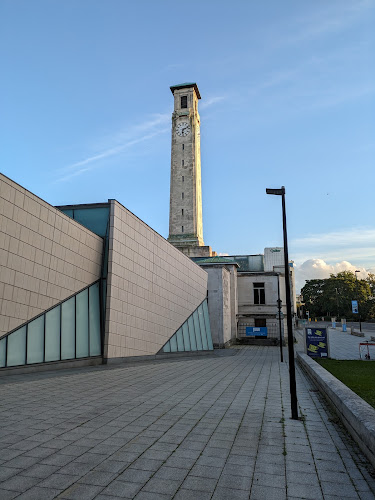
SeaCity Museum
John Hansard Gallery

Watts Park
Find Accommodations Nearby
Recommended Tours & Activities
Visitor Reviews
There are no reviews yet. Be the first one to write one.
Share Your Experience
Have you visited The Brickworks Museum? Help other travelers by leaving a review.