About Texas Surf Museum

Description

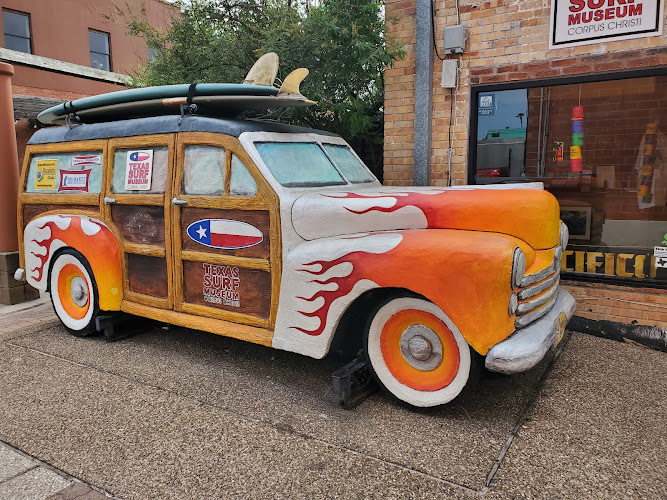
The Texas Surf Museum tells a story that’s as unexpected as it is fascinating — the story of surfing along the Texas Gulf Coast. It’s not the first place that comes to mind when you think of big waves and surfboards, but that’s what makes it so interesting. The museum captures the spirit of Texas surf culture — a mix of grit, creativity, and pure love for the ocean. It’s the kind of place that makes you smile the moment you walk in, partly because it feels so personal. Every board, every photo, every old magazine tucked behind glass has a story.

When I first stepped inside, I was hit with that familiar scent of waxed boards and saltwater memories — even though we were miles from any major surf destination. The exhibits trace the evolution of surfing in Texas, from the early days when locals shaped boards in their garages to the modern surf scene that thrives along the Gulf. It’s a museum, sure, but it feels more like a love letter to a community that refused to let geography define its passion.

Families, surfers, and even folks who’ve never touched a surfboard find something to enjoy here. The atmosphere is relaxed and welcoming, with friendly staff who genuinely care about the stories behind each display. And if you’re traveling through Galveston or the Texas coast, it’s a refreshing stop that gives you a deeper appreciation for the state’s coastal culture. It’s not flashy or overly polished — and that’s exactly what makes it feel authentic.

Key Features

  • Historical surfboards: See a lineup of boards from different eras, including some shaped by Texas legends who pioneered Gulf Coast surfing.
  • Photo and video archives: Rare photographs and vintage footage show surfers catching waves off Texas beaches long before it became trendy.
  • Rotating exhibits: The museum frequently changes displays, so returning visitors often find something new — from surf photography showcases to environmental awareness exhibits.
  • Interactive learning: Kids can explore hands-on displays that explain wave science and surfboard design in a fun, approachable way.
  • Community events: The museum hosts film screenings, guest speakers, and local surf meetups that bring together enthusiasts from across the state.
  • Environmental focus: Exhibits highlight ocean conservation and the importance of protecting Texas beaches and marine life.
  • Gift shop: A cozy shop offers surf-themed souvenirs, locally made art, and apparel that supports the museum’s educational programs.

What makes these features special is how they blend nostalgia with education. You don’t have to be a surfer to enjoy it — just someone who appreciates stories about people chasing what they love, even when the odds (and the waves) aren’t always in their favor.

Best Time to Visit

Texas weather can be unpredictable, but if you want to make the most of your visit, aim for spring or early fall. The Gulf breeze is gentle, the crowds are smaller, and you can pair your museum trip with a stroll along the nearby beaches. Summer can be fun too — especially if you’re already in town for a surf competition or beach event — but be ready for heat that’ll have you craving a cold drink the moment you step outside.

If you’re a surfer, you might plan your visit around the fall swells when the Gulf gets its best waves. But even in the off-season, the museum stays lively with community events and rotating exhibits. Honestly, there’s no bad time to drop by; it’s one of those places that feels timeless, like the ocean itself.

How to Get There

Reaching the Texas Surf Museum is straightforward whether you’re driving from Houston, San Antonio, or cruising along the coast. Most travelers opt to drive, as it gives you the freedom to explore nearby attractions and coastal spots. Parking is usually easy to find nearby, and the area is walkable, with cafes and shops scattered around — perfect for grabbing a bite before or after your visit.

If you’re flying in, the closest major airports are in Houston or Corpus Christi, depending on your route. From there, it’s a scenic drive that gives you a taste of the Texas Gulf landscape — wide skies, palm trees, and that unmistakable salty air. I always tell people to take their time on the drive; half the fun of visiting coastal Texas is the journey itself.

Tips for Visiting

Here’s a bit of practical advice (and a few personal lessons learned) to make your trip smoother:

  • Bring your curiosity: The museum’s stories come alive when you take a moment to really read the captions and chat with the staff. They’re full of local knowledge and love sharing it.
  • Plan for about an hour: You can see everything in roughly an hour, but if you’re like me, you’ll linger — especially if you get caught up in the old surf photos or start chatting with other visitors.
  • Combine it with nearby attractions: The area has plenty to see, from coastal shops to seafood restaurants. Make a day of it!
  • Great for families: Kids love the interactive displays and colorful surfboards. It’s educational without feeling like a classroom.
  • Support local: Buying something from the gift shop or donating helps keep this nonprofit museum running strong.
  • Check for events: Before you go, see if any special exhibits or film nights are scheduled. They add an extra layer of fun to the visit.

And honestly — take your time. This isn’t a place to rush through. It’s small, sure, but every corner has a story. You might even find yourself swapping surf tales with a stranger or reminiscing about your own beach adventures. That’s the magic of it.

The Texas Surf Museum isn’t just about surfing; it’s about community, perseverance, and the kind of passion that thrives even in unexpected places. Whether you’re a lifelong surfer or just someone who loves coastal culture, it’s worth the visit. You’ll walk out feeling a little more connected to the ocean — even if you’re miles from the nearest wave.

Key Features

  • Key Features
  • Best Time to Visit
  • How to Get There
  • Tips for Visiting

More Details

Updated December 1, 2025

Description

The Texas Surf Museum tells a story that’s as unexpected as it is fascinating — the story of surfing along the Texas Gulf Coast. It’s not the first place that comes to mind when you think of big waves and surfboards, but that’s what makes it so interesting. The museum captures the spirit of Texas surf culture — a mix of grit, creativity, and pure love for the ocean. It’s the kind of place that makes you smile the moment you walk in, partly because it feels so personal. Every board, every photo, every old magazine tucked behind glass has a story.

When I first stepped inside, I was hit with that familiar scent of waxed boards and saltwater memories — even though we were miles from any major surf destination. The exhibits trace the evolution of surfing in Texas, from the early days when locals shaped boards in their garages to the modern surf scene that thrives along the Gulf. It’s a museum, sure, but it feels more like a love letter to a community that refused to let geography define its passion.

Families, surfers, and even folks who’ve never touched a surfboard find something to enjoy here. The atmosphere is relaxed and welcoming, with friendly staff who genuinely care about the stories behind each display. And if you’re traveling through Galveston or the Texas coast, it’s a refreshing stop that gives you a deeper appreciation for the state’s coastal culture. It’s not flashy or overly polished — and that’s exactly what makes it feel authentic.

Key Features

  • Historical surfboards: See a lineup of boards from different eras, including some shaped by Texas legends who pioneered Gulf Coast surfing.
  • Photo and video archives: Rare photographs and vintage footage show surfers catching waves off Texas beaches long before it became trendy.
  • Rotating exhibits: The museum frequently changes displays, so returning visitors often find something new — from surf photography showcases to environmental awareness exhibits.
  • Interactive learning: Kids can explore hands-on displays that explain wave science and surfboard design in a fun, approachable way.
  • Community events: The museum hosts film screenings, guest speakers, and local surf meetups that bring together enthusiasts from across the state.
  • Environmental focus: Exhibits highlight ocean conservation and the importance of protecting Texas beaches and marine life.
  • Gift shop: A cozy shop offers surf-themed souvenirs, locally made art, and apparel that supports the museum’s educational programs.

What makes these features special is how they blend nostalgia with education. You don’t have to be a surfer to enjoy it — just someone who appreciates stories about people chasing what they love, even when the odds (and the waves) aren’t always in their favor.

Best Time to Visit

Texas weather can be unpredictable, but if you want to make the most of your visit, aim for spring or early fall. The Gulf breeze is gentle, the crowds are smaller, and you can pair your museum trip with a stroll along the nearby beaches. Summer can be fun too — especially if you’re already in town for a surf competition or beach event — but be ready for heat that’ll have you craving a cold drink the moment you step outside.

If you’re a surfer, you might plan your visit around the fall swells when the Gulf gets its best waves. But even in the off-season, the museum stays lively with community events and rotating exhibits. Honestly, there’s no bad time to drop by; it’s one of those places that feels timeless, like the ocean itself.

How to Get There

Reaching the Texas Surf Museum is straightforward whether you’re driving from Houston, San Antonio, or cruising along the coast. Most travelers opt to drive, as it gives you the freedom to explore nearby attractions and coastal spots. Parking is usually easy to find nearby, and the area is walkable, with cafes and shops scattered around — perfect for grabbing a bite before or after your visit.

If you’re flying in, the closest major airports are in Houston or Corpus Christi, depending on your route. From there, it’s a scenic drive that gives you a taste of the Texas Gulf landscape — wide skies, palm trees, and that unmistakable salty air. I always tell people to take their time on the drive; half the fun of visiting coastal Texas is the journey itself.

Tips for Visiting

Here’s a bit of practical advice (and a few personal lessons learned) to make your trip smoother:

  • Bring your curiosity: The museum’s stories come alive when you take a moment to really read the captions and chat with the staff. They’re full of local knowledge and love sharing it.
  • Plan for about an hour: You can see everything in roughly an hour, but if you’re like me, you’ll linger — especially if you get caught up in the old surf photos or start chatting with other visitors.
  • Combine it with nearby attractions: The area has plenty to see, from coastal shops to seafood restaurants. Make a day of it!
  • Great for families: Kids love the interactive displays and colorful surfboards. It’s educational without feeling like a classroom.
  • Support local: Buying something from the gift shop or donating helps keep this nonprofit museum running strong.
  • Check for events: Before you go, see if any special exhibits or film nights are scheduled. They add an extra layer of fun to the visit.

And honestly — take your time. This isn’t a place to rush through. It’s small, sure, but every corner has a story. You might even find yourself swapping surf tales with a stranger or reminiscing about your own beach adventures. That’s the magic of it.

The Texas Surf Museum isn’t just about surfing; it’s about community, perseverance, and the kind of passion that thrives even in unexpected places. Whether you’re a lifelong surfer or just someone who loves coastal culture, it’s worth the visit. You’ll walk out feeling a little more connected to the ocean — even if you’re miles from the nearest wave.

Key Highlights

  • Key Features
  • Best Time to Visit
  • How to Get There
  • Tips for Visiting

Location

Places to Stay Near Texas Surf Museum

Find and Book a Tour

Explore More Travel Guides

No reviews found! Be the first to review!

Traveler Reviews for Texas Surf Museum

There are no reviews yet. Be the first one to write one.

Share Your Experience

Have you visited Texas Surf Museum? Help other travelers by sharing your review.

Find Accommodations Nearby

Recommended Tours & Activities

Visitor Reviews

There are no reviews yet. Be the first one to write one.

Share Your Experience

Have you visited Texas Surf Museum? Help other travelers by leaving a review.