About Tejano Civil Rights Museum

Description

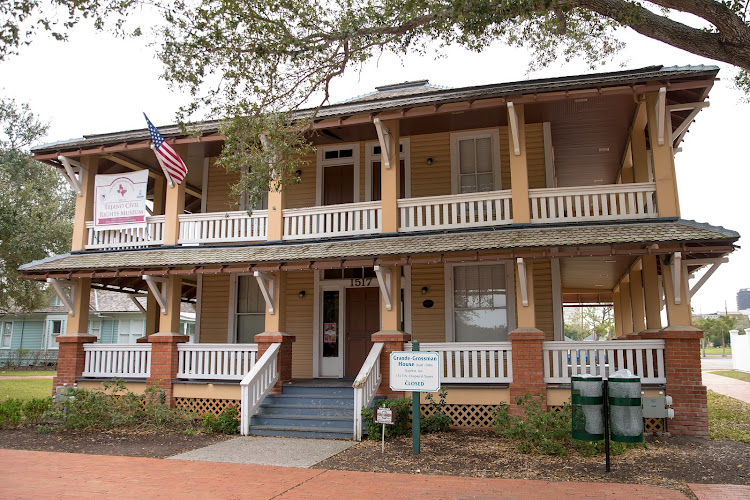
The Tejano Civil Rights Museum in Corpus Christi tells a story that’s often left out of the bigger picture of American history — the story of Tejano and Mexican-American activism, courage, and cultural pride. Housed inside the historic Grande-Grossman House, this museum is more than just a collection of artifacts; it’s a heartfelt tribute to the people who stood up for justice and equality long before it was fashionable to do so. Walking through its rooms feels like stepping into a living timeline of the Hispanic civil rights movement, which actually began right here in Corpus Christi back in 1929.

I remember my first visit — I expected a small, local exhibit, but what I found was a deeply personal experience. The walls are filled with old photographs, letters, and memorabilia that make you pause and think about the generations who fought quietly but fiercely for change. It’s not flashy or commercialized; instead, it’s authentic, raw, and deeply moving. You can almost feel the echoes of meetings that once took place in living rooms and community halls across South Texas.

The museum was created as a collaboration between Texas A&M University–Kingsville and the LULAC Foundation, both of which have strong roots in Hispanic advocacy. Every display seems to have a soul — from the early LULAC documents to the stories of everyday people who made extraordinary contributions. And honestly, that’s what makes this place so special: it’s not about famous names, but about ordinary citizens who refused to stay silent.

It’s a family-friendly museum, and kids seem to love the interactive storytelling elements. There’s something powerful about watching younger generations connect with the struggles and triumphs of their ancestors. The staff are warm and genuinely passionate about the cause — you can tell they care deeply about preserving this history. The space is fully accessible, with wheelchair-friendly entrances, restrooms, and parking, making it a welcoming stop for everyone.

Key Features

  • Located inside the historic Grande-Grossman House, a beautifully preserved landmark that adds charm and authenticity to the experience.
  • Dedicated exhibits on the origins and evolution of the Tejano civil rights movement, including early LULAC milestones and local activism.
  • Collaborative creation between Texas A&M University–Kingsville and the LULAC Foundation, ensuring historical accuracy and depth.
  • Rotating displays that highlight Hispanic leaders, educators, and artists who shaped South Texas culture.
  • Fully accessible facilities, including wheelchair-friendly entrances, restrooms, and parking areas.
  • Family-friendly environment with engaging educational content suitable for children and adults alike.
  • Knowledgeable staff and volunteers who share personal insights and stories that bring the exhibits to life.
  • Peaceful setting ideal for reflection and learning, away from the bustle of larger tourist attractions.

What really stands out is the sense of community pride that runs through every exhibit. You can feel it in the way visitors talk quietly among themselves, often sharing their own family stories. It’s one of those rare museums that doesn’t just teach history — it makes you feel like you’re part of it.

Best Time to Visit

Corpus Christi has mild weather most of the year, but if you want to make the most of your visit, plan for spring or early fall. The temperatures are comfortable, and you’ll avoid the heavier tourist traffic that summer tends to bring. Weekdays are usually quieter, which means you can take your time exploring without feeling rushed.

If you happen to visit during Hispanic Heritage Month (mid-September to mid-October), you’re in for a treat. The museum often hosts special events, guest speakers, and community gatherings that bring the exhibits to life in new ways. I once attended a local artist showcase there during this time — it was full of music, laughter, and a sense of shared history that stayed with me long after I left.

Winter, too, has its charm. Corpus Christi cools down just enough to make walking around downtown pleasant, and the museum’s cozy atmosphere feels even more inviting. Plus, there’s something about visiting a place dedicated to justice and resilience during the quiet months that feels especially reflective.

How to Get There

Getting to the Tejano Civil Rights Museum is pretty straightforward if you’re already in Corpus Christi. It’s located downtown, close to several other cultural landmarks, so it’s easy to include in a day of exploring. If you’re driving, there’s nearby parking, including accessible spaces. The museum is also reachable by local bus routes or rideshare services if you’d rather not deal with parking.

For travelers flying in, the Corpus Christi International Airport is only about a 15-minute drive away. Once you’re downtown, you’ll find the area walkable and full of character — think colorful murals, local shops, and friendly faces. Personally, I like to grab a coffee from one of the nearby cafés before heading in; it sets the tone for a slow, thoughtful visit.

If you’re coming from further afield, consider making a weekend of it. The city’s waterfront, beaches, and seafood spots make for a nice balance between history and leisure. And if you’re a history buff like me, you’ll find plenty of other sites nearby that connect to the same cultural narrative.

Tips for Visiting

A few lessons from experience — because I’ve made some rookie mistakes myself. First, give yourself at least an hour or two to really absorb everything. It’s not a massive museum, but it’s dense with meaning. You’ll want time to read the displays, watch the short films, and maybe chat with the staff.

Bring a notebook or use your phone for quick notes; there are so many fascinating details that you’ll want to remember later. And if you’re traveling with kids, encourage them to ask questions — the museum staff are great at engaging young visitors and turning history into a story rather than a lecture.

Dress comfortably, especially if you plan to explore the surrounding downtown area afterward. There are small shops and murals nearby worth checking out. And don’t forget to bring water; Texas heat can sneak up on you even when you’re indoors most of the time.

Photography is usually allowed, but it’s always polite to double-check at the front desk. Some exhibits might have sensitive materials that are better experienced without a lens between you and the story. I found that putting my phone away helped me connect more deeply with the atmosphere — the quiet pride, the sense of struggle, the hope that still lingers in the air.

Lastly, if you can, make a donation or buy something small from the gift area. This museum runs on community support, and every bit helps keep these stories alive for future generations. It’s one of those places that reminds you why preserving history matters — not just for scholars or activists, but for everyone who’s ever wondered what it really means to belong.

To sum it up, the Tejano Civil Rights Museum isn’t just another stop on your travel itinerary — it’s an experience that stays with you. It’s humble yet powerful, quiet yet full of life. Whether you’re a history lover, a culture seeker, or just someone curious about the roots of modern civil rights, this museum has a way of speaking directly to your heart. And honestly, that’s what makes it worth the visit.

Key Features

  • Located inside the historic Grande-Grossman House, a beautifully preserved landmark that adds charm and authenticity to the experience.
  • Dedicated exhibits on the origins and evolution of the Tejano civil rights movement, including early LULAC milestones and local activism.
  • Collaborative creation between Texas A&M University–Kingsville and the LULAC Foundation, ensuring historical accuracy and depth.
  • Rotating displays that highlight Hispanic leaders, educators, and artists who shaped South Texas culture.
  • Fully accessible facilities, including wheelchair-friendly entrances, restrooms, and parking areas.
  • Family-friendly environment with engaging educational content suitable for children and adults alike.
  • Knowledgeable staff and volunteers who share personal insights and stories that bring the exhibits to life.
  • Peaceful setting ideal for reflection and learning, away from the bustle of larger tourist attractions.

More Details

Updated December 1, 2025


Description

The Tejano Civil Rights Museum in Corpus Christi tells a story that’s often left out of the bigger picture of American history — the story of Tejano and Mexican-American activism, courage, and cultural pride. Housed inside the historic Grande-Grossman House, this museum is more than just a collection of artifacts; it’s a heartfelt tribute to the people who stood up for justice and equality long before it was fashionable to do so. Walking through its rooms feels like stepping into a living timeline of the Hispanic civil rights movement, which actually began right here in Corpus Christi back in 1929.

I remember my first visit — I expected a small, local exhibit, but what I found was a deeply personal experience. The walls are filled with old photographs, letters, and memorabilia that make you pause and think about the generations who fought quietly but fiercely for change. It’s not flashy or commercialized; instead, it’s authentic, raw, and deeply moving. You can almost feel the echoes of meetings that once took place in living rooms and community halls across South Texas.

The museum was created as a collaboration between Texas A&M University–Kingsville and the LULAC Foundation, both of which have strong roots in Hispanic advocacy. Every display seems to have a soul — from the early LULAC documents to the stories of everyday people who made extraordinary contributions. And honestly, that’s what makes this place so special: it’s not about famous names, but about ordinary citizens who refused to stay silent.

It’s a family-friendly museum, and kids seem to love the interactive storytelling elements. There’s something powerful about watching younger generations connect with the struggles and triumphs of their ancestors. The staff are warm and genuinely passionate about the cause — you can tell they care deeply about preserving this history. The space is fully accessible, with wheelchair-friendly entrances, restrooms, and parking, making it a welcoming stop for everyone.

Key Features

  • Located inside the historic Grande-Grossman House, a beautifully preserved landmark that adds charm and authenticity to the experience.
  • Dedicated exhibits on the origins and evolution of the Tejano civil rights movement, including early LULAC milestones and local activism.
  • Collaborative creation between Texas A&M University–Kingsville and the LULAC Foundation, ensuring historical accuracy and depth.
  • Rotating displays that highlight Hispanic leaders, educators, and artists who shaped South Texas culture.
  • Fully accessible facilities, including wheelchair-friendly entrances, restrooms, and parking areas.
  • Family-friendly environment with engaging educational content suitable for children and adults alike.
  • Knowledgeable staff and volunteers who share personal insights and stories that bring the exhibits to life.
  • Peaceful setting ideal for reflection and learning, away from the bustle of larger tourist attractions.

What really stands out is the sense of community pride that runs through every exhibit. You can feel it in the way visitors talk quietly among themselves, often sharing their own family stories. It’s one of those rare museums that doesn’t just teach history — it makes you feel like you’re part of it.

Best Time to Visit

Corpus Christi has mild weather most of the year, but if you want to make the most of your visit, plan for spring or early fall. The temperatures are comfortable, and you’ll avoid the heavier tourist traffic that summer tends to bring. Weekdays are usually quieter, which means you can take your time exploring without feeling rushed.

If you happen to visit during Hispanic Heritage Month (mid-September to mid-October), you’re in for a treat. The museum often hosts special events, guest speakers, and community gatherings that bring the exhibits to life in new ways. I once attended a local artist showcase there during this time — it was full of music, laughter, and a sense of shared history that stayed with me long after I left.

Winter, too, has its charm. Corpus Christi cools down just enough to make walking around downtown pleasant, and the museum’s cozy atmosphere feels even more inviting. Plus, there’s something about visiting a place dedicated to justice and resilience during the quiet months that feels especially reflective.

How to Get There

Getting to the Tejano Civil Rights Museum is pretty straightforward if you’re already in Corpus Christi. It’s located downtown, close to several other cultural landmarks, so it’s easy to include in a day of exploring. If you’re driving, there’s nearby parking, including accessible spaces. The museum is also reachable by local bus routes or rideshare services if you’d rather not deal with parking.

For travelers flying in, the Corpus Christi International Airport is only about a 15-minute drive away. Once you’re downtown, you’ll find the area walkable and full of character — think colorful murals, local shops, and friendly faces. Personally, I like to grab a coffee from one of the nearby cafés before heading in; it sets the tone for a slow, thoughtful visit.

If you’re coming from further afield, consider making a weekend of it. The city’s waterfront, beaches, and seafood spots make for a nice balance between history and leisure. And if you’re a history buff like me, you’ll find plenty of other sites nearby that connect to the same cultural narrative.

Tips for Visiting

A few lessons from experience — because I’ve made some rookie mistakes myself. First, give yourself at least an hour or two to really absorb everything. It’s not a massive museum, but it’s dense with meaning. You’ll want time to read the displays, watch the short films, and maybe chat with the staff.

Bring a notebook or use your phone for quick notes; there are so many fascinating details that you’ll want to remember later. And if you’re traveling with kids, encourage them to ask questions — the museum staff are great at engaging young visitors and turning history into a story rather than a lecture.

Dress comfortably, especially if you plan to explore the surrounding downtown area afterward. There are small shops and murals nearby worth checking out. And don’t forget to bring water; Texas heat can sneak up on you even when you’re indoors most of the time.

Photography is usually allowed, but it’s always polite to double-check at the front desk. Some exhibits might have sensitive materials that are better experienced without a lens between you and the story. I found that putting my phone away helped me connect more deeply with the atmosphere — the quiet pride, the sense of struggle, the hope that still lingers in the air.

Lastly, if you can, make a donation or buy something small from the gift area. This museum runs on community support, and every bit helps keep these stories alive for future generations. It’s one of those places that reminds you why preserving history matters — not just for scholars or activists, but for everyone who’s ever wondered what it really means to belong.

To sum it up, the Tejano Civil Rights Museum isn’t just another stop on your travel itinerary — it’s an experience that stays with you. It’s humble yet powerful, quiet yet full of life. Whether you’re a history lover, a culture seeker, or just someone curious about the roots of modern civil rights, this museum has a way of speaking directly to your heart. And honestly, that’s what makes it worth the visit.

Key Highlights

  • Located inside the historic Grande-Grossman House, a beautifully preserved landmark that adds charm and authenticity to the experience.
  • Dedicated exhibits on the origins and evolution of the Tejano civil rights movement, including early LULAC milestones and local activism.
  • Collaborative creation between Texas A&M University–Kingsville and the LULAC Foundation, ensuring historical accuracy and depth.
  • Rotating displays that highlight Hispanic leaders, educators, and artists who shaped South Texas culture.
  • Fully accessible facilities, including wheelchair-friendly entrances, restrooms, and parking areas.
  • Family-friendly environment with engaging educational content suitable for children and adults alike.
  • Knowledgeable staff and volunteers who share personal insights and stories that bring the exhibits to life.
  • Peaceful setting ideal for reflection and learning, away from the bustle of larger tourist attractions.

Location

Places to Stay Near Tejano Civil Rights Museum

Find and Book a Tour

Explore More Travel Guides

No reviews found! Be the first to review!

Traveler Reviews for Tejano Civil Rights Museum

There are no reviews yet. Be the first one to write one.

Share Your Experience

Have you visited Tejano Civil Rights Museum? Help other travelers by sharing your review.

Find Accommodations Nearby

Recommended Tours & Activities

Visitor Reviews

There are no reviews yet. Be the first one to write one.

Share Your Experience

Have you visited Tejano Civil Rights Museum? Help other travelers by leaving a review.