
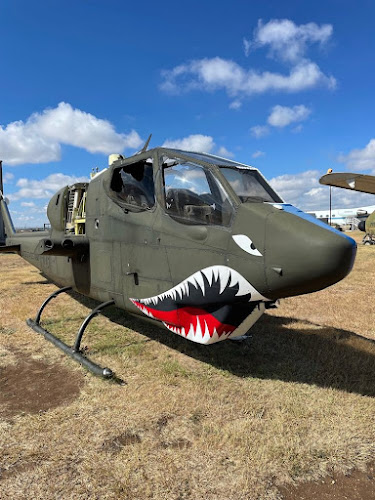
Texas Air & Space Museum
About Texas Air & Space Museum
Description
The Texas Air & Space Museum in Amarillo is a hands-on, laid-back museum that showcases a tidy collection of aerospace artifacts alongside several civilian and military aircraft. Visitors will find a mix of cockpit displays, engine components, historical photographs and interpretive panels that tell stories about flight in the region and beyond. The museum doesn’t scream flashy; instead it quietly invites curiosity. People who like getting close to planes, tracing rivets with their eyes, or imagining what it smelled like inside a World War II cockpit tend to linger longer here.
This museum operates with a community-minded spirit. Local volunteers, retired pilots, and aviation enthusiasts help guide tours and keep exhibits well maintained. There’s a theater for short films and presentations, a small gift shop for keepsakes and books, and a cafe for snacks and coffee—so it’s easy to make a full morning or afternoon of the visit. And yes, families bring kids; it’s friendly for young explorers who get excited by buttons, levers, and tailfins.
Accessibility is a priority: the museum provides a wheelchair accessible entrance, accessible parking, and restrooms. The layout is primarily single-level-ish, with aircraft parked in a way that allows up-close viewing and photography. On-site parking makes arriving by car simple, and the museum typically offers docent-led tours that add layers of historical context not obvious from signage alone. Those tours often reveal the quirky backstories—a restored instrument panel passed down from a pilot, a donated flight suit, or a little-known mission connected to local airfields.
What sets this place apart, beyond the planes themselves, is the sense of local history threaded through the displays. The exhibits emphasize both civilian aviation milestones and military stories, and that contrast—commercial travel versus defense—creates a nuanced portrait of how flight shaped this part of Texas. Visitors who expect a massive national museum might be surprised; those who enjoy intimate, well-curated collections will appreciate the attention to detail and the personal touch brought by staff and volunteers.
Key Features
- Collection of civilian and military aircraft on display, allowing up-close viewing of airframes and cockpits
- Varied aerospace artifacts including engines, instruments, uniforms, and historical photographs
- Theater space for short films, presentations, and educational programming
- Onsite cafe for light meals and coffee, plus a small gift shop with aviation-themed souvenirs
- On-site parking with wheelchair accessible parking and entrances for visitors with mobility needs
- Wheelchair accessible restrooms and pathways to most major exhibits
- Guided tours offered by knowledgeable volunteers and docents, ideal for history buffs and families
- Family-friendly layout and displays that engage children, from model planes to interactive explanations
- Opportunities for photography and close inspection of aircraft surfaces and components
- Volunteer-driven restoration and preservation efforts that showcase local aviation passion
Best Time to Visit
For the best experience, mid-week mornings are the sweet spot. Crowds are lighter, lighting in the hangar is calmer in the morning, and docents tend to have more time for questions. Weekends can be busier, especially when the museum schedules special presentations or when nearby aviation events are happening, so expect families and group tours then.
Seasonally, spring and fall are comfortable for travel in the Amarillo area; summers can be very hot, which matters mainly for getting to and from the car and for outdoor exhibits. Winters in the Texas Panhandle can be brisk and windy—perfect weather for a cozy museum afternoon, but dress warmly if parts of the collection are exposed to outdoor elements.
Visitors who want a deeper dive should check the museum’s calendar ahead of a trip. Special events, guest speakers, and themed days often include aircraft demonstrations or expanded tours that highlight pieces not always discussed in regular walkthroughs. If a theater presentation or guided tour lines up with a visit, it can turn a pleasant stop into a memorable half-day.
How to Get There
The museum sits on the edge of the city’s aviation corridor, so driving is the most straightforward option for most travelers. It’s convenient for those renting cars or using rideshare services. Once on site, the parking is on-site and typically easy to find, which is a blessing—no circling and waiting for a spot.
If visitors prefer public transportation, local bus services operate in Amarillo and can get you reasonably close; just be prepared for a short walk from the nearest stop. Taxis and rideshare pickups are also common and work well for families and travelers with a tight schedule. Airports in the Amarillo area are nearby enough that the museum can be a quick first or last stop when flying in or out.
Accessibility-minded travelers will be happy to hear that the museum provides wheelchair accessible parking and an accessible entrance, and pathways to the main exhibits accommodate mobility devices. Still, if someone uses a wheelchair or a mobility scooter, calling ahead to confirm tour accommodations or specific exhibit access can remove any lingering uncertainty.
Tips for Visiting
Plan on spending about 90 minutes to 2 hours unless the visitor wants to linger at every display. That’s usually enough time to see aircraft interiors, watch a short theater presentation, visit the cafe, and browse the gift shop. But if the museum is hosting a special program or if a volunteer offers a deep-dive tour, block off more time—the extra stories from staff make the whole thing richer.
Buy tickets at the desk on arrival and ask about the schedule for theater showings and guided tours. Those tours are often where the best anecdotes live: the kind of human-scale stories that don’t make it onto placards. The writer recalls a tour where a volunteer described how a local pilot once fixed an engine with tools borrowed from a farmer—small anecdotes like that make the exhibits stick in memory.
Bring a camera and comfortable shoes. Photography is usually welcome for personal use, but it’s polite to ask before photographing volunteers or staff members. Also, bring water—especially in summer—and a light jacket for indoor areas that can feel cool when doors open to hangars. If visiting with kids, pack a small scavenger hunt list: find a propeller, find an instrument panel, count tail numbers. It keeps little ones engaged and makes the visit feel like a mini-adventure.
Expect friendly, volunteer-led interactions. Many of the people who work here are enthusiasts who love to share stories. So ask questions. And if a child is fascinated by a cockpit, don’t be shy about asking whether it’s possible to get a closer look; staff will often accommodate when they can. On that note, check whether any cockpit access is scheduled or limited—some airplanes are kept closed for preservation reasons.
Be mindful of timing around meals. The on-site cafe offers light fare, but it’s not a full-service restaurant, so plan accordingly if traveling with a big appetite. The gift shop is a good spot to pick up a souvenir book or a model plane; prices are reasonable and proceeds often support museum operations. For accessibility needs, restrooms and parking are wheelchair friendly, but if a visitor requires specific accommodations, a quick call ahead can secure the smoothest experience.
Finally, combine the museum with other local stops when possible. Amarillo has more to offer for those who want to stretch a day into a mini-road trip. But even if the museum is the primary destination, it stands well on its own: an engaging place to think about the mechanics, design, and cultural role of flight. And for folks who grew up staring at sky-bound contrails and dreaming, the Texas Air & Space Museum provides a satisfying, down-to-earth dose of aviation history that’s easy to love.
Key Features
- Collection of civilian and military aircraft on display, allowing up-close viewing of airframes and cockpits
- Varied aerospace artifacts including engines, instruments, uniforms, and historical photographs
- Theater space for short films, presentations, and educational programming
- Onsite cafe for light meals and coffee, plus a small gift shop with aviation-themed souvenirs
- On-site parking with wheelchair accessible parking and entrances for visitors with mobility needs
- Wheelchair accessible restrooms and pathways to most major exhibits
- Guided tours offered by knowledgeable volunteers and docents, ideal for history buffs and families
- Family-friendly layout and displays that engage children, from model planes to interactive explanations
More Details
Updated August 30, 2025
Table of Contents
Description
The Texas Air & Space Museum in Amarillo is a hands-on, laid-back museum that showcases a tidy collection of aerospace artifacts alongside several civilian and military aircraft. Visitors will find a mix of cockpit displays, engine components, historical photographs and interpretive panels that tell stories about flight in the region and beyond. The museum doesn’t scream flashy; instead it quietly invites curiosity. People who like getting close to planes, tracing rivets with their eyes, or imagining what it smelled like inside a World War II cockpit tend to linger longer here.
This museum operates with a community-minded spirit. Local volunteers, retired pilots, and aviation enthusiasts help guide tours and keep exhibits well maintained. There’s a theater for short films and presentations, a small gift shop for keepsakes and books, and a cafe for snacks and coffee—so it’s easy to make a full morning or afternoon of the visit. And yes, families bring kids; it’s friendly for young explorers who get excited by buttons, levers, and tailfins.
Accessibility is a priority: the museum provides a wheelchair accessible entrance, accessible parking, and restrooms. The layout is primarily single-level-ish, with aircraft parked in a way that allows up-close viewing and photography. On-site parking makes arriving by car simple, and the museum typically offers docent-led tours that add layers of historical context not obvious from signage alone. Those tours often reveal the quirky backstories—a restored instrument panel passed down from a pilot, a donated flight suit, or a little-known mission connected to local airfields.
What sets this place apart, beyond the planes themselves, is the sense of local history threaded through the displays. The exhibits emphasize both civilian aviation milestones and military stories, and that contrast—commercial travel versus defense—creates a nuanced portrait of how flight shaped this part of Texas. Visitors who expect a massive national museum might be surprised; those who enjoy intimate, well-curated collections will appreciate the attention to detail and the personal touch brought by staff and volunteers.
Key Features
- Collection of civilian and military aircraft on display, allowing up-close viewing of airframes and cockpits
- Varied aerospace artifacts including engines, instruments, uniforms, and historical photographs
- Theater space for short films, presentations, and educational programming
- Onsite cafe for light meals and coffee, plus a small gift shop with aviation-themed souvenirs
- On-site parking with wheelchair accessible parking and entrances for visitors with mobility needs
- Wheelchair accessible restrooms and pathways to most major exhibits
- Guided tours offered by knowledgeable volunteers and docents, ideal for history buffs and families
- Family-friendly layout and displays that engage children, from model planes to interactive explanations
- Opportunities for photography and close inspection of aircraft surfaces and components
- Volunteer-driven restoration and preservation efforts that showcase local aviation passion
Best Time to Visit
For the best experience, mid-week mornings are the sweet spot. Crowds are lighter, lighting in the hangar is calmer in the morning, and docents tend to have more time for questions. Weekends can be busier, especially when the museum schedules special presentations or when nearby aviation events are happening, so expect families and group tours then.
Seasonally, spring and fall are comfortable for travel in the Amarillo area; summers can be very hot, which matters mainly for getting to and from the car and for outdoor exhibits. Winters in the Texas Panhandle can be brisk and windy—perfect weather for a cozy museum afternoon, but dress warmly if parts of the collection are exposed to outdoor elements.
Visitors who want a deeper dive should check the museum’s calendar ahead of a trip. Special events, guest speakers, and themed days often include aircraft demonstrations or expanded tours that highlight pieces not always discussed in regular walkthroughs. If a theater presentation or guided tour lines up with a visit, it can turn a pleasant stop into a memorable half-day.
How to Get There
The museum sits on the edge of the city’s aviation corridor, so driving is the most straightforward option for most travelers. It’s convenient for those renting cars or using rideshare services. Once on site, the parking is on-site and typically easy to find, which is a blessing—no circling and waiting for a spot.
If visitors prefer public transportation, local bus services operate in Amarillo and can get you reasonably close; just be prepared for a short walk from the nearest stop. Taxis and rideshare pickups are also common and work well for families and travelers with a tight schedule. Airports in the Amarillo area are nearby enough that the museum can be a quick first or last stop when flying in or out.
Accessibility-minded travelers will be happy to hear that the museum provides wheelchair accessible parking and an accessible entrance, and pathways to the main exhibits accommodate mobility devices. Still, if someone uses a wheelchair or a mobility scooter, calling ahead to confirm tour accommodations or specific exhibit access can remove any lingering uncertainty.
Tips for Visiting
Plan on spending about 90 minutes to 2 hours unless the visitor wants to linger at every display. That’s usually enough time to see aircraft interiors, watch a short theater presentation, visit the cafe, and browse the gift shop. But if the museum is hosting a special program or if a volunteer offers a deep-dive tour, block off more time—the extra stories from staff make the whole thing richer.
Buy tickets at the desk on arrival and ask about the schedule for theater showings and guided tours. Those tours are often where the best anecdotes live: the kind of human-scale stories that don’t make it onto placards. The writer recalls a tour where a volunteer described how a local pilot once fixed an engine with tools borrowed from a farmer—small anecdotes like that make the exhibits stick in memory.
Bring a camera and comfortable shoes. Photography is usually welcome for personal use, but it’s polite to ask before photographing volunteers or staff members. Also, bring water—especially in summer—and a light jacket for indoor areas that can feel cool when doors open to hangars. If visiting with kids, pack a small scavenger hunt list: find a propeller, find an instrument panel, count tail numbers. It keeps little ones engaged and makes the visit feel like a mini-adventure.
Expect friendly, volunteer-led interactions. Many of the people who work here are enthusiasts who love to share stories. So ask questions. And if a child is fascinated by a cockpit, don’t be shy about asking whether it’s possible to get a closer look; staff will often accommodate when they can. On that note, check whether any cockpit access is scheduled or limited—some airplanes are kept closed for preservation reasons.
Be mindful of timing around meals. The on-site cafe offers light fare, but it’s not a full-service restaurant, so plan accordingly if traveling with a big appetite. The gift shop is a good spot to pick up a souvenir book or a model plane; prices are reasonable and proceeds often support museum operations. For accessibility needs, restrooms and parking are wheelchair friendly, but if a visitor requires specific accommodations, a quick call ahead can secure the smoothest experience.
Finally, combine the museum with other local stops when possible. Amarillo has more to offer for those who want to stretch a day into a mini-road trip. But even if the museum is the primary destination, it stands well on its own: an engaging place to think about the mechanics, design, and cultural role of flight. And for folks who grew up staring at sky-bound contrails and dreaming, the Texas Air & Space Museum provides a satisfying, down-to-earth dose of aviation history that’s easy to love.
Key Highlights
- Collection of civilian and military aircraft on display, allowing up-close viewing of airframes and cockpits
- Varied aerospace artifacts including engines, instruments, uniforms, and historical photographs
- Theater space for short films, presentations, and educational programming
- Onsite cafe for light meals and coffee, plus a small gift shop with aviation-themed souvenirs
- On-site parking with wheelchair accessible parking and entrances for visitors with mobility needs
- Wheelchair accessible restrooms and pathways to most major exhibits
- Guided tours offered by knowledgeable volunteers and docents, ideal for history buffs and families
- Family-friendly layout and displays that engage children, from model planes to interactive explanations
Location
Places to Stay Near Texas Air & Space Museum
Find and Book a Tour
Explore More Travel Guides
No reviews found! Be the first to review!
Traveler Reviews for Texas Air & Space Museum
There are no reviews yet. Be the first one to write one.
Have you visited Texas Air & Space Museum? Help other travelers by sharing your review.
You Might Also Like
Amarillo Botanical Gardens

The Big Texan Steak Ranch & Brewery

Wonderland Amusement Park
Find Accommodations Nearby
Recommended Tours & Activities
Visitor Reviews
There are no reviews yet. Be the first one to write one.
Share Your Experience
Have you visited Texas Air & Space Museum? Help other travelers by leaving a review.