
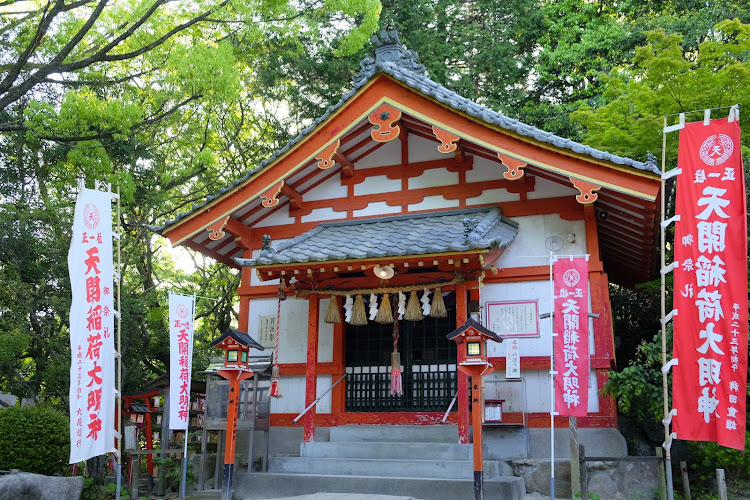
Tenkai Inari Shrine
About Tenkai Inari Shrine
Description
Tenkai Inari Shrine in Dazaifu is one of those places that quietly wins you over the moment you step through its torii gate. It doesn’t scream for attention like some of Japan’s more famous shrines, but that’s exactly its charm. The air here feels still and sacred, and if you listen closely, you might even catch the rustle of fox spirits—or at least that’s what locals say. The shrine is dedicated to Inari, the kami of prosperity, rice, and foxes, which explains the dozens of fox statues scattered around the grounds. Some are fierce, others almost playful, and each one seems to have its own personality.
The site isn’t huge, but it feels layered with stories. You’ll notice the bright red torii gates leading up the slope, creating that classic tunnel effect that photographers love. And while it might not have the grandeur of Kyoto’s Fushimi Inari, it has an intimacy that’s hard to find elsewhere. There’s something about the way the sunlight filters through the trees and hits the vermilion paint that makes you pause. It’s a place that rewards slow wandering, not rushing.
Visitors often describe the atmosphere as peaceful yet slightly mysterious—like the shrine itself knows more than it’s letting on. The upkeep is simple but respectful, with offerings of sake and rice here and there. You might even see locals stopping by to pray for business success or family health. It’s that blend of everyday devotion and timeless tradition that makes Tenkai Inari Shrine feel so authentic.
Key Features
- Torii Pathway: A series of red torii gates leading up the hillside, perfect for that classic photo moment.
- Fox Statues: Dozens of guardian foxes (kitsune) believed to be messengers of Inari, each with intricate details.
- Quiet Setting: Less crowded than Dazaifu Tenmangu, offering a more reflective experience.
- Local Devotion: A working shrine where locals still come to pray for prosperity and success.
- Natural Ambience: Surrounded by trees that change beautifully with the seasons—especially stunning in autumn.
- Photogenic Corners: Every turn reveals something worth capturing, from lanterns to moss-covered steps.
Best Time to Visit
If you ask me, the best time to visit Tenkai Inari Shrine is during late autumn. The air turns crisp, and the maple leaves around the shrine explode into fiery reds and oranges that make the torii gates look even more vivid. Spring is lovely too, especially when the cherry blossoms start to bloom along the nearby paths. But honestly, each season has its own kind of magic. Summer offers lush greenery and a bit of shade from the heat, while winter gives the place a quiet, almost haunting stillness.
Weekdays are your best bet if you want to avoid crowds. Early mornings are especially serene—there’s something about hearing the first bells of the day echo through the trees that gives you goosebumps. And if you’re into photography, that soft morning light is unbeatable.
How to Get There
Reaching Tenkai Inari Shrine is quite straightforward if you’re already in Dazaifu. Most visitors arrive via train, hopping off at Dazaifu Station and taking a short walk through the charming streets lined with traditional shops and sweet stalls. You’ll probably smell the famous umegae mochi (a type of grilled rice cake) before you even see it—definitely worth trying on your way up.
Once you reach the main area near Dazaifu Tenmangu, look for signs pointing toward the smaller shrines nearby. The walk is gentle, though there are a few stone steps as you get closer to Tenkai Inari. It’s not wheelchair accessible, unfortunately, and parking options are limited, so public transportation is usually the easiest route.
If you’re exploring Fukuoka or Kyushu more broadly, it’s an easy day trip from the city. The journey itself is part of the fun—you’ll pass through quiet neighborhoods and leafy hills that give you a taste of rural Japan without straying too far from urban comforts.
Tips for Visiting
First things first—wear comfortable shoes. The paths around the shrine can be uneven, especially after rain, and you’ll want to take your time exploring without worrying about slipping. Bring a small towel or handkerchief too; the humidity in summer can sneak up on you.
If you’re the type who loves collecting goshuin (temple stamps), don’t forget your book. The calligraphy here is particularly elegant, and watching the priest or attendant carefully brush the ink feels like a performance in itself.
Photography is welcome, but be mindful when locals are praying. I once made the mistake of snapping a shot too close to someone offering incense, and though they didn’t say anything, I could feel their disapproval. Lesson learned—respect the space first, photos second.
There’s also a small offering box near the main hall. Toss in a few coins, bow twice, clap twice, and bow once more—it’s the traditional way to show respect. Even if you’re not religious, that small act of mindfulness connects you to centuries of tradition.
And here’s a little insider tip: if you walk a bit beyond the main shrine, you’ll find a quieter path that leads to a smaller sub-shrine tucked away in the trees. Hardly anyone goes there, but it’s one of the most peaceful spots I’ve ever found in Dazaifu. The sound of the wind through the leaves mixes with the distant temple bells—it’s the kind of moment that makes you forget the rest of the world for a while.
As for souvenirs, you can pick up small fox charms or ema (wooden prayer plaques) to write your wishes on. I still have mine hanging in my study back home—it’s a little reminder of that day and the calm I felt there.
Tenkai Inari Shrine might not top every travel guide, but that’s exactly why it’s worth your time. It’s a place that feels personal, like it’s waiting for you to discover it at your own pace. Whether you come for the history, the photography, or just a quiet moment away from the crowds, you’ll leave with something intangible—a sense of connection that lingers long after you’ve gone.
Key Features
- Key Features
- Best Time to Visit
- How to Get There
- Tips for Visiting
More Details
Updated November 10, 2025
Table of Contents
Description
Tenkai Inari Shrine in Dazaifu is one of those places that quietly wins you over the moment you step through its torii gate. It doesn’t scream for attention like some of Japan’s more famous shrines, but that’s exactly its charm. The air here feels still and sacred, and if you listen closely, you might even catch the rustle of fox spirits—or at least that’s what locals say. The shrine is dedicated to Inari, the kami of prosperity, rice, and foxes, which explains the dozens of fox statues scattered around the grounds. Some are fierce, others almost playful, and each one seems to have its own personality.
The site isn’t huge, but it feels layered with stories. You’ll notice the bright red torii gates leading up the slope, creating that classic tunnel effect that photographers love. And while it might not have the grandeur of Kyoto’s Fushimi Inari, it has an intimacy that’s hard to find elsewhere. There’s something about the way the sunlight filters through the trees and hits the vermilion paint that makes you pause. It’s a place that rewards slow wandering, not rushing.
Visitors often describe the atmosphere as peaceful yet slightly mysterious—like the shrine itself knows more than it’s letting on. The upkeep is simple but respectful, with offerings of sake and rice here and there. You might even see locals stopping by to pray for business success or family health. It’s that blend of everyday devotion and timeless tradition that makes Tenkai Inari Shrine feel so authentic.
Key Features
- Torii Pathway: A series of red torii gates leading up the hillside, perfect for that classic photo moment.
- Fox Statues: Dozens of guardian foxes (kitsune) believed to be messengers of Inari, each with intricate details.
- Quiet Setting: Less crowded than Dazaifu Tenmangu, offering a more reflective experience.
- Local Devotion: A working shrine where locals still come to pray for prosperity and success.
- Natural Ambience: Surrounded by trees that change beautifully with the seasons—especially stunning in autumn.
- Photogenic Corners: Every turn reveals something worth capturing, from lanterns to moss-covered steps.
Best Time to Visit
If you ask me, the best time to visit Tenkai Inari Shrine is during late autumn. The air turns crisp, and the maple leaves around the shrine explode into fiery reds and oranges that make the torii gates look even more vivid. Spring is lovely too, especially when the cherry blossoms start to bloom along the nearby paths. But honestly, each season has its own kind of magic. Summer offers lush greenery and a bit of shade from the heat, while winter gives the place a quiet, almost haunting stillness.
Weekdays are your best bet if you want to avoid crowds. Early mornings are especially serene—there’s something about hearing the first bells of the day echo through the trees that gives you goosebumps. And if you’re into photography, that soft morning light is unbeatable.
How to Get There
Reaching Tenkai Inari Shrine is quite straightforward if you’re already in Dazaifu. Most visitors arrive via train, hopping off at Dazaifu Station and taking a short walk through the charming streets lined with traditional shops and sweet stalls. You’ll probably smell the famous umegae mochi (a type of grilled rice cake) before you even see it—definitely worth trying on your way up.
Once you reach the main area near Dazaifu Tenmangu, look for signs pointing toward the smaller shrines nearby. The walk is gentle, though there are a few stone steps as you get closer to Tenkai Inari. It’s not wheelchair accessible, unfortunately, and parking options are limited, so public transportation is usually the easiest route.
If you’re exploring Fukuoka or Kyushu more broadly, it’s an easy day trip from the city. The journey itself is part of the fun—you’ll pass through quiet neighborhoods and leafy hills that give you a taste of rural Japan without straying too far from urban comforts.
Tips for Visiting
First things first—wear comfortable shoes. The paths around the shrine can be uneven, especially after rain, and you’ll want to take your time exploring without worrying about slipping. Bring a small towel or handkerchief too; the humidity in summer can sneak up on you.
If you’re the type who loves collecting goshuin (temple stamps), don’t forget your book. The calligraphy here is particularly elegant, and watching the priest or attendant carefully brush the ink feels like a performance in itself.
Photography is welcome, but be mindful when locals are praying. I once made the mistake of snapping a shot too close to someone offering incense, and though they didn’t say anything, I could feel their disapproval. Lesson learned—respect the space first, photos second.
There’s also a small offering box near the main hall. Toss in a few coins, bow twice, clap twice, and bow once more—it’s the traditional way to show respect. Even if you’re not religious, that small act of mindfulness connects you to centuries of tradition.
And here’s a little insider tip: if you walk a bit beyond the main shrine, you’ll find a quieter path that leads to a smaller sub-shrine tucked away in the trees. Hardly anyone goes there, but it’s one of the most peaceful spots I’ve ever found in Dazaifu. The sound of the wind through the leaves mixes with the distant temple bells—it’s the kind of moment that makes you forget the rest of the world for a while.
As for souvenirs, you can pick up small fox charms or ema (wooden prayer plaques) to write your wishes on. I still have mine hanging in my study back home—it’s a little reminder of that day and the calm I felt there.
Tenkai Inari Shrine might not top every travel guide, but that’s exactly why it’s worth your time. It’s a place that feels personal, like it’s waiting for you to discover it at your own pace. Whether you come for the history, the photography, or just a quiet moment away from the crowds, you’ll leave with something intangible—a sense of connection that lingers long after you’ve gone.
Key Highlights
- Key Features
- Best Time to Visit
- How to Get There
- Tips for Visiting
Location
Places to Stay Near Tenkai Inari Shrine
Find and Book a Tour
Explore More Travel Guides
No reviews found! Be the first to review!
Traveler Reviews for Tenkai Inari Shrine
There are no reviews yet. Be the first one to write one.
Have you visited Tenkai Inari Shrine? Help other travelers by sharing your review.
You Might Also Like

Tobi-ume

Kyushu National Museum
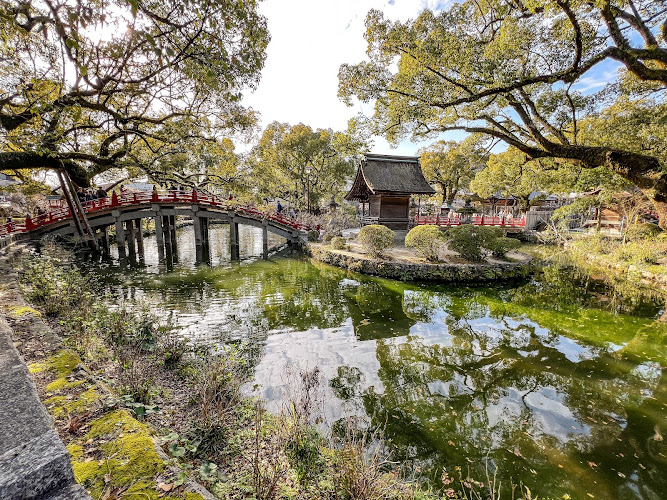
Shinji-ike Pond
Find Accommodations Nearby
Recommended Tours & Activities
Visitor Reviews
There are no reviews yet. Be the first one to write one.
Share Your Experience
Have you visited Tenkai Inari Shrine? Help other travelers by leaving a review.