

Tasikmalaya Regency
About Tasikmalaya Regency
Description
Tasikmalaya Regency, tucked away in the southeastern part of West Java, Indonesia, is the kind of place that sneaks up on you. It’s not one of those destinations plastered all over travel posters, but that’s part of its charm. The regency stretches over 2,700 square kilometers, a vast patchwork of mountains, rice fields, and sleepy villages where life moves at its own rhythm. It’s often called the cultural heartland of East Priangan, and honestly, that’s not an exaggeration. People here still weave traditional crafts by hand, cook over wood fires, and treat guests like family.
What makes Tasikmalaya stand out is its authenticity. It’s not trying to be a tourist trap. You’ll find places like Kampung Naga—a traditional Sundanese village that feels like a living museum. I remember my first visit there; I was sweating like crazy from the walk down the long staircase, but when I reached the village, the air felt cooler, calmer. The sound of bamboo clacking in the wind and the smell of freshly cooked rice—it’s the kind of sensory memory that sticks with you.
The regency is also known for its handicrafts—bamboo weaving, batik, and embroidery that’s so intricate you’ll wonder how anyone has the patience for it. Locals take immense pride in their work, and you can feel that same pride in the way they talk about their land. The landscape itself is a mix of rolling hills and volcanoes, including Mount Galunggung, which last erupted in the early 1980s. The eruption might’ve been destructive, but it left behind fertile soil that now feeds lush farms and forests.
For travelers who crave genuine cultural experiences and a slower pace, Tasikmalaya offers a refreshing alternative to the chaos of bigger cities. It’s a place where you can sip coffee while watching mist drift over rice terraces, or hop on a motorbike and find yourself surrounded by green as far as the eye can see. And while not every corner is polished or tourist-ready, that’s exactly what makes it feel real.
Key Features
- Kampung Naga: A traditional Sundanese village preserved like a time capsule, where modern technology takes a backseat to tradition.
- Mount Galunggung: A majestic volcano offering panoramic views and a crater lake—perfect for adventurous hikers.
- Bamboo and Batik Crafts: Tasikmalaya’s artisans are known across Indonesia for their intricate bamboo crafts and hand-dyed batik fabrics.
- Natural Hot Springs: The region’s geothermal activity blesses it with several relaxing hot springs, ideal after a day of exploring.
- Local Cuisine: From spicy sambal dishes to traditional snacks like peuyeum (fermented cassava), the local food scene is a treat for curious eaters.
- Religious and Cultural Heritage: The regency is dotted with old mosques, pesantren (Islamic boarding schools), and cultural festivals celebrating Sundanese traditions.
Best Time to Visit
If you ask locals, they’ll tell you Tasikmalaya is beautiful year-round, and they’re not wrong. But if you want to make the most of your trip, aim for the dry season—from May to September. The skies are clearer, the roads are easier to navigate, and outdoor attractions like Mount Galunggung or Kampung Naga are more accessible.
During the rainy months, from October to April, the landscape turns an even deeper shade of green. It’s stunning, sure, but the rain can be relentless. I once got caught in a sudden downpour while exploring a local market, and let’s just say my sandals didn’t recover. Still, there’s something magical about watching the rain sweep across the rice fields while sipping hot kopi tubruk (strong black coffee) under a bamboo shelter.
For cultural travelers, visiting during local festivals adds another layer of experience. The regency often hosts traditional Sundanese performances, art exhibitions, and religious celebrations that reflect the community’s deep-rooted spirituality.
How to Get There
Tasikmalaya is about 120 kilometers southeast of Bandung, and getting there is surprisingly straightforward. If you’re coming from Jakarta, you can take a train—one of the most scenic routes in West Java. The journey takes around 6 to 7 hours, winding through lush valleys and small towns. There’s something nostalgic about train travel here; it’s slow, yes, but you get to see slices of rural life that you’d completely miss from a plane window.
Alternatively, buses and private cars are available from Bandung or Garut, taking around 3 to 4 hours depending on traffic (and trust me, West Java traffic can test anyone’s patience). The roads are generally good, though expect some twists and turns as you climb into the highlands. Tasikmalaya also has a small airport—Wiriadinata Airport—with limited domestic flights, mostly from Jakarta.
Once you arrive, getting around is fairly easy. Angkot (shared minivans) and ojeks (motorcycle taxis) are everywhere, though if you prefer flexibility, renting a scooter or hiring a local driver is a smart move. Just remember to carry cash; smaller towns and markets often don’t accept cards.
Tips for Visiting
Here’s the thing about Tasikmalaya—it rewards curiosity. The more you wander off the main road, the more interesting it gets. But to make your trip smoother, here are a few tips I’ve picked up from my own travels there:
- Learn a few local phrases. Even a simple “Nuhun” (thank you) goes a long way. Locals appreciate the effort and often respond with big smiles.
- Dress modestly. Tasikmalaya is a conservative area, so covering shoulders and knees is a sign of respect, especially when visiting villages or mosques.
- Bring small bills. Many small shops and food stalls don’t have change for large notes. It’s also handy for tipping guides or drivers.
- Be ready for unpredictable weather. Even in the dry season, the highlands can surprise you with sudden rain. A lightweight rain jacket is your best friend here.
- Try the local food. Don’t stick to what’s familiar. Order something you can’t pronounce—you’ll probably love it. The local nasi tutug oncom (rice mixed with fermented soybean) is a must-try.
- Respect local customs. In places like Kampung Naga, photography might be restricted in certain areas. Always ask before snapping a picture.
- Take your time. Tasikmalaya isn’t a place to rush through. Spend a few days, talk to people, and let the rhythm of daily life sink in.
One more thing—Tasikmalaya isn’t about flashy attractions or luxury resorts. It’s about connection: with people, with nature, and with a slower way of living. You might find yourself sitting on a bamboo bench, chatting with a local farmer about the weather, or watching kids play barefoot in the mud after rain. Those are the moments that stick.
And if you’re the kind of traveler who loves finding places before the crowds do, Tasikmalaya might just steal your heart. It’s raw, honest, and deeply rooted in tradition. Sure, it has its quirks—like patchy mobile signals and unpredictable transport schedules—but that’s part of the adventure. You come for the scenery, but you stay for the stories.
So pack your curiosity, a sturdy pair of shoes, and an open mind. Tasikmalaya Regency might not be the most famous spot in Indonesia, but that’s exactly why it’s worth your time. It’s a destination that doesn’t just show you beauty—it lets you feel it.
Key Features
- Key Features
- Best Time to Visit
- How to Get There
- Tips for Visiting
More Details
Updated November 6, 2025
Table of Contents
Description
Tasikmalaya Regency, tucked away in the southeastern part of West Java, Indonesia, is the kind of place that sneaks up on you. It’s not one of those destinations plastered all over travel posters, but that’s part of its charm. The regency stretches over 2,700 square kilometers, a vast patchwork of mountains, rice fields, and sleepy villages where life moves at its own rhythm. It’s often called the cultural heartland of East Priangan, and honestly, that’s not an exaggeration. People here still weave traditional crafts by hand, cook over wood fires, and treat guests like family.
What makes Tasikmalaya stand out is its authenticity. It’s not trying to be a tourist trap. You’ll find places like Kampung Naga—a traditional Sundanese village that feels like a living museum. I remember my first visit there; I was sweating like crazy from the walk down the long staircase, but when I reached the village, the air felt cooler, calmer. The sound of bamboo clacking in the wind and the smell of freshly cooked rice—it’s the kind of sensory memory that sticks with you.
The regency is also known for its handicrafts—bamboo weaving, batik, and embroidery that’s so intricate you’ll wonder how anyone has the patience for it. Locals take immense pride in their work, and you can feel that same pride in the way they talk about their land. The landscape itself is a mix of rolling hills and volcanoes, including Mount Galunggung, which last erupted in the early 1980s. The eruption might’ve been destructive, but it left behind fertile soil that now feeds lush farms and forests.
For travelers who crave genuine cultural experiences and a slower pace, Tasikmalaya offers a refreshing alternative to the chaos of bigger cities. It’s a place where you can sip coffee while watching mist drift over rice terraces, or hop on a motorbike and find yourself surrounded by green as far as the eye can see. And while not every corner is polished or tourist-ready, that’s exactly what makes it feel real.
Key Features
- Kampung Naga: A traditional Sundanese village preserved like a time capsule, where modern technology takes a backseat to tradition.
- Mount Galunggung: A majestic volcano offering panoramic views and a crater lake—perfect for adventurous hikers.
- Bamboo and Batik Crafts: Tasikmalaya’s artisans are known across Indonesia for their intricate bamboo crafts and hand-dyed batik fabrics.
- Natural Hot Springs: The region’s geothermal activity blesses it with several relaxing hot springs, ideal after a day of exploring.
- Local Cuisine: From spicy sambal dishes to traditional snacks like peuyeum (fermented cassava), the local food scene is a treat for curious eaters.
- Religious and Cultural Heritage: The regency is dotted with old mosques, pesantren (Islamic boarding schools), and cultural festivals celebrating Sundanese traditions.
Best Time to Visit
If you ask locals, they’ll tell you Tasikmalaya is beautiful year-round, and they’re not wrong. But if you want to make the most of your trip, aim for the dry season—from May to September. The skies are clearer, the roads are easier to navigate, and outdoor attractions like Mount Galunggung or Kampung Naga are more accessible.
During the rainy months, from October to April, the landscape turns an even deeper shade of green. It’s stunning, sure, but the rain can be relentless. I once got caught in a sudden downpour while exploring a local market, and let’s just say my sandals didn’t recover. Still, there’s something magical about watching the rain sweep across the rice fields while sipping hot kopi tubruk (strong black coffee) under a bamboo shelter.
For cultural travelers, visiting during local festivals adds another layer of experience. The regency often hosts traditional Sundanese performances, art exhibitions, and religious celebrations that reflect the community’s deep-rooted spirituality.
How to Get There
Tasikmalaya is about 120 kilometers southeast of Bandung, and getting there is surprisingly straightforward. If you’re coming from Jakarta, you can take a train—one of the most scenic routes in West Java. The journey takes around 6 to 7 hours, winding through lush valleys and small towns. There’s something nostalgic about train travel here; it’s slow, yes, but you get to see slices of rural life that you’d completely miss from a plane window.
Alternatively, buses and private cars are available from Bandung or Garut, taking around 3 to 4 hours depending on traffic (and trust me, West Java traffic can test anyone’s patience). The roads are generally good, though expect some twists and turns as you climb into the highlands. Tasikmalaya also has a small airport—Wiriadinata Airport—with limited domestic flights, mostly from Jakarta.
Once you arrive, getting around is fairly easy. Angkot (shared minivans) and ojeks (motorcycle taxis) are everywhere, though if you prefer flexibility, renting a scooter or hiring a local driver is a smart move. Just remember to carry cash; smaller towns and markets often don’t accept cards.
Tips for Visiting
Here’s the thing about Tasikmalaya—it rewards curiosity. The more you wander off the main road, the more interesting it gets. But to make your trip smoother, here are a few tips I’ve picked up from my own travels there:
- Learn a few local phrases. Even a simple “Nuhun” (thank you) goes a long way. Locals appreciate the effort and often respond with big smiles.
- Dress modestly. Tasikmalaya is a conservative area, so covering shoulders and knees is a sign of respect, especially when visiting villages or mosques.
- Bring small bills. Many small shops and food stalls don’t have change for large notes. It’s also handy for tipping guides or drivers.
- Be ready for unpredictable weather. Even in the dry season, the highlands can surprise you with sudden rain. A lightweight rain jacket is your best friend here.
- Try the local food. Don’t stick to what’s familiar. Order something you can’t pronounce—you’ll probably love it. The local nasi tutug oncom (rice mixed with fermented soybean) is a must-try.
- Respect local customs. In places like Kampung Naga, photography might be restricted in certain areas. Always ask before snapping a picture.
- Take your time. Tasikmalaya isn’t a place to rush through. Spend a few days, talk to people, and let the rhythm of daily life sink in.
One more thing—Tasikmalaya isn’t about flashy attractions or luxury resorts. It’s about connection: with people, with nature, and with a slower way of living. You might find yourself sitting on a bamboo bench, chatting with a local farmer about the weather, or watching kids play barefoot in the mud after rain. Those are the moments that stick.
And if you’re the kind of traveler who loves finding places before the crowds do, Tasikmalaya might just steal your heart. It’s raw, honest, and deeply rooted in tradition. Sure, it has its quirks—like patchy mobile signals and unpredictable transport schedules—but that’s part of the adventure. You come for the scenery, but you stay for the stories.
So pack your curiosity, a sturdy pair of shoes, and an open mind. Tasikmalaya Regency might not be the most famous spot in Indonesia, but that’s exactly why it’s worth your time. It’s a destination that doesn’t just show you beauty—it lets you feel it.
Key Highlights
- Key Features
- Best Time to Visit
- How to Get There
- Tips for Visiting
Location
Places to Stay Near Tasikmalaya Regency
Find and Book a Tour
Explore More Travel Guides
No reviews found! Be the first to review!
Traveler Reviews for Tasikmalaya Regency
There are no reviews yet. Be the first one to write one.
Have you visited Tasikmalaya Regency? Help other travelers by sharing your review.
You Might Also Like
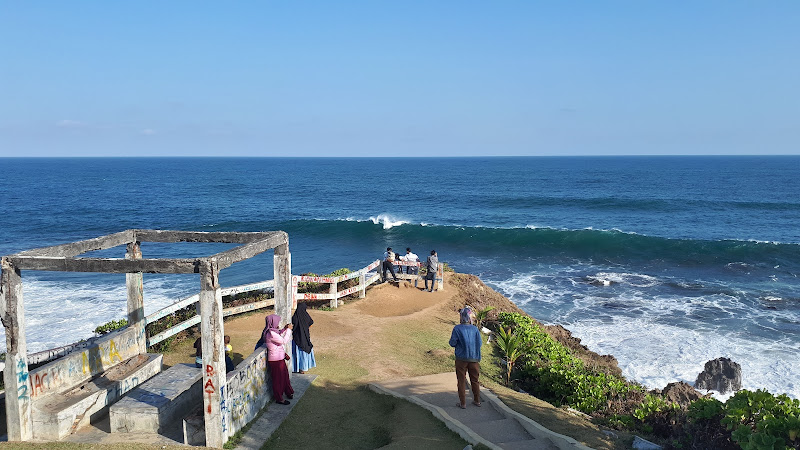
Pantai Karang Tawulan

Ampera Waterpark

Kampung Naga
Find Accommodations Nearby
Recommended Tours & Activities
Visitor Reviews
There are no reviews yet. Be the first one to write one.
Share Your Experience
Have you visited Tasikmalaya Regency? Help other travelers by leaving a review.