

Tambacounda Region
About Tambacounda Region
Description
If you're itching to explore the road less traveled in Senegal, let me tell you: Tambacounda just might be your kind of adventure. People overlook this region (probably because it's not as flashy as the coast or Dakar). Which, honestly, is a big part of its quirky, rugged charm. And I'd argue, it’s this rawness that makes Tambacounda worth a detour for any traveler curious about the soul of Senegal.
Geographically, Tambacounda sprawls across the country's east — in fact, it’s the biggest region in all Senegal, but with fewer folks around than you’d imagine. History buffs, here’s a nugget in your wheelhouse: this place once played a role in the mighty Mali Empire. Stand in a quiet village and you can really feel the echoes of centuries gone by. And yet, Tambacounda is definitely not stuck in the past.
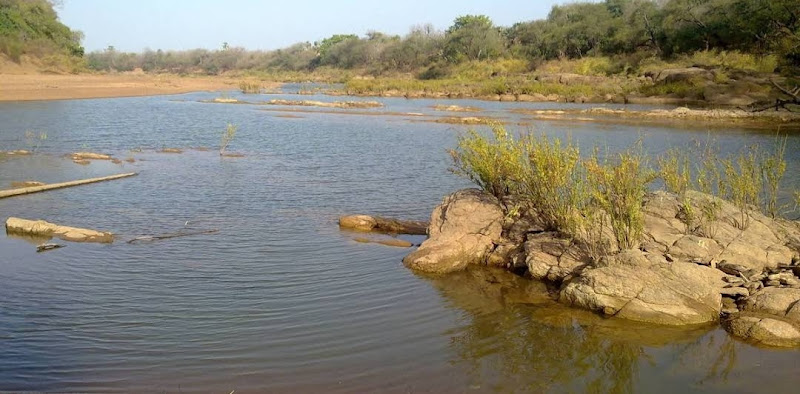
Now, let’s be real. The region's economy hasn't quite caught up with its western siblings, so don’t expect five-star resorts, hipster brunch spots, or all those comforts softening other destinations. Honestly, that’s what gives it its unique flavor. Life’s a bit slower here. The landscapes can be wild, from sweeping savannahs to thick forests that seem to swallow the horizon. There are national parks most tourists haven’t even googled, ancient baobab trees with stories to tell, and small communities where music from the kora or balafon drifts across the night.
What struck me most when I first set foot here wasn’t some grand monument, but the hospitality. You’ll meet folks who’ve seen fewer outsiders, but are usually curious and welcoming. If anything, Tambacounda is a living, breathing reminder that travel, at its heart, is about connection. Don't expect gloss or glamour. What you’ll find here are experiences that stick with you long after you’re gone.
Key Features
- Niokolo-Koba National Park: UNESCO-listed, wildly biodiverse, and spanning almost 9,000 km². Buffalos, lions (if you’re lucky), chimpanzees, hippos, loads of monkeys, hundreds of bird species—you name it. Early mornings on a park safari feel like scenes from a nature documentary, only sweatier.
- Bassari Country & Fouta Djalon Foothills: These remote hills are home to Senegal’s Bassari, Bedik, and Fula people—each with unique traditions. Sometimes, you stumble onto a festival or a ritual, and even as a curious outsider, you’re invited to watch or (sometimes, awkwardly) join.
- Giant Baobab Trees: So many of them dot the horizon like natural monuments. Some are hundreds of years old. You’ll walk past the kind of trees that probably saw the changing of empires.
- Railway Station & Colonial Echoes: The old Dakar-Bamako railway made Tambacounda a crossroads. Visit the worn but atmospheric train station—still a lifeline for many and a spot where locals gather for news and commerce.
- Local Markets: Don’t skip the local markets. Piles of vivid vegetables, buckets of soumbala (strong-smelling, trust me), thieboudienne being cooked street-side. Exuberant, maybe even chaotic, but full of heart.
- Cultural Mosaic: Dozens of languages buzz through the air—Wolof, Pulaar, Mandinka, and a sprinkle of French. Each group adds a different flavor, and festivals can pop up out of the blue.
- Sénégal’s Real “Safari”: This is where you get a glimpse of “wild” Senegal, not just curated exhibits. Sometimes it’s bumpy, sometimes it’s muddy, and sometimes you just have to laugh when the minibus gets stuck (trust me, it happens).
Best Time to Visit
Alright, climate’s a key player. Tambacounda can get hot. I won’t sugarcoat it—it’s a sweatfest from March to June, with temps soaring above 40°C (104°F). Avoid this period unless you’ve got ice in your veins...or, you know, just enjoy sweating buckets.
The sweet spot? November through February. That’s when the dry season chills things out, and the harmattan breeze sometimes dusts everything in a magical golden haze. Plus, it’s prime time for wildlife viewing in Niokolo-Koba, since animals hover near watering holes. If you come in the rainy season (July-October), get ready for lush green scenes but also muddy roads. I once spent an extra day camped out in a village just waiting for a truck to dig itself out—good story now, but bring patience (and snacks).
If you time your visit with local festivals—especially in the Bassari hills—you’ll be rewarded with dazzling masks, drumming, and pure community spirit. Call ahead or check with guides though. Festival calendars seem to change according to whims, the weather, or just good-old word-of-mouth.
How to Get There
Let’s be frank: getting to Tambacounda is half the adventure. The region is a long haul—about 460km east of Dakar. Fly, drive, or (if you like slow adventures) take the train.
By Road: Buses and bush taxis (known as "sept-place") leave Dakar almost daily, winding along a decent if sometimes bumpy highway. It’ll take about 8-10 hours, give or take a delay. If you’ve driven in Africa before and can handle a few potholes, renting a 4x4 gives real freedom—especially if you want to chase parks or head south toward Kédougou. Gas up wherever you can, and don’t count on Google Maps for up-to-the-minute conditions.
By Rail: The old Dakar-Tambacounda-Bamako line was famous, but it's...well, slow and not always reliable. Still, the train is an experience—the views out your window, lively conversations, and the shared sense that you’re all in this together (plus, you might be the only foreigner onboard).
By Air: There’s a small airport with a few scheduled domestic flights, but check the schedules—they can change, and planes don’t run every day. Taxis or town cars will meet flights, but agree on a price beforehand.
Don’t get nervous if it looks a bit chaotic when you first arrive. Most travelers feel a little disoriented, but a few words of French or Wolof, a smile, and some patience go a long way. You'll adjust.
Tips for Visiting
Here’s where I get to play armchair travel coach for a minute. Tambacounda rewards those who prep a bit, pack right, and keep an open mind (and a sense of humor).
- Stay Flexible: Schedules can change on a whim—trains get delayed, rains flood roads, or a local festival extends your plans. Always build in buffer time.
- Pack for Heat & Adventure: Light, long-sleeved clothing helps with both sun and mosquitoes. Bring a headlamp (roads are kinda dark), reusable water bottles (staying hydrated is a must), and backup snacks (trust me on this one).
- Bargain at Markets: Prices can start sky-high for visitors. It’s expected to haggle; just keep it friendly. I once got a kilo of mangoes for half the opening quote, all with a big smile.
- Learn a Few Words: Bonjour goes a long way. Toss in a "nanga def?" (how are you?) in Wolof and watch faces light up. The effort is always appreciated, even if your accent is, well, laughable.
- Get Local Guides for Forests & Parks: Don’t try to wander Niokolo-Koba solo. Local guides know the safe paths, the spots for wildlife, and—importantly—where the hippos hang out.
- Respect Traditions: Many communities are conservative. Dress modestly, ask before photographing folks (especially ceremonies), and listen more than you talk at first.
- Cash is King: Credit card machines are rare except in big hotels. Always carry cash—small bills are best.
- Embrace the Unexpected: The best moments usually aren’t in your itinerary: an invite for tea, a makeshift football match, spotting a herd of antelope on a dusty road at dusk. These serendipities are why you come here.
So, if you’re the intrepid type
Key Features
- Key Features
- Best Time to Visit
- How to Get There
- Tips for Visiting
More Details
Updated June 30, 2025
Table of Contents
Description
If you’re itching to explore the road less traveled in Senegal, let me tell you: Tambacounda just might be your kind of adventure. People overlook this region (probably because it’s not as flashy as the coast or Dakar). Which, honestly, is a big part of its quirky, rugged charm. And I’d argue, it’s this rawness that makes Tambacounda worth a detour for any traveler curious about the soul of Senegal.
Geographically, Tambacounda sprawls across the country’s east — in fact, it’s the biggest region in all Senegal, but with fewer folks around than you’d imagine. History buffs, here’s a nugget in your wheelhouse: this place once played a role in the mighty Mali Empire. Stand in a quiet village and you can really feel the echoes of centuries gone by. And yet, Tambacounda is definitely not stuck in the past.
Now, let’s be real. The region’s economy hasn’t quite caught up with its western siblings, so don’t expect five-star resorts, hipster brunch spots, or all those comforts softening other destinations. Honestly, that’s what gives it its unique flavor. Life’s a bit slower here. The landscapes can be wild, from sweeping savannahs to thick forests that seem to swallow the horizon. There are national parks most tourists haven’t even googled, ancient baobab trees with stories to tell, and small communities where music from the kora or balafon drifts across the night.
What struck me most when I first set foot here wasn’t some grand monument, but the hospitality. You’ll meet folks who’ve seen fewer outsiders, but are usually curious and welcoming. If anything, Tambacounda is a living, breathing reminder that travel, at its heart, is about connection. Don’t expect gloss or glamour. What you’ll find here are experiences that stick with you long after you’re gone.
Key Features
- Niokolo-Koba National Park: UNESCO-listed, wildly biodiverse, and spanning almost 9,000 km². Buffalos, lions (if you’re lucky), chimpanzees, hippos, loads of monkeys, hundreds of bird species—you name it. Early mornings on a park safari feel like scenes from a nature documentary, only sweatier.
- Bassari Country & Fouta Djalon Foothills: These remote hills are home to Senegal’s Bassari, Bedik, and Fula people—each with unique traditions. Sometimes, you stumble onto a festival or a ritual, and even as a curious outsider, you’re invited to watch or (sometimes, awkwardly) join.
- Giant Baobab Trees: So many of them dot the horizon like natural monuments. Some are hundreds of years old. You’ll walk past the kind of trees that probably saw the changing of empires.
- Railway Station & Colonial Echoes: The old Dakar-Bamako railway made Tambacounda a crossroads. Visit the worn but atmospheric train station—still a lifeline for many and a spot where locals gather for news and commerce.
- Local Markets: Don’t skip the local markets. Piles of vivid vegetables, buckets of soumbala (strong-smelling, trust me), thieboudienne being cooked street-side. Exuberant, maybe even chaotic, but full of heart.
- Cultural Mosaic: Dozens of languages buzz through the air—Wolof, Pulaar, Mandinka, and a sprinkle of French. Each group adds a different flavor, and festivals can pop up out of the blue.
- Sénégal’s Real “Safari”: This is where you get a glimpse of “wild” Senegal, not just curated exhibits. Sometimes it’s bumpy, sometimes it’s muddy, and sometimes you just have to laugh when the minibus gets stuck (trust me, it happens).
Best Time to Visit
Alright, climate’s a key player. Tambacounda can get hot. I won’t sugarcoat it—it’s a sweatfest from March to June, with temps soaring above 40°C (104°F). Avoid this period unless you’ve got ice in your veins…or, you know, just enjoy sweating buckets.
The sweet spot? November through February. That’s when the dry season chills things out, and the harmattan breeze sometimes dusts everything in a magical golden haze. Plus, it’s prime time for wildlife viewing in Niokolo-Koba, since animals hover near watering holes. If you come in the rainy season (July-October), get ready for lush green scenes but also muddy roads. I once spent an extra day camped out in a village just waiting for a truck to dig itself out—good story now, but bring patience (and snacks).
If you time your visit with local festivals—especially in the Bassari hills—you’ll be rewarded with dazzling masks, drumming, and pure community spirit. Call ahead or check with guides though. Festival calendars seem to change according to whims, the weather, or just good-old word-of-mouth.
How to Get There
Let’s be frank: getting to Tambacounda is half the adventure. The region is a long haul—about 460km east of Dakar. Fly, drive, or (if you like slow adventures) take the train.
By Road: Buses and bush taxis (known as “sept-place”) leave Dakar almost daily, winding along a decent if sometimes bumpy highway. It’ll take about 8-10 hours, give or take a delay. If you’ve driven in Africa before and can handle a few potholes, renting a 4×4 gives real freedom—especially if you want to chase parks or head south toward Kédougou. Gas up wherever you can, and don’t count on Google Maps for up-to-the-minute conditions.
By Rail: The old Dakar-Tambacounda-Bamako line was famous, but it’s…well, slow and not always reliable. Still, the train is an experience—the views out your window, lively conversations, and the shared sense that you’re all in this together (plus, you might be the only foreigner onboard).
By Air: There’s a small airport with a few scheduled domestic flights, but check the schedules—they can change, and planes don’t run every day. Taxis or town cars will meet flights, but agree on a price beforehand.
Don’t get nervous if it looks a bit chaotic when you first arrive. Most travelers feel a little disoriented, but a few words of French or Wolof, a smile, and some patience go a long way. You’ll adjust.
Tips for Visiting
Here’s where I get to play armchair travel coach for a minute. Tambacounda rewards those who prep a bit, pack right, and keep an open mind (and a sense of humor).
- Stay Flexible: Schedules can change on a whim—trains get delayed, rains flood roads, or a local festival extends your plans. Always build in buffer time.
- Pack for Heat & Adventure: Light, long-sleeved clothing helps with both sun and mosquitoes. Bring a headlamp (roads are kinda dark), reusable water bottles (staying hydrated is a must), and backup snacks (trust me on this one).
- Bargain at Markets: Prices can start sky-high for visitors. It’s expected to haggle; just keep it friendly. I once got a kilo of mangoes for half the opening quote, all with a big smile.
- Learn a Few Words: Bonjour goes a long way. Toss in a “nanga def?” (how are you?) in Wolof and watch faces light up. The effort is always appreciated, even if your accent is, well, laughable.
- Get Local Guides for Forests & Parks: Don’t try to wander Niokolo-Koba solo. Local guides know the safe paths, the spots for wildlife, and—importantly—where the hippos hang out.
- Respect Traditions: Many communities are conservative. Dress modestly, ask before photographing folks (especially ceremonies), and listen more than you talk at first.
- Cash is King: Credit card machines are rare except in big hotels. Always carry cash—small bills are best.
- Embrace the Unexpected: The best moments usually aren’t in your itinerary: an invite for tea, a makeshift football match, spotting a herd of antelope on a dusty road at dusk. These serendipities are why you come here.
So, if you’re the intrepid type
Key Highlights
- Key Features
- Best Time to Visit
- How to Get There
- Tips for Visiting
Location
Places to Stay Near Tambacounda Region
Find and Book a Tour
Explore More Travel Guides
No reviews found! Be the first to review!
Traveler Reviews for Tambacounda Region
There are no reviews yet. Be the first one to write one.
Have you visited Tambacounda Region? Help other travelers by sharing your review.
You Might Also Like

Find Accommodations Nearby
Recommended Tours & Activities
Visitor Reviews
There are no reviews yet. Be the first one to write one.
Share Your Experience
Have you visited Tambacounda Region? Help other travelers by leaving a review.