Description
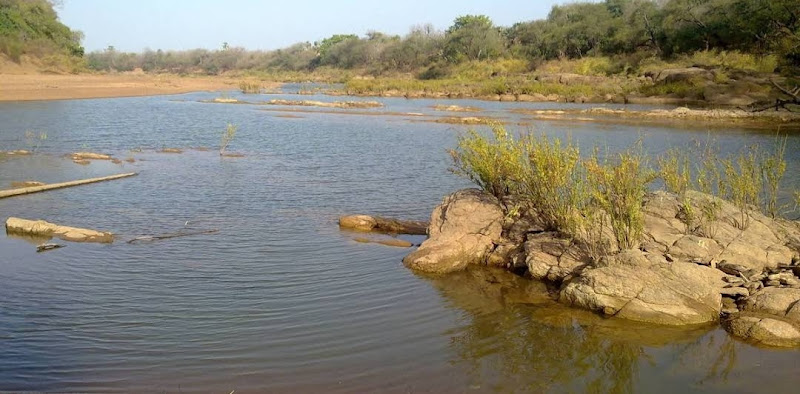
Established in 1985, this national park sprawls across southern Senegal, not far from the border with Guinea. Its sheer scale—over 9,000 square kilometers—means you’re wandering through all kinds of biomes: dense gallery forests, open savannas, wetlands, and tangled bushland. That diversity brings out an array of creatures, including several endangered species you won’t easily spot elsewhere (African elephants, Derby’s eland, even the critically elusive West African lion). Now, I’ve been to parks that feel a bit like glorified zoos, but there’s nothing curated or predictable about Niokolo-Koba. Honestly, you could drive all day and not see another human, and just suddenly stumble upon a gathering of warthogs or baboons. Or a bird you can’t even identify—there are over 300 species flitting around, from kingfishers darting over the Gambia River to vulturine guineafowl on dry land.
But wait, Niokolo-Koba isn’t just about jaw-dropping wildlife. There’s surprisingly a solid infrastructure, considering how off-the-map it feels. You’ve got accessible entrances, actual hikeable trails, barbecue spots for a midday feast (believe me, there’s nothing more satisfying after a long trek through the hot bush than grilling your lunch in the fresh air), plus playgrounds and picnic areas if you’re wrangling kids—or adults who act like kids. The park’s got a quirky setup: basketball courts next to wild bush, skateboarding areas within earshot of hooting monkeys, dog-friendly trails that let your four-legged pals frolic with abandon, and even shady swing sets for a midday break. You don’t have to ditch comfort for adventure here, which I totally appreciate.
Now, full disclosure—not every visit is a wild success. Some folks walk away enthralled, others grumble that they went hours without seeing much at all. That unpredictability? It’s all part of the wild charm. Is it perfectly curated? No. Is it raw and real and sometimes absolutely mind-boggling? Absolutely. No matter what side of the fence you land on, Niokolo-Koba will leave you with a story.
Key Features
- Vast range of landscapes, including forest, savanna, floodplains, and rolling hills
- Home to over 80 species of mammals—think: chimpanzees, leopards, hyenas, antelope, warthogs, crocodiles, and (if you’re lucky!) the rare Derby’s eland
- Huge birdwatching opportunities—300+ bird species, from giant ground hornbills to bee-eaters
- Wheelchair-accessible entrances & restrooms to support all visitors
- Dedicated playgrounds, kid-friendly trails, and a skateboarding area—kids, teens, or just the young at heart
- Pet-friendly with a dog park and stretches where leashed pups can join your hike (seriously, it’s a real treat if you’re traveling with your dog)
- Grill & picnic facilities throughout for that classic wilderness cookout
- Sports amenities, with a basketball court tucked alongside the great outdoors
- Network of hiking trails, ranging from short loops for families to all-day adventures for serious trekkers
- Good for group outings, solo travels, or even (I kid you not) unique birthday celebrations in the wild—bring your own cake!
Best Time to Visit
Alright, let’s not sugarcoat it—timing is everything at Niokolo-Koba. Senegal is defined by its dry and rainy seasons, and they massively change the game when it comes to wildlife-watching and just enjoying the park. If you’re itching for those classic bush drives with the best chance of seeing large mammals, set your sights on the dry season, which runs from November through May. That’s when life clusters near the water sources—critters, birds, even the plant life puts on a show. Rivers shrink, making it so much easier to spot animals coming down for a drink.
Now, if you come in the rainy season (June to October), well, you’ll trade easy wildlife sightings for wild, lush greenery. I’ll be honest—the park can get trickier to navigate, with some less accessible roads. But the atmosphere? Primal, dramatic, alive. There’s a sort of magic in seeing hippos wallow in swollen rivers as rain thunders overhead. I once visited after an early season rainstorm, and the air was sparkling clean, the road was muddy but alive with footprints. Still, if your heart’s set on photography or seeing as much wildlife as possible, dry season wins out.
How to Get There
Getting to Niokolo-Koba isn’t just a road trip; it’s an adventure that kicks off before you even step foot in the park. The closest major city is Tambacounda, which sits as a handy gateway about 80 km (give or take) to the park’s main entrance. From Dakar, Senegal’s capital, you’re looking at an 8 to 10-hour drive—yep, it’s a haul, but the countryside along the way is simply wild, dotted with baobabs and tiny villages.
Your options are a bit varied, depending how you like to travel. If you’re flying, land at Blaise Diagne International Airport in Dakar, then either rent a car or hop on a bus or minivan (known as a “sept-place”—personal favorite for those who want local flavor and aren’t too fussy about comfort). If you’ve got time and like road journeys, the train from Dakar to Tambacounda is its own kind of adventure—slow but endlessly fascinating for people-watching and window-gawking.
Once in Tambacounda, you can grab a 4×4—essential for much of the park, honestly, as the tracks can get gnarly—and make your way to the main gate. Some eco-lodges and tour guides based in the city offer packages with transfers. If you prefer guided experiences or group tours, book in advance (trust me, slots fill up, and there’s not exactly an abundance of last-minute options). GPS will only get you so far out here, so double check with locals before heading deep into the bush.
Tips for Visiting
Now, as someone who’s spent way too long bumping along dusty roads and arguing with GPS in strange places, I can promise a Niokolo-Koba trip will be that story you tell friends over a beer for years. But there are a few tricks and tips you’ll want up your sleeve to make the most of your experience.
- Bring binoculars. Seriously, don’t forget them. Some of the best animal sightings happen at a distance, on shimmering savanna or nestled in trees.
- Hire a local guide if you can swing it. Their eyes are sharper than any safari brochure. Plus, they’re storytellers, and you’ll leave with insider tales you’d never hear otherwise.
- Pack extra water, snacks, and sunscreen—shade is rare, and you really work up an appetite (and thirst) on those hot ambles.
- Take it slow. Don’t try to see the whole park in a day. The beauty is in letting the wild soak into you, not in racing from landmark to landmark.
- Keep your expectations flexible. Sometimes you’ll see lions; sometimes, you’ll spend the morning spotting butterflies and tracking duiker prints with your kids. Both are worth savoring.
- Mosquito repellent is non-negotiable, especially during and just after the rains. Don’t let bugs cut your adventure short.
- If bringing kids, the playgrounds and shorter trails are a true blessing. Let them burn off steam while you rest under a tree with a cold drink.
- Photo tip: early mornings and late afternoons have the best golden light—and fewer crowds or day-trippers. Plus, that’s when the animals are on the move.
- If you’re traveling with pets, check which zones are open to dogs and respect wildlife boundaries. Your furry friend and the local fauna will thank you.
- Double-check weather and road conditions before arriving, particularly late in rainy season. Sudden washouts can (and do!) close roads unexpectedly.
- Be patient and keep your sense of humor. Whether it’s a flat tire, a baboon stealing your lunch, or an afternoon rainstorm, those crazy moments become the best stories.
</