
Tagum
About Tagum
Description
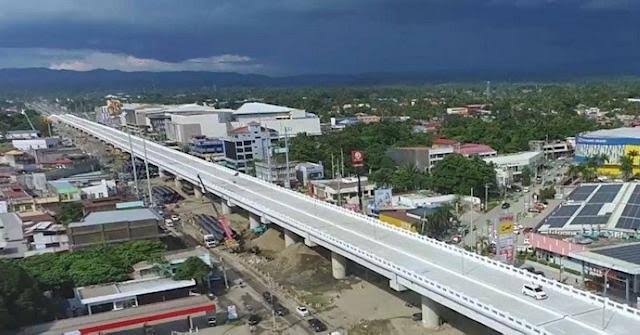
Tagum, officially known as the City of Tagum, is a lively and ever-evolving city in the province of Davao del Norte, Philippines. It’s the kind of place that quietly surprises you — not because it’s flashy or overly commercial, but because it has this grounded charm that feels both local and progressive at the same time. With a population of over 300,000 (as of 2024), it stands as the most populous component city in Mindanao, and honestly, you can feel that energy the moment you arrive. There’s a pulse here — a mix of commerce, culture, and community that makes you want to linger a little longer than planned. You’ll find Tagum about 55 kilometers north of Davao City, making it an easy addition to any Mindanao itinerary. It’s known for its coconut and banana plantations, its grand festivals, and that undeniable warmth of the people — the kind that makes you feel like you’ve been part of the neighborhood forever. The city has grown into a hub for trade, education, and tourism, but it hasn’t lost touch with its roots. You still see farmers selling fresh produce by the roadside, children playing in open fields, and locals gathering in the plaza for evening strolls. What’s interesting is how Tagum balances its modern side with its laid-back provincial vibe. The city hall, for example, is a striking piece of architecture that mirrors Tagum’s progress, while nearby, you’ll find the laid-back parks and open spaces where families unwind. I remember sitting one late afternoon at the Energy Park, watching the sky turn gold as locals jogged past — it’s simple moments like that which make you realize how underrated this city really is.
Key Features
- Festivals Galore: Tagum is known as the “City of Festivals,” hosting over a dozen celebrations each year — from the Musikahan Festival that fills the streets with marching bands and live performances, to the Banana Festival that honors the city’s agricultural roots.
- Cultural Landmarks: The New City Hall of Tagum is a modern architectural gem, symbolizing the city’s growth and governance. It’s also one of the most photographed spots in the region.
- Eco and Adventure Spots: The Energy Park (or E-Park) is a local favorite — perfect for biking, running, or simply watching the sunset. There’s also Banana Beach, just a short drive away, where you can relax by the shore surrounded by lush plantations.
- Community Spirit: Tagum’s people are its soul. Whether you’re buying fruit at the market or chatting with a tricycle driver, you’ll feel that genuine hospitality Mindanao is famous for.
- Music and Arts Scene: The city’s love for music is legendary. It’s home to some of the best marching bands in the Philippines, and you’ll often hear live performances echoing through the plaza on weekends.
- Accessibility: Its proximity to Davao City makes it a convenient base for exploring nearby destinations without the chaos of a big city.
Best Time to Visit
If you’re planning a trip, timing it with one of Tagum’s major festivals is a great idea. The Musikahan Festival usually happens around February or March, and it’s one of those events that truly capture the city’s spirit — music, parades, food stalls, and endless smiles. But if you prefer a quieter visit, the dry months from December to May are perfect. You’ll get plenty of sunshine for outdoor activities, and the roads are generally in good shape for day trips. I once visited in April, and though the afternoons were warm, the evenings were just right — a soft breeze, the smell of grilled street food wafting through the air, and locals chatting in parks. It’s the kind of weather that makes you want to slow down and just enjoy the moment. Rainy months (June to October) can be unpredictable, but they also bring out the lush greenery that makes the countryside so photogenic.
How to Get There
Getting to Tagum is surprisingly easy. If you’re flying in, the nearest major airport is Francisco Bangoy International Airport in Davao City. From there, it’s about an hour-and-a-half drive north to Tagum via the Pan-Philippine Highway. Buses, vans, and private transfers run regularly, and the roads are well-maintained. If you’re coming from other parts of Mindanao, the city is well-connected by land routes. Buses from Cagayan de Oro, Butuan, and General Santos make Tagum an accessible stopover for travelers exploring the region. And honestly, the drive itself is part of the experience — rolling hills, banana plantations, and the occasional roadside fruit stand selling sweet pineapples and durian. Once you’re in the city, getting around is easy. Tricycles are the main mode of transport, and they’re everywhere. You can also rent a motorcycle or car if you plan to explore the outskirts. The nice thing is, traffic here is relatively light compared to bigger cities, so you can move around without much hassle.
Tips for Visiting
Here’s where a bit of local insight goes a long way. First off, bring cash. While some establishments accept cards, many local eateries and shops still prefer cash transactions. ATMs are available, but it’s better to have small bills handy, especially when buying from markets or roadside stalls. Second, if you’re visiting during festival season, book your accommodation early. Hotels and inns fill up fast, and prices can spike a bit. I learned this the hard way when I had to settle for a small guesthouse on the outskirts — charming, yes, but a bit far from the main events. Third, don’t skip the local food. Try the grilled tuna belly, kinilaw (a local ceviche), and the sweet delicacies made from coconut and banana — they’re everywhere, and they’re delicious. If you’re adventurous, go for the durian ice cream — it’s an acquired taste, but one you won’t forget. Also, be ready for spontaneous moments. Tagum is one of those cities where something’s always happening — a local concert, a night market, or a community event. Keep your evenings free to wander and explore. Lastly, respect the local culture. People here are friendly and welcoming, but they also value humility and courtesy. A simple smile or a polite “Salamat” (thank you) goes a long way. Tagum may not be on every traveler’s radar yet, but that’s exactly what makes it special. It’s a city that grows on you — one conversation, one meal, one sunset at a time. And when you finally leave, you’ll catch yourself thinking, “I’ll come back.” Because chances are, you will.
Key Features
- Key Features
- Best Time to Visit
- How to Get There
- Tips for Visiting
More Details
Updated November 9, 2025
Table of Contents
Description
Tagum, officially known as the City of Tagum, is a lively and ever-evolving city in the province of Davao del Norte, Philippines. It’s the kind of place that quietly surprises you — not because it’s flashy or overly commercial, but because it has this grounded charm that feels both local and progressive at the same time. With a population of over 300,000 (as of 2024), it stands as the most populous component city in Mindanao, and honestly, you can feel that energy the moment you arrive. There’s a pulse here — a mix of commerce, culture, and community that makes you want to linger a little longer than planned.
You’ll find Tagum about 55 kilometers north of Davao City, making it an easy addition to any Mindanao itinerary. It’s known for its coconut and banana plantations, its grand festivals, and that undeniable warmth of the people — the kind that makes you feel like you’ve been part of the neighborhood forever. The city has grown into a hub for trade, education, and tourism, but it hasn’t lost touch with its roots. You still see farmers selling fresh produce by the roadside, children playing in open fields, and locals gathering in the plaza for evening strolls.
What’s interesting is how Tagum balances its modern side with its laid-back provincial vibe. The city hall, for example, is a striking piece of architecture that mirrors Tagum’s progress, while nearby, you’ll find the laid-back parks and open spaces where families unwind. I remember sitting one late afternoon at the Energy Park, watching the sky turn gold as locals jogged past — it’s simple moments like that which make you realize how underrated this city really is.
Key Features
- Festivals Galore: Tagum is known as the “City of Festivals,” hosting over a dozen celebrations each year — from the Musikahan Festival that fills the streets with marching bands and live performances, to the Banana Festival that honors the city’s agricultural roots.
- Cultural Landmarks: The New City Hall of Tagum is a modern architectural gem, symbolizing the city’s growth and governance. It’s also one of the most photographed spots in the region.
- Eco and Adventure Spots: The Energy Park (or E-Park) is a local favorite — perfect for biking, running, or simply watching the sunset. There’s also Banana Beach, just a short drive away, where you can relax by the shore surrounded by lush plantations.
- Community Spirit: Tagum’s people are its soul. Whether you’re buying fruit at the market or chatting with a tricycle driver, you’ll feel that genuine hospitality Mindanao is famous for.
- Music and Arts Scene: The city’s love for music is legendary. It’s home to some of the best marching bands in the Philippines, and you’ll often hear live performances echoing through the plaza on weekends.
- Accessibility: Its proximity to Davao City makes it a convenient base for exploring nearby destinations without the chaos of a big city.
Best Time to Visit
If you’re planning a trip, timing it with one of Tagum’s major festivals is a great idea. The Musikahan Festival usually happens around February or March, and it’s one of those events that truly capture the city’s spirit — music, parades, food stalls, and endless smiles. But if you prefer a quieter visit, the dry months from December to May are perfect. You’ll get plenty of sunshine for outdoor activities, and the roads are generally in good shape for day trips.
I once visited in April, and though the afternoons were warm, the evenings were just right — a soft breeze, the smell of grilled street food wafting through the air, and locals chatting in parks. It’s the kind of weather that makes you want to slow down and just enjoy the moment. Rainy months (June to October) can be unpredictable, but they also bring out the lush greenery that makes the countryside so photogenic.
How to Get There
Getting to Tagum is surprisingly easy. If you’re flying in, the nearest major airport is Francisco Bangoy International Airport in Davao City. From there, it’s about an hour-and-a-half drive north to Tagum via the Pan-Philippine Highway. Buses, vans, and private transfers run regularly, and the roads are well-maintained.
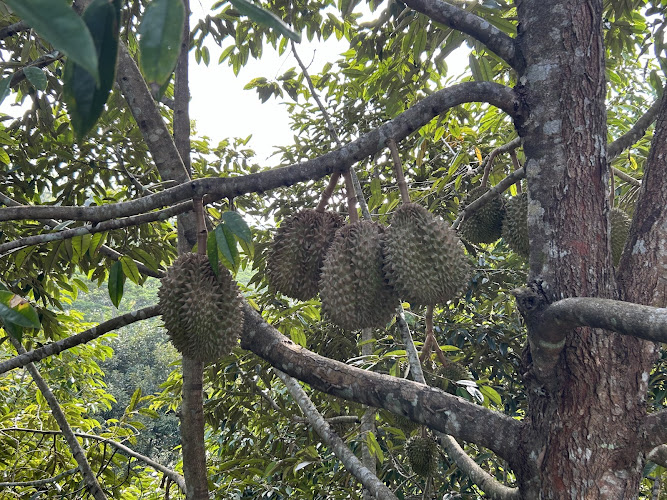
If you’re coming from other parts of Mindanao, the city is well-connected by land routes. Buses from Cagayan de Oro, Butuan, and General Santos make Tagum an accessible stopover for travelers exploring the region. And honestly, the drive itself is part of the experience — rolling hills, banana plantations, and the occasional roadside fruit stand selling sweet pineapples and durian.
Once you’re in the city, getting around is easy. Tricycles are the main mode of transport, and they’re everywhere. You can also rent a motorcycle or car if you plan to explore the outskirts. The nice thing is, traffic here is relatively light compared to bigger cities, so you can move around without much hassle.
Tips for Visiting
Here’s where a bit of local insight goes a long way. First off, bring cash. While some establishments accept cards, many local eateries and shops still prefer cash transactions. ATMs are available, but it’s better to have small bills handy, especially when buying from markets or roadside stalls.
Second, if you’re visiting during festival season, book your accommodation early. Hotels and inns fill up fast, and prices can spike a bit. I learned this the hard way when I had to settle for a small guesthouse on the outskirts — charming, yes, but a bit far from the main events.
Third, don’t skip the local food. Try the grilled tuna belly, kinilaw (a local ceviche), and the sweet delicacies made from coconut and banana — they’re everywhere, and they’re delicious. If you’re adventurous, go for the durian ice cream — it’s an acquired taste, but one you won’t forget.
Also, be ready for spontaneous moments. Tagum is one of those cities where something’s always happening — a local concert, a night market, or a community event. Keep your evenings free to wander and explore.
Lastly, respect the local culture. People here are friendly and welcoming, but they also value humility and courtesy. A simple smile or a polite “Salamat” (thank you) goes a long way.
Tagum may not be on every traveler’s radar yet, but that’s exactly what makes it special. It’s a city that grows on you — one conversation, one meal, one sunset at a time. And when you finally leave, you’ll catch yourself thinking, “I’ll come back.” Because chances are, you will.
Key Highlights
- Key Features
- Best Time to Visit
- How to Get There
- Tips for Visiting
Location
Places to Stay Near Tagum
Find and Book a Tour
Explore More Travel Guides
No reviews found! Be the first to review!
Traveler Reviews for Tagum
There are no reviews yet. Be the first one to write one.
Have you visited Tagum? Help other travelers by sharing your review.
You Might Also Like
El ROI Ridge

Tamondong

Tagum City Historical & Cultural Center
Find Accommodations Nearby
Recommended Tours & Activities
Visitor Reviews
There are no reviews yet. Be the first one to write one.
Share Your Experience
Have you visited Tagum? Help other travelers by leaving a review.