
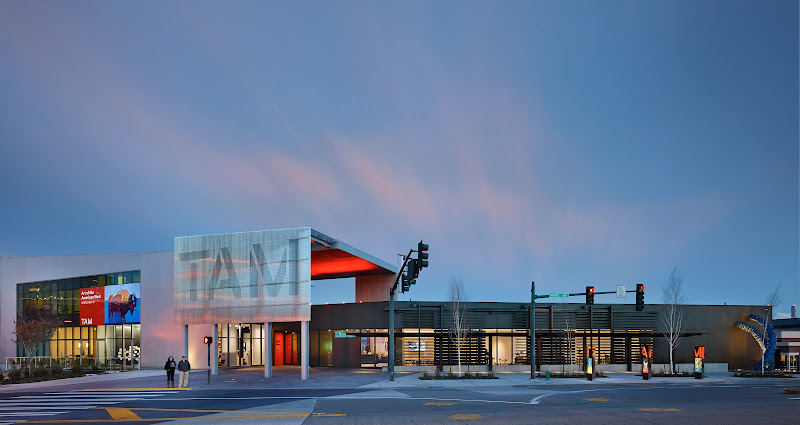
Tacoma Art Museum
About Tacoma Art Museum
Description
The Tacoma Art Museum sits as a serious champion of regional and national art, and it greets visitors with a mix of quiet galleries and some straight-up showstoppers. The collection highlights glass works by Dale Chihuly, a strong holding of American art, European Impressionism, and an appealing array of Japanese prints. In practice, that means one moment a visitor is leaning in to study a delicate woodblock print, the next moment they pause under a wild glass installation that seems to sparkle even under museum lighting. It’s a nice contrast—calm intimacy and big visual theater—served in the same building.
The museum has built a reputation for its commitment to Pacific Northwest artists, so expect to see works that reference place: coastal light, forest lines, the odd maritime subject, and pieces that reflect local communities. Also notable is the Haub family collection and other important acquisitions that strengthen its western and American holdings. People who come for Chihuly often stay for the regional story; the museum weaves these threads together so the whole visit reads like a small, thoughtful guide to art in and beyond Washington state.
Architecturally the space feels approachable. Galleries are arranged so visitors can move from permanent collection to rotating exhibitions without losing their bearings. And because the museum serves as an arts organization, it does more than hang paintings: there are live performances, educational programs, and hands-on events that frequently change the atmosphere—from hushed contemplation to lively engagement. That dynamic keeps repeat visits interesting; the building rarely feels static.
For travelers planning a stop, practical things matter and the museum ticks a lot of boxes. On-site amenities include a café for light bites and coffee, a gift shop stocked with prints and locally made goods, and a restaurant area for a longer sit-down break. It offers tours and has assisted listening devices for programs. Accessibility has been thoughtfully addressed: there is a wheelchair-accessible entrance, accessible restrooms, wheelchair rental, and parking options including an on-site lot, paid lots, and metered street parking. Families are welcomed—children-friendly exhibits and programming are part of the regular schedule—so it’s not just a place for art-world insiders.
Visitors often report that a good visit takes about 90 minutes to two hours if they’re browsing the permanent collection and a single special exhibition; add more if there’s a performance or a workshop. The rhythm works well for travelers who want a cultural stop over lunch or those who plan an afternoon exploring downtown Tacoma and nearby museums. And because the museum runs changing exhibitions, there’s often an element of surprise—sometimes contemporary installations, other times focused historical displays—so returning visitors will find new reasons to come back.
One of the lesser-known perks: the museum’s programming sometimes includes community-driven projects and collaborations with local artists and schools. That means on certain days a visitor might catch a gallery talk led by a regional artist, a live music set, or a hands-on studio pop-up where families can try simple crafts inspired by the collection. These moments give the place an immediacy that can be unexpectedly rewarding; it makes the museum feel connected to the city rather than an isolated cultural island.
Pricing is typical of a nonprofit art museum—there is an admission fee—but there are occasional free or discounted days. The staff tends to be friendly and helpful; volunteers and docents give context without being overbearing. For those who care about the tech side, Wi‑Fi is available and the museum’s labeling and gallery notes are generally clear, with extra interpretive material for major pieces.
In short, the Tacoma Art Museum offers a layered experience: strong permanent collections, memorable glass and American works, consistent support for Pacific Northwest artists, and programming that opens the doors to performance and participation. It’s well-suited to travelers who appreciate both big, photogenic installations and quieter, textural works—people who like their museum visits to combine artistry, place-based storytelling, and occasional surprises. If one thing stands out, it’s this: the museum manages to be both educational and unexpectedly playful, which makes it a smart, satisfying stop while exploring Tacoma.
Key Features
More Details
Updated August 30, 2025
Table of Contents
Description
The Tacoma Art Museum sits as a serious champion of regional and national art, and it greets visitors with a mix of quiet galleries and some straight-up showstoppers. The collection highlights glass works by Dale Chihuly, a strong holding of American art, European Impressionism, and an appealing array of Japanese prints. In practice, that means one moment a visitor is leaning in to study a delicate woodblock print, the next moment they pause under a wild glass installation that seems to sparkle even under museum lighting. It’s a nice contrast—calm intimacy and big visual theater—served in the same building.
The museum has built a reputation for its commitment to Pacific Northwest artists, so expect to see works that reference place: coastal light, forest lines, the odd maritime subject, and pieces that reflect local communities. Also notable is the Haub family collection and other important acquisitions that strengthen its western and American holdings. People who come for Chihuly often stay for the regional story; the museum weaves these threads together so the whole visit reads like a small, thoughtful guide to art in and beyond Washington state.
Architecturally the space feels approachable. Galleries are arranged so visitors can move from permanent collection to rotating exhibitions without losing their bearings. And because the museum serves as an arts organization, it does more than hang paintings: there are live performances, educational programs, and hands-on events that frequently change the atmosphere—from hushed contemplation to lively engagement. That dynamic keeps repeat visits interesting; the building rarely feels static.
For travelers planning a stop, practical things matter and the museum ticks a lot of boxes. On-site amenities include a café for light bites and coffee, a gift shop stocked with prints and locally made goods, and a restaurant area for a longer sit-down break. It offers tours and has assisted listening devices for programs. Accessibility has been thoughtfully addressed: there is a wheelchair-accessible entrance, accessible restrooms, wheelchair rental, and parking options including an on-site lot, paid lots, and metered street parking. Families are welcomed—children-friendly exhibits and programming are part of the regular schedule—so it’s not just a place for art-world insiders.
Visitors often report that a good visit takes about 90 minutes to two hours if they’re browsing the permanent collection and a single special exhibition; add more if there’s a performance or a workshop. The rhythm works well for travelers who want a cultural stop over lunch or those who plan an afternoon exploring downtown Tacoma and nearby museums. And because the museum runs changing exhibitions, there’s often an element of surprise—sometimes contemporary installations, other times focused historical displays—so returning visitors will find new reasons to come back.
One of the lesser-known perks: the museum’s programming sometimes includes community-driven projects and collaborations with local artists and schools. That means on certain days a visitor might catch a gallery talk led by a regional artist, a live music set, or a hands-on studio pop-up where families can try simple crafts inspired by the collection. These moments give the place an immediacy that can be unexpectedly rewarding; it makes the museum feel connected to the city rather than an isolated cultural island.
Pricing is typical of a nonprofit art museum—there is an admission fee—but there are occasional free or discounted days. The staff tends to be friendly and helpful; volunteers and docents give context without being overbearing. For those who care about the tech side, Wi‑Fi is available and the museum’s labeling and gallery notes are generally clear, with extra interpretive material for major pieces.
In short, the Tacoma Art Museum offers a layered experience: strong permanent collections, memorable glass and American works, consistent support for Pacific Northwest artists, and programming that opens the doors to performance and participation. It’s well-suited to travelers who appreciate both big, photogenic installations and quieter, textural works—people who like their museum visits to combine artistry, place-based storytelling, and occasional surprises. If one thing stands out, it’s this: the museum manages to be both educational and unexpectedly playful, which makes it a smart, satisfying stop while exploring Tacoma.
Key Highlights
Tacoma Art Museum
Location
Places to Stay Near Tacoma Art Museum
Find and Book a Tour
Explore More Travel Guides
No reviews found! Be the first to review!
Traveler Reviews for Tacoma Art Museum
There are no reviews yet. Be the first one to write one.
Have you visited Tacoma Art Museum? Help other travelers by sharing your review.
You Might Also Like

Old Town Park

Ruston Way Park
Foss Waterway Seaport
Find Accommodations Nearby
Recommended Tours & Activities
Visitor Reviews
There are no reviews yet. Be the first one to write one.
Share Your Experience
Have you visited Tacoma Art Museum? Help other travelers by leaving a review.