

Sunyani Zongo
About Sunyani Zongo
Description
I recently spent time exploring Sunyani Zongo, one of Ghana's most fascinating yet overlooked neighborhoods. This traditional Muslim quarter showcases the rich cultural heritage and daily life of Sunyani's Islamic community. The narrow, winding streets lead you through a maze of traditional mud-brick houses adorned with intricate geometric patterns - it's honestly like stepping into another world. The architecture here tells stories of generations past, with many buildings maintaining their original character despite modern influences creeping in. What really struck me was how the neighborhood comes alive with energy during the call to prayer, when the beautiful central mosque becomes a focal point of community gathering. The sounds, scents, and sights create an atmosphere that's totally different from what you'll find in other parts of Sunyani.Key Features
• The grand central mosque with its distinctive architectural style • Traditional mud-brick houses showcasing authentic Zongo architecture • Local artisans crafting traditional items and textiles • Small markets selling traditional herbs, spices, and Islamic items • Community gathering spaces where elders share stories • Prayer call towers that punctuate the skyline • Narrow alleyways revealing hidden courtyards • Traditional food vendors preparing authentic Northern Ghanaian dishesBest Time to Visit
My personal experience suggests that the ideal time to explore Sunyani Zongo is during the dry season, between November and March. The weather's more predictable then, and you won't have to worry about sudden downpours turning the unpaved streets into mud. But honestly? The most magical time to visit is during Islamic festivals like Eid al-Fitr or Eid al-Adha. That's when the whole neighborhood transforms into this incredible celebration of faith and community. Early mornings are particularly special - you'll catch the community coming alive as vendors set up their stalls and the first call to prayer echoes through the streets. Just keep in mind that Friday afternoons are particularly busy due to Jumu'ah prayers.How to Get There
Getting to Sunyani Zongo isn't complicated, but it does require some local know-how. From central Sunyani, shared taxis regularly head toward the neighborhood - any local can point you in the right direction. If you're driving yourself, the roads leading to the area are fairly well-marked, though parking can be tricky in the narrow streets. I'd recommend taking a taxi your first time - the drivers usually know exactly where to drop you off near the central mosque, which serves as a good starting point for exploring the area. And trust me on this one - download an offline map before you go, as the winding streets can get a bit confusing for first-time visitors.Tips for Visiting
From my multiple visits to Sunyani Zongo, I've learned a few things that might make your experience more enjoyable. First off, dress modestly - this is a conservative Muslim community, so covering shoulders and knees is just basic respect. Ladies, bringing a scarf along is a good idea, especially if you plan to visit the mosque. Try to time your visit around prayer times if you want to experience the neighborhood at its most authentic. But remember to be respectful during prayer times - avoid taking photos of worshippers and maintain a respectful distance from the mosque entrance. The food here is amazing - don't miss trying some traditional Northern Ghanaian dishes from the local vendors. I particularly love the waakye and tuo zaafi they serve here. But bring cash - most places don't accept cards. Speaking of money, while most folks here are incredibly welcoming, it's polite to ask permission before taking photos, especially of people or private homes. Sometimes, a small tip might be expected if you're photographing artisans or their work. Learning a few basic Hausa greetings can go a long way in breaking the ice with locals. Even a simple "Sannu" (hello) can spark wonderful conversations and lead to unexpected discoveries in this fascinating corner of Sunyani. And yes, while it's perfectly safe during the day, I'd suggest wrapping up your visit before sunset unless you're with a local guide. The streets can be hard to navigate in the dark, and most community activities wind down after dusk anyway. One last tip from personal experience - the best way to explore is simply to wander. Some of my favorite discoveries here happened when I wasn't looking for anything in particular. Just keep an open mind, be respectful, and let the rhythm of daily life in Sunyani Zongo guide your experience.Key Features
- Key Features
- Best Time to Visit
- How to Get There
- Tips for Visiting
More Details
Updated June 11, 2025
Table of Contents
Description
I recently spent time exploring Sunyani Zongo, one of Ghana’s most fascinating yet overlooked neighborhoods. This traditional Muslim quarter showcases the rich cultural heritage and daily life of Sunyani’s Islamic community. The narrow, winding streets lead you through a maze of traditional mud-brick houses adorned with intricate geometric patterns – it’s honestly like stepping into another world. The architecture here tells stories of generations past, with many buildings maintaining their original character despite modern influences creeping in.
What really struck me was how the neighborhood comes alive with energy during the call to prayer, when the beautiful central mosque becomes a focal point of community gathering. The sounds, scents, and sights create an atmosphere that’s totally different from what you’ll find in other parts of Sunyani.
Key Features
• The grand central mosque with its distinctive architectural style
• Traditional mud-brick houses showcasing authentic Zongo architecture
• Local artisans crafting traditional items and textiles
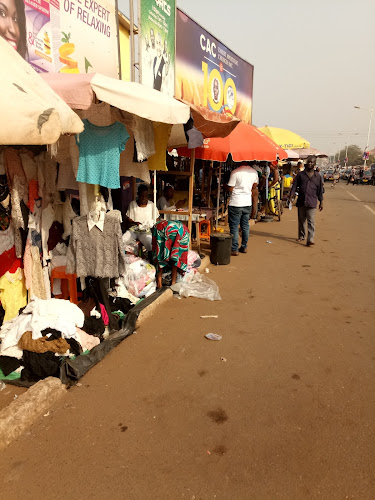
• Small markets selling traditional herbs, spices, and Islamic items
• Community gathering spaces where elders share stories
• Prayer call towers that punctuate the skyline
• Narrow alleyways revealing hidden courtyards
• Traditional food vendors preparing authentic Northern Ghanaian dishes
Best Time to Visit
My personal experience suggests that the ideal time to explore Sunyani Zongo is during the dry season, between November and March. The weather’s more predictable then, and you won’t have to worry about sudden downpours turning the unpaved streets into mud. But honestly? The most magical time to visit is during Islamic festivals like Eid al-Fitr or Eid al-Adha. That’s when the whole neighborhood transforms into this incredible celebration of faith and community.
Early mornings are particularly special – you’ll catch the community coming alive as vendors set up their stalls and the first call to prayer echoes through the streets. Just keep in mind that Friday afternoons are particularly busy due to Jumu’ah prayers.
How to Get There
Getting to Sunyani Zongo isn’t complicated, but it does require some local know-how. From central Sunyani, shared taxis regularly head toward the neighborhood – any local can point you in the right direction. If you’re driving yourself, the roads leading to the area are fairly well-marked, though parking can be tricky in the narrow streets.
I’d recommend taking a taxi your first time – the drivers usually know exactly where to drop you off near the central mosque, which serves as a good starting point for exploring the area. And trust me on this one – download an offline map before you go, as the winding streets can get a bit confusing for first-time visitors.
Tips for Visiting
From my multiple visits to Sunyani Zongo, I’ve learned a few things that might make your experience more enjoyable. First off, dress modestly – this is a conservative Muslim community, so covering shoulders and knees is just basic respect. Ladies, bringing a scarf along is a good idea, especially if you plan to visit the mosque.
Try to time your visit around prayer times if you want to experience the neighborhood at its most authentic. But remember to be respectful during prayer times – avoid taking photos of worshippers and maintain a respectful distance from the mosque entrance.
The food here is amazing – don’t miss trying some traditional Northern Ghanaian dishes from the local vendors. I particularly love the waakye and tuo zaafi they serve here. But bring cash – most places don’t accept cards.
Speaking of money, while most folks here are incredibly welcoming, it’s polite to ask permission before taking photos, especially of people or private homes. Sometimes, a small tip might be expected if you’re photographing artisans or their work.
Learning a few basic Hausa greetings can go a long way in breaking the ice with locals. Even a simple “Sannu” (hello) can spark wonderful conversations and lead to unexpected discoveries in this fascinating corner of Sunyani.
And yes, while it’s perfectly safe during the day, I’d suggest wrapping up your visit before sunset unless you’re with a local guide. The streets can be hard to navigate in the dark, and most community activities wind down after dusk anyway.
One last tip from personal experience – the best way to explore is simply to wander. Some of my favorite discoveries here happened when I wasn’t looking for anything in particular. Just keep an open mind, be respectful, and let the rhythm of daily life in Sunyani Zongo guide your experience.
Key Highlights
- Key Features
- Best Time to Visit
- How to Get There
- Tips for Visiting
Location
Places to Stay Near Sunyani Zongo
Find and Book a Tour
Explore More Travel Guides
No reviews found! Be the first to review!
Traveler Reviews for Sunyani Zongo
There are no reviews yet. Be the first one to write one.
Have you visited Sunyani Zongo? Help other travelers by sharing your review.
You Might Also Like
Market

SUNYANI TECHNICAL UNIVERSITY (S.T.U) GETFUND HOSTEL

O A Travel and Tours
Find Accommodations Nearby
Recommended Tours & Activities
Visitor Reviews
There are no reviews yet. Be the first one to write one.
Share Your Experience
Have you visited Sunyani Zongo? Help other travelers by leaving a review.