Sultan Alam Shah Museum
About Sultan Alam Shah Museum
Description
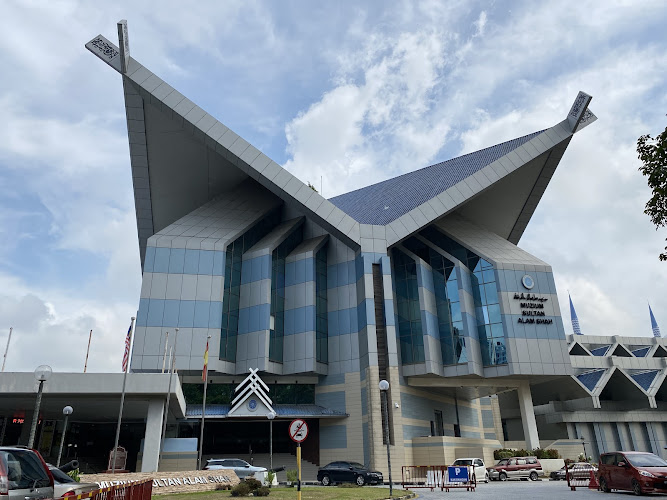
The Sultan Alam Shah Museum stands as one of those places where you might actually learn something without feeling like you're back in school. And trust me, that's saying something for a history museum. This modern museum complex has managed to pull off what many cultural institutions struggle with - making local heritage feel relevant and engaging rather than dusty and forgettable. When I first heard about this place, I'll admit I wasn't jumping out of my seat with excitement. Another museum devoted to local history? Been there, done that. But the Sultan Alam Shah Museum surprised me in the best way possible. The galleries here don't just throw artifacts at you with minimal context. Instead, they weave together stories about the region's past, its cultural evolution, and Islamic heritage in a way that actually makes sense to visitors who might not know much about Malaysian history. The museum complex itself has this contemporary feel that sets it apart from older institutions. You won't find yourself wandering through cramped hallways with yellowing displays here. The spaces feel thoughtfully designed, with enough room to breathe and actually contemplate what you're looking at. It's the kind of place where families can spend a few hours without the kids getting completely restless, and where solo travelers can dig deep into subjects that catch their interest. What really strikes visitors is how the museum balances different aspects of the region's identity. The Islamic heritage galleries sit alongside exhibits about broader cultural practices and historical developments. This isn't just a one-note experience. And honestly, that's refreshing. Too many local museums either try to be everything to everyone or focus so narrowly that they miss the bigger picture. Sultan Alam Shah Museum finds that sweet spot in between.Key Features
The museum offers several standout elements that make it worth adding to your itinerary:- Multiple gallery spaces dedicated to different aspects of local history, from ancient times through contemporary developments
- A substantial Islamic heritage collection that explores religious and cultural practices specific to the region
- Modern exhibition design that uses multimedia elements alongside traditional artifacts - because sometimes a good video presentation really does help things click
- An on-site cafe where you can grab refreshments without having to leave the complex and lose your parking spot
- Complete wheelchair accessibility throughout the facility, including entrance, restrooms, and even wheelchair rentals for those who need them
- Free parking both in dedicated lots and along the street - a genuine blessing when you're traveling on a budget
- Family-friendly facilities including changing tables and spaces designed with kids in mind
- Free Wi-Fi access throughout the building, perfect for those who want to share their experience in real-time or do a bit of extra research on exhibits that catch their attention
- Air-conditioned comfort throughout - not a minor consideration when you're exploring in tropical heat
- Well-maintained restroom facilities that actually stay clean even during busy periods
Best Time to Visit
Timing your visit to Sultan Alam Shah Museum can make the difference between a pleasant experience and a crowded slog through packed galleries. From what I've gathered and experienced, weekday mornings tend to be your best bet. Arriving right when they open means you'll have some breathing room before school groups and tour buses roll in around mid-morning. Weekends can get busy, particularly Saturday afternoons when local families make museum visits part of their routine. But Sunday mornings aren't too bad if you get there early. The lunch hour during weekdays often sees a dip in visitor numbers as people head to the cafe or leave the complex entirely. School holiday periods can be tricky. The museum is genuinely good for kids, which means families flock here during breaks. If you're traveling during Malaysian school holidays and prefer quieter environments, you might want to adjust your expectations or plan to visit later in the afternoon when energy levels start flagging. Weather-wise, the museum becomes especially popular during rainy periods since it offers a comfortable indoor alternative to outdoor attractions. Malaysia's monsoon seasons can drive more people indoors, so keep that in mind when planning. And here's something most travel guides won't tell you - the cafe gets noticeably quieter around 3 PM, making it an ideal time for a coffee break if you want to sit and reflect on what you've seen without competing for seating.How to Get There
Getting to the Sultan Alam Shah Museum is actually more straightforward than reaching many tourist attractions in the area. The museum's location makes it accessible by various transportation methods, though some work better than others depending on where you're staying. If you're driving, you'll appreciate that free parking situation I mentioned earlier. The dedicated parking lot handles most visitors comfortably, though it can fill up during peak times on weekends. Street parking provides backup options when the lot reaches capacity. Just make sure you're parking legally - the last thing you want is dealing with a parking ticket in a foreign country. For those using ride-sharing services like Grab, the museum makes an easy destination to input. Drivers generally know the location well, and the pickup/drop-off area is clearly marked. This might be your best option if you're staying in nearby hotels and don't want to navigate unfamiliar roads. Public transportation requires a bit more planning. The museum isn't directly adjacent to major transit stations, so you'll likely need to combine bus or rail travel with a short taxi ride or walk. Local buses do serve the area, but schedules can be irregular. If you're comfortable navigating public transport in a new place, it's doable - just budget extra time for the journey. Tour groups often include the museum as part of broader cultural itineraries. While this takes the navigation stress off your plate, you'll be working within their schedule and might not have as much time as you'd like in galleries that really interest you.Tips for Visiting
Let me share some practical wisdom that'll make your visit smoother. First off, plan for at least two to three hours if you actually want to engage with the exhibits rather than just speed through. I know travel schedules get tight, but rushing through defeats the purpose. Bring a light jacket or sweater even though you're in a tropical country. The air conditioning runs strong, and what feels refreshing after 10 minutes can feel downright cold after an hour wandering the galleries. This is especially true if you're visiting during the hottest parts of the day when the temperature contrast is most dramatic. The cafe serves decent food and drinks at reasonable prices, but if you're particular about your coffee or have specific dietary requirements, you might want to eat before arriving. The options are solid but not extensive. Photography policies can be specific in certain galleries, particularly those housing religious artifacts. Look for signage and when in doubt, ask staff before snapping pictures. Most areas allow photography, but using flash is generally discouraged to protect the artifacts. Wear comfortable shoes. I cannot stress this enough. The museum floors are hard, you'll be standing more than you think, and fashion sneakers that look great in photos will have your feet screaming by the end. Trust me on this one - I learned it the hard way at too many museums before I wised up. If you're traveling with kids, the museum provides activities geared toward younger visitors in certain sections. Ask at the information desk about any family programs or interactive exhibits that might be running during your visit. These can transform the experience from boring obligation to genuine fun for children. The restrooms are well-positioned throughout the complex, but there's a particularly nice one near the cafe that tends to be less trafficked than the main entrance facilities. Just a little insider knowledge there. Take advantage of any guided tours if they're available during your visit. While you can absolutely appreciate the museum on your own, knowledgeable guides add context and stories that plaques simply can't convey. Plus, they can answer those random questions that pop into your head. Don't feel obligated to see absolutely everything. Museum fatigue is real, and your brain can only absorb so much information before it starts glazing over. If a particular gallery really captures your interest, spend time there. If another section doesn't resonate, it's okay to move through it more quickly. Check if there are any temporary exhibitions during your visit. These rotating displays often showcase different aspects of local culture or bring in collections from other institutions. They can add an extra dimension to the permanent galleries. Finally, give yourself permission to just sit sometimes. The museum has seating areas for a reason. Taking 10 minutes to rest your feet and process what you've seen makes the overall experience more enjoyable and memorable than trying to power through everything at march pace.Key Features
- Multiple gallery spaces dedicated to different aspects of local history, from ancient times through contemporary developments
- A substantial Islamic heritage collection that explores religious and cultural practices specific to the region
- Modern exhibition design that uses multimedia elements alongside traditional artifacts - because sometimes a good video presentation really does help things click
- An on-site cafe where you can grab refreshments without having to leave the complex and lose your parking spot
- Complete wheelchair accessibility throughout the facility, including entrance, restrooms, and even wheelchair rentals for those who need them
- Free parking both in dedicated lots and along the street - a genuine blessing when you're traveling on a budget
- Family-friendly facilities including changing tables and spaces designed with kids in mind
- Free Wi-Fi access throughout the building, perfect for those who want to share their experience in real-time or do a bit of extra research on exhibits that catch their attention
More Details
Updated March 30, 2026
Table of Contents
Description
The Sultan Alam Shah Museum stands as one of those places where you might actually learn something without feeling like you’re back in school. And trust me, that’s saying something for a history museum. This modern museum complex has managed to pull off what many cultural institutions struggle with – making local heritage feel relevant and engaging rather than dusty and forgettable.
When I first heard about this place, I’ll admit I wasn’t jumping out of my seat with excitement. Another museum devoted to local history? Been there, done that. But the Sultan Alam Shah Museum surprised me in the best way possible. The galleries here don’t just throw artifacts at you with minimal context. Instead, they weave together stories about the region’s past, its cultural evolution, and Islamic heritage in a way that actually makes sense to visitors who might not know much about Malaysian history.
The museum complex itself has this contemporary feel that sets it apart from older institutions. You won’t find yourself wandering through cramped hallways with yellowing displays here. The spaces feel thoughtfully designed, with enough room to breathe and actually contemplate what you’re looking at. It’s the kind of place where families can spend a few hours without the kids getting completely restless, and where solo travelers can dig deep into subjects that catch their interest.
What really strikes visitors is how the museum balances different aspects of the region’s identity. The Islamic heritage galleries sit alongside exhibits about broader cultural practices and historical developments. This isn’t just a one-note experience. And honestly, that’s refreshing. Too many local museums either try to be everything to everyone or focus so narrowly that they miss the bigger picture. Sultan Alam Shah Museum finds that sweet spot in between.
Key Features
The museum offers several standout elements that make it worth adding to your itinerary:
- Multiple gallery spaces dedicated to different aspects of local history, from ancient times through contemporary developments
- A substantial Islamic heritage collection that explores religious and cultural practices specific to the region
- Modern exhibition design that uses multimedia elements alongside traditional artifacts – because sometimes a good video presentation really does help things click
- An on-site cafe where you can grab refreshments without having to leave the complex and lose your parking spot
- Complete wheelchair accessibility throughout the facility, including entrance, restrooms, and even wheelchair rentals for those who need them
- Free parking both in dedicated lots and along the street – a genuine blessing when you’re traveling on a budget
- Family-friendly facilities including changing tables and spaces designed with kids in mind
- Free Wi-Fi access throughout the building, perfect for those who want to share their experience in real-time or do a bit of extra research on exhibits that catch their attention
- Air-conditioned comfort throughout – not a minor consideration when you’re exploring in tropical heat
- Well-maintained restroom facilities that actually stay clean even during busy periods
Best Time to Visit
Timing your visit to Sultan Alam Shah Museum can make the difference between a pleasant experience and a crowded slog through packed galleries. From what I’ve gathered and experienced, weekday mornings tend to be your best bet. Arriving right when they open means you’ll have some breathing room before school groups and tour buses roll in around mid-morning.
Weekends can get busy, particularly Saturday afternoons when local families make museum visits part of their routine. But Sunday mornings aren’t too bad if you get there early. The lunch hour during weekdays often sees a dip in visitor numbers as people head to the cafe or leave the complex entirely.
School holiday periods can be tricky. The museum is genuinely good for kids, which means families flock here during breaks. If you’re traveling during Malaysian school holidays and prefer quieter environments, you might want to adjust your expectations or plan to visit later in the afternoon when energy levels start flagging.
Weather-wise, the museum becomes especially popular during rainy periods since it offers a comfortable indoor alternative to outdoor attractions. Malaysia’s monsoon seasons can drive more people indoors, so keep that in mind when planning.
And here’s something most travel guides won’t tell you – the cafe gets noticeably quieter around 3 PM, making it an ideal time for a coffee break if you want to sit and reflect on what you’ve seen without competing for seating.
How to Get There
Getting to the Sultan Alam Shah Museum is actually more straightforward than reaching many tourist attractions in the area. The museum’s location makes it accessible by various transportation methods, though some work better than others depending on where you’re staying.
If you’re driving, you’ll appreciate that free parking situation I mentioned earlier. The dedicated parking lot handles most visitors comfortably, though it can fill up during peak times on weekends. Street parking provides backup options when the lot reaches capacity. Just make sure you’re parking legally – the last thing you want is dealing with a parking ticket in a foreign country.
For those using ride-sharing services like Grab, the museum makes an easy destination to input. Drivers generally know the location well, and the pickup/drop-off area is clearly marked. This might be your best option if you’re staying in nearby hotels and don’t want to navigate unfamiliar roads.
Public transportation requires a bit more planning. The museum isn’t directly adjacent to major transit stations, so you’ll likely need to combine bus or rail travel with a short taxi ride or walk. Local buses do serve the area, but schedules can be irregular. If you’re comfortable navigating public transport in a new place, it’s doable – just budget extra time for the journey.
Tour groups often include the museum as part of broader cultural itineraries. While this takes the navigation stress off your plate, you’ll be working within their schedule and might not have as much time as you’d like in galleries that really interest you.
Tips for Visiting
Let me share some practical wisdom that’ll make your visit smoother. First off, plan for at least two to three hours if you actually want to engage with the exhibits rather than just speed through. I know travel schedules get tight, but rushing through defeats the purpose.
Bring a light jacket or sweater even though you’re in a tropical country. The air conditioning runs strong, and what feels refreshing after 10 minutes can feel downright cold after an hour wandering the galleries. This is especially true if you’re visiting during the hottest parts of the day when the temperature contrast is most dramatic.
The cafe serves decent food and drinks at reasonable prices, but if you’re particular about your coffee or have specific dietary requirements, you might want to eat before arriving. The options are solid but not extensive.
Photography policies can be specific in certain galleries, particularly those housing religious artifacts. Look for signage and when in doubt, ask staff before snapping pictures. Most areas allow photography, but using flash is generally discouraged to protect the artifacts.
Wear comfortable shoes. I cannot stress this enough. The museum floors are hard, you’ll be standing more than you think, and fashion sneakers that look great in photos will have your feet screaming by the end. Trust me on this one – I learned it the hard way at too many museums before I wised up.
If you’re traveling with kids, the museum provides activities geared toward younger visitors in certain sections. Ask at the information desk about any family programs or interactive exhibits that might be running during your visit. These can transform the experience from boring obligation to genuine fun for children.
The restrooms are well-positioned throughout the complex, but there’s a particularly nice one near the cafe that tends to be less trafficked than the main entrance facilities. Just a little insider knowledge there.
Take advantage of any guided tours if they’re available during your visit. While you can absolutely appreciate the museum on your own, knowledgeable guides add context and stories that plaques simply can’t convey. Plus, they can answer those random questions that pop into your head.
Don’t feel obligated to see absolutely everything. Museum fatigue is real, and your brain can only absorb so much information before it starts glazing over. If a particular gallery really captures your interest, spend time there. If another section doesn’t resonate, it’s okay to move through it more quickly.
Check if there are any temporary exhibitions during your visit. These rotating displays often showcase different aspects of local culture or bring in collections from other institutions. They can add an extra dimension to the permanent galleries.
Finally, give yourself permission to just sit sometimes. The museum has seating areas for a reason. Taking 10 minutes to rest your feet and process what you’ve seen makes the overall experience more enjoyable and memorable than trying to power through everything at march pace.
Key Highlights
- Multiple gallery spaces dedicated to different aspects of local history, from ancient times through contemporary developments
- A substantial Islamic heritage collection that explores religious and cultural practices specific to the region
- Modern exhibition design that uses multimedia elements alongside traditional artifacts – because sometimes a good video presentation really does help things click
- An on-site cafe where you can grab refreshments without having to leave the complex and lose your parking spot
- Complete wheelchair accessibility throughout the facility, including entrance, restrooms, and even wheelchair rentals for those who need them
- Free parking both in dedicated lots and along the street – a genuine blessing when you're traveling on a budget
- Family-friendly facilities including changing tables and spaces designed with kids in mind
- Free Wi-Fi access throughout the building, perfect for those who want to share their experience in real-time or do a bit of extra research on exhibits that catch their attention
Location
Places to Stay Near Sultan Alam Shah Museum
Find and Book a Tour
Explore More Travel Guides
No reviews found! Be the first to review!
Sultan Alam Shah Museum is a prominent museums located in Shah Alam.
Visit us at: Persiaran Bandaraya, Seksyen 14, 40000 Shah Alam, Selangor, Malaysia.
Traveler Reviews for Sultan Alam Shah Museum
There are no reviews yet. Be the first one to write one.
Have you visited Sultan Alam Shah Museum? Help other travelers by sharing your review.
Find Accommodations Nearby
Recommended Tours & Activities
Visitor Reviews
There are no reviews yet. Be the first one to write one.
Share Your Experience
Have you visited Sultan Alam Shah Museum? Help other travelers by leaving a review.
