
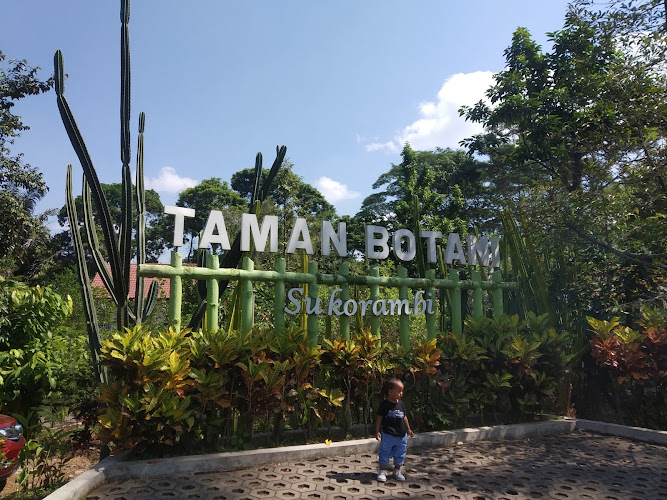
Sukorambi Botanical Garden
About Sukorambi Botanical Garden
Description
Sukorambi Botanical Garden is one of those places that quietly surprises you. It’s not the kind of attraction that shouts for attention, but once you step inside, you can feel the difference. Spread across a lush hillside in East Java, this garden park blends natural beauty with a sense of calm that’s hard to find these days. It’s a spot where families, nature lovers, and even casual travelers can slow down and just breathe for a while. The air feels fresher here, probably because of the thousands of trees and plants that fill the landscape—fruit trees, herbs, flowering shrubs, and so many species I couldn’t even name them all.
When I visited, I remember being struck by how well-maintained everything was. Sure, there were a few areas that could use a little polish, but overall, it’s clear the staff really care about preserving the garden’s charm. The walking trails wind through different sections, each with its own personality—from the herbal garden that smells faintly of mint and lemongrass to the shaded picnic spots where families spread out mats and unpack homemade snacks. And then there’s the sound of running water from the pools and small waterfalls that seem to appear around every corner. It’s peaceful, but not in a sleepy way—more like the kind of peace that makes you want to stay a little longer.
What I love most about Sukorambi Botanical Garden is how approachable it feels. It’s not overly commercialized, and while it’s definitely popular, it still manages to hold onto its authenticity. You’ll see groups of students sketching plants, couples taking photos under the canopy of trees, and kids laughing as they splash around in the pool area. The atmosphere is refreshingly genuine. And yes, there’s a restaurant inside too—serving local dishes that taste even better after a walk in the sun. The soto ayam (chicken soup) and fried bananas are particularly good, if you ask me.
Of course, no place is perfect. Some visitors mention that weekends can get crowded, and occasionally, the weather can turn humid fast. But that’s part of its character. The garden isn’t trying to be a polished city park—it’s a living, breathing ecosystem that invites you to slow down and reconnect with nature. Whether you’re here for a family outing, a quiet solo stroll, or just to escape the city buzz, Sukorambi Botanical Garden offers that rare kind of space that feels both alive and grounding at the same time.
Key Features
- Diverse Plant Collection: A wide range of local and exotic plants, including fruit trees, herbs, and colorful flowers that change with the seasons.
- Natural Pools: Several swimming pools fed by natural springs, perfect for cooling off after a walk through the gardens.
- Playground & Family Spaces: Swings, slides, and open areas designed for kids to play safely while adults relax nearby.
- Picnic Areas: Shaded picnic tables and grassy patches ideal for family gatherings or a quiet afternoon snack.
- Hiking & Cycling Trails: Clearly marked paths for those who enjoy light hikes or cycling through scenic terrain.
- Restaurant & Cafeteria: On-site dining offering local Indonesian dishes and refreshing drinks.
- Accessibility: Wheelchair-accessible restrooms and paths that make it easier for all visitors to explore comfortably.
- Kid-Friendly Activities: Educational corners, small animal exhibits, and nature-based learning experiences for children.
- Payment Options: Convenient payment methods including debit and credit cards accepted at most facilities.
Each of these features contributes to the garden’s charm. It’s not just a place to look at plants—it’s a place to experience them. The combination of nature, recreation, and relaxation makes it one of the more balanced attractions in East Java.
Best Time to Visit
Timing can make all the difference when visiting Sukorambi Botanical Garden. Personally, I think the sweet spot is during the dry season, from May to September. The weather is generally sunny but not scorching, and the trails are easier to walk without worrying about slippery paths. The flowers are usually in full bloom, and the pools are crystal clear—perfect for a dip after exploring the gardens.
If you’re planning to come during the rainy months, don’t let that stop you. The garden takes on a different kind of beauty when it rains. The air feels heavier, the colors pop, and the sound of raindrops on leaves is oddly soothing. Just bring a raincoat and maybe an extra pair of shoes. Early mornings are my favorite time—less crowded, cooler, and you can hear the birds waking up. Late afternoons are good too, especially if you want to catch the soft light filtering through the trees for photos.
Weekdays tend to be quieter, which is great if you’re looking for a more peaceful experience. Weekends can get busy with families and school groups, but there’s also more energy then. So, it really depends on what kind of vibe you’re after.
How to Get There
Reaching Sukorambi Botanical Garden is fairly straightforward, especially if you’re already in Jember. It’s just a short drive from the city center, and the route is well-marked. Most locals know it, so even if you get turned around, you can just ask for directions—people here are friendly and usually happy to help. If you’re coming from Surabaya or Banyuwangi, you can take a bus or train to Jember and then grab a local taxi or rental car to the garden.
For those who like a bit of adventure, renting a motorbike is a fun option. The ride offers glimpses of rural life—rice fields, small warungs (local eateries), and the occasional view of distant hills. Just watch out for the occasional sharp turn or roaming goat on the road. Parking at the garden is easy, and there’s usually plenty of space, even on weekends.
Public transportation is available but can be a bit unpredictable in terms of timing. If you prefer convenience, hiring a driver for the day might be worth it, especially if you plan to visit other attractions around Jember afterward.
Tips for Visiting
A few small tips can make your trip to Sukorambi Botanical Garden even better. First, wear comfortable shoes. The garden is large, and the paths can be uneven in places. You’ll definitely want footwear that can handle a bit of walking. Bring sunscreen and a hat—it’s Indonesia, after all, and the sun doesn’t mess around. If you plan to swim, pack a towel and a change of clothes. The natural pools are clean and inviting, and it’s hard to resist taking a dip once you see them.
I’d also recommend bringing some cash, even though the garden accepts cards. Some smaller stalls or snack vendors might not. And don’t forget your camera or phone—there are so many photo-worthy spots, from the flower gardens to the hilltop viewpoints. If you’re traveling with kids, the playground and picnic areas will keep them entertained for hours. Just keep an eye on them near the pools.
For those who enjoy learning, take time to read the small information boards scattered around the garden. They offer interesting facts about the plant species and local ecology. It’s a nice touch that makes the visit more meaningful. And if you’re into photography, early morning or late afternoon light gives the best results—soft, golden, and perfect for capturing the garden’s natural textures.
Lastly, take your time. Don’t rush through it like a checklist. Sit under a tree, listen to the wind, maybe even chat with a gardener or local visitor. There’s something grounding about spending a few hours surrounded by greenery and simple joy. Sukorambi Botanical Garden isn’t just a destination—it’s a reminder of how good it feels to slow down and reconnect with nature. Whether you leave with a camera full of photos or just a calm mind, it’s a place that stays with you long after you’ve gone.
Key Features
- Key Features
- Best Time to Visit
- How to Get There
- Tips for Visiting
More Details
Updated November 9, 2025
Table of Contents
Description
Sukorambi Botanical Garden is one of those places that quietly surprises you. It’s not the kind of attraction that shouts for attention, but once you step inside, you can feel the difference. Spread across a lush hillside in East Java, this garden park blends natural beauty with a sense of calm that’s hard to find these days. It’s a spot where families, nature lovers, and even casual travelers can slow down and just breathe for a while. The air feels fresher here, probably because of the thousands of trees and plants that fill the landscape—fruit trees, herbs, flowering shrubs, and so many species I couldn’t even name them all.
When I visited, I remember being struck by how well-maintained everything was. Sure, there were a few areas that could use a little polish, but overall, it’s clear the staff really care about preserving the garden’s charm. The walking trails wind through different sections, each with its own personality—from the herbal garden that smells faintly of mint and lemongrass to the shaded picnic spots where families spread out mats and unpack homemade snacks. And then there’s the sound of running water from the pools and small waterfalls that seem to appear around every corner. It’s peaceful, but not in a sleepy way—more like the kind of peace that makes you want to stay a little longer.
What I love most about Sukorambi Botanical Garden is how approachable it feels. It’s not overly commercialized, and while it’s definitely popular, it still manages to hold onto its authenticity. You’ll see groups of students sketching plants, couples taking photos under the canopy of trees, and kids laughing as they splash around in the pool area. The atmosphere is refreshingly genuine. And yes, there’s a restaurant inside too—serving local dishes that taste even better after a walk in the sun. The soto ayam (chicken soup) and fried bananas are particularly good, if you ask me.
Of course, no place is perfect. Some visitors mention that weekends can get crowded, and occasionally, the weather can turn humid fast. But that’s part of its character. The garden isn’t trying to be a polished city park—it’s a living, breathing ecosystem that invites you to slow down and reconnect with nature. Whether you’re here for a family outing, a quiet solo stroll, or just to escape the city buzz, Sukorambi Botanical Garden offers that rare kind of space that feels both alive and grounding at the same time.
Key Features
- Diverse Plant Collection: A wide range of local and exotic plants, including fruit trees, herbs, and colorful flowers that change with the seasons.
- Natural Pools: Several swimming pools fed by natural springs, perfect for cooling off after a walk through the gardens.
- Playground & Family Spaces: Swings, slides, and open areas designed for kids to play safely while adults relax nearby.
- Picnic Areas: Shaded picnic tables and grassy patches ideal for family gatherings or a quiet afternoon snack.
- Hiking & Cycling Trails: Clearly marked paths for those who enjoy light hikes or cycling through scenic terrain.
- Restaurant & Cafeteria: On-site dining offering local Indonesian dishes and refreshing drinks.
- Accessibility: Wheelchair-accessible restrooms and paths that make it easier for all visitors to explore comfortably.
- Kid-Friendly Activities: Educational corners, small animal exhibits, and nature-based learning experiences for children.
- Payment Options: Convenient payment methods including debit and credit cards accepted at most facilities.
Each of these features contributes to the garden’s charm. It’s not just a place to look at plants—it’s a place to experience them. The combination of nature, recreation, and relaxation makes it one of the more balanced attractions in East Java.
Best Time to Visit
Timing can make all the difference when visiting Sukorambi Botanical Garden. Personally, I think the sweet spot is during the dry season, from May to September. The weather is generally sunny but not scorching, and the trails are easier to walk without worrying about slippery paths. The flowers are usually in full bloom, and the pools are crystal clear—perfect for a dip after exploring the gardens.
If you’re planning to come during the rainy months, don’t let that stop you. The garden takes on a different kind of beauty when it rains. The air feels heavier, the colors pop, and the sound of raindrops on leaves is oddly soothing. Just bring a raincoat and maybe an extra pair of shoes. Early mornings are my favorite time—less crowded, cooler, and you can hear the birds waking up. Late afternoons are good too, especially if you want to catch the soft light filtering through the trees for photos.
Weekdays tend to be quieter, which is great if you’re looking for a more peaceful experience. Weekends can get busy with families and school groups, but there’s also more energy then. So, it really depends on what kind of vibe you’re after.
How to Get There
Reaching Sukorambi Botanical Garden is fairly straightforward, especially if you’re already in Jember. It’s just a short drive from the city center, and the route is well-marked. Most locals know it, so even if you get turned around, you can just ask for directions—people here are friendly and usually happy to help. If you’re coming from Surabaya or Banyuwangi, you can take a bus or train to Jember and then grab a local taxi or rental car to the garden.
For those who like a bit of adventure, renting a motorbike is a fun option. The ride offers glimpses of rural life—rice fields, small warungs (local eateries), and the occasional view of distant hills. Just watch out for the occasional sharp turn or roaming goat on the road. Parking at the garden is easy, and there’s usually plenty of space, even on weekends.
Public transportation is available but can be a bit unpredictable in terms of timing. If you prefer convenience, hiring a driver for the day might be worth it, especially if you plan to visit other attractions around Jember afterward.
Tips for Visiting
A few small tips can make your trip to Sukorambi Botanical Garden even better. First, wear comfortable shoes. The garden is large, and the paths can be uneven in places. You’ll definitely want footwear that can handle a bit of walking. Bring sunscreen and a hat—it’s Indonesia, after all, and the sun doesn’t mess around. If you plan to swim, pack a towel and a change of clothes. The natural pools are clean and inviting, and it’s hard to resist taking a dip once you see them.
I’d also recommend bringing some cash, even though the garden accepts cards. Some smaller stalls or snack vendors might not. And don’t forget your camera or phone—there are so many photo-worthy spots, from the flower gardens to the hilltop viewpoints. If you’re traveling with kids, the playground and picnic areas will keep them entertained for hours. Just keep an eye on them near the pools.
For those who enjoy learning, take time to read the small information boards scattered around the garden. They offer interesting facts about the plant species and local ecology. It’s a nice touch that makes the visit more meaningful. And if you’re into photography, early morning or late afternoon light gives the best results—soft, golden, and perfect for capturing the garden’s natural textures.
Lastly, take your time. Don’t rush through it like a checklist. Sit under a tree, listen to the wind, maybe even chat with a gardener or local visitor. There’s something grounding about spending a few hours surrounded by greenery and simple joy. Sukorambi Botanical Garden isn’t just a destination—it’s a reminder of how good it feels to slow down and reconnect with nature. Whether you leave with a camera full of photos or just a calm mind, it’s a place that stays with you long after you’ve gone.
Key Highlights
- Key Features
- Best Time to Visit
- How to Get There
- Tips for Visiting
Location
Places to Stay Near Sukorambi Botanical Garden
Find and Book a Tour
Explore More Travel Guides
No reviews found! Be the first to review!
Traveler Reviews for Sukorambi Botanical Garden
There are no reviews yet. Be the first one to write one.
Have you visited Sukorambi Botanical Garden? Help other travelers by sharing your review.
You Might Also Like

Teluk Love
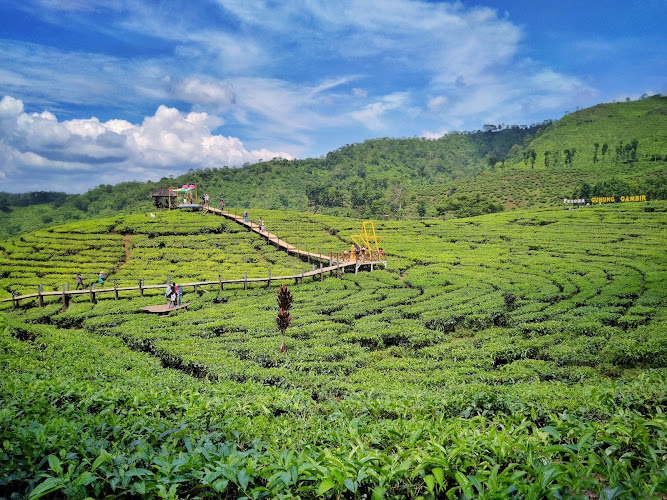
Wisata kebun teh gunung gambir

Mumbul Garden
Find Accommodations Nearby
Recommended Tours & Activities
Visitor Reviews
There are no reviews yet. Be the first one to write one.
Share Your Experience
Have you visited Sukorambi Botanical Garden? Help other travelers by leaving a review.