

Sugbu Chinese Heritage Museum
About Sugbu Chinese Heritage Museum
Description
The Sugbu Chinese Heritage Museum in Cebu City is one of those places that quietly surprises you. Housed inside the restored Gotiaoco Building, which itself dates back to 1914, the museum tells the story of Chinese-Cebuano heritage through carefully curated exhibits and displays. It’s not a massive museum where you’ll get lost for hours, but rather an intimate space that feels personal and layered with history. You’ll find replicas, dioramas, and artifacts that trace the cultural, economic, and social contributions of the Chinese community in Cebu.
What struck me most when I first wandered through was the way the museum balances history with storytelling. Some museums can feel overly academic, but here, the displays are approachable and easy to digest. It’s the kind of place where you leave with a clearer understanding of how deeply intertwined the Chinese and Cebuano communities are. Of course, not every visitor finds it perfect—some wish the collections were larger or more interactive—but the overall experience is thoughtful and worth the stop if you’re even a little curious about Cebu’s multicultural roots.
The museum is also family-friendly, with enough visual displays and stories to keep kids engaged. Accessibility is clearly considered too, with wheelchair-friendly entrances and parking, plus restrooms available onsite. There isn’t a restaurant inside, so you’ll want to plan your meals before or after, but given its central location in Cebu City, that’s hardly an inconvenience.
Key Features
- Located in the historic Gotiaoco Building, a restored 1914 landmark
- Exhibits highlighting Chinese-Cebuano heritage through artifacts, dioramas, and replicas
- Wheelchair accessible entrance and parking
- Restrooms available onsite
- Good for families and children with engaging visuals
- Central location in Cebu City, making it easy to pair with other attractions
What I personally loved was the building itself—it has this old-world charm, and knowing that it was once a hub of commerce before being reborn as a museum adds another layer to the visit. Some people come for the exhibits, but end up staying longer just to admire the architecture.
Best Time to Visit
If you’re planning a trip, weekdays are generally the best time to visit. The crowds are lighter, and you can take your time moving through each level without feeling rushed. Mornings are especially peaceful, with natural light filtering into the building, which makes the displays even more atmospheric. If you’re the type who enjoys pairing museum visits with food trips, late mornings are perfect—you can explore the museum first, then head out for lunch at one of the nearby eateries.
Cebu can get hot and humid, so going earlier in the day also helps you avoid the midday heat. And if you’re traveling during peak holiday seasons, like Christmas or Chinese New Year, expect a little more buzz inside. It’s actually kind of nice though, because you get to feel the cultural energy of the place in a different way.
How to Get There
Getting to the Sugbu Chinese Heritage Museum isn’t complicated. If you’re staying in central Cebu City, it’s just a short ride away by taxi or ride-hailing apps like Grab. Public jeepneys also pass nearby, though if you’re not familiar with Cebu’s routes, a cab or app-based ride might be easier. For those who enjoy walking and exploring, it’s within reach from other downtown landmarks, so you can make it part of a walking tour of the city.
If you’re driving, there’s wheelchair accessible parking available, which makes it convenient for families or groups traveling with elderly members. Just be prepared for Cebu’s traffic—it can get unpredictable, so plan your timing accordingly.
Tips for Visiting
A few things I learned from my own visit (and from chatting with other travelers along the way) might help you make the most of your time here:
- Give yourself at least an hour: While the museum isn’t huge, rushing through it means you’ll miss the details that make the exhibits meaningful.
- Check opening hours ahead: Like many smaller museums, hours can sometimes change for private events or maintenance.
- No on-site food options: Eat before you go or plan to grab something nearby after your visit.
- Bring kids along: The museum is kid-friendly, and it’s a great way to introduce them to Cebu’s multicultural history without overwhelming them.
- Photography: Always double-check the rules, but generally, you can take photos in most areas—just be respectful of the space.
- Combine with other stops: The central location makes it easy to explore nearby attractions the same day.
One little personal tip: take a moment to just stand in the main hall and look around. You’ll notice details in the building’s architecture that don’t immediately jump out at you—like the way the windows frame the light or the subtle patterns in the flooring. It’s those small touches that make the visit memorable.
In the end, the Sugbu Chinese Heritage Museum isn’t about overwhelming you with endless collections. It’s about giving you a snapshot of a community’s story, told in a way that feels authentic and approachable. If you’re the kind of traveler who appreciates history, architecture, and cultural connections, this museum deserves a spot on your Cebu itinerary.
Key Features
- Located in the historic Gotiaoco Building, a restored 1914 landmark
- Exhibits highlighting Chinese-Cebuano heritage through artifacts, dioramas, and replicas
- Wheelchair accessible entrance and parking
- Restrooms available onsite
- Good for families and children with engaging visuals
- Central location in Cebu City, making it easy to pair with other attractions
More Details
Updated October 1, 2025
Table of Contents
Description
The Sugbu Chinese Heritage Museum in Cebu City is one of those places that quietly surprises you. Housed inside the restored Gotiaoco Building, which itself dates back to 1914, the museum tells the story of Chinese-Cebuano heritage through carefully curated exhibits and displays. It’s not a massive museum where you’ll get lost for hours, but rather an intimate space that feels personal and layered with history. You’ll find replicas, dioramas, and artifacts that trace the cultural, economic, and social contributions of the Chinese community in Cebu.
What struck me most when I first wandered through was the way the museum balances history with storytelling. Some museums can feel overly academic, but here, the displays are approachable and easy to digest. It’s the kind of place where you leave with a clearer understanding of how deeply intertwined the Chinese and Cebuano communities are. Of course, not every visitor finds it perfect—some wish the collections were larger or more interactive—but the overall experience is thoughtful and worth the stop if you’re even a little curious about Cebu’s multicultural roots.
The museum is also family-friendly, with enough visual displays and stories to keep kids engaged. Accessibility is clearly considered too, with wheelchair-friendly entrances and parking, plus restrooms available onsite. There isn’t a restaurant inside, so you’ll want to plan your meals before or after, but given its central location in Cebu City, that’s hardly an inconvenience.
Key Features
- Located in the historic Gotiaoco Building, a restored 1914 landmark
- Exhibits highlighting Chinese-Cebuano heritage through artifacts, dioramas, and replicas
- Wheelchair accessible entrance and parking
- Restrooms available onsite
- Good for families and children with engaging visuals
- Central location in Cebu City, making it easy to pair with other attractions
What I personally loved was the building itself—it has this old-world charm, and knowing that it was once a hub of commerce before being reborn as a museum adds another layer to the visit. Some people come for the exhibits, but end up staying longer just to admire the architecture.
Best Time to Visit
If you’re planning a trip, weekdays are generally the best time to visit. The crowds are lighter, and you can take your time moving through each level without feeling rushed. Mornings are especially peaceful, with natural light filtering into the building, which makes the displays even more atmospheric. If you’re the type who enjoys pairing museum visits with food trips, late mornings are perfect—you can explore the museum first, then head out for lunch at one of the nearby eateries.
Cebu can get hot and humid, so going earlier in the day also helps you avoid the midday heat. And if you’re traveling during peak holiday seasons, like Christmas or Chinese New Year, expect a little more buzz inside. It’s actually kind of nice though, because you get to feel the cultural energy of the place in a different way.
How to Get There
Getting to the Sugbu Chinese Heritage Museum isn’t complicated. If you’re staying in central Cebu City, it’s just a short ride away by taxi or ride-hailing apps like Grab. Public jeepneys also pass nearby, though if you’re not familiar with Cebu’s routes, a cab or app-based ride might be easier. For those who enjoy walking and exploring, it’s within reach from other downtown landmarks, so you can make it part of a walking tour of the city.
If you’re driving, there’s wheelchair accessible parking available, which makes it convenient for families or groups traveling with elderly members. Just be prepared for Cebu’s traffic—it can get unpredictable, so plan your timing accordingly.
Tips for Visiting
A few things I learned from my own visit (and from chatting with other travelers along the way) might help you make the most of your time here:
- Give yourself at least an hour: While the museum isn’t huge, rushing through it means you’ll miss the details that make the exhibits meaningful.
- Check opening hours ahead: Like many smaller museums, hours can sometimes change for private events or maintenance.
- No on-site food options: Eat before you go or plan to grab something nearby after your visit.
- Bring kids along: The museum is kid-friendly, and it’s a great way to introduce them to Cebu’s multicultural history without overwhelming them.
- Photography: Always double-check the rules, but generally, you can take photos in most areas—just be respectful of the space.
- Combine with other stops: The central location makes it easy to explore nearby attractions the same day.
One little personal tip: take a moment to just stand in the main hall and look around. You’ll notice details in the building’s architecture that don’t immediately jump out at you—like the way the windows frame the light or the subtle patterns in the flooring. It’s those small touches that make the visit memorable.
In the end, the Sugbu Chinese Heritage Museum isn’t about overwhelming you with endless collections. It’s about giving you a snapshot of a community’s story, told in a way that feels authentic and approachable. If you’re the kind of traveler who appreciates history, architecture, and cultural connections, this museum deserves a spot on your Cebu itinerary.
Key Highlights
- Located in the historic Gotiaoco Building, a restored 1914 landmark
- Exhibits highlighting Chinese-Cebuano heritage through artifacts, dioramas, and replicas
- Wheelchair accessible entrance and parking
- Restrooms available onsite
- Good for families and children with engaging visuals
- Central location in Cebu City, making it easy to pair with other attractions
Location
Places to Stay Near Sugbu Chinese Heritage Museum
Find and Book a Tour
Explore More Travel Guides
No reviews found! Be the first to review!
Traveler Reviews for Sugbu Chinese Heritage Museum
There are no reviews yet. Be the first one to write one.
Have you visited Sugbu Chinese Heritage Museum? Help other travelers by sharing your review.
You Might Also Like
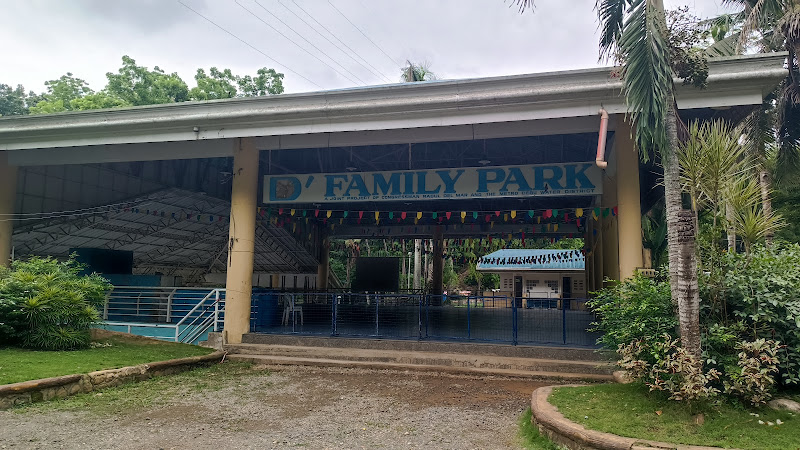
D' Family Park
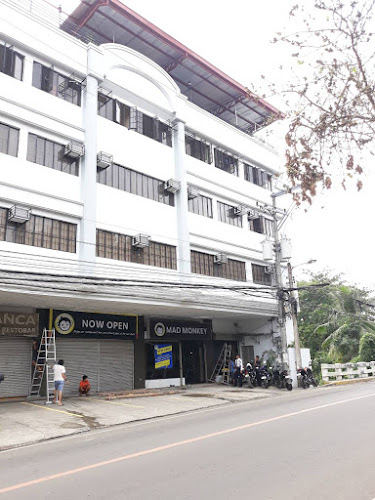
Mad Monkey Cebu City
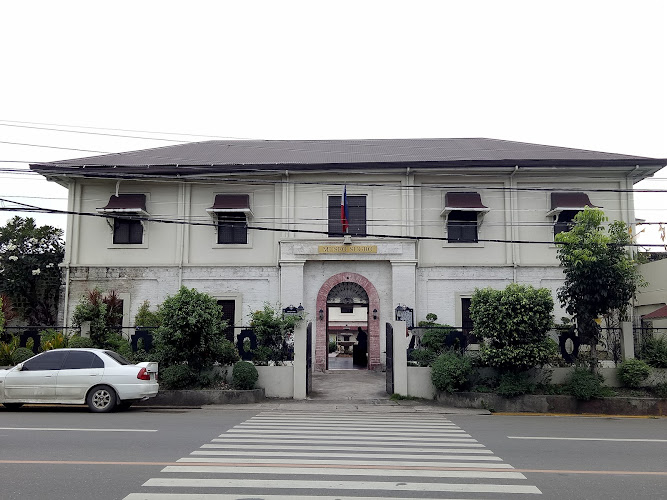
Museo Sugbo
Find Accommodations Nearby
Recommended Tours & Activities
Visitor Reviews
There are no reviews yet. Be the first one to write one.
Share Your Experience
Have you visited Sugbu Chinese Heritage Museum? Help other travelers by leaving a review.