

STEAM – Museum of the Great Western Railway
About STEAM – Museum of the Great Western Railway
Description
STEAM - Museum of the Great Western Railway occupies a lovingly restored Grade II railway building in the old Swindon Works and tells a story that stretches from Brunel-era ambition to the grit and pride of everyday railway workers. The museum frames the Great Western Railway not as an abstract engineering feat but as a tapestry of human stories: the men and women who hammered the rails, ran the workshops and rode the engines. The building itself is part of the exhibit — heavy timber, brick, ironwork and the faint, permanent smell of oil and coal that seems to soak into the rafters. That smell has a curious way of making the past feel immediate. Visitors often say they can almost hear the clank of the works even on a quiet afternoon.
Visitors arrive expecting trains — and they get them, in a manner of speaking. The collection focuses on the people and processes behind steam trains: workshops, tools, engineers’ lockers, posters, and, of course, locomotives and rolling stock. The displays are arranged to be approachable; complex engineering ideas are explained with models, hands-on interactives, and storytelling panels that avoid dry textbook language. There are original GWR fittings, signal box paraphernalia, and reconstructed workshops that show how a locomotive went from raw steel to polished express engine. For those who love details, the museum preserves the little things: rivets, nameplates, the faded stencils on crates, the lunchboxes of dockers and fitters. Those small artifacts are why many repeat visitors come back — they discover a new tiny story each time.
STEAM is more than static exhibits. The restoration shed is a working area where conservation work happens in view of the public; volunteers and staff sometimes explain a restoration step or demonstrate machining techniques. That transparency is rare. One volunteer, often pointed to by guides, has spent decades working on GWR-style valve gear and will happily trace the lifecycle of a particular locomotive part. Those moments, informal and sometimes slightly chaotic, are the ones that linger in memory. The museum also hosts seasonal live-steam days and heritage events when the smell of coal and hiss of steam return to the yard — and those days are genuinely special, a sensory punch that photo albums can’t replicate.
Accessibility and family needs are treated seriously here. The main entrance and restrooms are wheelchair-friendly, there are baby-changing facilities, and the museum’s layout keeps circulation relatively simple: broad paths, informative signage at sensible heights, and plenty of benches for short rests. Families report that the kids’ discovery trails and interactive simulators keep smaller visitors engaged longer than expected. A helpful, if slightly quirky, touch: staff and volunteers will sometimes offer to explain a complicated display with a quick hands-on demo — and often throw in a local anecdote about life in Swindon’s railway community.
Parking is available on-site for a fee, and while the museum has a modest café offering hot drinks and light lunches, many visitors treat the visit as part of a wider Swindon day out. The café is practical rather than gourmet, and that’s fine — most visitors are there for steam, not for haute cuisine. Still, a decent cup of tea and a scone can be a surprisingly pleasant pause between the big exhibits.
Although the place is rooted in the 19th and early 20th centuries, the interpretive approach is surprisingly modern. Multimedia elements are used sparingly and effectively: short films, oral histories recorded by former workers, and touchscreen archives let visitors search for individual workers, locomotives or workshop drawings. The oral histories are where the museum’s heart beats loudest. Hearing a former fitter recount the time a boiler cracked and how the team improvised is one of those moments where history stops being a list of dates and becomes a lived experience. And sometimes the anecdotes are funny, sometimes a bit rough around the edges, but always human.
For those who geek out about engineering (the writer knows a few), the level of technical detail on certain displays is gratifying. There are cross-sectioned models of boilers, exploded diagrams of valve gear, and demonstrations of wheel balancing that satisfy a curious brain. Yet the museum also knows when to step back and present the social side: women’s roles in the works, the rhythms of shift life, and how the railway shaped whole communities around it. That balance between nuts-and-bolts and social history is what gives the museum depth.
What many guidebooks miss, and this place does not, is the intangible atmosphere. On a quiet weekday morning one can wander past an engine and notice graffiti-like marks where workers once recorded measurements, or the careful handwriting on an old timesheet. These imperfect, human traces are not polished for the visitor; they’re left to speak, and they do. There is also a gentle pride in the way volunteers and staff talk about the collection — not the sort of promotional puffery you sometimes get elsewhere, but an honest affection that makes explanations feel like passing along a secret.
The museum’s interpretation leans into Brunel’s innovations — the broad gauge experiments, the ambitious civil engineering — but it refuses to treat Brunel as a single heroic figure. Instead, Brunel’s ideas are presented alongside the shop-floor ingenuity that made those ideas practical. It is a useful corrective to simplified history: big vision plus everyday workmanship. The collection includes locomotive classes that illustrate technological shifts across decades, so a visitor can follow the arc: early experiments, standardization under the Great Western, and the eventual decline of steam as diesel and electric technologies took over.
Practical notes that are handy to know before planning a visit: the museum runs guided tours and themed events, and these often sell out on peak days, so booking or checking the schedule in advance is wise. The restoration and display areas sometimes undergo rotation, meaning what’s on the rails can change from month to month — which gives regular visitors reason to return. Photography is permitted for personal use, though certain conservation areas may restrict flash or close-ups for preservation reasons. The museum also hosts learning sessions for schools and adult education groups which, from reports, are generally well-structured and lively.
A few candid caveats are in order. The site is old — it has character, yes, but that means some parts feel a bit compact, and peak days can feel busy near the more popular locomotives. The café is small and queues can form. And while the museum is committed to accessibility, the reality of heavy machinery in historic buildings sometimes limits how close wheelchair users can get to certain exhibits. These are minor friction points; they rarely spoil the visit, but it’s fair to mention them so expectations line up with reality.
Overall, STEAM presents an immersive, affectionate look at the Great Western Railway that appeals to both casual visitors and railway enthusiasts. It aims to be honest — showing the tedium and danger of industrial life as willingly as it displays triumphs and technical brilliance. For travellers looking to understand why Swindon mattered to British rail history, or for anyone who enjoys machines with stories attached to them, the museum is a substantial, well-curated stop.
And lastly, a little traveling tip dropped into the narrative: if a visitor times their visit around a live-steam event, they should allow extra time. The yard feels different on those days, more theatrical. The engines breathe and the site hums, and the volunteer guides naturally run longer, more detailed chats because people are in the mood to listen. That feeling — a day when history is noisy and warm — is hard to beat and the sort of memory that keeps people recommending the place to friends long after they get home.
Key Features
More Details
Updated August 30, 2025
Table of Contents
Description
STEAM – Museum of the Great Western Railway occupies a lovingly restored Grade II railway building in the old Swindon Works and tells a story that stretches from Brunel-era ambition to the grit and pride of everyday railway workers. The museum frames the Great Western Railway not as an abstract engineering feat but as a tapestry of human stories: the men and women who hammered the rails, ran the workshops and rode the engines. The building itself is part of the exhibit — heavy timber, brick, ironwork and the faint, permanent smell of oil and coal that seems to soak into the rafters. That smell has a curious way of making the past feel immediate. Visitors often say they can almost hear the clank of the works even on a quiet afternoon.
Visitors arrive expecting trains — and they get them, in a manner of speaking. The collection focuses on the people and processes behind steam trains: workshops, tools, engineers’ lockers, posters, and, of course, locomotives and rolling stock. The displays are arranged to be approachable; complex engineering ideas are explained with models, hands-on interactives, and storytelling panels that avoid dry textbook language. There are original GWR fittings, signal box paraphernalia, and reconstructed workshops that show how a locomotive went from raw steel to polished express engine. For those who love details, the museum preserves the little things: rivets, nameplates, the faded stencils on crates, the lunchboxes of dockers and fitters. Those small artifacts are why many repeat visitors come back — they discover a new tiny story each time.
STEAM is more than static exhibits. The restoration shed is a working area where conservation work happens in view of the public; volunteers and staff sometimes explain a restoration step or demonstrate machining techniques. That transparency is rare. One volunteer, often pointed to by guides, has spent decades working on GWR-style valve gear and will happily trace the lifecycle of a particular locomotive part. Those moments, informal and sometimes slightly chaotic, are the ones that linger in memory. The museum also hosts seasonal live-steam days and heritage events when the smell of coal and hiss of steam return to the yard — and those days are genuinely special, a sensory punch that photo albums can’t replicate.
Accessibility and family needs are treated seriously here. The main entrance and restrooms are wheelchair-friendly, there are baby-changing facilities, and the museum’s layout keeps circulation relatively simple: broad paths, informative signage at sensible heights, and plenty of benches for short rests. Families report that the kids’ discovery trails and interactive simulators keep smaller visitors engaged longer than expected. A helpful, if slightly quirky, touch: staff and volunteers will sometimes offer to explain a complicated display with a quick hands-on demo — and often throw in a local anecdote about life in Swindon’s railway community.
Parking is available on-site for a fee, and while the museum has a modest café offering hot drinks and light lunches, many visitors treat the visit as part of a wider Swindon day out. The café is practical rather than gourmet, and that’s fine — most visitors are there for steam, not for haute cuisine. Still, a decent cup of tea and a scone can be a surprisingly pleasant pause between the big exhibits.
Although the place is rooted in the 19th and early 20th centuries, the interpretive approach is surprisingly modern. Multimedia elements are used sparingly and effectively: short films, oral histories recorded by former workers, and touchscreen archives let visitors search for individual workers, locomotives or workshop drawings. The oral histories are where the museum’s heart beats loudest. Hearing a former fitter recount the time a boiler cracked and how the team improvised is one of those moments where history stops being a list of dates and becomes a lived experience. And sometimes the anecdotes are funny, sometimes a bit rough around the edges, but always human.
For those who geek out about engineering (the writer knows a few), the level of technical detail on certain displays is gratifying. There are cross-sectioned models of boilers, exploded diagrams of valve gear, and demonstrations of wheel balancing that satisfy a curious brain. Yet the museum also knows when to step back and present the social side: women’s roles in the works, the rhythms of shift life, and how the railway shaped whole communities around it. That balance between nuts-and-bolts and social history is what gives the museum depth.
What many guidebooks miss, and this place does not, is the intangible atmosphere. On a quiet weekday morning one can wander past an engine and notice graffiti-like marks where workers once recorded measurements, or the careful handwriting on an old timesheet. These imperfect, human traces are not polished for the visitor; they’re left to speak, and they do. There is also a gentle pride in the way volunteers and staff talk about the collection — not the sort of promotional puffery you sometimes get elsewhere, but an honest affection that makes explanations feel like passing along a secret.
The museum’s interpretation leans into Brunel’s innovations — the broad gauge experiments, the ambitious civil engineering — but it refuses to treat Brunel as a single heroic figure. Instead, Brunel’s ideas are presented alongside the shop-floor ingenuity that made those ideas practical. It is a useful corrective to simplified history: big vision plus everyday workmanship. The collection includes locomotive classes that illustrate technological shifts across decades, so a visitor can follow the arc: early experiments, standardization under the Great Western, and the eventual decline of steam as diesel and electric technologies took over.
Practical notes that are handy to know before planning a visit: the museum runs guided tours and themed events, and these often sell out on peak days, so booking or checking the schedule in advance is wise. The restoration and display areas sometimes undergo rotation, meaning what’s on the rails can change from month to month — which gives regular visitors reason to return. Photography is permitted for personal use, though certain conservation areas may restrict flash or close-ups for preservation reasons. The museum also hosts learning sessions for schools and adult education groups which, from reports, are generally well-structured and lively.
A few candid caveats are in order. The site is old — it has character, yes, but that means some parts feel a bit compact, and peak days can feel busy near the more popular locomotives. The café is small and queues can form. And while the museum is committed to accessibility, the reality of heavy machinery in historic buildings sometimes limits how close wheelchair users can get to certain exhibits. These are minor friction points; they rarely spoil the visit, but it’s fair to mention them so expectations line up with reality.
Overall, STEAM presents an immersive, affectionate look at the Great Western Railway that appeals to both casual visitors and railway enthusiasts. It aims to be honest — showing the tedium and danger of industrial life as willingly as it displays triumphs and technical brilliance. For travellers looking to understand why Swindon mattered to British rail history, or for anyone who enjoys machines with stories attached to them, the museum is a substantial, well-curated stop.
And lastly, a little traveling tip dropped into the narrative: if a visitor times their visit around a live-steam event, they should allow extra time. The yard feels different on those days, more theatrical. The engines breathe and the site hums, and the volunteer guides naturally run longer, more detailed chats because people are in the mood to listen. That feeling — a day when history is noisy and warm — is hard to beat and the sort of memory that keeps people recommending the place to friends long after they get home.
Key Highlights
STEAM – Museum of the Great Western Railway
Location
Places to Stay Near STEAM - Museum of the Great Western Railway
Find and Book a Tour
Explore More Travel Guides
No reviews found! Be the first to review!
Traveler Reviews for STEAM – Museum of the Great Western Railway
There are no reviews yet. Be the first one to write one.
Have you visited STEAM – Museum of the Great Western Railway? Help other travelers by sharing your review.
You Might Also Like
Incarcerated - Cryptology Swindon
Historic England Archive
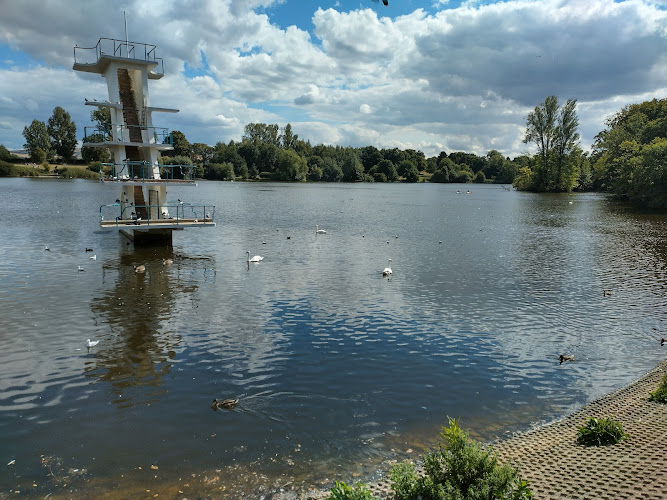
Coate Water Country Park
Find Accommodations Nearby
Recommended Tours & Activities
Visitor Reviews
There are no reviews yet. Be the first one to write one.
Share Your Experience
Have you visited STEAM – Museum of the Great Western Railway? Help other travelers by leaving a review.