About Staten Island Boat Graveyard

Description

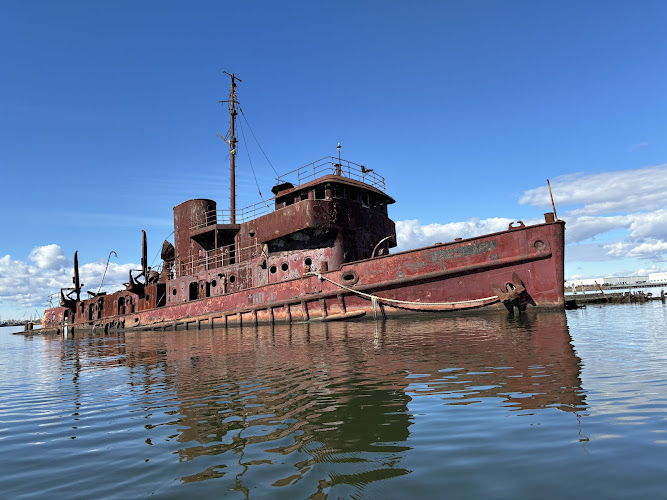
The Staten Island Boat Graveyard sits along the Arthur Kill waterway, presenting one of New York City's most hauntingly beautiful and unexpected sights. This collection of abandoned vessels has been decaying in the marshlands for decades, creating an eerie maritime landscape that feels worlds away from Manhattan's gleaming skyscrapers. When I first heard about a boat graveyard existing within NYC limits, I honestly thought someone was pulling my leg. But sure enough, this place exists and it's become something of an urban exploration legend. These aren't just a few dinky rowboats either. We're talking about dozens of tugboats, barges, ferries, and various work vessels that once served the bustling New York Harbor. The Witte Marine Equipment Company used this spot as their salvage yard starting in the 1930s, and over time it evolved into this accidental art installation of rusting metal and weathered wood. The company would strip valuable parts from decommissioned boats and leave the hulls to slowly return to nature. What makes this place particularly fascinating is how nature has reclaimed these industrial relics. Trees grow straight through the decks of old tugboats, vines wrap around pilot houses, and birds nest in what used to be engine rooms. It's this collision between human ambition and nature's persistence that draws photographers, urban explorers, and curious travelers to catch glimpses of this unusual attraction. The whole scene looks like something out of a post-apocalyptic movie, except it's real and it's been hiding in plain sight for years. Now I should mention upfront that accessing this site isn't exactly straightforward, and that's actually part of its appeal for many visitors. The graveyard sits on private property and isn't an official tourist destination with parking lots and visitor centers. But that hasn't stopped it from gaining a cult following among those seeking off-the-beaten-path experiences in New York City.

Key Features

The Staten Island Boat Graveyard offers several remarkable elements that make it worth the effort to visit:
  • Historic vessels from different eras: The collection includes boats dating back to the early 20th century, representing various maritime trades and purposes that once kept New York Harbor functioning
  • Dramatic photo opportunities: The contrast of decaying industrial equipment against wetland vegetation creates striking compositions that photographers absolutely love, particularly during golden hour
  • Wildlife habitat: Despite the industrial origins, the site has become home to numerous bird species, fish, and plants that thrive in the sheltered waters around the deteriorating hulls
  • Viewing perspectives from multiple angles: Depending on where you position yourself along the shore or nearby overlooks, you'll get completely different views of the graveyard's layout and individual vessels
  • Seasonal transformations: The site looks dramatically different across seasons, with winter exposing more skeletal structures and summer obscuring vessels behind lush marsh grasses and foliage
  • Maritime history lessons: Each vessel tells a story about New York's working waterfront, from tugboats that guided massive ships to barges that transported goods throughout the harbor
  • Urban exploration atmosphere: The somewhat secretive nature of visiting creates an adventure-like feeling that's hard to find at conventional tourist spots
  • Peaceful isolation: Despite being in one of the world's most crowded cities, you can often have views of the graveyard nearly to yourself, creating a contemplative experience

Best Time to Visit

Timing your visit to the Staten Island Boat Graveyard can make a huge difference in your experience. Late fall through early spring offers the clearest views of the vessels because the surrounding vegetation dies back significantly. When I've looked at photos from different seasons, the winter shots always show way more detail of individual boats since you're not competing with six feet of marsh grass blocking your sight lines. That said, autumn might actually be the sweet spot. You get reasonably good visibility of the boats while enjoying the beautiful fall colors that make the whole scene even more picturesque. The temperatures are comfortable for walking around, and you won't be dealing with summer's humidity or the swarms of mosquitoes that can make marshy areas pretty miserable from June through August. For photographers specifically, the golden hours around sunrise and sunset provide the most dramatic lighting. Early morning visits also tend to be quieter, though honestly this place rarely gets crowded anyway. Overcast days actually work really well here too because the even lighting brings out the textures of rust and decay without harsh shadows. Tidal conditions matter more than you might expect. Lower tides expose more of the boats' hulls and the mudflats around them, which can be interesting but also kind of unpleasant smelling. Higher tides make the vessels appear to float more naturally and generally create prettier reflections if the water's calm. Check a tide chart before heading out if this matters to you. Weekdays are obviously less busy than weekends if you're hoping to avoid other visitors. But given that this isn't exactly a mainstream attraction, you're unlikely to encounter tour buses full of people regardless of when you go. The bigger concern is just making sure you have enough daylight to safely explore the area and get back to public transportation or your car.

How to Get There

Getting to the Staten Island Boat Graveyard requires some planning since there's no official entrance or parking lot designated for visitors. The most common approach involves taking the Staten Island Railway to the Nassau station, then walking roughly 20-25 minutes westward toward the Arthur Kill waterway. You'll be heading through residential neighborhoods, so having a GPS-enabled device is basically essential unless you've been there before. Some folks drive and park in nearby residential areas, but please be respectful about where you leave your vehicle. Don't block driveways or take up spots clearly meant for residents. Street parking exists in the general vicinity, though it can be limited depending on what time you arrive. If you're coming from Manhattan, you'll need to take the Staten Island Ferry first, which is actually free and kind of a nice experience in itself with solid views of the harbor and Statue of Liberty. From the St. George Ferry Terminal, catch the Staten Island Railway toward Tottenville and get off at Nassau. The railway ride takes about 15 minutes and gives you a chance to see parts of Staten Island most tourists never experience. Another option that some visitors use is hiring a kayak from one of the local outfitters and paddling to view the graveyard from the water. This gives you a completely different perspective and technically doesn't involve trespassing on private property since you're staying in the waterway. But you need to be a competent paddler because the Arthur Kill has commercial ship traffic, currents, and weather conditions that can change quickly. Just be aware that there isn't really an official public viewing area with amenities. You're essentially finding spots along the shoreline or nearby streets where you can see the boats. This adds to the adventure but also means no bathrooms, concession stands, or information plaques explaining what you're looking at.

Tips for Visiting

Before you head out to the Staten Island Boat Graveyard, there are several things you should know to make your visit safer and more enjoyable. First and foremost, understand that this is private property. While many people have visited and photographed the site, technically entering the actual salvage yard area constitutes trespassing. Most visitors view the boats from public streets and shoreline areas where they're legally allowed to be. Wear appropriate footwear because you'll be walking through areas that might be muddy, uneven, or overgrown depending on where you're trying to get views from. Those cute sandals or brand new sneakers probably aren't the best choice here. I'd go with waterproof boots or sturdy hiking shoes that you don't mind getting dirty. Bring insect repellent during warmer months. Marshland areas breed mosquitoes like crazy, and they will absolutely feast on you if you're unprepared. Also consider long sleeves and pants both for bug protection and to avoid scratches from brush if you're moving through vegetation for better vantage points. Obviously bring your camera if you're interested in photography, but also consider bringing binoculars. They'll help you see details on the more distant vessels without needing to get closer to them. A telephoto lens serves the same purpose and lets you capture interesting close-ups of the decay, rust patterns, and nature reclamation happening on individual boats. Pack water and snacks since there aren't any facilities nearby. You might spend more time exploring and photographing than you initially planned, and the nearest convenience store or restaurant could be a 15-20 minute walk away. Check the weather forecast and don't go during heavy rain or storms. Beyond just being uncomfortable, the area can get slippery and potentially dangerous in wet conditions. Plus you won't be able to see or photograph much anyway if it's pouring. Be respectful of the surrounding neighborhood. People live near the graveyard, and they're used to occasional visitors, but don't be loud, leave trash, or behave in ways that would give urban explorers a bad name. We want to preserve access to interesting places like this by being responsible visitors. Consider visiting as part of a larger Staten Island exploration day. The borough has other interesting spots like the Snug Harbor Cultural Center, Fort Wadsworth, or the Staten Island Greenbelt that could round out your trip. And honestly, the ferry ride itself is worth the trip even if the boat graveyard somehow disappoints you. Finally, manage your expectations. This isn't a polished tourist attraction with interpretive signs and gift shops. It's a decaying industrial site that happens to be hauntingly beautiful and photographically interesting. Some people find it absolutely mesmerizing while others wonder what the fuss was about. But if you appreciate urban decay, maritime history, or off-the-beaten-path experiences, chances are you'll find the Staten Island Boat Graveyard worth the journey.

Key Features

  • Concentration of abandoned tugs, barges and small ships dating back decades
  • Dramatic, photogenic scenes with rusted hulls, exposed ribs and marshland backdrop
  • Accessible viewpoints along Arthur Kill Road and nearby shoreline (views vary by tide)
  • Rich industrial maritime history connected to New York Harbor
  • Wildlife and marsh ecosystem intermingled with decaying vessels

More Details

Updated January 18, 2026

Description

The Staten Island Boat Graveyard sits along the Arthur Kill waterway, presenting one of New York City’s most hauntingly beautiful and unexpected sights. This collection of abandoned vessels has been decaying in the marshlands for decades, creating an eerie maritime landscape that feels worlds away from Manhattan’s gleaming skyscrapers. When I first heard about a boat graveyard existing within NYC limits, I honestly thought someone was pulling my leg. But sure enough, this place exists and it’s become something of an urban exploration legend.

These aren’t just a few dinky rowboats either. We’re talking about dozens of tugboats, barges, ferries, and various work vessels that once served the bustling New York Harbor. The Witte Marine Equipment Company used this spot as their salvage yard starting in the 1930s, and over time it evolved into this accidental art installation of rusting metal and weathered wood. The company would strip valuable parts from decommissioned boats and leave the hulls to slowly return to nature.

What makes this place particularly fascinating is how nature has reclaimed these industrial relics. Trees grow straight through the decks of old tugboats, vines wrap around pilot houses, and birds nest in what used to be engine rooms. It’s this collision between human ambition and nature’s persistence that draws photographers, urban explorers, and curious travelers to catch glimpses of this unusual attraction. The whole scene looks like something out of a post-apocalyptic movie, except it’s real and it’s been hiding in plain sight for years.

Now I should mention upfront that accessing this site isn’t exactly straightforward, and that’s actually part of its appeal for many visitors. The graveyard sits on private property and isn’t an official tourist destination with parking lots and visitor centers. But that hasn’t stopped it from gaining a cult following among those seeking off-the-beaten-path experiences in New York City.

Key Features

The Staten Island Boat Graveyard offers several remarkable elements that make it worth the effort to visit:

  • Historic vessels from different eras: The collection includes boats dating back to the early 20th century, representing various maritime trades and purposes that once kept New York Harbor functioning
  • Dramatic photo opportunities: The contrast of decaying industrial equipment against wetland vegetation creates striking compositions that photographers absolutely love, particularly during golden hour
  • Wildlife habitat: Despite the industrial origins, the site has become home to numerous bird species, fish, and plants that thrive in the sheltered waters around the deteriorating hulls
  • Viewing perspectives from multiple angles: Depending on where you position yourself along the shore or nearby overlooks, you’ll get completely different views of the graveyard’s layout and individual vessels
  • Seasonal transformations: The site looks dramatically different across seasons, with winter exposing more skeletal structures and summer obscuring vessels behind lush marsh grasses and foliage
  • Maritime history lessons: Each vessel tells a story about New York’s working waterfront, from tugboats that guided massive ships to barges that transported goods throughout the harbor
  • Urban exploration atmosphere: The somewhat secretive nature of visiting creates an adventure-like feeling that’s hard to find at conventional tourist spots
  • Peaceful isolation: Despite being in one of the world’s most crowded cities, you can often have views of the graveyard nearly to yourself, creating a contemplative experience

Best Time to Visit

Timing your visit to the Staten Island Boat Graveyard can make a huge difference in your experience. Late fall through early spring offers the clearest views of the vessels because the surrounding vegetation dies back significantly. When I’ve looked at photos from different seasons, the winter shots always show way more detail of individual boats since you’re not competing with six feet of marsh grass blocking your sight lines.

That said, autumn might actually be the sweet spot. You get reasonably good visibility of the boats while enjoying the beautiful fall colors that make the whole scene even more picturesque. The temperatures are comfortable for walking around, and you won’t be dealing with summer’s humidity or the swarms of mosquitoes that can make marshy areas pretty miserable from June through August.

For photographers specifically, the golden hours around sunrise and sunset provide the most dramatic lighting. Early morning visits also tend to be quieter, though honestly this place rarely gets crowded anyway. Overcast days actually work really well here too because the even lighting brings out the textures of rust and decay without harsh shadows.

Tidal conditions matter more than you might expect. Lower tides expose more of the boats’ hulls and the mudflats around them, which can be interesting but also kind of unpleasant smelling. Higher tides make the vessels appear to float more naturally and generally create prettier reflections if the water’s calm. Check a tide chart before heading out if this matters to you.

Weekdays are obviously less busy than weekends if you’re hoping to avoid other visitors. But given that this isn’t exactly a mainstream attraction, you’re unlikely to encounter tour buses full of people regardless of when you go. The bigger concern is just making sure you have enough daylight to safely explore the area and get back to public transportation or your car.

How to Get There

Getting to the Staten Island Boat Graveyard requires some planning since there’s no official entrance or parking lot designated for visitors. The most common approach involves taking the Staten Island Railway to the Nassau station, then walking roughly 20-25 minutes westward toward the Arthur Kill waterway. You’ll be heading through residential neighborhoods, so having a GPS-enabled device is basically essential unless you’ve been there before.

Some folks drive and park in nearby residential areas, but please be respectful about where you leave your vehicle. Don’t block driveways or take up spots clearly meant for residents. Street parking exists in the general vicinity, though it can be limited depending on what time you arrive.

If you’re coming from Manhattan, you’ll need to take the Staten Island Ferry first, which is actually free and kind of a nice experience in itself with solid views of the harbor and Statue of Liberty. From the St. George Ferry Terminal, catch the Staten Island Railway toward Tottenville and get off at Nassau. The railway ride takes about 15 minutes and gives you a chance to see parts of Staten Island most tourists never experience.

Another option that some visitors use is hiring a kayak from one of the local outfitters and paddling to view the graveyard from the water. This gives you a completely different perspective and technically doesn’t involve trespassing on private property since you’re staying in the waterway. But you need to be a competent paddler because the Arthur Kill has commercial ship traffic, currents, and weather conditions that can change quickly.

Just be aware that there isn’t really an official public viewing area with amenities. You’re essentially finding spots along the shoreline or nearby streets where you can see the boats. This adds to the adventure but also means no bathrooms, concession stands, or information plaques explaining what you’re looking at.

Tips for Visiting

Before you head out to the Staten Island Boat Graveyard, there are several things you should know to make your visit safer and more enjoyable. First and foremost, understand that this is private property. While many people have visited and photographed the site, technically entering the actual salvage yard area constitutes trespassing. Most visitors view the boats from public streets and shoreline areas where they’re legally allowed to be.

Wear appropriate footwear because you’ll be walking through areas that might be muddy, uneven, or overgrown depending on where you’re trying to get views from. Those cute sandals or brand new sneakers probably aren’t the best choice here. I’d go with waterproof boots or sturdy hiking shoes that you don’t mind getting dirty.

Bring insect repellent during warmer months. Marshland areas breed mosquitoes like crazy, and they will absolutely feast on you if you’re unprepared. Also consider long sleeves and pants both for bug protection and to avoid scratches from brush if you’re moving through vegetation for better vantage points.

Obviously bring your camera if you’re interested in photography, but also consider bringing binoculars. They’ll help you see details on the more distant vessels without needing to get closer to them. A telephoto lens serves the same purpose and lets you capture interesting close-ups of the decay, rust patterns, and nature reclamation happening on individual boats.

Pack water and snacks since there aren’t any facilities nearby. You might spend more time exploring and photographing than you initially planned, and the nearest convenience store or restaurant could be a 15-20 minute walk away.

Check the weather forecast and don’t go during heavy rain or storms. Beyond just being uncomfortable, the area can get slippery and potentially dangerous in wet conditions. Plus you won’t be able to see or photograph much anyway if it’s pouring.

Be respectful of the surrounding neighborhood. People live near the graveyard, and they’re used to occasional visitors, but don’t be loud, leave trash, or behave in ways that would give urban explorers a bad name. We want to preserve access to interesting places like this by being responsible visitors.

Consider visiting as part of a larger Staten Island exploration day. The borough has other interesting spots like the Snug Harbor Cultural Center, Fort Wadsworth, or the Staten Island Greenbelt that could round out your trip. And honestly, the ferry ride itself is worth the trip even if the boat graveyard somehow disappoints you.

Finally, manage your expectations. This isn’t a polished tourist attraction with interpretive signs and gift shops. It’s a decaying industrial site that happens to be hauntingly beautiful and photographically interesting. Some people find it absolutely mesmerizing while others wonder what the fuss was about. But if you appreciate urban decay, maritime history, or off-the-beaten-path experiences, chances are you’ll find the Staten Island Boat Graveyard worth the journey.

Key Highlights

  • Concentration of abandoned tugs, barges and small ships dating back decades
  • Dramatic, photogenic scenes with rusted hulls, exposed ribs and marshland backdrop
  • Accessible viewpoints along Arthur Kill Road and nearby shoreline (views vary by tide)
  • Rich industrial maritime history connected to New York Harbor
  • Wildlife and marsh ecosystem intermingled with decaying vessels

Location

Places to Stay Near Staten Island Boat Graveyard

Find and Book a Tour

Explore More Travel Guides

No reviews found! Be the first to review!

Traveler Reviews for Staten Island Boat Graveyard

There are no reviews yet. Be the first one to write one.

Share Your Experience

Have you visited Staten Island Boat Graveyard? Help other travelers by sharing your review.

Nearby Attractions

Fresh Kills Park Sailors' Snug Harbor Cultural Center & Botanical Garden (Staten Island) Historic Richmond Town

Find Accommodations Nearby

Recommended Tours & Activities

Visitor Reviews

There are no reviews yet. Be the first one to write one.

Share Your Experience

Have you visited Staten Island Boat Graveyard? Help other travelers by leaving a review.