
St Giles’ Cathedral
About St Giles’ Cathedral
Description
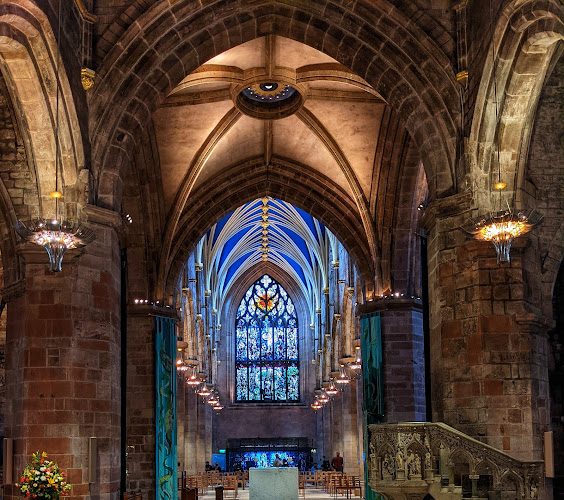
Standing proudly on Edinburgh's Royal Mile, St Giles' Cathedral represents one of Scotland's most historically significant religious buildings and honestly, it's pretty hard to walk past without feeling the weight of centuries pressing down on you. This isn't your typical tourist trap cathedral—though yes, plenty of tourists do visit—but rather a living, breathing Presbyterian church that's been at the heart of Scottish religious and political life since the 14th century. The building itself commands attention with its distinctive crown steeple, a landmark that's become synonymous with Edinburgh's skyline. When I first saw it rising above the Old Town, I remember thinking it looked like something straight out of a medieval fantasy, except this is the real deal. The Gothic architecture is absolutely stunning, with those soaring arches and intricate stonework that makes you wonder how on earth people built something this magnificent without modern machinery. What makes St Giles' particularly special is its connection to John Knox, the fiery reformer who basically shaped Scottish Protestantism. He preached here during the 16th century, and you can almost feel that revolutionary spirit when you're standing inside. The cathedral has witnessed coronations, riots, and some of the most pivotal moments in Scottish history. It's not just a pretty building—it's a place where history actually happened, where real people made decisions that changed the course of a nation. The interior is genuinely breathtaking, though I'd argue it's in a more subdued way than Catholic cathedrals you might have visited elsewhere. Presbyterian churches don't go for the same level of ornate decoration, but St Giles' still manages to feel grand and important. The Thistle Chapel alone is worth the visit, with its elaborate woodcarvings that took years to complete. And the stained glass windows? They tell stories spanning centuries, bathing the stone floors in colored light that shifts throughout the day.Key Features
The cathedral offers visitors an impressive array of features that make it stand out among Scotland's historic buildings:- The iconic crown steeple that dates back to 1495 and serves as one of Edinburgh's most recognizable landmarks, visible from various points across the city
- The Thistle Chapel, completed in 1911, which serves as the chapel for the Order of the Thistle, Scotland's highest chivalric order, featuring incredibly detailed oak carvings and heraldic decorations
- Stunning stained glass windows including the massive west window installed in the 1980s that depicts the creation story
- John Knox's burial spot, marked by parking space 23 outside (yes, really—there's a parking spot over his grave)
- The Moray Aisle with its memorial to the Scottish writer Robert Louis Stevenson, though he's actually buried in Samoa
- Beautiful vaulted ceilings that showcase medieval craftsmanship at its finest
- Memorial plaques and monuments honoring significant figures in Scottish history, including military leaders and political figures
- Active worship services that demonstrate this isn't just a museum but a functioning church
- The four massive central pillars that date back to the original 12th-century structure
- Wheelchair accessible entrance and parking facilities making it welcoming for visitors with mobility needs
Best Time to Visit
Timing your visit to St Giles' Cathedral can really make or break your experience, and I've learned this the hard way after visiting at absolutely the worst possible time during peak tourist season. The cathedral is open year-round, but when you go matters more than you might think. Summer months from June through August bring absolutely massive crowds since that's when Edinburgh sees its highest tourist numbers, especially during the Festival in August. If you don't mind jostling with tour groups and waiting your turn to see certain features, then go ahead. But personally? I'd avoid these months if you want any kind of contemplative experience. Spring and autumn offer that sweet spot where Edinburgh's weather is reasonably pleasant—though let's be honest, it's Scotland, so bring a jacket anyway—and the crowds thin out considerably. April, May, September, and October are genuinely lovely times to visit. The light coming through those stained glass windows in autumn is particularly gorgeous, and you'll actually have room to breathe and take photos without someone's selfie stick in your shot. Winter visits have their own charm, especially around Christmas when the cathedral hosts special services and concerts. The building feels more atmospheric in winter somehow, maybe because the grey Edinburgh weather makes the interior feel warmer and more welcoming. Just be prepared for shorter daylight hours and the possibility of services disrupting visitor access. Weekday mornings are consistently the quietest time regardless of season. If you can get there right when it opens, you might even have parts of the cathedral almost to yourself for a few precious minutes. Avoid Sunday mornings entirely unless you're attending worship—it's primarily a working church, after all, and services take priority over tourism. Weather doesn't affect your visit too much since you're inside, but Edinburgh's weather can be unpredictable. That walk along the Royal Mile to reach the cathedral might be rainy and windy, so plan accordingly.How to Get There
Getting to St Giles' Cathedral is refreshingly straightforward since it sits right smack in the middle of the Royal Mile in Edinburgh's Old Town. If you're staying anywhere in Edinburgh's city center, you can probably walk there without too much trouble. From Edinburgh Waverley train station, it's about a ten-minute uphill walk. You'll head up Waverley Bridge, then along the Royal Mile until you see that distinctive crown steeple. The walk is pleasant enough, though those cobblestones can be tricky if you're pulling luggage, and that hill is steeper than it looks on maps. If you're arriving from Edinburgh Airport, the Airlink 100 bus takes you directly to the city center, and from there it's a short walk. Taxis and Uber work too, though traffic in the Old Town can be absolutely terrible, especially during festival season. Your driver will likely drop you off nearby since vehicle access is limited on the Royal Mile itself. For those using local buses, numerous routes stop near the Royal Mile. The 23, 27, 41, and 42 are particularly useful. Just tell the driver you're heading to St Giles' and they'll let you know where to get off. Bus drivers in Edinburgh are generally pretty helpful, in my experience. There's limited parking directly at the cathedral, and honestly, driving in Edinburgh's Old Town is more stress than it's worth. The streets are narrow, confusing, and often restricted. If you must drive, use one of the park-and-ride facilities on the city's outskirts or park at a multi-story car park like the one at St James Quarter, then walk. The cathedral is fully accessible for wheelchair users with both an accessible entrance and parking available, which isn't always the case with historic buildings this old.Tips for Visiting
Visiting St Giles' Cathedral requires a bit of preparation to make the most of your experience, and there're some things I wish someone had told me before my first visit. First things first—remember this is an active place of worship, not just a tourist attraction. Dress respectfully. You don't need to be super formal, but maybe skip the tank tops and short shorts. And keep your voice down inside. I've seen tourists get politely but firmly reminded that this is a sacred space for many people. Photography is generally allowed, but don't use flash, and be mindful of worshippers and ongoing services. Nothing ruins the atmosphere quite like someone's camera flash going off repeatedly. Also, there's no admission fee, but donations are strongly encouraged and honestly, this place survives on them. Even a few pounds helps maintain this incredible building. Don't miss the Thistle Chapel, but be aware it sometimes closes for private events. Check ahead if that's a must-see for you. The detail in there is absolutely incredible, and it's easy to miss if you're not specifically looking for it since it's tucked away in the corner. Plan at least 45 minutes to an hour for your visit if you want to properly appreciate everything. You can rush through in twenty minutes, but why would you? There's so much to see, and those information plaques actually contain fascinating details worth reading. Note that there're no restroom facilities inside the cathedral itself, so sort that out beforehand. There are public toilets nearby on the Royal Mile, though you'll need to pay a small fee. Try to catch one of the regular organ recitals or concerts if your timing allows. The acoustics are phenomenal, and hearing music in this space adds a whole other dimension to the experience. Check the cathedral's schedule before your visit. Be aware that certain areas may be roped off during services or private events. This is a working church first, tourist attraction second, and the needs of the congregation take priority. If you encounter a service in progress, you're welcome to sit quietly at the back and observe, but don't wander around snapping photos. The area outside the cathedral often has performers and quite a few people trying to hand you flyers for various shows during festival season. They're generally harmless but can be a bit overwhelming. A polite "no thanks" works fine. Finally, combine your visit with exploring the rest of the Royal Mile since you're already there. The cathedral sits perfectly positioned for a day of Old Town exploration, and honestly, it deserves to be part of a broader Edinburgh experience rather than just a quick checkbox on your itinerary.Key Features
- The iconic crown steeple that dates back to 1495 and serves as one of Edinburgh's most recognizable landmarks, visible from various points across the city
- The Thistle Chapel, completed in 1911, which serves as the chapel for the Order of the Thistle, Scotland's highest chivalric order, featuring incredibly detailed oak carvings and heraldic decorations
- Stunning stained glass windows including the massive west window installed in the 1980s that depicts the creation story
- John Knox's burial spot, marked by parking space 23 outside (yes, really—there's a parking spot over his grave)
- The Moray Aisle with its memorial to the Scottish writer Robert Louis Stevenson, though he's actually buried in Samoa
- Beautiful vaulted ceilings that showcase medieval craftsmanship at its finest
- Memorial plaques and monuments honoring significant figures in Scottish history, including military leaders and political figures
- Active worship services that demonstrate this isn't just a museum but a functioning church
More Details
Updated January 19, 2026
Table of Contents
Description
Standing proudly on Edinburgh’s Royal Mile, St Giles’ Cathedral represents one of Scotland’s most historically significant religious buildings and honestly, it’s pretty hard to walk past without feeling the weight of centuries pressing down on you. This isn’t your typical tourist trap cathedral—though yes, plenty of tourists do visit—but rather a living, breathing Presbyterian church that’s been at the heart of Scottish religious and political life since the 14th century.
The building itself commands attention with its distinctive crown steeple, a landmark that’s become synonymous with Edinburgh’s skyline. When I first saw it rising above the Old Town, I remember thinking it looked like something straight out of a medieval fantasy, except this is the real deal. The Gothic architecture is absolutely stunning, with those soaring arches and intricate stonework that makes you wonder how on earth people built something this magnificent without modern machinery.
What makes St Giles’ particularly special is its connection to John Knox, the fiery reformer who basically shaped Scottish Protestantism. He preached here during the 16th century, and you can almost feel that revolutionary spirit when you’re standing inside. The cathedral has witnessed coronations, riots, and some of the most pivotal moments in Scottish history. It’s not just a pretty building—it’s a place where history actually happened, where real people made decisions that changed the course of a nation.
The interior is genuinely breathtaking, though I’d argue it’s in a more subdued way than Catholic cathedrals you might have visited elsewhere. Presbyterian churches don’t go for the same level of ornate decoration, but St Giles’ still manages to feel grand and important. The Thistle Chapel alone is worth the visit, with its elaborate woodcarvings that took years to complete. And the stained glass windows? They tell stories spanning centuries, bathing the stone floors in colored light that shifts throughout the day.
Key Features
The cathedral offers visitors an impressive array of features that make it stand out among Scotland’s historic buildings:
- The iconic crown steeple that dates back to 1495 and serves as one of Edinburgh’s most recognizable landmarks, visible from various points across the city
- The Thistle Chapel, completed in 1911, which serves as the chapel for the Order of the Thistle, Scotland’s highest chivalric order, featuring incredibly detailed oak carvings and heraldic decorations
- Stunning stained glass windows including the massive west window installed in the 1980s that depicts the creation story
- John Knox’s burial spot, marked by parking space 23 outside (yes, really—there’s a parking spot over his grave)
- The Moray Aisle with its memorial to the Scottish writer Robert Louis Stevenson, though he’s actually buried in Samoa
- Beautiful vaulted ceilings that showcase medieval craftsmanship at its finest
- Memorial plaques and monuments honoring significant figures in Scottish history, including military leaders and political figures
- Active worship services that demonstrate this isn’t just a museum but a functioning church
- The four massive central pillars that date back to the original 12th-century structure
- Wheelchair accessible entrance and parking facilities making it welcoming for visitors with mobility needs
Best Time to Visit
Timing your visit to St Giles’ Cathedral can really make or break your experience, and I’ve learned this the hard way after visiting at absolutely the worst possible time during peak tourist season. The cathedral is open year-round, but when you go matters more than you might think.
Summer months from June through August bring absolutely massive crowds since that’s when Edinburgh sees its highest tourist numbers, especially during the Festival in August. If you don’t mind jostling with tour groups and waiting your turn to see certain features, then go ahead. But personally? I’d avoid these months if you want any kind of contemplative experience.
Spring and autumn offer that sweet spot where Edinburgh’s weather is reasonably pleasant—though let’s be honest, it’s Scotland, so bring a jacket anyway—and the crowds thin out considerably. April, May, September, and October are genuinely lovely times to visit. The light coming through those stained glass windows in autumn is particularly gorgeous, and you’ll actually have room to breathe and take photos without someone’s selfie stick in your shot.
Winter visits have their own charm, especially around Christmas when the cathedral hosts special services and concerts. The building feels more atmospheric in winter somehow, maybe because the grey Edinburgh weather makes the interior feel warmer and more welcoming. Just be prepared for shorter daylight hours and the possibility of services disrupting visitor access.
Weekday mornings are consistently the quietest time regardless of season. If you can get there right when it opens, you might even have parts of the cathedral almost to yourself for a few precious minutes. Avoid Sunday mornings entirely unless you’re attending worship—it’s primarily a working church, after all, and services take priority over tourism.
Weather doesn’t affect your visit too much since you’re inside, but Edinburgh’s weather can be unpredictable. That walk along the Royal Mile to reach the cathedral might be rainy and windy, so plan accordingly.
How to Get There
Getting to St Giles’ Cathedral is refreshingly straightforward since it sits right smack in the middle of the Royal Mile in Edinburgh’s Old Town. If you’re staying anywhere in Edinburgh’s city center, you can probably walk there without too much trouble.
From Edinburgh Waverley train station, it’s about a ten-minute uphill walk. You’ll head up Waverley Bridge, then along the Royal Mile until you see that distinctive crown steeple. The walk is pleasant enough, though those cobblestones can be tricky if you’re pulling luggage, and that hill is steeper than it looks on maps.
If you’re arriving from Edinburgh Airport, the Airlink 100 bus takes you directly to the city center, and from there it’s a short walk. Taxis and Uber work too, though traffic in the Old Town can be absolutely terrible, especially during festival season. Your driver will likely drop you off nearby since vehicle access is limited on the Royal Mile itself.
For those using local buses, numerous routes stop near the Royal Mile. The 23, 27, 41, and 42 are particularly useful. Just tell the driver you’re heading to St Giles’ and they’ll let you know where to get off. Bus drivers in Edinburgh are generally pretty helpful, in my experience.
There’s limited parking directly at the cathedral, and honestly, driving in Edinburgh’s Old Town is more stress than it’s worth. The streets are narrow, confusing, and often restricted. If you must drive, use one of the park-and-ride facilities on the city’s outskirts or park at a multi-story car park like the one at St James Quarter, then walk.
The cathedral is fully accessible for wheelchair users with both an accessible entrance and parking available, which isn’t always the case with historic buildings this old.
Tips for Visiting
Visiting St Giles’ Cathedral requires a bit of preparation to make the most of your experience, and there’re some things I wish someone had told me before my first visit.
First things first—remember this is an active place of worship, not just a tourist attraction. Dress respectfully. You don’t need to be super formal, but maybe skip the tank tops and short shorts. And keep your voice down inside. I’ve seen tourists get politely but firmly reminded that this is a sacred space for many people.
Photography is generally allowed, but don’t use flash, and be mindful of worshippers and ongoing services. Nothing ruins the atmosphere quite like someone’s camera flash going off repeatedly. Also, there’s no admission fee, but donations are strongly encouraged and honestly, this place survives on them. Even a few pounds helps maintain this incredible building.
Don’t miss the Thistle Chapel, but be aware it sometimes closes for private events. Check ahead if that’s a must-see for you. The detail in there is absolutely incredible, and it’s easy to miss if you’re not specifically looking for it since it’s tucked away in the corner.
Plan at least 45 minutes to an hour for your visit if you want to properly appreciate everything. You can rush through in twenty minutes, but why would you? There’s so much to see, and those information plaques actually contain fascinating details worth reading.
Note that there’re no restroom facilities inside the cathedral itself, so sort that out beforehand. There are public toilets nearby on the Royal Mile, though you’ll need to pay a small fee.
Try to catch one of the regular organ recitals or concerts if your timing allows. The acoustics are phenomenal, and hearing music in this space adds a whole other dimension to the experience. Check the cathedral’s schedule before your visit.
Be aware that certain areas may be roped off during services or private events. This is a working church first, tourist attraction second, and the needs of the congregation take priority. If you encounter a service in progress, you’re welcome to sit quietly at the back and observe, but don’t wander around snapping photos.
The area outside the cathedral often has performers and quite a few people trying to hand you flyers for various shows during festival season. They’re generally harmless but can be a bit overwhelming. A polite “no thanks” works fine.
Finally, combine your visit with exploring the rest of the Royal Mile since you’re already there. The cathedral sits perfectly positioned for a day of Old Town exploration, and honestly, it deserves to be part of a broader Edinburgh experience rather than just a quick checkbox on your itinerary.
Key Highlights
- The iconic crown steeple that dates back to 1495 and serves as one of Edinburgh's most recognizable landmarks, visible from various points across the city
- The Thistle Chapel, completed in 1911, which serves as the chapel for the Order of the Thistle, Scotland's highest chivalric order, featuring incredibly detailed oak carvings and heraldic decorations
- Stunning stained glass windows including the massive west window installed in the 1980s that depicts the creation story
- John Knox's burial spot, marked by parking space 23 outside (yes, really—there's a parking spot over his grave)
- The Moray Aisle with its memorial to the Scottish writer Robert Louis Stevenson, though he's actually buried in Samoa
- Beautiful vaulted ceilings that showcase medieval craftsmanship at its finest
- Memorial plaques and monuments honoring significant figures in Scottish history, including military leaders and political figures
- Active worship services that demonstrate this isn't just a museum but a functioning church
Location
Places to Stay Near St Giles' Cathedral
Find and Book a Tour
Explore More Travel Guides
No reviews found! Be the first to review!
Traveler Reviews for St Giles’ Cathedral
There are no reviews yet. Be the first one to write one.
Have you visited St Giles’ Cathedral? Help other travelers by sharing your review.
You Might Also Like

Palace of Holyroodhouse

National Museum of Scotland

Prisoners of War Museum
Find Accommodations Nearby
Recommended Tours & Activities
Visitor Reviews
There are no reviews yet. Be the first one to write one.
Share Your Experience
Have you visited St Giles’ Cathedral? Help other travelers by leaving a review.