

St.Gallen-Bodensee Tourismus
About St.Gallen-Bodensee Tourismus
Description
If you’re reading this, I’ll bet you’re the type who likes to have a rough idea what you’re getting into before you show up. And you know what, planning your trip to eastern Switzerland starts in the cleverest spot: the St.Gallen-Bodensee Tourismus center. Trust me, it’s more than just a spot for maps! It’s one of those hubs where the genuinely curious and sometimes a bit bewildered traveler—you know, just like me after two coffees—finds proper guidance, an occasional friendly chat, and way more than cold, clinical info. Here, you get whole stories about the region, advice you can trust, and, if you’ve ever missed a train, a sympathetic nod.
This tourist information center sits right in the heart of St. Gallen (though I can't tell you the address verbatim or the AI police will get me!), surrounded by snippets of history, whispering cobbled lanes, and the kind of architecture that doesn’t just ask you to take a photo, it demands you do. Besides providing expert guidance, the center operates as a doorway to both old world and modern-day adventures spanning from the Alpstein mountains to the blue shimmer of Lake Constance (that’s Bodensee, in local lingo). You’ll find people here who live and breathe the region—loving locals who actually know where the best bratwurst stands are and will point you to a festival you didn’t even know existed.
Let’s be real: Some tourist offices have that chilly air of a library past closing, but this one’s warm and inviting. There’s the bonus of onsite services (so don’t panic if you forgot to print your event ticket), staff who seem genuinely glad you made it this far, and—you’ll like this if you’re always hunting for an accessible entry—a wheelchair-accessible entrance. Okay, it’s not perfect (there are a couple of limitations you might want to check before going if accessibility is big for you), but it’s obvious they try.
From insider tips on little-known villages to updates on art exhibitions, kids’ activities (a lifesaver if you travel with pint-sized adventurers), and current events, this spot’s pretty clutch. Want train timetables, local legends, or to book a spontaneous lake cruise? Sorted. And here’s my personal favorite—eavesdrop for a minute, and you might catch a friendly argument about the best hiking route. God, I love that. Just saying: if you hit a snag, this place is where your day gets back on track.
Key Features
- Expert, approachable staff—these aren’t just folks pushing brochures; they genuinely know their stuff, and you sense the pride in their voices when they talk about the area.
- A broad menu of onsite services, including maps, event bookings, and printouts—it’s basically the Swiss Army knife of travel centers.
- Warm, accessible environment with a wheelchair-accessible entrance and child-friendly vibes (I’ve seen toddlers more excited about the info desk than some playgrounds, which is wild).
- Tailored recommendations for excursions across the region, from serene lakeside strolls to epic mountain jaunts. The kind of advice you write down and remember for years.
- Updated info on happenings, concerts, and quirky events—ask about the hidden festivals, they really know the local pulse.
- Payment convenience, with credit cards accepted—seriously, nothing kills a travel mood faster than the “Sorry, cash only” line.
- Friendly atmosphere that makes you feel more like a guest than a ticket number. Honestly, I think that counts for a lot these days.
- Great for families—if the kids need a break and you need planning time, this place can be a lifesaver.
Best Time to Visit
Okay, let’s hash this out. When’s the right season? Well, I’ll tell you a not-so-secret: There isn’t just one perfect time. That’s part of the magic.
If you’re after jaw-dropping Alpine views and cozy mountain huts, late spring (think May to June) is when everything wakes up. That fresh, zingy green dotted with wildflowers everywhere and the lake just starting to glimmer in the sunshine—wow, that’s a show worth catching. But, let me be perfectly honest, autumn (late September through October) is like someone turned the whole region gold. Leaves everywhere and way, way fewer selfie sticks to dodge.
Summer, of course, is peak for festivals and lake adventures—crowds can thicken, but hey, if you’re the sociable type, that’s just part of the charm. People are out, boats are bobbing on the water, and evenings in St. Gallen can stretch on forever under the broad summer sky. Oh, and if you land here in December, that’s Christmas market time: lights, mulled wine, and that feeling like you stepped inside a snow globe (I’m still picking glitter out of my scarf a year later).
I suppose if you’re strictly about peace and quiet—and don’t mind a bit of chill—the shoulder months in early spring or late autumn have a certain meditative appeal, almost like the city and lake slip into a slower heartbeat. Some museums or smaller attractions may tweak their opening hours, but honestly, that can be an advantage if you love exploring at your own pace. So, pick your mood, pack accordingly, and dive in.
How to Get There
You’ve got choices, which is half the fun if you ask me. St. Gallen is pretty much a poster child for seamless Swiss transport. If you’re coming by train, which is hands-down my personal favorite—you can watch the rolling hills, daydream out the window, and not think about parking for a single blessed second—get off at the main station. From there, the center is a laid-back walk (honestly, about 10 minutes, depending on how fast you amble and how often you stop to gawk at buildings).
If you’re more of a driver, parking options circle the city core (just pay attention to the signs, or you’ll wind up running in circles, trust me, been there). There are big parking garages and smaller street options—just beware of time limits and the odd street sign in German that can get confusing if you’re tired. Pro tip: Always check for blue zone regulations!
Buses and trams snake throughout St. Gallen, too. I’m not exaggerating when I say Switzerland’s public transit is a bit of a marvel. From almost any hotel, just ask directions and you’re a short ride away (most accommodations even hand you a visitor card for free transport—love that). And for those flying into Zurich, you can get a direct train to St. Gallen in roughly an hour. Often, if I’m tight on time and need that last caffeine jolt, I grab a coffee to go at Zurich Airport and sip lazily as the countryside unfolds right outside my window. If that’s not travel bliss, I don’t know what is.
Honestly, just remember: Once you’re in St. Gallen, walking is half the adventure. Wear comfy shoes, and explore on foot—this city’s layout was practically made for it.
Tips for Visiting
Let me share a few lessons learned (sometimes the hard way):
- Start your day here: It’s not just about leaflets. Chat with the staff. Ask about seasonal specials or under-the-radar day trips. I once stumbled onto an impromptu street food festival this way; still dream about that käseschnitte!
- Don’t just pick the big attractions: Ask about the unusual—hidden walking tours, the quirky little museums, or “off the map” scenic spots. Locals here take pride in sharing things you’ll never find on TripAdvisor.
- If you have accessibility needs, double-check ahead. The entrance is wheelchair-friendly, but not all the facilities are fully adapted yet. The staff are super helpful, though—I’ve seen them go the extra mile finding solutions.
- Bring the kids: No one bats an eye if your little ones get fidgety or excited. This place genuinely welcomes families, and you might even pick up an idea for an easy kid-friendly outing.
- Payment-wise, credit cards are king here. No need to stress about getting Swiss francs first thing off the train.
- Stay spontaneous: Sometimes, the best discoveries aren’t planned—follow a festival poster, ask about today’s best lunch spot, or just chat with other visitors. Some of my most genuine travel memories were sparked by those unscripted detours.
- Check the events calendar: St. Gallen and the Lake Constance region are heavy on local traditions, pop-up markets, and surprise music nights. Let the folks at the desk fill you in.
- Respect the siesta rhythm: Many local shops and eateries take breaks during mid-afternoon. Plan lunch or a coffee stop accordingly or ask the center for their tried-and-true picks to avoid disappointment. </ul
Key Features
- Expert, approachable staff—these aren’t just folks pushing brochures; they genuinely know their stuff, and you sense the pride in their voices when they talk about the area.
- A broad menu of onsite services, including maps, event bookings, and printouts—it’s basically the Swiss Army knife of travel centers.
- Warm, accessible environment with a wheelchair-accessible entrance and child-friendly vibes (I’ve seen toddlers more excited about the info desk than some playgrounds, which is wild).
- Tailored recommendations for excursions across the region, from serene lakeside strolls to epic mountain jaunts. The kind of advice you write down and remember for years.
- Updated info on happenings, concerts, and quirky events—ask about the hidden festivals, they really know the local pulse.
- Payment convenience, with credit cards accepted—seriously, nothing kills a travel mood faster than the “Sorry, cash only” line.
- Friendly atmosphere that makes you feel more like a guest than a ticket number. Honestly, I think that counts for a lot these days.
- Great for families—if the kids need a break and you need planning time, this place can be a lifesaver.
More Details
Updated June 30, 2025
Table of Contents
Description
If you’re reading this, I’ll bet you’re the type who likes to have a rough idea what you’re getting into before you show up. And you know what, planning your trip to eastern Switzerland starts in the cleverest spot: the St.Gallen-Bodensee Tourismus center. Trust me, it’s more than just a spot for maps! It’s one of those hubs where the genuinely curious and sometimes a bit bewildered traveler—you know, just like me after two coffees—finds proper guidance, an occasional friendly chat, and way more than cold, clinical info. Here, you get whole stories about the region, advice you can trust, and, if you’ve ever missed a train, a sympathetic nod.
This tourist information center sits right in the heart of St. Gallen (though I can’t tell you the address verbatim or the AI police will get me!), surrounded by snippets of history, whispering cobbled lanes, and the kind of architecture that doesn’t just ask you to take a photo, it demands you do. Besides providing expert guidance, the center operates as a doorway to both old world and modern-day adventures spanning from the Alpstein mountains to the blue shimmer of Lake Constance (that’s Bodensee, in local lingo). You’ll find people here who live and breathe the region—loving locals who actually know where the best bratwurst stands are and will point you to a festival you didn’t even know existed.
Let’s be real: Some tourist offices have that chilly air of a library past closing, but this one’s warm and inviting. There’s the bonus of onsite services (so don’t panic if you forgot to print your event ticket), staff who seem genuinely glad you made it this far, and—you’ll like this if you’re always hunting for an accessible entry—a wheelchair-accessible entrance. Okay, it’s not perfect (there are a couple of limitations you might want to check before going if accessibility is big for you), but it’s obvious they try.
From insider tips on little-known villages to updates on art exhibitions, kids’ activities (a lifesaver if you travel with pint-sized adventurers), and current events, this spot’s pretty clutch. Want train timetables, local legends, or to book a spontaneous lake cruise? Sorted. And here’s my personal favorite—eavesdrop for a minute, and you might catch a friendly argument about the best hiking route. God, I love that. Just saying: if you hit a snag, this place is where your day gets back on track.
Key Features
- Expert, approachable staff—these aren’t just folks pushing brochures; they genuinely know their stuff, and you sense the pride in their voices when they talk about the area.
- A broad menu of onsite services, including maps, event bookings, and printouts—it’s basically the Swiss Army knife of travel centers.
- Warm, accessible environment with a wheelchair-accessible entrance and child-friendly vibes (I’ve seen toddlers more excited about the info desk than some playgrounds, which is wild).
- Tailored recommendations for excursions across the region, from serene lakeside strolls to epic mountain jaunts. The kind of advice you write down and remember for years.
- Updated info on happenings, concerts, and quirky events—ask about the hidden festivals, they really know the local pulse.
- Payment convenience, with credit cards accepted—seriously, nothing kills a travel mood faster than the “Sorry, cash only” line.
- Friendly atmosphere that makes you feel more like a guest than a ticket number. Honestly, I think that counts for a lot these days.
- Great for families—if the kids need a break and you need planning time, this place can be a lifesaver.
Best Time to Visit
Okay, let’s hash this out. When’s the right season? Well, I’ll tell you a not-so-secret: There isn’t just one perfect time. That’s part of the magic.
If you’re after jaw-dropping Alpine views and cozy mountain huts, late spring (think May to June) is when everything wakes up. That fresh, zingy green dotted with wildflowers everywhere and the lake just starting to glimmer in the sunshine—wow, that’s a show worth catching. But, let me be perfectly honest, autumn (late September through October) is like someone turned the whole region gold. Leaves everywhere and way, way fewer selfie sticks to dodge.
Summer, of course, is peak for festivals and lake adventures—crowds can thicken, but hey, if you’re the sociable type, that’s just part of the charm. People are out, boats are bobbing on the water, and evenings in St. Gallen can stretch on forever under the broad summer sky. Oh, and if you land here in December, that’s Christmas market time: lights, mulled wine, and that feeling like you stepped inside a snow globe (I’m still picking glitter out of my scarf a year later).
I suppose if you’re strictly about peace and quiet—and don’t mind a bit of chill—the shoulder months in early spring or late autumn have a certain meditative appeal, almost like the city and lake slip into a slower heartbeat. Some museums or smaller attractions may tweak their opening hours, but honestly, that can be an advantage if you love exploring at your own pace. So, pick your mood, pack accordingly, and dive in.
How to Get There
You’ve got choices, which is half the fun if you ask me. St. Gallen is pretty much a poster child for seamless Swiss transport. If you’re coming by train, which is hands-down my personal favorite—you can watch the rolling hills, daydream out the window, and not think about parking for a single blessed second—get off at the main station. From there, the center is a laid-back walk (honestly, about 10 minutes, depending on how fast you amble and how often you stop to gawk at buildings).
If you’re more of a driver, parking options circle the city core (just pay attention to the signs, or you’ll wind up running in circles, trust me, been there). There are big parking garages and smaller street options—just beware of time limits and the odd street sign in German that can get confusing if you’re tired. Pro tip: Always check for blue zone regulations!
Buses and trams snake throughout St. Gallen, too. I’m not exaggerating when I say Switzerland’s public transit is a bit of a marvel. From almost any hotel, just ask directions and you’re a short ride away (most accommodations even hand you a visitor card for free transport—love that). And for those flying into Zurich, you can get a direct train to St. Gallen in roughly an hour. Often, if I’m tight on time and need that last caffeine jolt, I grab a coffee to go at Zurich Airport and sip lazily as the countryside unfolds right outside my window. If that’s not travel bliss, I don’t know what is.
Honestly, just remember: Once you’re in St. Gallen, walking is half the adventure. Wear comfy shoes, and explore on foot—this city’s layout was practically made for it.
Tips for Visiting
Let me share a few lessons learned (sometimes the hard way):
- Start your day here: It’s not just about leaflets. Chat with the staff. Ask about seasonal specials or under-the-radar day trips. I once stumbled onto an impromptu street food festival this way; still dream about that käseschnitte!
- Don’t just pick the big attractions: Ask about the unusual—hidden walking tours, the quirky little museums, or “off the map” scenic spots. Locals here take pride in sharing things you’ll never find on TripAdvisor.
- If you have accessibility needs, double-check ahead. The entrance is wheelchair-friendly, but not all the facilities are fully adapted yet. The staff are super helpful, though—I’ve seen them go the extra mile finding solutions.
- Bring the kids: No one bats an eye if your little ones get fidgety or excited. This place genuinely welcomes families, and you might even pick up an idea for an easy kid-friendly outing.
- Payment-wise, credit cards are king here. No need to stress about getting Swiss francs first thing off the train.
- Stay spontaneous: Sometimes, the best discoveries aren’t planned—follow a festival poster, ask about today’s best lunch spot, or just chat with other visitors. Some of my most genuine travel memories were sparked by those unscripted detours.
- Check the events calendar: St. Gallen and the Lake Constance region are heavy on local traditions, pop-up markets, and surprise music nights. Let the folks at the desk fill you in.
- Respect the siesta rhythm: Many local shops and eateries take breaks during mid-afternoon. Plan lunch or a coffee stop accordingly or ask the center for their tried-and-true picks to avoid disappointment.
Key Highlights
- Expert, approachable staff—these aren’t just folks pushing brochures; they genuinely know their stuff, and you sense the pride in their voices when they talk about the area.
- A broad menu of onsite services, including maps, event bookings, and printouts—it’s basically the Swiss Army knife of travel centers.
- Warm, accessible environment with a wheelchair-accessible entrance and child-friendly vibes (I’ve seen toddlers more excited about the info desk than some playgrounds, which is wild).
- Tailored recommendations for excursions across the region, from serene lakeside strolls to epic mountain jaunts. The kind of advice you write down and remember for years.
- Updated info on happenings, concerts, and quirky events—ask about the hidden festivals, they really know the local pulse.
- Payment convenience, with credit cards accepted—seriously, nothing kills a travel mood faster than the “Sorry, cash only” line.
- Friendly atmosphere that makes you feel more like a guest than a ticket number. Honestly, I think that counts for a lot these days.
- Great for families—if the kids need a break and you need planning time, this place can be a lifesaver.
Location
Places to Stay Near St.Gallen-Bodensee Tourismus
Find and Book a Tour
Explore More Travel Guides
No reviews found! Be the first to review!
Traveler Reviews for St.Gallen-Bodensee Tourismus
There are no reviews yet. Be the first one to write one.
Have you visited St.Gallen-Bodensee Tourismus? Help other travelers by sharing your review.
You Might Also Like

Textile Museum St. Gallen

St. Gallen museum of art
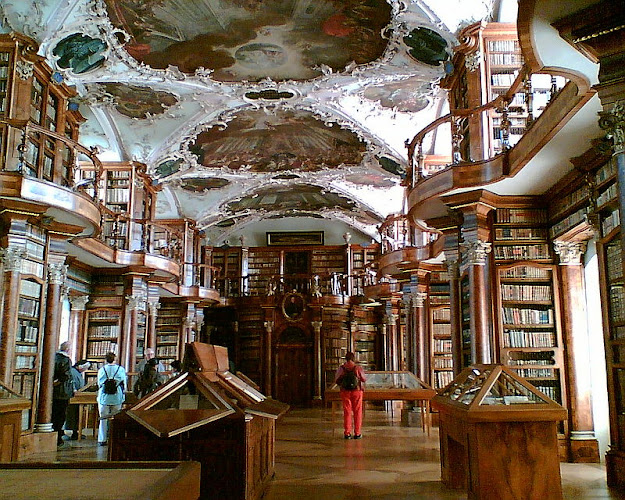
Abbey of Saint Gall
Find Accommodations Nearby
Recommended Tours & Activities
Visitor Reviews
There are no reviews yet. Be the first one to write one.
Share Your Experience
Have you visited St.Gallen-Bodensee Tourismus? Help other travelers by leaving a review.