
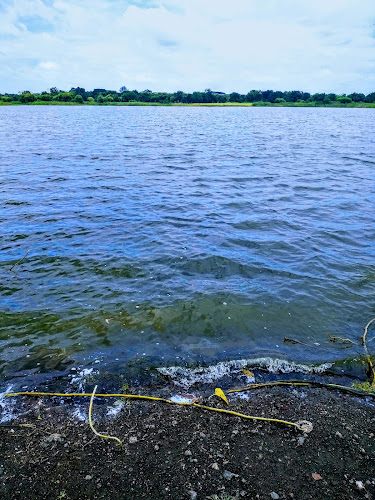
SRTMU Lake
About SRTMU Lake
Description
SRTMU Lake has become one of those places that genuinely surprises visitors who stumble upon it. And honestly, that's part of its charm. Located within the Swami Ramanand Teerth Marathwada University campus, this artificial water body serves multiple purposes – it's a peaceful retreat for students, a morning walk destination for locals, and increasingly, a spot that travelers are adding to their off-beat itineraries. The lake isn't going to compete with your typical tourist hotspots, and that's exactly what makes it special. I've noticed that some of the most memorable travel experiences happen in places that weren't necessarily designed for tourism. This body of water was created primarily for the university's ecosystem and as a water conservation measure, but it's evolved into something more meaningful for the community and visitors alike. What strikes most people first is the sense of calm here. University campuses have this unique atmosphere – there's intellectual energy mixed with youthful enthusiasm, yet somehow they maintain pockets of tranquility. SRTMU Lake sits right in one of those pockets. The water reflects the sky in that way that makes you want to just sit and stare for longer than you probably should. The lake has attracted a decent bird population over the years, which wasn't entirely planned but has become one of its defining characteristics. Nature has a way of reclaiming spaces we create, doesn't it? Students often sit by the banks with their books, though let's be real – they're probably scrolling through their phones just as often. But the point is, the space offers them that option to disconnect, even if they don't always take it.Key Features
The lake presents several distinctive aspects that make it worth considering for your travel itinerary: • The serene campus setting provides a different backdrop compared to typical tourist lakes – you're essentially experiencing local academic life while enjoying natural beauty • Bird watching opportunities have grown substantially, with several migratory species making appearances during specific seasons, particularly between November and February • The walking paths around the lake stretch approximately 2 kilometers, making it perfect for morning jogs or evening strolls without feeling too strenuous • Photography enthusiasts find the reflections during golden hour particularly rewarding, especially when the university buildings create interesting compositions with the water • The lake supports a modest ecosystem with fish and aquatic plants, demonstrating successful water conservation practices in an educational setting • Local students and faculty use the area for informal gatherings, giving visitors an authentic glimpse into everyday life rather than staged tourist experiences • Benches are scattered around the perimeter, though they fill up quickly during cooler parts of the day • The area remains relatively clean compared to many public water bodies in India, thanks to the university's maintenance efforts and environmental awareness among students • Minimal commercialization means you won't find aggressive vendors or overcrowding, though this also means limited facilitiesBest Time to Visit
Timing really matters when you're planning to visit SRTMU Lake, and I can't stress this enough. The lake experiences dramatic seasonal variations that'll completely change your experience. Winter months from November through February offer the most comfortable conditions. Temperatures hover between 15 to 25 degrees Celsius, which is absolutely perfect for spending time outdoors. This is when the bird population peaks too. I've heard from regular visitors that early mornings during this period can be magical – mist rising from the water surface, birds actively feeding, and that crisp air that makes you feel more alive somehow. Monsoon season from June to September transforms the lake entirely. The water levels rise, everything turns green, and there's this freshness in the air that's hard to describe. But here's the thing – you'll need to be okay with unpredictable weather. Sudden showers can cut your visit short, and the paths might get muddy. Some people love this moody atmosphere, others not so much. Summer months from March to May can be brutal, honestly. Temperatures often cross 40 degrees Celsius, and the exposed walking paths offer little shade. The lake water levels drop noticeably, and the heat makes extended outdoor time uncomfortable for most visitors. If you must visit during summer, aim for very early morning (before 7 AM) or late evening (after 6 PM). Weekday mornings typically see fewer crowds compared to weekends when local families and college students occupy the space. The university operates year-round except during semester breaks, which actually makes the area quieter during late May and late December. Post-monsoon months of October and early November present perhaps the ideal sweet spot – the landscape is still fresh from rains, temperatures are dropping, and early migratory birds start arriving.How to Get There
Getting to SRTMU Lake requires understanding its location within the broader Nanded region. The university campus sits on the outskirts of Nanded city in Maharashtra, approximately 8 kilometers from the main railway station. If you're arriving by train, Nanded is well-connected to major cities like Mumbai, Pune, Hyderabad, and Delhi. From Nanded railway station, auto-rickshaws are your most practical option. The ride takes about 20-25 minutes depending on traffic, and you should expect to pay between 150-200 rupees. Make sure to negotiate the fare beforehand or insist on using the meter, though most drivers prefer fixed rates for this distance. Local buses run from the main bus stand to the university area, but they're infrequent and might not drop you right at the lake. You'd need to ask locals for the specific route number, as it changes occasionally. For those driving personal vehicles, the campus is accessible via the Nanded-Mudkhed Road. Parking is available near the main gate, though space can be limited during university working hours. The roads are decent, but watch out for speed breakers that appear without much warning. If you're staying in Nanded city center, hiring a taxi for a few hours might make sense, especially if you want to explore other nearby attractions on the same trip. This typically costs around 800-1200 rupees for a half-day rental. App-based cabs operate in Nanded, though availability isn't as reliable as in metro cities. It's worth trying, but have a backup plan. Once you enter the university campus, you'll need to follow signs or ask security personnel for directions to the lake. The campus is fairly large, and first-time visitors sometimes struggle with navigation. Most university staff and students are helpful if you ask politely.Tips for Visiting
Planning ahead makes the difference between a frustrating visit and a memorable one. Here are some practical insights from people who've actually spent time at SRTMU Lake. Carry your own water and snacks. The campus has limited food options, and you won't find many vendors near the lake itself. This isn't a commercial tourist spot with facilities at every corner. I learned this the hard way during my travels – assuming every destination has convenient refreshment options leads to disappointment. Respect the university environment. You're essentially a guest in an educational institution, so behavior matters. Keep noise levels reasonable, don't litter, and remember that students are trying to study or relax here. The positive reviews this place receives partly stem from visitors maintaining decorum. Footwear matters more than you'd think. The paths are mostly paved but can have uneven sections. Comfortable walking shoes beat fancy sandals every time. And during monsoon, waterproof footwear becomes essential. Photography is generally allowed, but be mindful of taking pictures of students without permission. The university administration is usually accommodating to visitors, but abusing photography privileges could lead to restrictions. Mosquitoes can be an issue, particularly during dawn, dusk, and post-monsoon periods. A good insect repellent should be part of your daypack. Standing water attracts mosquitoes – that's just basic biology. Check university holiday schedules if possible. During major exam periods or institutional holidays, the campus atmosphere changes, and sometimes access might be restricted. A quick phone call to the university's general administration can save you a wasted trip. Early morning visits between 6 AM and 8 AM offer the best experience for most travelers. The light is beautiful, temperatures are comfortable, bird activity peaks, and you'll encounter fewer crowds. Plus, you'll see the lake being used by the community in its most authentic way – morning walkers, students preparing for exams, elderly locals doing yoga. Sunset visits work well too, though the western side gets more crowded during this time. The evening light creates some stunning photography opportunities if you position yourself correctly. Don't expect extensive infrastructure or guided tours. This isn't that kind of place. The appeal lies in its simplicity and authenticity. Visitors who arrive with expectations of a developed tourist destination sometimes feel disappointed, while those who appreciate low-key natural spaces tend to rate their experience highly. Interaction with students can enrich your visit significantly. Many are happy to share their perspectives on the lake, recommend other local spots, or simply have a conversation. These spontaneous interactions often become the most memorable parts of traveling. Finally, combine your lake visit with exploring other parts of the university campus if permitted. The architecture and layout of educational institutions often tell interesting stories about regional development and priorities.Key Features
- Located within Swami Ramanand Teerth Marathwada University campus
- Artificial landscaped water body with walking paths
- Good spot for birdwatching and casual photography
- Peaceful atmosphere popular with students and local families
- Close to Nanded-Waghala city amenities and transport links
More Details
Updated March 30, 2026
Table of Contents
Description
SRTMU Lake has become one of those places that genuinely surprises visitors who stumble upon it. And honestly, that’s part of its charm. Located within the Swami Ramanand Teerth Marathwada University campus, this artificial water body serves multiple purposes – it’s a peaceful retreat for students, a morning walk destination for locals, and increasingly, a spot that travelers are adding to their off-beat itineraries.
The lake isn’t going to compete with your typical tourist hotspots, and that’s exactly what makes it special. I’ve noticed that some of the most memorable travel experiences happen in places that weren’t necessarily designed for tourism. This body of water was created primarily for the university’s ecosystem and as a water conservation measure, but it’s evolved into something more meaningful for the community and visitors alike.
What strikes most people first is the sense of calm here. University campuses have this unique atmosphere – there’s intellectual energy mixed with youthful enthusiasm, yet somehow they maintain pockets of tranquility. SRTMU Lake sits right in one of those pockets. The water reflects the sky in that way that makes you want to just sit and stare for longer than you probably should.
The lake has attracted a decent bird population over the years, which wasn’t entirely planned but has become one of its defining characteristics. Nature has a way of reclaiming spaces we create, doesn’t it? Students often sit by the banks with their books, though let’s be real – they’re probably scrolling through their phones just as often. But the point is, the space offers them that option to disconnect, even if they don’t always take it.
Key Features
The lake presents several distinctive aspects that make it worth considering for your travel itinerary:
• The serene campus setting provides a different backdrop compared to typical tourist lakes – you’re essentially experiencing local academic life while enjoying natural beauty
• Bird watching opportunities have grown substantially, with several migratory species making appearances during specific seasons, particularly between November and February
• The walking paths around the lake stretch approximately 2 kilometers, making it perfect for morning jogs or evening strolls without feeling too strenuous
• Photography enthusiasts find the reflections during golden hour particularly rewarding, especially when the university buildings create interesting compositions with the water
• The lake supports a modest ecosystem with fish and aquatic plants, demonstrating successful water conservation practices in an educational setting
• Local students and faculty use the area for informal gatherings, giving visitors an authentic glimpse into everyday life rather than staged tourist experiences
• Benches are scattered around the perimeter, though they fill up quickly during cooler parts of the day
• The area remains relatively clean compared to many public water bodies in India, thanks to the university’s maintenance efforts and environmental awareness among students
• Minimal commercialization means you won’t find aggressive vendors or overcrowding, though this also means limited facilities
Best Time to Visit
Timing really matters when you’re planning to visit SRTMU Lake, and I can’t stress this enough. The lake experiences dramatic seasonal variations that’ll completely change your experience.
Winter months from November through February offer the most comfortable conditions. Temperatures hover between 15 to 25 degrees Celsius, which is absolutely perfect for spending time outdoors. This is when the bird population peaks too. I’ve heard from regular visitors that early mornings during this period can be magical – mist rising from the water surface, birds actively feeding, and that crisp air that makes you feel more alive somehow.
Monsoon season from June to September transforms the lake entirely. The water levels rise, everything turns green, and there’s this freshness in the air that’s hard to describe. But here’s the thing – you’ll need to be okay with unpredictable weather. Sudden showers can cut your visit short, and the paths might get muddy. Some people love this moody atmosphere, others not so much.
Summer months from March to May can be brutal, honestly. Temperatures often cross 40 degrees Celsius, and the exposed walking paths offer little shade. The lake water levels drop noticeably, and the heat makes extended outdoor time uncomfortable for most visitors. If you must visit during summer, aim for very early morning (before 7 AM) or late evening (after 6 PM).
Weekday mornings typically see fewer crowds compared to weekends when local families and college students occupy the space. The university operates year-round except during semester breaks, which actually makes the area quieter during late May and late December.
Post-monsoon months of October and early November present perhaps the ideal sweet spot – the landscape is still fresh from rains, temperatures are dropping, and early migratory birds start arriving.
How to Get There
Getting to SRTMU Lake requires understanding its location within the broader Nanded region. The university campus sits on the outskirts of Nanded city in Maharashtra, approximately 8 kilometers from the main railway station.
If you’re arriving by train, Nanded is well-connected to major cities like Mumbai, Pune, Hyderabad, and Delhi. From Nanded railway station, auto-rickshaws are your most practical option. The ride takes about 20-25 minutes depending on traffic, and you should expect to pay between 150-200 rupees. Make sure to negotiate the fare beforehand or insist on using the meter, though most drivers prefer fixed rates for this distance.
Local buses run from the main bus stand to the university area, but they’re infrequent and might not drop you right at the lake. You’d need to ask locals for the specific route number, as it changes occasionally.
For those driving personal vehicles, the campus is accessible via the Nanded-Mudkhed Road. Parking is available near the main gate, though space can be limited during university working hours. The roads are decent, but watch out for speed breakers that appear without much warning.
If you’re staying in Nanded city center, hiring a taxi for a few hours might make sense, especially if you want to explore other nearby attractions on the same trip. This typically costs around 800-1200 rupees for a half-day rental.
App-based cabs operate in Nanded, though availability isn’t as reliable as in metro cities. It’s worth trying, but have a backup plan.
Once you enter the university campus, you’ll need to follow signs or ask security personnel for directions to the lake. The campus is fairly large, and first-time visitors sometimes struggle with navigation. Most university staff and students are helpful if you ask politely.
Tips for Visiting
Planning ahead makes the difference between a frustrating visit and a memorable one. Here are some practical insights from people who’ve actually spent time at SRTMU Lake.
Carry your own water and snacks. The campus has limited food options, and you won’t find many vendors near the lake itself. This isn’t a commercial tourist spot with facilities at every corner. I learned this the hard way during my travels – assuming every destination has convenient refreshment options leads to disappointment.
Respect the university environment. You’re essentially a guest in an educational institution, so behavior matters. Keep noise levels reasonable, don’t litter, and remember that students are trying to study or relax here. The positive reviews this place receives partly stem from visitors maintaining decorum.
Footwear matters more than you’d think. The paths are mostly paved but can have uneven sections. Comfortable walking shoes beat fancy sandals every time. And during monsoon, waterproof footwear becomes essential.
Photography is generally allowed, but be mindful of taking pictures of students without permission. The university administration is usually accommodating to visitors, but abusing photography privileges could lead to restrictions.
Mosquitoes can be an issue, particularly during dawn, dusk, and post-monsoon periods. A good insect repellent should be part of your daypack. Standing water attracts mosquitoes – that’s just basic biology.
Check university holiday schedules if possible. During major exam periods or institutional holidays, the campus atmosphere changes, and sometimes access might be restricted. A quick phone call to the university’s general administration can save you a wasted trip.
Early morning visits between 6 AM and 8 AM offer the best experience for most travelers. The light is beautiful, temperatures are comfortable, bird activity peaks, and you’ll encounter fewer crowds. Plus, you’ll see the lake being used by the community in its most authentic way – morning walkers, students preparing for exams, elderly locals doing yoga.
Sunset visits work well too, though the western side gets more crowded during this time. The evening light creates some stunning photography opportunities if you position yourself correctly.
Don’t expect extensive infrastructure or guided tours. This isn’t that kind of place. The appeal lies in its simplicity and authenticity. Visitors who arrive with expectations of a developed tourist destination sometimes feel disappointed, while those who appreciate low-key natural spaces tend to rate their experience highly.
Interaction with students can enrich your visit significantly. Many are happy to share their perspectives on the lake, recommend other local spots, or simply have a conversation. These spontaneous interactions often become the most memorable parts of traveling.
Finally, combine your lake visit with exploring other parts of the university campus if permitted. The architecture and layout of educational institutions often tell interesting stories about regional development and priorities.
Key Highlights
- Located within Swami Ramanand Teerth Marathwada University campus
- Artificial landscaped water body with walking paths
- Good spot for birdwatching and casual photography
- Peaceful atmosphere popular with students and local families
- Close to Nanded-Waghala city amenities and transport links
Location
Places to Stay Near SRTMU Lake
Find and Book a Tour
Explore More Travel Guides
No reviews found! Be the first to review!
SRTMU Lake is a prominent Outdoors & Nature located in Nanded-Waghala, Nanded.
Traveler Reviews for SRTMU Lake
There are no reviews yet. Be the first one to write one.
Have you visited SRTMU Lake? Help other travelers by sharing your review.
Nearby Attractions
Find Accommodations Nearby
Recommended Tours & Activities
Visitor Reviews
There are no reviews yet. Be the first one to write one.
Share Your Experience
Have you visited SRTMU Lake? Help other travelers by leaving a review.