

Srimanthi Bai Memorial Government Museum
About Srimanthi Bai Memorial Government Museum
Description
The Srimanthi Bai Memorial Government Museum stands as one of India's oldest archeological institutions, having opened its doors way back in 1865. Now that's what I call staying power! This museum has been quietly preserving and showcasing incredible pieces of history for over 150 years, which honestly puts most modern attractions to shame. What makes this place really special is how it manages to tell the story of centuries through carefully curated collections that span multiple eras of Indian civilization. When you walk through these halls, you're essentially traveling through time. The museum houses an impressive array of artifacts that range from ancient coins that once changed hands in bustling marketplaces to intricate sculptures that adorned temples long before any of us were born. And the manuscripts? They're the kind of treasures that make history buffs weak in the knees. The building itself carries that old-world charm that modern architecture just can't replicate, no matter how hard it tries. There's something about these colonial-era structures that adds an extra layer of authenticity to the experience. You're not just looking at history – you're standing in it. For travelers seeking something beyond the usual tourist circuit, this museum offers a genuine glimpse into the region's rich cultural heritage. It's not one of those flashy, over-commercialized spots that feel more like theme parks than educational institutions. Instead, it maintains a dignified presence that respects both its collections and its visitors. The museum attracts a diverse crowd, from serious researchers and students to curious tourists and families looking to give their children an educational outing. And honestly, that mix of people adds to the atmosphere. You might find yourself standing next to a scholar taking meticulous notes or a grandmother explaining ancient traditions to her grandchildren.Key Features
The Srimanthi Bai Memorial Government Museum packs quite a punch when it comes to what's on display. Here's what makes this place worth your time:- Extensive Coin Collection: The numismatic section is genuinely impressive, featuring currency from various dynasties and periods that once ruled the region. These aren't just coins – they're tiny windows into economic systems and political powers that shaped history.
- Ancient Manuscripts: The museum preserves rare manuscripts written in different scripts and languages. Some of these documents are incredibly fragile yet remarkably well-maintained, offering insights into literature, religion, and daily life from centuries past.
- Sculpture Gallery: Stone and bronze sculptures from different periods showcase the artistic evolution of the region. The craftsmanship is mind-blowing when you consider the tools available to artisans back then.
- Archaeological Artifacts: Pottery, tools, weapons, and everyday objects help paint a complete picture of how people actually lived, worked, and fought through different eras.
- Historical Exhibits: Thematic displays that organize artifacts by period and cultural significance make it easier to understand the broader historical context.
- Educational Value: The museum serves as an excellent resource for students and researchers, with well-documented collections that support academic study.
- Family-Friendly Environment: The space is designed to accommodate children, making it a practical choice for families who want to combine education with entertainment.
- Basic Amenities: Restroom facilities are available on-site, though visitors should note there's no restaurant within the museum premises.
- Historical Building: The structure itself dates back to the 19th century and represents colonial-era architecture worth appreciating.
- Affordable Access: Compared to many tourist attractions, museums like this typically offer reasonable entry fees, making culture accessible to everyone.
Best Time to Visit
Timing your visit to the Srimanthi Bai Memorial Government Museum can make a real difference in your experience. Since this is an indoor attraction, you're not as weather-dependent as you would be at outdoor sites, but there are still some considerations worth keeping in mind. The cooler months between October and March generally offer the most comfortable conditions for exploring. Even though you'll be inside most of the time, getting to and from the museum during these months is just more pleasant. Nobody wants to arrive at a museum already exhausted from battling intense heat, right? Weekday mornings are absolutely your best bet if you prefer a quieter, more contemplative experience. I've found that museums just hit different when they're not crowded. You can actually take your time with each exhibit without feeling rushed or having to crane your neck over someone's shoulder for a better view. Tuesday through Thursday mornings tend to be particularly peaceful. But here's the thing – weekends and school holidays do get busier, especially since this is a good spot for kids. If you're traveling with children yourself, that might actually work in your favor because there's a certain energy that comes with other families around that can make the experience more engaging for younger visitors. Avoid visiting during major exam periods if possible, as student groups often descend on museums during project season. Not that there's anything wrong with enthusiastic students, but they do tend to travel in large groups that can temporarily monopolize certain sections. The museum typically has standard operating hours, but it's worth checking for any special closures or holiday schedules before you make the trip. Some museums close on specific weekdays or during certain festivals, and showing up to locked doors is nobody's idea of a good time. Early afternoon, right after lunch, often sees a slight dip in visitors before the evening crowd arrives. If morning visits don't work for your schedule, this window might be worth targeting.How to Get There
Getting to the Srimanthi Bai Memorial Government Museum isn't particularly complicated, though like most things in India, it helps to have a bit of flexibility and patience in your travel plans. The museum sits in an accessible area that's well-connected to major parts of the city. Auto-rickshaws are probably your most convenient option if you're staying somewhere central. They're affordable, relatively quick, and drivers generally know the museum well since it's an established landmark. Just make sure to either agree on a fare beforehand or insist on using the meter to avoid any unpleasant surprises. For those who prefer app-based cab services, options like Uber and Ola operate in the area and can drop you right at the entrance. This takes the bargaining element out of the equation entirely, which some travelers definitely appreciate. Plus, you get that nice air-conditioned comfort during the ride. Local buses also serve routes that pass near the museum. This is easily the most economical option, though it does require a bit more local knowledge to navigate successfully. If you're the adventurous type who enjoys figuring out public transportation systems, it's definitely doable. Ask your hotel staff or local contacts for specific bus numbers and routes. If you're driving yourself or hiring a car for the day, parking availability varies depending on the time and day of your visit. The area around historical buildings in India can sometimes be a bit chaotic parking-wise, so factor in a few extra minutes to find a spot. Many travelers actually combine their museum visit with other nearby attractions, making it part of a larger day of exploration. That approach makes a lot of sense from a logistics standpoint. Walking to the museum is feasible if your accommodation is in the vicinity, though you'll want to consider the weather and time of day. Early morning or late afternoon walks can be lovely, but midday in hot months? Not so much.Tips for Visiting
Let me share some practical advice that'll help you make the most of your time at the Srimanthi Bai Memorial Government Museum. First off, plan for at least two to three hours if you want to properly explore the collections. I know it's tempting to think you can rush through in an hour, but you'd be selling yourself short. These artifacts deserve more than a quick glance, and you'll regret hurrying once you're there. Bring a water bottle. Yes, there are restrooms available, but staying hydrated is important, especially if you're doing a lot of walking and standing. Some museums have restrictions on bringing food inside the galleries, but water is typically fine. Photography policies vary, so check the rules when you enter. Some sections might prohibit flash photography or restrict picture-taking altogether to protect sensitive artifacts. Respect these rules – they exist for good reasons related to preservation. Comfortable footwear is non-negotiable. You'll be on your feet for a while, and those fashionable but impractical shoes will turn your cultural experience into a foot pain marathon. Trust me on this one. If you're genuinely interested in the collections, consider hiring a guide if the museum offers that service. The context and stories behind artifacts can transform them from "old stuff behind glass" into fascinating historical narratives. Some museums have audio guides as alternatives, which give you the information without requiring you to match someone else's pace. Since there's no restaurant on site, eat before you arrive or plan to head out for food afterward. Trying to concentrate on ancient history while your stomach growls is less than ideal. Keep your expectations realistic about the facility itself. This isn't a modern, high-tech museum with interactive displays and climate-controlled galleries throughout. It's a historical institution that prioritizes preservation and education over flashy presentation. That's actually part of its charm, but it helps to know what you're walking into. Bring small bills for the entry fee and any additional costs. Change can sometimes be an issue at smaller institutions, and nobody wants to start their visit with an awkward transaction situation. If you're traveling with children, have a conversation beforehand about museum behavior. This place is genuinely good for kids, but they need to understand the importance of not touching artifacts and keeping their voices down. Make it a game or challenge rather than a list of don'ts. Check for any special exhibitions or events that might be happening during your visit. Sometimes museums host temporary displays that add extra value to your trip. Finally, take your time and don't feel pressured to see absolutely everything if certain sections don't interest you. Museums are personal experiences, and it's perfectly fine to linger where you're fascinated and move quickly through areas that don't grab you.Key Features
- Archaeological collection of regional sculptures and temple carvings
- Numismatic display featuring coins from different eras
- Geological and fossil specimens highlighting local geology
- Housed in a historic two-storey merchant building with period charm
- Small, focused galleries that allow intimate, unhurried viewing
More Details
Updated March 30, 2026
Table of Contents
- Description
- Key Features
- Best Time to Visit
- How to Get There
- Tips for Visiting
- Key Highlights
- Location
- Places to Stay Near Srimanthi Bai Memorial Government Museum
- Find and Book a Tour
- Explore More Travel Guides
- Nearby Places You Might Like
- Traveler Reviews for Srimanthi Bai Memorial Government Museum
- Share Your Experience
Description
The Srimanthi Bai Memorial Government Museum stands as one of India’s oldest archeological institutions, having opened its doors way back in 1865. Now that’s what I call staying power! This museum has been quietly preserving and showcasing incredible pieces of history for over 150 years, which honestly puts most modern attractions to shame.
What makes this place really special is how it manages to tell the story of centuries through carefully curated collections that span multiple eras of Indian civilization. When you walk through these halls, you’re essentially traveling through time. The museum houses an impressive array of artifacts that range from ancient coins that once changed hands in bustling marketplaces to intricate sculptures that adorned temples long before any of us were born. And the manuscripts? They’re the kind of treasures that make history buffs weak in the knees.
The building itself carries that old-world charm that modern architecture just can’t replicate, no matter how hard it tries. There’s something about these colonial-era structures that adds an extra layer of authenticity to the experience. You’re not just looking at history – you’re standing in it.
For travelers seeking something beyond the usual tourist circuit, this museum offers a genuine glimpse into the region’s rich cultural heritage. It’s not one of those flashy, over-commercialized spots that feel more like theme parks than educational institutions. Instead, it maintains a dignified presence that respects both its collections and its visitors.
The museum attracts a diverse crowd, from serious researchers and students to curious tourists and families looking to give their children an educational outing. And honestly, that mix of people adds to the atmosphere. You might find yourself standing next to a scholar taking meticulous notes or a grandmother explaining ancient traditions to her grandchildren.
Key Features
The Srimanthi Bai Memorial Government Museum packs quite a punch when it comes to what’s on display. Here’s what makes this place worth your time:
- Extensive Coin Collection: The numismatic section is genuinely impressive, featuring currency from various dynasties and periods that once ruled the region. These aren’t just coins – they’re tiny windows into economic systems and political powers that shaped history.
- Ancient Manuscripts: The museum preserves rare manuscripts written in different scripts and languages. Some of these documents are incredibly fragile yet remarkably well-maintained, offering insights into literature, religion, and daily life from centuries past.
- Sculpture Gallery: Stone and bronze sculptures from different periods showcase the artistic evolution of the region. The craftsmanship is mind-blowing when you consider the tools available to artisans back then.
- Archaeological Artifacts: Pottery, tools, weapons, and everyday objects help paint a complete picture of how people actually lived, worked, and fought through different eras.
- Historical Exhibits: Thematic displays that organize artifacts by period and cultural significance make it easier to understand the broader historical context.
- Educational Value: The museum serves as an excellent resource for students and researchers, with well-documented collections that support academic study.
- Family-Friendly Environment: The space is designed to accommodate children, making it a practical choice for families who want to combine education with entertainment.
- Basic Amenities: Restroom facilities are available on-site, though visitors should note there’s no restaurant within the museum premises.
- Historical Building: The structure itself dates back to the 19th century and represents colonial-era architecture worth appreciating.
- Affordable Access: Compared to many tourist attractions, museums like this typically offer reasonable entry fees, making culture accessible to everyone.
Best Time to Visit
Timing your visit to the Srimanthi Bai Memorial Government Museum can make a real difference in your experience. Since this is an indoor attraction, you’re not as weather-dependent as you would be at outdoor sites, but there are still some considerations worth keeping in mind.
The cooler months between October and March generally offer the most comfortable conditions for exploring. Even though you’ll be inside most of the time, getting to and from the museum during these months is just more pleasant. Nobody wants to arrive at a museum already exhausted from battling intense heat, right?
Weekday mornings are absolutely your best bet if you prefer a quieter, more contemplative experience. I’ve found that museums just hit different when they’re not crowded. You can actually take your time with each exhibit without feeling rushed or having to crane your neck over someone’s shoulder for a better view. Tuesday through Thursday mornings tend to be particularly peaceful.
But here’s the thing – weekends and school holidays do get busier, especially since this is a good spot for kids. If you’re traveling with children yourself, that might actually work in your favor because there’s a certain energy that comes with other families around that can make the experience more engaging for younger visitors.
Avoid visiting during major exam periods if possible, as student groups often descend on museums during project season. Not that there’s anything wrong with enthusiastic students, but they do tend to travel in large groups that can temporarily monopolize certain sections.
The museum typically has standard operating hours, but it’s worth checking for any special closures or holiday schedules before you make the trip. Some museums close on specific weekdays or during certain festivals, and showing up to locked doors is nobody’s idea of a good time.
Early afternoon, right after lunch, often sees a slight dip in visitors before the evening crowd arrives. If morning visits don’t work for your schedule, this window might be worth targeting.
How to Get There
Getting to the Srimanthi Bai Memorial Government Museum isn’t particularly complicated, though like most things in India, it helps to have a bit of flexibility and patience in your travel plans.
The museum sits in an accessible area that’s well-connected to major parts of the city. Auto-rickshaws are probably your most convenient option if you’re staying somewhere central. They’re affordable, relatively quick, and drivers generally know the museum well since it’s an established landmark. Just make sure to either agree on a fare beforehand or insist on using the meter to avoid any unpleasant surprises.
For those who prefer app-based cab services, options like Uber and Ola operate in the area and can drop you right at the entrance. This takes the bargaining element out of the equation entirely, which some travelers definitely appreciate. Plus, you get that nice air-conditioned comfort during the ride.
Local buses also serve routes that pass near the museum. This is easily the most economical option, though it does require a bit more local knowledge to navigate successfully. If you’re the adventurous type who enjoys figuring out public transportation systems, it’s definitely doable. Ask your hotel staff or local contacts for specific bus numbers and routes.
If you’re driving yourself or hiring a car for the day, parking availability varies depending on the time and day of your visit. The area around historical buildings in India can sometimes be a bit chaotic parking-wise, so factor in a few extra minutes to find a spot.
Many travelers actually combine their museum visit with other nearby attractions, making it part of a larger day of exploration. That approach makes a lot of sense from a logistics standpoint.
Walking to the museum is feasible if your accommodation is in the vicinity, though you’ll want to consider the weather and time of day. Early morning or late afternoon walks can be lovely, but midday in hot months? Not so much.
Tips for Visiting
Let me share some practical advice that’ll help you make the most of your time at the Srimanthi Bai Memorial Government Museum.
First off, plan for at least two to three hours if you want to properly explore the collections. I know it’s tempting to think you can rush through in an hour, but you’d be selling yourself short. These artifacts deserve more than a quick glance, and you’ll regret hurrying once you’re there.
Bring a water bottle. Yes, there are restrooms available, but staying hydrated is important, especially if you’re doing a lot of walking and standing. Some museums have restrictions on bringing food inside the galleries, but water is typically fine.
Photography policies vary, so check the rules when you enter. Some sections might prohibit flash photography or restrict picture-taking altogether to protect sensitive artifacts. Respect these rules – they exist for good reasons related to preservation.
Comfortable footwear is non-negotiable. You’ll be on your feet for a while, and those fashionable but impractical shoes will turn your cultural experience into a foot pain marathon. Trust me on this one.
If you’re genuinely interested in the collections, consider hiring a guide if the museum offers that service. The context and stories behind artifacts can transform them from “old stuff behind glass” into fascinating historical narratives. Some museums have audio guides as alternatives, which give you the information without requiring you to match someone else’s pace.
Since there’s no restaurant on site, eat before you arrive or plan to head out for food afterward. Trying to concentrate on ancient history while your stomach growls is less than ideal.
Keep your expectations realistic about the facility itself. This isn’t a modern, high-tech museum with interactive displays and climate-controlled galleries throughout. It’s a historical institution that prioritizes preservation and education over flashy presentation. That’s actually part of its charm, but it helps to know what you’re walking into.
Bring small bills for the entry fee and any additional costs. Change can sometimes be an issue at smaller institutions, and nobody wants to start their visit with an awkward transaction situation.
If you’re traveling with children, have a conversation beforehand about museum behavior. This place is genuinely good for kids, but they need to understand the importance of not touching artifacts and keeping their voices down. Make it a game or challenge rather than a list of don’ts.
Check for any special exhibitions or events that might be happening during your visit. Sometimes museums host temporary displays that add extra value to your trip.
Finally, take your time and don’t feel pressured to see absolutely everything if certain sections don’t interest you. Museums are personal experiences, and it’s perfectly fine to linger where you’re fascinated and move quickly through areas that don’t grab you.
Key Highlights
- Archaeological collection of regional sculptures and temple carvings
- Numismatic display featuring coins from different eras
- Geological and fossil specimens highlighting local geology
- Housed in a historic two-storey merchant building with period charm
- Small, focused galleries that allow intimate, unhurried viewing
Location
Places to Stay Near Srimanthi Bai Memorial Government Museum
Find and Book a Tour
Explore More Travel Guides
No reviews found! Be the first to review!
Srimanthi Bai Memorial Government Museum is a prominent museums located in Mangaluru.
Visit us at: VRPX+QGF, Bejai, Mangaluru, Karnataka 575004, India.
Traveler Reviews for Srimanthi Bai Memorial Government Museum
There are no reviews yet. Be the first one to write one.
Have you visited Srimanthi Bai Memorial Government Museum? Help other travelers by sharing your review.
Nearby Attractions
You Might Also Like

Hosabettu Beach
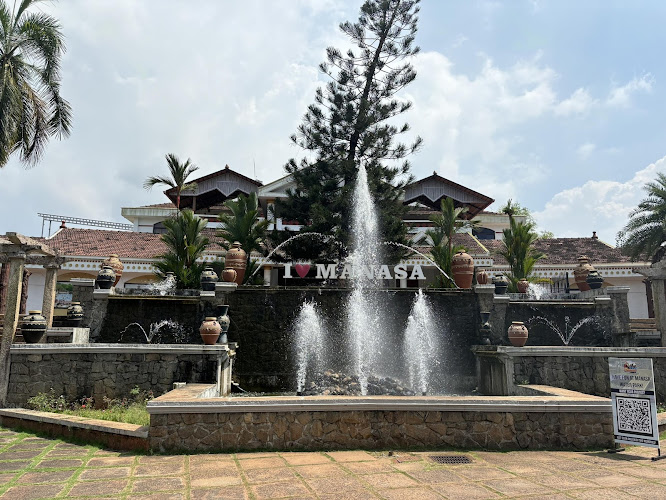
Manasa Water Park & Resorts

Shree Sharavu Mahaganapathi Temple
Find Accommodations Nearby
Recommended Tours & Activities
Visitor Reviews
There are no reviews yet. Be the first one to write one.
Share Your Experience
Have you visited Srimanthi Bai Memorial Government Museum? Help other travelers by leaving a review.