

Sri Lanka Air Force Museum
About Sri Lanka Air Force Museum
Description
The Sri Lanka Air Force Museum in RVFV+FJC, Ratmalana, Dehiwala-Mount Lavinia, Sri Lanka sits on an active air base and offers more than the usual museum circuit. It combines living aviation history with walkable displays of aircraft, engines, uniforms and equipment, and it quietly manages to be both educative and a little bit theatrical. Visitors move from hangar to apron, and the sense that these machines once roared to life lingers in the air. Because the site is on an operational air force base, there is a subtle tension between museum calm and real military presence — which for many is part of the appeal.
Exhibits focus on Sri Lanka's aviation story: early beginnings, the role of the air force during key periods of the nation's history, and the technology that shaped its missions. The museum mixes static displays with preserved vintage aircraft and informative panels. For travelers who nerd out on rivets and cockpit layouts, the close-up access to airframes, cockpits and flight instruments feels special. For families, the scale of the machines — the span of a wing, the cockpit's tiny seat — sparks simple, wide-eyed curiosity.
Practicalities are solid here: wheelchair-accessible entrance, parking and restrooms are available, and there's a small restaurant on site for snacks and cooling off. That's handy because the museum's outdoor sections pair well with a slow stroll, and on a hot afternoon a shaded break matters. Staff are generally helpful, and while displays are mostly English-friendly, a few placards are best interpreted with a patient eye and some questions asked to the guides on duty.
There are a few surprising touches that set this place apart. First, it is an operational base — so when a training sortie or transport movement happens, the museum atmosphere briefly shifts into a real-time aviation experience. Second, the collection includes not just aircraft but equipment and artifacts that give context: mission photos, communication gear, flight suits, medals and badges. Third, despite being close to Colombo, the museum keeps a somewhat low-key vibe; it is not tourist-overrun, which many visitors quietly appreciate.
Not everything is perfect; some parts of the museum show their age, and a handful of exhibits could use clearer labeling or better lighting. That said, the overall impression is positive and informative, especially for travelers who plan ahead and allocate a couple of hours to explore thoroughly.
Key Features
- Operational airbase setting offering authentic aviation atmosphere and occasional live flight activity
- Collection of vintage aircraft and helicopters, plus engines, avionics and cockpit displays
- History exhibits covering the development and missions of the Sri Lanka Air Force
- Wheelchair accessible entrance, parking and restrooms for inclusive visiting
- Onsite restaurant and restroom facilities to keep families comfortable
- Free parking lot and free street parking nearby — handy for drivers
- Good for kids with many tactile and visual exhibits that engage younger visitors
- Informative signage and helpful onsite staff, though some panels are older and sparse
- Photographic opportunities of large airframes and museum aprons (check photography rules)
Best Time to Visit
Timing a visit well improves the experience. The cooler months between November and March are generally more pleasant for wandering exposed apron areas and outdoor exhibits. Mornings, ideally around opening time, are quieter and often slightly breezier — and mornings sometimes coincide with base activities, which can be interesting if flights are scheduled. Late afternoons can also be good: the light falls nicely on aircraft surfaces and temperatures drop a bit.
Avoid visiting during the hottest midday hours in April and May if walking around in the sun bothers you. Weekdays usually see fewer casual tourists than weekends; however, weekends may be livelier with local families and school groups, which adds atmosphere if one prefers a busier scene. If a special air show or open day is announced, it can be spectacular — but expect crowds and limited parking during those events.
Because this is an active facility, visitors should check local notices about restricted days or ceremonies that might temporarily close parts of the museum. Planning flexibility pays off: have an alternate day in mind just in case a base event restricts visitor access on short notice.
How to Get There
Getting to the museum is straightforward from Colombo and nearby suburbs. For travelers coming from central Colombo, a tuk-tuk or taxi ride typically takes 20–35 minutes depending on traffic. Expect longer during peak commuting times; Colombo’s late-afternoon gridlock is real, so allow extra travel time if arriving or leaving during rush hours.
Public transport options include local buses that run to Ratmalana and Dehiwala-Mount Lavinia; some routes stop within easy walking distance of the airbase entrance. The closest train stations are a short tuk-tuk hop away, and combining a train to Dehiwala with a brief tuk-tuk ride is a budget-friendly option. If coming from the airport or suburbs, shared transport and app-based taxis also work well.
Drivers will appreciate free parking onsite and free street parking nearby. Remember that an active base has security checkpoints: visitors should carry a government ID and be prepared for bag checks. Rental cars are common among visitors, and signage around Ratmalana is adequate, though GPS coordinates or the plus code RVFV+FJC will help you find the precise entrance if needed.
For those wanting a more immersive approach, guided tours arranged through local tour agencies sometimes include the museum as part of heritage or military history itineraries. These can be handy if a traveler wants a richer narrative and background context, though independent visits work perfectly well for most people.
Tips for Visiting
Plan for two hours. That’s usually enough time to see the main hangars, read exhibits, climb into a few cockpits where allowed, and enjoy a leisurely coffee. If aviation detail is a priority, add another hour. Rushing the place means missing tiny but interesting items — mission patches, old navigation charts, or a handwritten logbook that tells a real story.
Carry photo ID and be ready for security checks. Because the museum is on an active base, entry procedures are stricter than at a regular museum. Security personnel are professional and courteous; cooperating smoothly speeds up entry for everyone.
Check photography rules before snapping away. While most outdoor aircraft shots are permitted, restricted areas and certain operations will be off-limits. A respectful approach — ask when unsure — avoids awkward moments and keeps the base staff friendly.
Wear comfortable shoes and bring sun protection. Parts of the collection are outdoors on the tarmac, and while some exhibits are under cover, walking between displays often means exposure to sun and heat. A hat and sunscreen make the experience more enjoyable. Also, bring a small bottle of water; the onsite restaurant is handy, but having water on hand avoids wilting between stops.
Ask questions. Staff and guides often enjoy chatting about specific aircraft or missions and can point out subtle details that make the exhibits more meaningful. If a plaque seems terse or a display looks unlabeled, a quick question can turn a half-understood object into a memorable story.
Bring children but manage expectations. The museum is family-friendly and will thrill many kids, yet some exhibits are technical and may not engage young toddlers for long. Hands-on curiosity is welcomed, but supervise children around aircraft steps and smaller components. There are shaded spots to take breaks and a few places to sit while kids burn off energy.
Mind the weather and plan accordingly. Rain can limit outdoor viewing, and strong sun can make the tarmac hot underfoot. If visiting during the wet season, ask at the gate about any temporary closures or re-routing of exhibits to covered areas.
Balance the visit with nearby attractions. Dehiwala-Mount Lavinia offers beaches, local eateries and cultural sites that pair well with an aviation-themed morning. Combining the museum with a relaxed lunch nearby makes a satisfying half-day trip rather than an overstuffed one-day dash.
Finally, expect mixed impressions — and that’s okay. The museum blends official history with grassroots preservation, so some displays are polished and modern while others are lovingly aged. For many travelers, that mix is exactly what makes the Sri Lanka Air Force Museum memorable: it feels authentic, occasionally rough around the edges, and genuinely rooted in place and purpose.
Visiting the Sri Lanka Air Force Museum in RVFV+FJC, Ratmalana, Dehiwala-Mount Lavinia, Sri Lanka rewards curiosity. Travelers who come with a readiness to explore, ask questions and take a little time will find stories, sights and a sense of aviation heritage that stays with them long after they leave the tarmac.
Key Features
- Operational airbase setting offering authentic aviation atmosphere and occasional live flight activity
- Collection of vintage aircraft and helicopters, plus engines, avionics and cockpit displays
- History exhibits covering the development and missions of the Sri Lanka Air Force
- Wheelchair accessible entrance, parking and restrooms for inclusive visiting
- Onsite restaurant and restroom facilities to keep families comfortable
- Free parking lot and free street parking nearby — handy for drivers
- Good for kids with many tactile and visual exhibits that engage younger visitors
- Informative signage and helpful onsite staff, though some panels are older and sparse
More Details
Updated August 30, 2025
Table of Contents
Description
The Sri Lanka Air Force Museum in RVFV+FJC, Ratmalana, Dehiwala-Mount Lavinia, Sri Lanka sits on an active air base and offers more than the usual museum circuit. It combines living aviation history with walkable displays of aircraft, engines, uniforms and equipment, and it quietly manages to be both educative and a little bit theatrical. Visitors move from hangar to apron, and the sense that these machines once roared to life lingers in the air. Because the site is on an operational air force base, there is a subtle tension between museum calm and real military presence — which for many is part of the appeal.
Exhibits focus on Sri Lanka’s aviation story: early beginnings, the role of the air force during key periods of the nation’s history, and the technology that shaped its missions. The museum mixes static displays with preserved vintage aircraft and informative panels. For travelers who nerd out on rivets and cockpit layouts, the close-up access to airframes, cockpits and flight instruments feels special. For families, the scale of the machines — the span of a wing, the cockpit’s tiny seat — sparks simple, wide-eyed curiosity.
Practicalities are solid here: wheelchair-accessible entrance, parking and restrooms are available, and there’s a small restaurant on site for snacks and cooling off. That’s handy because the museum’s outdoor sections pair well with a slow stroll, and on a hot afternoon a shaded break matters. Staff are generally helpful, and while displays are mostly English-friendly, a few placards are best interpreted with a patient eye and some questions asked to the guides on duty.
There are a few surprising touches that set this place apart. First, it is an operational base — so when a training sortie or transport movement happens, the museum atmosphere briefly shifts into a real-time aviation experience. Second, the collection includes not just aircraft but equipment and artifacts that give context: mission photos, communication gear, flight suits, medals and badges. Third, despite being close to Colombo, the museum keeps a somewhat low-key vibe; it is not tourist-overrun, which many visitors quietly appreciate.
Not everything is perfect; some parts of the museum show their age, and a handful of exhibits could use clearer labeling or better lighting. That said, the overall impression is positive and informative, especially for travelers who plan ahead and allocate a couple of hours to explore thoroughly.
Key Features
- Operational airbase setting offering authentic aviation atmosphere and occasional live flight activity
- Collection of vintage aircraft and helicopters, plus engines, avionics and cockpit displays
- History exhibits covering the development and missions of the Sri Lanka Air Force
- Wheelchair accessible entrance, parking and restrooms for inclusive visiting
- Onsite restaurant and restroom facilities to keep families comfortable
- Free parking lot and free street parking nearby — handy for drivers
- Good for kids with many tactile and visual exhibits that engage younger visitors
- Informative signage and helpful onsite staff, though some panels are older and sparse
- Photographic opportunities of large airframes and museum aprons (check photography rules)
Best Time to Visit
Timing a visit well improves the experience. The cooler months between November and March are generally more pleasant for wandering exposed apron areas and outdoor exhibits. Mornings, ideally around opening time, are quieter and often slightly breezier — and mornings sometimes coincide with base activities, which can be interesting if flights are scheduled. Late afternoons can also be good: the light falls nicely on aircraft surfaces and temperatures drop a bit.
Avoid visiting during the hottest midday hours in April and May if walking around in the sun bothers you. Weekdays usually see fewer casual tourists than weekends; however, weekends may be livelier with local families and school groups, which adds atmosphere if one prefers a busier scene. If a special air show or open day is announced, it can be spectacular — but expect crowds and limited parking during those events.
Because this is an active facility, visitors should check local notices about restricted days or ceremonies that might temporarily close parts of the museum. Planning flexibility pays off: have an alternate day in mind just in case a base event restricts visitor access on short notice.
How to Get There
Getting to the museum is straightforward from Colombo and nearby suburbs. For travelers coming from central Colombo, a tuk-tuk or taxi ride typically takes 20–35 minutes depending on traffic. Expect longer during peak commuting times; Colombo’s late-afternoon gridlock is real, so allow extra travel time if arriving or leaving during rush hours.
Public transport options include local buses that run to Ratmalana and Dehiwala-Mount Lavinia; some routes stop within easy walking distance of the airbase entrance. The closest train stations are a short tuk-tuk hop away, and combining a train to Dehiwala with a brief tuk-tuk ride is a budget-friendly option. If coming from the airport or suburbs, shared transport and app-based taxis also work well.
Drivers will appreciate free parking onsite and free street parking nearby. Remember that an active base has security checkpoints: visitors should carry a government ID and be prepared for bag checks. Rental cars are common among visitors, and signage around Ratmalana is adequate, though GPS coordinates or the plus code RVFV+FJC will help you find the precise entrance if needed.
For those wanting a more immersive approach, guided tours arranged through local tour agencies sometimes include the museum as part of heritage or military history itineraries. These can be handy if a traveler wants a richer narrative and background context, though independent visits work perfectly well for most people.
Tips for Visiting
Plan for two hours. That’s usually enough time to see the main hangars, read exhibits, climb into a few cockpits where allowed, and enjoy a leisurely coffee. If aviation detail is a priority, add another hour. Rushing the place means missing tiny but interesting items — mission patches, old navigation charts, or a handwritten logbook that tells a real story.
Carry photo ID and be ready for security checks. Because the museum is on an active base, entry procedures are stricter than at a regular museum. Security personnel are professional and courteous; cooperating smoothly speeds up entry for everyone.
Check photography rules before snapping away. While most outdoor aircraft shots are permitted, restricted areas and certain operations will be off-limits. A respectful approach — ask when unsure — avoids awkward moments and keeps the base staff friendly.
Wear comfortable shoes and bring sun protection. Parts of the collection are outdoors on the tarmac, and while some exhibits are under cover, walking between displays often means exposure to sun and heat. A hat and sunscreen make the experience more enjoyable. Also, bring a small bottle of water; the onsite restaurant is handy, but having water on hand avoids wilting between stops.
Ask questions. Staff and guides often enjoy chatting about specific aircraft or missions and can point out subtle details that make the exhibits more meaningful. If a plaque seems terse or a display looks unlabeled, a quick question can turn a half-understood object into a memorable story.
Bring children but manage expectations. The museum is family-friendly and will thrill many kids, yet some exhibits are technical and may not engage young toddlers for long. Hands-on curiosity is welcomed, but supervise children around aircraft steps and smaller components. There are shaded spots to take breaks and a few places to sit while kids burn off energy.
Mind the weather and plan accordingly. Rain can limit outdoor viewing, and strong sun can make the tarmac hot underfoot. If visiting during the wet season, ask at the gate about any temporary closures or re-routing of exhibits to covered areas.
Balance the visit with nearby attractions. Dehiwala-Mount Lavinia offers beaches, local eateries and cultural sites that pair well with an aviation-themed morning. Combining the museum with a relaxed lunch nearby makes a satisfying half-day trip rather than an overstuffed one-day dash.
Finally, expect mixed impressions — and that’s okay. The museum blends official history with grassroots preservation, so some displays are polished and modern while others are lovingly aged. For many travelers, that mix is exactly what makes the Sri Lanka Air Force Museum memorable: it feels authentic, occasionally rough around the edges, and genuinely rooted in place and purpose.
Visiting the Sri Lanka Air Force Museum in RVFV+FJC, Ratmalana, Dehiwala-Mount Lavinia, Sri Lanka rewards curiosity. Travelers who come with a readiness to explore, ask questions and take a little time will find stories, sights and a sense of aviation heritage that stays with them long after they leave the tarmac.
Key Highlights
- Operational airbase setting offering authentic aviation atmosphere and occasional live flight activity
- Collection of vintage aircraft and helicopters, plus engines, avionics and cockpit displays
- History exhibits covering the development and missions of the Sri Lanka Air Force
- Wheelchair accessible entrance, parking and restrooms for inclusive visiting
- Onsite restaurant and restroom facilities to keep families comfortable
- Free parking lot and free street parking nearby — handy for drivers
- Good for kids with many tactile and visual exhibits that engage younger visitors
- Informative signage and helpful onsite staff, though some panels are older and sparse
Location
Places to Stay Near Sri Lanka Air Force Museum
Find and Book a Tour
Explore More Travel Guides
No reviews found! Be the first to review!
Traveler Reviews for Sri Lanka Air Force Museum
There are no reviews yet. Be the first one to write one.
Have you visited Sri Lanka Air Force Museum? Help other travelers by sharing your review.
You Might Also Like

Mount Lavinia Beach.
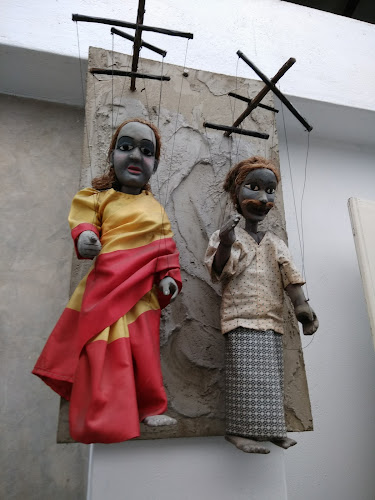
Traditional Puppet Art Museum

Dehiwala Zoological Gardens
Find Accommodations Nearby
Recommended Tours & Activities
Visitor Reviews
There are no reviews yet. Be the first one to write one.
Share Your Experience
Have you visited Sri Lanka Air Force Museum? Help other travelers by leaving a review.