
South of England Rare Breeds Centre
About South of England Rare Breeds Centre
Description
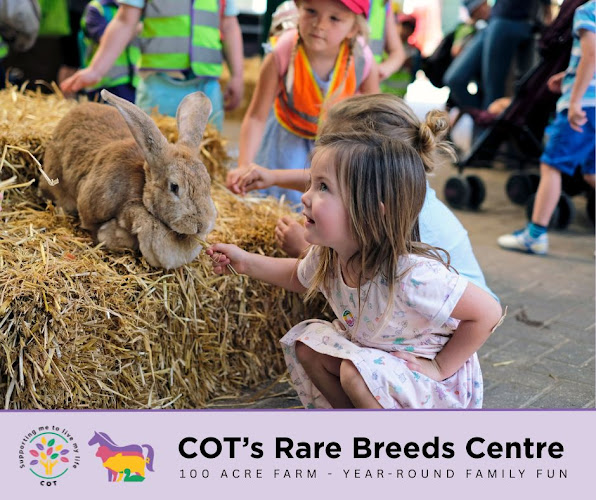
The South of England Rare Breeds Centre isn’t your average farm attraction – and I say that as someone who’s trekked across plenty of muddy Kent fields in pursuit of a day out. One thing that leaps out right away is how much heart and soul goes into making this place special for all sorts of visitors. Picture a place set deep in the countryside near Ashford, brimming not only with animals but with the feeling you’re part of something a bit bigger: preserving rare breeds, giving everyone a chance to get hands-on with British farm life, and – just maybe – remembering what it’s like to get straw in your hair and the sound of a proper rooster in your ears.
Now, with any popular place, not every corner is going to gleam, but what regularly catches folks by surprise here isn’t just the variety of animals or the well-thought-out play areas – it’s the underlying sense of care. Sure, you’ll find traditional sheep and loyal, lumbering cows, but intermingled among them are breeds you’re unlikely to see on the average walk through the countryside. These are the old-timers, the rare breeds, the pigs, chickens, and sheep that helped shape British farming but are now often overlooked.
There’s a real focus on connection and learning, too. Kids (and, let’s be honest, quite a few grown-ups) get to stroke bunnies in the indoor barn, watch piglets snuggle under heat lamps, and even help feed lambs during the right season. Unlike bigger, flashier wildlife parks, this is more “hands in the dirt, boots on the ground” country fun – with acres to wander, gardens to poke around in, plus an indoor soft play to keep younger children happy if the British weather’s feeling particularly, well, British.
From my own wild bunch of younger cousins to the older generation all grumbling about “back in my day,” the centre’s setup is genuinely accessible. Wheelchair users aren’t left trundling through the mud either – lots of thoughtful features (from car parking to restrooms and pathways) help families of all abilities get around. Sometimes you wonder who’s having more fun: the kids glued to the massive outdoor play zone or the grown-ups sneaking another slice of homemade cake in the café while the little ones are distracted.
And if you warm up to a day immersed in countryside air, the rest of the farm keeps throwing up charming surprises: falconry displays, wooded walks peppered with sculptures, wild gardens buzzing with butterflies, or even vintage tractors for every child who loves wheels and mud. You’re less a passive spectator here and more of an active participant.
True, there will be days when things feel busier or certain areas look a bit frayed at the edges (particularly after a spell of rain and with hundreds of kids having a blast). But the overwhelming impression I’ve had – and heard echoed by plenty of others – is that the energy is down-to-earth, the staff genuinely enthusiastic, and there’s something pretty wonderful about the mission of keeping those rare breeds thriving for the next generation to meet face-to-face.
Key Features
- A genuine rare breeds farm: Home to a dazzling range of traditional and rare livestock breeds – from Hereford cattle to Tamworth pigs, Sussex chickens, and other unique specimens, many of which you’ll rarely spot elsewhere.
- Hands-on animal encounters: Guests can handle smaller animals in the indoor barn (think guinea pigs, rabbits), observe lamb feeding or piglet antics, and enjoy animal talks that don’t make you feel like you’re back in school (unless school was this fun).
- Falconry displays and wildlife demos: Regular shows featuring birds of prey and interactive animal sessions, reminding visitors how awe-inspiring the natural world still is.
- Outdoor adventure play: Enormous play zones for children, including zip wires, assault courses, a sandpit that seems to swallow up shoes for fun, and the ever-popular jump pillow (yes, sometimes even grown-ups cannot resist).
- Indoor play barn: A solid win for rainy days – slides, climbing frames, and a safe, energetic space for toddlers and younger kids when the Kent drizzle sets in.
- Accessible facilities: Level paths, ramps, accessible toilets, clearly marked parking, and shaded resting spots make things smoother for everyone, regardless of mobility.
- Picnic areas and countryside walks: Surrounding fields, gardens, and mature woodlands let visitors stretch their legs or picnic while keeping an eye out for wandering peacocks or the occasional butterfly cluster.
- On-site restaurant and café: Farm-style, hearty meals, and a selection of freshly made cakes, plus options for most dietary needs. The staff’s attitude here, in my experience, is what you hope for at every countryside eatery.
- Gift shop: Stocked with souvenirs, locally made fudge, and toys that somehow find their way into every child’s hands by the exit. If you want gifts with a Kentish-bent, you’re in luck.
- Inclusive, welcoming atmosphere: LGBTQ+ friendly, clearly signposted as a safe space for all families and individuals – something that’s still shockingly rare in rural attractions.
- Free on-site parking: Trust me, as someone who’s circled enough over-priced car parks, this feature alone can make your day less stressful.
Best Time to Visit
You know what’s funny about the South of England Rare Breeds Centre? It works in almost any season, but the vibe shifts with nature’s calendar. If you can swing a visit in spring (March to May), you’re in for lambing season – and just try prying your kids (or your own inner child) away from bottle-feeding those impossibly soft lambs. Calving and plenty of piglets tend to put in an appearance, too, adding an infectious buzz to the whole centre.
Summer (June to early September) brings the full force of the Kent countryside: bright wildflower meadows, easy walks through shady woodlands, and a lot of outdoor play without having to dodge puddles. Falconry displays, picnics in the garden, and ice cream under the oaks – the dream. Of course, this is prime time for family days out in Ashford and Kent, so expect more exuberant crowds. Arriving earlier in the day helps beat the rush, and the air is generally sweeter before noon.
Autumn has its own charm – the fields flush with harvest colors, apples in the café’s cakes, and slightly less hustle, especially on weekdays. Sometimes the weather throws up those crisp, golden afternoons I secretly prefer to baking summer days. Winter, meanwhile, is quieter and pretty relaxed. If you love fewer crowds, a rustic setting, and the sight of farm animals weathering the cold in their fluffiest coats, you can find solace even when the frost bites the grass. By the way, the indoor play areas and hot drinks become heavenly on a dreary January day.
One thing I have learned after all these years: school holidays are big here, so if you’re after peace and quiet (or have neurodiverse family members who need gentler crowds), aim for late afternoons, term-time weekdays, or those changeable weather days when the fair-weather crowd stays home. There’s always something remarkable to see, whether it’s springtime lamb races or autumn leaf piles.
How to Get There
Honestly, considering the rural location, the South of England Rare Breeds Centre is easier to reach than you might expect, whether you’re local to Kent or coming in from further afield. If you’re driving from Ashford, Tenterden, or anywhere else in the Ashford district, just follow the brown tourist signs and keep an eye out for the cheeky sheep logos. There’s a generous free car park by the entrance, and on especially busy days, marshals help things tick along smoothly.
Coming from London? Here’s the scoop: just hop on a train from London St Pancras or Stratford International to Ashford International railway station – those high-speed services mean you’re in Kent countryside in well under 40 minutes. From Ashford station, it’s a short taxi ride (about 15 minutes), or you can jump on a local Stagecoach bus toward Woodchurch or Tenterden and hop off at the nearest stop. It’s not a door-to-door rural shuttle, but if you enjoy a scenic walk, it’s all part of the charm.
If you’re exploring the South East or staying in Maidstone, Canterbury, or villages like Pluckley or Rye, it makes a perfect stopover. Coach parties sometimes arrive, but the flow is rarely overwhelming, and there’s enough parking for private minibuses or larger groups. And, if you’re like me and get lost even with a sat-nav, breathe easy: it’s well signed from major roads, especially the A28 that snakes through much of Kent.
Cyclists sometimes use local lanes, and it’s a flat, calming ride from several directions. Just beware of farm traffic and the odd tractor rumbling past. Bonus tip: the walk from the nearest bus stop isn’t tough, but bring your wellies if there’s been rain – nothing says “country adventure” like arriving mud-splattered.
Tips for Visiting
Allow at least half a day (if not a whole “family day” out) – there’s a sneaky amount of ground to cover, and you’ll want time for the animal encounters, café pitstops, and letting kids let loose in the play zones. When the sun’s out, hats and sunscreen are a must, but also toss in wellies or waterproofs; Kent weather can switch in a blink, turning dry meadows into slip-‘n-slides.
Bring your own sandwiches or a picnic if you’ve got fussy eaters, but honestly, the on-site restaurant gets props for fresh, hearty meals – plus plenty of seating indoors and out. If you want the full country experience, find a quiet garden patch for your lunch while watching wild birds swoop by. And, if you (like me) can’t leave a farm without sampling their home-baked cakes, budget a few quid for the dessert counter.
Make a beeline for the animal feed times if you’ve kids who want to help feed lambs or chickens; spots fill fast during weekends and holidays. The best photos (and the least-crowded animal cuddles) tend to happen earlier in the day or about an hour before closing.
The site is wheelchair and buggy-friendly, but sturdy wheels work best; while most paths are paved or laid with gravel, some off-road spots do get bumpy after wet weather. Staff are happy to help if you have accessibility needs – don’t be shy about asking.
For families with neurodiverse kids or people who find crowds a bit much, go during term time or late afternoons once the initial wave has passed. The quiet woodland trail is always a bit of a sanctuary, and I’ve seen more than a few parents escape to the shady benches while kids go wild in the play areas.
Don’t rush: some of the best moments happen by accident. You may stumble onto a falconry display as you wander, or catch a butterfly landing on your sleeve in the wild garden. If you’re a keen shutterbug, morning light is gorgeous, especially with the backdrop of Kent’s rolling fields and rare breeds posing like hairy supermodels.
Lastly, check the events calendar before you arrive (some activities are seasonal), and bring a bag for souvenirs – or, better yet, for all the half-finished crafts your kids will insist on lugging home. I still have a wobbly “sheep” made out of old wool from this farm tucked in a box somewhere, and every time I see it, I’m reminded that some of the most lasting travel memories aren’t in the postcards but the mud, laughter, and gentle hours in good company.
Key Features
- Home to many rare and native British livestock breeds approved by the Rare Breeds Survival Trust
- Working 100-acre farm with outdoor paddocks and indoor farmyard displays
- Hands-on animal encounters and seasonal feeding/activity programmes
- Family-friendly facilities and play areas, plus accessible walking routes
- Regular events and educational programmes for schools and visitors
More Details
Updated September 16, 2025
Table of Contents
- Description
- Key Features
- Best Time to Visit
- How to Get There
- Tips for Visiting
- Key Highlights
- Location
- Places to Stay Near South of England Rare Breeds Centre
- Find and Book a Tour
- Explore More Travel Guides
- Nearby Places You Might Like
- Traveler Reviews for South of England Rare Breeds Centre
- Share Your Experience
Description
The South of England Rare Breeds Centre isn’t your average farm attraction – and I say that as someone who’s trekked across plenty of muddy Kent fields in pursuit of a day out. One thing that leaps out right away is how much heart and soul goes into making this place special for all sorts of visitors. Picture a place set deep in the countryside near Ashford, brimming not only with animals but with the feeling you’re part of something a bit bigger: preserving rare breeds, giving everyone a chance to get hands-on with British farm life, and – just maybe – remembering what it’s like to get straw in your hair and the sound of a proper rooster in your ears.
Now, with any popular place, not every corner is going to gleam, but what regularly catches folks by surprise here isn’t just the variety of animals or the well-thought-out play areas – it’s the underlying sense of care. Sure, you’ll find traditional sheep and loyal, lumbering cows, but intermingled among them are breeds you’re unlikely to see on the average walk through the countryside. These are the old-timers, the rare breeds, the pigs, chickens, and sheep that helped shape British farming but are now often overlooked.
There’s a real focus on connection and learning, too. Kids (and, let’s be honest, quite a few grown-ups) get to stroke bunnies in the indoor barn, watch piglets snuggle under heat lamps, and even help feed lambs during the right season. Unlike bigger, flashier wildlife parks, this is more “hands in the dirt, boots on the ground” country fun – with acres to wander, gardens to poke around in, plus an indoor soft play to keep younger children happy if the British weather’s feeling particularly, well, British.
From my own wild bunch of younger cousins to the older generation all grumbling about “back in my day,” the centre’s setup is genuinely accessible. Wheelchair users aren’t left trundling through the mud either – lots of thoughtful features (from car parking to restrooms and pathways) help families of all abilities get around. Sometimes you wonder who’s having more fun: the kids glued to the massive outdoor play zone or the grown-ups sneaking another slice of homemade cake in the café while the little ones are distracted.
And if you warm up to a day immersed in countryside air, the rest of the farm keeps throwing up charming surprises: falconry displays, wooded walks peppered with sculptures, wild gardens buzzing with butterflies, or even vintage tractors for every child who loves wheels and mud. You’re less a passive spectator here and more of an active participant.
True, there will be days when things feel busier or certain areas look a bit frayed at the edges (particularly after a spell of rain and with hundreds of kids having a blast). But the overwhelming impression I’ve had – and heard echoed by plenty of others – is that the energy is down-to-earth, the staff genuinely enthusiastic, and there’s something pretty wonderful about the mission of keeping those rare breeds thriving for the next generation to meet face-to-face.
Key Features
- A genuine rare breeds farm: Home to a dazzling range of traditional and rare livestock breeds – from Hereford cattle to Tamworth pigs, Sussex chickens, and other unique specimens, many of which you’ll rarely spot elsewhere.
- Hands-on animal encounters: Guests can handle smaller animals in the indoor barn (think guinea pigs, rabbits), observe lamb feeding or piglet antics, and enjoy animal talks that don’t make you feel like you’re back in school (unless school was this fun).
- Falconry displays and wildlife demos: Regular shows featuring birds of prey and interactive animal sessions, reminding visitors how awe-inspiring the natural world still is.
- Outdoor adventure play: Enormous play zones for children, including zip wires, assault courses, a sandpit that seems to swallow up shoes for fun, and the ever-popular jump pillow (yes, sometimes even grown-ups cannot resist).
- Indoor play barn: A solid win for rainy days – slides, climbing frames, and a safe, energetic space for toddlers and younger kids when the Kent drizzle sets in.
- Accessible facilities: Level paths, ramps, accessible toilets, clearly marked parking, and shaded resting spots make things smoother for everyone, regardless of mobility.
- Picnic areas and countryside walks: Surrounding fields, gardens, and mature woodlands let visitors stretch their legs or picnic while keeping an eye out for wandering peacocks or the occasional butterfly cluster.
- On-site restaurant and café: Farm-style, hearty meals, and a selection of freshly made cakes, plus options for most dietary needs. The staff’s attitude here, in my experience, is what you hope for at every countryside eatery.
- Gift shop: Stocked with souvenirs, locally made fudge, and toys that somehow find their way into every child’s hands by the exit. If you want gifts with a Kentish-bent, you’re in luck.
- Inclusive, welcoming atmosphere: LGBTQ+ friendly, clearly signposted as a safe space for all families and individuals – something that’s still shockingly rare in rural attractions.
- Free on-site parking: Trust me, as someone who’s circled enough over-priced car parks, this feature alone can make your day less stressful.
Best Time to Visit
You know what’s funny about the South of England Rare Breeds Centre? It works in almost any season, but the vibe shifts with nature’s calendar. If you can swing a visit in spring (March to May), you’re in for lambing season – and just try prying your kids (or your own inner child) away from bottle-feeding those impossibly soft lambs. Calving and plenty of piglets tend to put in an appearance, too, adding an infectious buzz to the whole centre.
Summer (June to early September) brings the full force of the Kent countryside: bright wildflower meadows, easy walks through shady woodlands, and a lot of outdoor play without having to dodge puddles. Falconry displays, picnics in the garden, and ice cream under the oaks – the dream. Of course, this is prime time for family days out in Ashford and Kent, so expect more exuberant crowds. Arriving earlier in the day helps beat the rush, and the air is generally sweeter before noon.
Autumn has its own charm – the fields flush with harvest colors, apples in the café’s cakes, and slightly less hustle, especially on weekdays. Sometimes the weather throws up those crisp, golden afternoons I secretly prefer to baking summer days. Winter, meanwhile, is quieter and pretty relaxed. If you love fewer crowds, a rustic setting, and the sight of farm animals weathering the cold in their fluffiest coats, you can find solace even when the frost bites the grass. By the way, the indoor play areas and hot drinks become heavenly on a dreary January day.
One thing I have learned after all these years: school holidays are big here, so if you’re after peace and quiet (or have neurodiverse family members who need gentler crowds), aim for late afternoons, term-time weekdays, or those changeable weather days when the fair-weather crowd stays home. There’s always something remarkable to see, whether it’s springtime lamb races or autumn leaf piles.
How to Get There
Honestly, considering the rural location, the South of England Rare Breeds Centre is easier to reach than you might expect, whether you’re local to Kent or coming in from further afield. If you’re driving from Ashford, Tenterden, or anywhere else in the Ashford district, just follow the brown tourist signs and keep an eye out for the cheeky sheep logos. There’s a generous free car park by the entrance, and on especially busy days, marshals help things tick along smoothly.
Coming from London? Here’s the scoop: just hop on a train from London St Pancras or Stratford International to Ashford International railway station – those high-speed services mean you’re in Kent countryside in well under 40 minutes. From Ashford station, it’s a short taxi ride (about 15 minutes), or you can jump on a local Stagecoach bus toward Woodchurch or Tenterden and hop off at the nearest stop. It’s not a door-to-door rural shuttle, but if you enjoy a scenic walk, it’s all part of the charm.
If you’re exploring the South East or staying in Maidstone, Canterbury, or villages like Pluckley or Rye, it makes a perfect stopover. Coach parties sometimes arrive, but the flow is rarely overwhelming, and there’s enough parking for private minibuses or larger groups. And, if you’re like me and get lost even with a sat-nav, breathe easy: it’s well signed from major roads, especially the A28 that snakes through much of Kent.
Cyclists sometimes use local lanes, and it’s a flat, calming ride from several directions. Just beware of farm traffic and the odd tractor rumbling past. Bonus tip: the walk from the nearest bus stop isn’t tough, but bring your wellies if there’s been rain – nothing says “country adventure” like arriving mud-splattered.
Tips for Visiting
Allow at least half a day (if not a whole “family day” out) – there’s a sneaky amount of ground to cover, and you’ll want time for the animal encounters, café pitstops, and letting kids let loose in the play zones. When the sun’s out, hats and sunscreen are a must, but also toss in wellies or waterproofs; Kent weather can switch in a blink, turning dry meadows into slip-‘n-slides.
Bring your own sandwiches or a picnic if you’ve got fussy eaters, but honestly, the on-site restaurant gets props for fresh, hearty meals – plus plenty of seating indoors and out. If you want the full country experience, find a quiet garden patch for your lunch while watching wild birds swoop by. And, if you (like me) can’t leave a farm without sampling their home-baked cakes, budget a few quid for the dessert counter.
Make a beeline for the animal feed times if you’ve kids who want to help feed lambs or chickens; spots fill fast during weekends and holidays. The best photos (and the least-crowded animal cuddles) tend to happen earlier in the day or about an hour before closing.
The site is wheelchair and buggy-friendly, but sturdy wheels work best; while most paths are paved or laid with gravel, some off-road spots do get bumpy after wet weather. Staff are happy to help if you have accessibility needs – don’t be shy about asking.
For families with neurodiverse kids or people who find crowds a bit much, go during term time or late afternoons once the initial wave has passed. The quiet woodland trail is always a bit of a sanctuary, and I’ve seen more than a few parents escape to the shady benches while kids go wild in the play areas.
Don’t rush: some of the best moments happen by accident. You may stumble onto a falconry display as you wander, or catch a butterfly landing on your sleeve in the wild garden. If you’re a keen shutterbug, morning light is gorgeous, especially with the backdrop of Kent’s rolling fields and rare breeds posing like hairy supermodels.
Lastly, check the events calendar before you arrive (some activities are seasonal), and bring a bag for souvenirs – or, better yet, for all the half-finished crafts your kids will insist on lugging home. I still have a wobbly “sheep” made out of old wool from this farm tucked in a box somewhere, and every time I see it, I’m reminded that some of the most lasting travel memories aren’t in the postcards but the mud, laughter, and gentle hours in good company.
Key Highlights
- Home to many rare and native British livestock breeds approved by the Rare Breeds Survival Trust
- Working 100-acre farm with outdoor paddocks and indoor farmyard displays
- Hands-on animal encounters and seasonal feeding/activity programmes
- Family-friendly facilities and play areas, plus accessible walking routes
- Regular events and educational programmes for schools and visitors
Location
Places to Stay Near South of England Rare Breeds Centre
Find and Book a Tour
Explore More Travel Guides
No reviews found! Be the first to review!
Traveler Reviews for South of England Rare Breeds Centre
There are no reviews yet. Be the first one to write one.
Have you visited South of England Rare Breeds Centre? Help other travelers by sharing your review.
Nearby Attractions
You Might Also Like
The Hawking Centre
Ashford Museum

Kent Downs National Landscape
Find Accommodations Nearby
Recommended Tours & Activities
Visitor Reviews
There are no reviews yet. Be the first one to write one.
Share Your Experience
Have you visited South of England Rare Breeds Centre? Help other travelers by leaving a review.