

Sloan Canyon National Conservation Area
About Sloan Canyon National Conservation Area
Description
Sloan Canyon National Conservation Area is a sprawling 48,438-acre natural wonderland that showcases some of Nevada's most remarkable archaeological treasures. What makes this place absolutely fascinating is its extensive collection of Native American petroglyphs - we're talking about over 300 rock art panels with roughly 1,700 individual designs! Having visited numerous archaeological sites across the Southwest, I can honestly say the Petroglyph Canyon here is among the most impressive I've encountered. The landscape is classic Mojave Desert - rugged volcanic peaks, deep canyons, and surprising pockets of desert life that remind you just how resilient nature can be. The contrast between the dark volcanic rocks and the endless blue Nevada sky creates a dramatic backdrop that amateur photographers like myself can't resist.Key Features
• Petroglyph Canyon showcasing over 1,700 Native American rock art designs • 48,438 acres of protected Mojave Desert wilderness • Network of hiking trails ranging from easy to challenging • Diverse desert wildlife including bighorn sheep, desert tortoises, and various raptor species • Spectacular volcanic rock formations • Seasonal wildflower displays (if you're lucky enough to visit after winter rains) • Multiple hiking routes with varying difficulty levels • Panoramic views of the Las Vegas Valley from higher elevations • Educational interpretive signs along main trails • Natural desert washes and seasonal waterfallsBest Time to Visit
Look, I'll be straight with you - timing is everything when visiting Sloan Canyon. The sweet spot is definitely between October and April when temperatures are actually bearable. Early morning visits during these months are pure magic - the soft light makes those petroglyphs pop, and the wildlife tends to be more active. Summer? Well, let's just say it gets brutal out there. If you absolutely must visit during summer months (June through September), you'll wanna be out there at dawn and done by 10am. Trust me on this one - I made the mistake of hiking here one August afternoon, and it wasn't pretty. Spring can be particularly rewarding, especially after a wet winter. That's when you might catch the desert in bloom, which is something that still takes my breath away every time I see it.How to Get There
Getting to Sloan Canyon isn't exactly straightforward, but that's part of what keeps it special. The main access point is through the Sloan Canyon Visitor Contact Station in Henderson. You'll want a vehicle with decent ground clearance - nothing too fancy, but your low-riding sports car might struggle a bit on some of the unpaved sections. If you're planning to visit the Petroglyph Canyon, heads up that you'll need to check in at the Contact Station first. They'll give you all the current info about trail conditions and accessibility. Sometimes the roads can get a bit rough after rain, but most of the time, any standard vehicle can handle it just fine.Tips for Visiting
Alright, here's where I'm gonna share some hard-learned lessons from my many visits. First off, water - bring way more than you think you'll need. The desert has a sneaky way of dehydrating you before you even realize it's happening. I always pack at least a gallon per person, even for shorter hikes. Proper footwear is non-negotiable. The terrain can be pretty unforgiving with loose rocks and sharp volcanic formations. Those cute fashion hiking boots? Leave 'em at home. You want sturdy, well-broken-in hiking boots with good ankle support. For photographing the petroglyphs, mid-morning or late afternoon usually offers the best lighting conditions. And please, I can't stress this enough - don't touch the rock art! The oils from our hands can damage these incredible pieces of history that have survived for thousands of years. Navigation can be tricky in some areas, so download offline maps before your visit. Cell service can be spotty, and while the main trails are well-marked, it's better to be prepared. If you're bringing your four-legged friend (yes, dogs are allowed!), remember to pack extra water for them and watch out for their paws on hot rocks. I've seen too many unprepared pups struggling with the heat. And hey, here's something most guides won't tell you - the light right after a rain shower is absolutely incredible for photography. The wet rocks turn this deep, rich black that makes the petroglyphs stand out like you wouldn't believe. Just be sure to check conditions before heading out, as flash floods are no joke in these parts. Remember to pack out what you pack in - this place stays beautiful because people respect it. Bring a small trash bag for your waste, and maybe pick up any litter you spot along the way. After all, we're all caretakers of this amazing piece of Nevada heritage.Key Features
- Key Features
- Best Time to Visit
- How to Get There
- Tips for Visiting
More Details
Updated June 13, 2025
Table of Contents
- Description
- Key Features
- Best Time to Visit
- How to Get There
- Tips for Visiting
- Key Highlights
- Location
- Places to Stay Near Sloan Canyon National Conservation Area
- Find and Book a Tour
- Explore More Travel Guides
- Nearby Places You Might Like
- Traveler Reviews for Sloan Canyon National Conservation Area
- Share Your Experience
Description
Sloan Canyon National Conservation Area is a sprawling 48,438-acre natural wonderland that showcases some of Nevada’s most remarkable archaeological treasures. What makes this place absolutely fascinating is its extensive collection of Native American petroglyphs – we’re talking about over 300 rock art panels with roughly 1,700 individual designs! Having visited numerous archaeological sites across the Southwest, I can honestly say the Petroglyph Canyon here is among the most impressive I’ve encountered.
The landscape is classic Mojave Desert – rugged volcanic peaks, deep canyons, and surprising pockets of desert life that remind you just how resilient nature can be. The contrast between the dark volcanic rocks and the endless blue Nevada sky creates a dramatic backdrop that amateur photographers like myself can’t resist.
Key Features
• Petroglyph Canyon showcasing over 1,700 Native American rock art designs
• 48,438 acres of protected Mojave Desert wilderness
• Network of hiking trails ranging from easy to challenging
• Diverse desert wildlife including bighorn sheep, desert tortoises, and various raptor species
• Spectacular volcanic rock formations
• Seasonal wildflower displays (if you’re lucky enough to visit after winter rains)
• Multiple hiking routes with varying difficulty levels
• Panoramic views of the Las Vegas Valley from higher elevations
• Educational interpretive signs along main trails
• Natural desert washes and seasonal waterfalls
Best Time to Visit
Look, I’ll be straight with you – timing is everything when visiting Sloan Canyon. The sweet spot is definitely between October and April when temperatures are actually bearable. Early morning visits during these months are pure magic – the soft light makes those petroglyphs pop, and the wildlife tends to be more active.
Summer? Well, let’s just say it gets brutal out there. If you absolutely must visit during summer months (June through September), you’ll wanna be out there at dawn and done by 10am. Trust me on this one – I made the mistake of hiking here one August afternoon, and it wasn’t pretty.
Spring can be particularly rewarding, especially after a wet winter. That’s when you might catch the desert in bloom, which is something that still takes my breath away every time I see it.
How to Get There
Getting to Sloan Canyon isn’t exactly straightforward, but that’s part of what keeps it special. The main access point is through the Sloan Canyon Visitor Contact Station in Henderson. You’ll want a vehicle with decent ground clearance – nothing too fancy, but your low-riding sports car might struggle a bit on some of the unpaved sections.
If you’re planning to visit the Petroglyph Canyon, heads up that you’ll need to check in at the Contact Station first. They’ll give you all the current info about trail conditions and accessibility. Sometimes the roads can get a bit rough after rain, but most of the time, any standard vehicle can handle it just fine.
Tips for Visiting
Alright, here’s where I’m gonna share some hard-learned lessons from my many visits. First off, water – bring way more than you think you’ll need. The desert has a sneaky way of dehydrating you before you even realize it’s happening. I always pack at least a gallon per person, even for shorter hikes.
Proper footwear is non-negotiable. The terrain can be pretty unforgiving with loose rocks and sharp volcanic formations. Those cute fashion hiking boots? Leave ’em at home. You want sturdy, well-broken-in hiking boots with good ankle support.
For photographing the petroglyphs, mid-morning or late afternoon usually offers the best lighting conditions. And please, I can’t stress this enough – don’t touch the rock art! The oils from our hands can damage these incredible pieces of history that have survived for thousands of years.
Navigation can be tricky in some areas, so download offline maps before your visit. Cell service can be spotty, and while the main trails are well-marked, it’s better to be prepared.
If you’re bringing your four-legged friend (yes, dogs are allowed!), remember to pack extra water for them and watch out for their paws on hot rocks. I’ve seen too many unprepared pups struggling with the heat.
And hey, here’s something most guides won’t tell you – the light right after a rain shower is absolutely incredible for photography. The wet rocks turn this deep, rich black that makes the petroglyphs stand out like you wouldn’t believe. Just be sure to check conditions before heading out, as flash floods are no joke in these parts.
Remember to pack out what you pack in – this place stays beautiful because people respect it. Bring a small trash bag for your waste, and maybe pick up any litter you spot along the way. After all, we’re all caretakers of this amazing piece of Nevada heritage.
Key Highlights
- Key Features
- Best Time to Visit
- How to Get There
- Tips for Visiting
Location
Places to Stay Near Sloan Canyon National Conservation Area
Find and Book a Tour
Explore More Travel Guides
No reviews found! Be the first to review!
Traveler Reviews for Sloan Canyon National Conservation Area
There are no reviews yet. Be the first one to write one.
Have you visited Sloan Canyon National Conservation Area? Help other travelers by sharing your review.
You Might Also Like

Paseo Vista Park

McGee
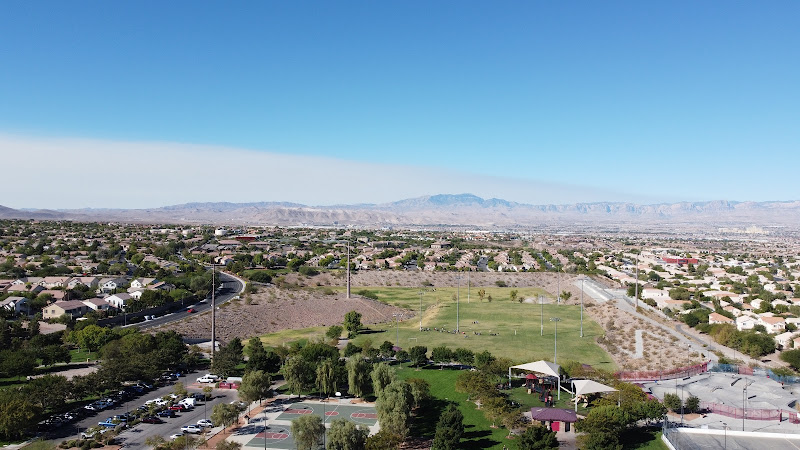
Anthem Hills Park & Anthem East Trailhead
Find Accommodations Nearby
Recommended Tours & Activities
Visitor Reviews
There are no reviews yet. Be the first one to write one.
Share Your Experience
Have you visited Sloan Canyon National Conservation Area? Help other travelers by leaving a review.