About Sidi Halou

Description

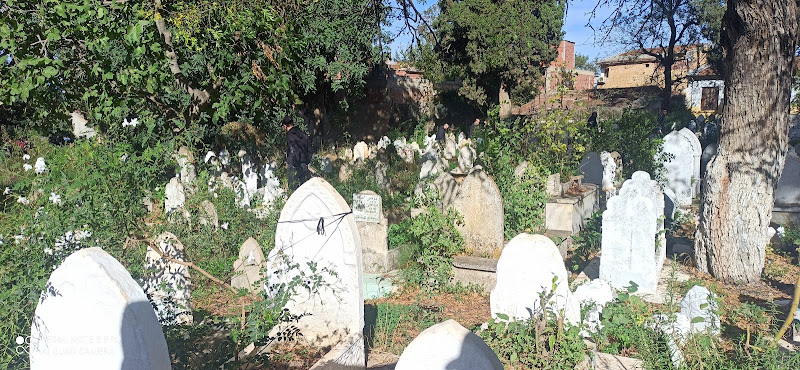
Sidi Halou is one of those places that quietly pulls you in, not with loud attractions or flashy signs, but with the kind of stillness that makes you stop and think. It’s a cemetery, yes, but it’s also a space that feels deeply human — a reminder of how time moves, how stories end, and how they linger long after. Located in the Blida region, this site holds both history and emotion in equal measure. It’s not grand or overly decorated, but there’s a certain grace in its simplicity. You can almost feel the weight of generations here — the whispers of families who came to pay their respects, the faint echo of prayers carried by the wind.

When walking through Sidi Halou, what strikes most visitors first is the serenity. The air feels different — calmer, more grounded. The earth is warm underfoot, and the scent of the nearby vegetation mixes with the faint aroma of incense that sometimes drifts through. It’s a place that invites reflection, not just on those who rest here, but on life itself. I remember the first time I visited; I didn’t expect to feel so moved. I thought I’d just take a few photos, maybe jot down some notes, but instead, I found myself sitting quietly, thinking about how places like this hold the collective memory of a community.

Sidi Halou isn’t a tourist attraction in the traditional sense, but it’s definitely a destination for travelers who seek authenticity — those who look for meaning in the quieter corners of the world. The craftsmanship on some of the older gravestones is remarkable, showing both local artistry and reverence. And while it’s a solemn place, it doesn’t feel heavy or gloomy. There’s a strange comfort in being surrounded by history that’s so personal, yet so universal.

Key Features

  • Peaceful and reflective atmosphere ideal for quiet contemplation
  • Historic gravestones showcasing traditional Algerian stonework
  • Natural surroundings that create a serene and contemplative setting
  • Local significance as a site of remembrance and cultural heritage
  • Accessible location within the Blida region, yet away from heavy crowds

What I love about Sidi Halou is how it manages to be both intimate and timeless. You don’t need to be religious or even particularly spiritual to appreciate it. It’s about connection — to the past, to the land, to the quiet moments that remind us we’re part of something bigger. Some visitors stay only a few minutes, others linger for hours. There’s no rush here, no schedule to follow. Just space to breathe and think.

Best Time to Visit

If you’re planning to visit Sidi Halou, the best time is during spring or early autumn. The weather in Blida can get quite warm in summer, and walking through the grounds under the midday sun can be a bit much. Spring brings gentle breezes and blooming wildflowers, which add a touch of color to the landscape. Early morning or late afternoon visits are especially beautiful — the light softens, shadows stretch across the ground, and the entire place seems to hum with quiet energy.

Winter visits have their own charm too, though. The air feels crisp, and there’s a sense of solitude that makes reflection come naturally. Personally, I prefer visiting just after a light rain. The earth smells rich and alive, and the air feels cleaner, almost sacred. It’s not the kind of place you rush through, so plan for a slow, mindful visit.

How to Get There

Reaching Sidi Halou is fairly straightforward if you’re already in or near Blida. The area is accessible by local roads and can be reached by car, taxi, or even on foot if you’re staying nearby. Many travelers choose to pair a visit here with a day exploring other cultural or natural attractions in the region, as the route offers a glimpse into local life — small shops, olive groves, and the kind of scenery that makes you want to stop every few minutes just to take it all in.

Public transportation options are available, but for the most flexibility, renting a car or arranging a local driver is the best choice. The roads are relatively well-maintained, and signage is improving, though it’s always smart to ask locals for directions — not just because it helps, but because it often leads to interesting conversations and stories about the place. I once got directions from a shopkeeper who ended up telling me about how his grandfather used to visit Sidi Halou every Friday. It’s those little encounters that make travel feel real.

Tips for Visiting

Visiting a cemetery like Sidi Halou requires a certain mindset — one of respect and openness. Here are a few tips that might help you make the most of your visit:

  • Dress modestly and comfortably. This isn’t a place for flashy outfits or loud colors. Light, breathable clothing is best, especially in warmer months.
  • Be mindful of local customs. It’s a sacred site, so avoid loud conversations, music, or photography that feels intrusive.
  • Bring water and sun protection. There isn’t much shade, and the Algerian sun can be strong, even in cooler seasons.
  • Take your time. Don’t rush. Let yourself wander slowly — you’ll notice details you’d otherwise miss, like the patterns on old stones or the way the light hits the ground.
  • Talk to locals if you can. Many people in the area have personal connections to the site and are often happy to share stories or insights.

One thing I always tell fellow travelers: don’t treat Sidi Halou like a checklist destination. It’s not about ticking it off your list or snapping a few quick photos for social media. It’s about presence. About standing still for a moment and feeling the weight of time — not in a sad way, but in a grounding way. You leave with a sense of calm that’s hard to explain but easy to feel.

If you’re someone who enjoys exploring the cultural and spiritual layers of a place, Sidi Halou will speak to you. It’s understated but powerful, quiet but full of meaning. And maybe that’s the beauty of it — it doesn’t try to impress you. It just is. And somehow, that’s enough.

Whether you’re a history buff, a photographer, or simply a traveler who appreciates places that tell stories without words, Sidi Halou offers that rare kind of experience that lingers long after you’ve left. It’s the kind of place that stays with you — in your thoughts, in your photos, and maybe, if you’re like me, in your heart.

Key Features

  • Peaceful and reflective atmosphere ideal for quiet contemplation
  • Historic gravestones showcasing traditional Algerian stonework
  • Natural surroundings that create a serene and contemplative setting
  • Local significance as a site of remembrance and cultural heritage
  • Accessible location within the Blida region, yet away from heavy crowds

More Details

Updated December 1, 2025


Description

Sidi Halou is one of those places that quietly pulls you in, not with loud attractions or flashy signs, but with the kind of stillness that makes you stop and think. It’s a cemetery, yes, but it’s also a space that feels deeply human — a reminder of how time moves, how stories end, and how they linger long after. Located in the Blida region, this site holds both history and emotion in equal measure. It’s not grand or overly decorated, but there’s a certain grace in its simplicity. You can almost feel the weight of generations here — the whispers of families who came to pay their respects, the faint echo of prayers carried by the wind.

When walking through Sidi Halou, what strikes most visitors first is the serenity. The air feels different — calmer, more grounded. The earth is warm underfoot, and the scent of the nearby vegetation mixes with the faint aroma of incense that sometimes drifts through. It’s a place that invites reflection, not just on those who rest here, but on life itself. I remember the first time I visited; I didn’t expect to feel so moved. I thought I’d just take a few photos, maybe jot down some notes, but instead, I found myself sitting quietly, thinking about how places like this hold the collective memory of a community.

Sidi Halou isn’t a tourist attraction in the traditional sense, but it’s definitely a destination for travelers who seek authenticity — those who look for meaning in the quieter corners of the world. The craftsmanship on some of the older gravestones is remarkable, showing both local artistry and reverence. And while it’s a solemn place, it doesn’t feel heavy or gloomy. There’s a strange comfort in being surrounded by history that’s so personal, yet so universal.

Key Features

  • Peaceful and reflective atmosphere ideal for quiet contemplation
  • Historic gravestones showcasing traditional Algerian stonework
  • Natural surroundings that create a serene and contemplative setting
  • Local significance as a site of remembrance and cultural heritage
  • Accessible location within the Blida region, yet away from heavy crowds

What I love about Sidi Halou is how it manages to be both intimate and timeless. You don’t need to be religious or even particularly spiritual to appreciate it. It’s about connection — to the past, to the land, to the quiet moments that remind us we’re part of something bigger. Some visitors stay only a few minutes, others linger for hours. There’s no rush here, no schedule to follow. Just space to breathe and think.

Best Time to Visit

If you’re planning to visit Sidi Halou, the best time is during spring or early autumn. The weather in Blida can get quite warm in summer, and walking through the grounds under the midday sun can be a bit much. Spring brings gentle breezes and blooming wildflowers, which add a touch of color to the landscape. Early morning or late afternoon visits are especially beautiful — the light softens, shadows stretch across the ground, and the entire place seems to hum with quiet energy.

Winter visits have their own charm too, though. The air feels crisp, and there’s a sense of solitude that makes reflection come naturally. Personally, I prefer visiting just after a light rain. The earth smells rich and alive, and the air feels cleaner, almost sacred. It’s not the kind of place you rush through, so plan for a slow, mindful visit.

How to Get There

Reaching Sidi Halou is fairly straightforward if you’re already in or near Blida. The area is accessible by local roads and can be reached by car, taxi, or even on foot if you’re staying nearby. Many travelers choose to pair a visit here with a day exploring other cultural or natural attractions in the region, as the route offers a glimpse into local life — small shops, olive groves, and the kind of scenery that makes you want to stop every few minutes just to take it all in.

Public transportation options are available, but for the most flexibility, renting a car or arranging a local driver is the best choice. The roads are relatively well-maintained, and signage is improving, though it’s always smart to ask locals for directions — not just because it helps, but because it often leads to interesting conversations and stories about the place. I once got directions from a shopkeeper who ended up telling me about how his grandfather used to visit Sidi Halou every Friday. It’s those little encounters that make travel feel real.

Tips for Visiting

Visiting a cemetery like Sidi Halou requires a certain mindset — one of respect and openness. Here are a few tips that might help you make the most of your visit:

  • Dress modestly and comfortably. This isn’t a place for flashy outfits or loud colors. Light, breathable clothing is best, especially in warmer months.
  • Be mindful of local customs. It’s a sacred site, so avoid loud conversations, music, or photography that feels intrusive.
  • Bring water and sun protection. There isn’t much shade, and the Algerian sun can be strong, even in cooler seasons.
  • Take your time. Don’t rush. Let yourself wander slowly — you’ll notice details you’d otherwise miss, like the patterns on old stones or the way the light hits the ground.
  • Talk to locals if you can. Many people in the area have personal connections to the site and are often happy to share stories or insights.

One thing I always tell fellow travelers: don’t treat Sidi Halou like a checklist destination. It’s not about ticking it off your list or snapping a few quick photos for social media. It’s about presence. About standing still for a moment and feeling the weight of time — not in a sad way, but in a grounding way. You leave with a sense of calm that’s hard to explain but easy to feel.

If you’re someone who enjoys exploring the cultural and spiritual layers of a place, Sidi Halou will speak to you. It’s understated but powerful, quiet but full of meaning. And maybe that’s the beauty of it — it doesn’t try to impress you. It just is. And somehow, that’s enough.

Whether you’re a history buff, a photographer, or simply a traveler who appreciates places that tell stories without words, Sidi Halou offers that rare kind of experience that lingers long after you’ve left. It’s the kind of place that stays with you — in your thoughts, in your photos, and maybe, if you’re like me, in your heart.

Key Highlights

  • Peaceful and reflective atmosphere ideal for quiet contemplation
  • Historic gravestones showcasing traditional Algerian stonework
  • Natural surroundings that create a serene and contemplative setting
  • Local significance as a site of remembrance and cultural heritage
  • Accessible location within the Blida region, yet away from heavy crowds

Location

Places to Stay Near Sidi Halou

Find and Book a Tour

Explore More Travel Guides

No reviews found! Be the first to review!

Traveler Reviews for Sidi Halou

There are no reviews yet. Be the first one to write one.

Share Your Experience

Have you visited Sidi Halou? Help other travelers by sharing your review.

Find Accommodations Nearby

Recommended Tours & Activities

Visitor Reviews

There are no reviews yet. Be the first one to write one.

Share Your Experience

Have you visited Sidi Halou? Help other travelers by leaving a review.